In fast-paced warehouses, shipping departments, retail backrooms, and moving operations, time is money. When pallets shift, boxes collapse, or products arrive damaged, the problem often starts with one simple issue: poor load containment. That is why choosing the right stretch wrap roll matters more than many businesses realize.
A high-quality stretch wrap roll does more than just hold boxes together. It stabilizes loads, protects products from dust and moisture, reduces handling damage, improves shipping efficiency, and helps teams wrap pallets faster with less film waste. Whether you manage a distribution center or run a small business fulfilling daily orders, using the right wrap can improve both productivity and professionalism.
This guide explains how a stretch wrap roll works, why it is essential for load security, how to choose the best type for your operation, and what best practices can help you wrap pallets like a pro.
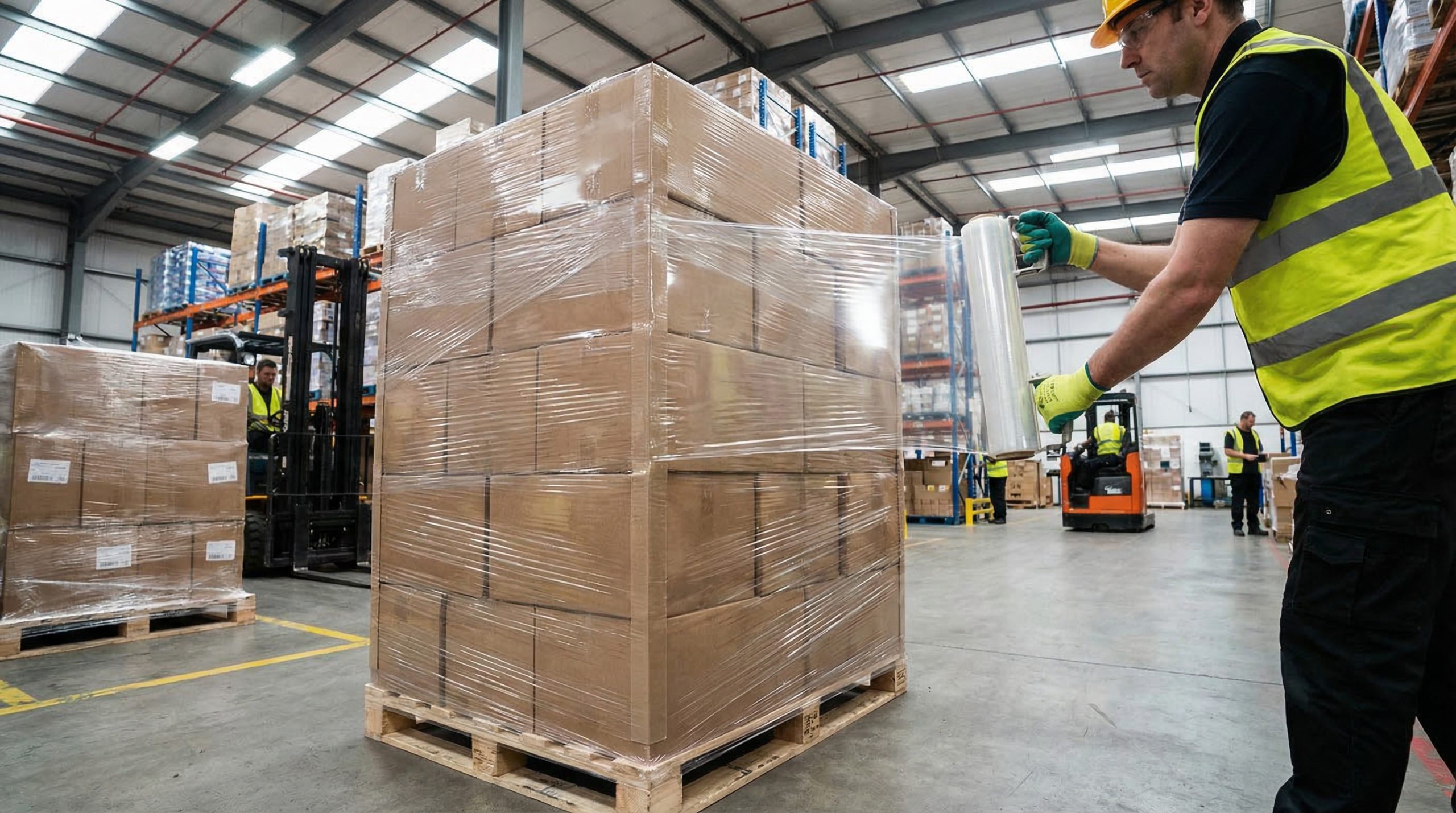
A professional warehouse scene showing a worker wrapping a fully stacked pallet with a clear stretch wrap roll, with neat boxes secured on …
What Is a Stretch Wrap Roll and Why Does It Matter?
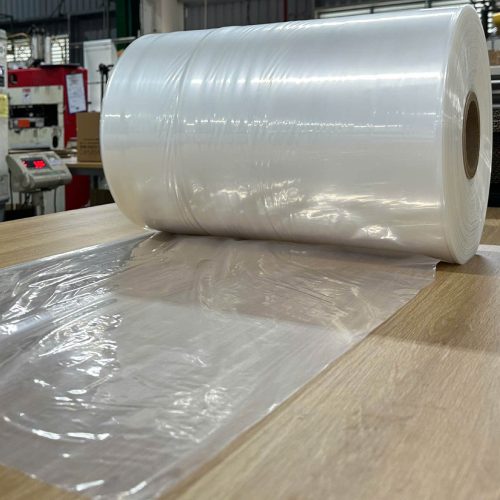
A stretch wrap roll is a highly elastic plastic film, typically made from linear low-density polyethylene, designed to stretch around products and pallets to keep them tightly secured during storage and transport.
Unlike shrink wrap, which requires heat to tighten, stretch wrap relies on elastic recovery. Once stretched and applied, it clings tightly to the load, creating tension that helps hold items in place.
Why businesses rely on stretch wrap
A quality stretch wrap roll offers several practical advantages:
– Load stability: Keeps cartons, cases, and products firmly together
– Damage reduction: Minimizes shifting, tipping, and crushing during transit
– Contamination protection: Shields goods from dirt, dust, and light moisture
– Improved efficiency: Speeds up palletizing and load containment
– Cost control: Reduces losses from damaged goods and wasted material
– Tamper visibility: Makes it easier to notice if a pallet has been disturbed
For businesses shipping products regularly, the right stretch wrap roll is not a minor supply item. It is an important part of operational performance.
How a Stretch Wrap Roll Locks in Loads Like a Pro
When applied correctly, a stretch wrap roll creates holding force by stretching around a load and attempting to return to its original shape. This recovery force creates consistent pressure that binds products together.
The key mechanics behind load containment
A professional-grade stretch wrap roll secures loads through several mechanisms:
1. Cling: The film adheres to itself so layers stay in place
2. Elastic memory: The wrap pulls inward after stretching
3. Containment force: Tension helps stabilize boxes and irregular items
4. Layer reinforcement: Multiple wraps add strength at key stress points
When wrapping is done properly, the pallet becomes more unified and resistant to movement. This is especially important for:
– Tall pallet loads
– Mixed SKU shipments
– Lightweight but unstable cartons
– Long-distance freight
– Products stored for extended periods
Types of Stretch Wrap Roll Options
Not every stretch wrap roll is designed for the same environment. Choosing the correct film type can significantly affect performance, waste, and wrapping speed.
Hand stretch wrap
Hand film is ideal for lower-volume operations or situations where workers wrap pallets manually.
Best for:
– Small warehouses
– Retail stockrooms
– Moving companies
– E-commerce packing stations
Benefits:
– Easy to use
– Good for occasional pallet wrapping
– Available in smaller roll sizes
– No machine investment required
Machine stretch wrap
Machine-grade stretch wrap roll is designed for use with semi-automatic or automatic wrapping equipment.
Best for:
– High-volume shipping operations
– Manufacturing facilities
– Distribution centers
Benefits:
– Consistent wrap application
– Faster throughput
– Better film efficiency
– Lower labor demands
Blown stretch film
Blown film offers excellent puncture resistance and strong holding force. It is often preferred for irregular or sharp-edged loads.
Advantages:
– Strong cling
– High durability
– Better performance on challenging loads
Consideration:
– Usually noisier during application
– May cost more than cast film
Cast stretch film
Cast film is known for quiet unwind, clear appearance, and smooth application.
Advantages:
– Excellent transparency for barcode scanning
– Quiet and easy to apply
– Cost-effective for many standard loads
Consideration:
– May offer less puncture resistance than blown film
How to Choose the Best Stretch Wrap Roll
Selecting the right stretch wrap roll requires looking beyond price alone. A cheaper film that breaks often or requires extra layers may actually increase your total packaging costs.
Key factors to consider
#### 1. Load type
Think about what you are wrapping:
– Uniform boxes
– Irregular products
– Sharp corners
– Heavy items
– Lightweight stacked cartons
Loads with sharp edges or uneven surfaces may need stronger film with better puncture resistance.
#### 2. Film gauge
Gauge refers to the thickness of the film. Heavier loads often need thicker film, while lighter, more stable pallets can use thinner options.
Common rule: match film strength to the load’s weight, shape, and movement risk.
#### 3. Stretch level
Some films are designed for greater stretch, which can improve material efficiency. High-performance wraps can secure loads using less film when used correctly.
#### 4. Clarity
If your team scans labels or barcodes through the film, clear cast film may be the better option.
#### 5. Application method
Choose a hand or machine stretch wrap roll based on your operation’s daily pallet volume.
#### 6. Storage environment
Consider where the wrapped load will be stored:
– Indoors or outdoors
– Short-term or long-term
– Humid or dusty conditions
Some applications benefit from UV-resistant or specialty film.
Best Practices for Using a Stretch Wrap Roll Efficiently
Even the best stretch wrap roll can underperform if applied incorrectly. Wrapping technique has a direct impact on load security and film waste.
How to wrap pallets the right way
#### Start with a stable base
Before wrapping, make sure the pallet is stacked correctly:
– Heavy boxes on the bottom
– Lighter boxes on top
– Edges aligned where possible
– No overhanging cartons
A poorly stacked pallet cannot be fixed with extra film alone.
#### Anchor the film to the pallet
Begin by securing the film to the pallet base. This helps tie the load to the pallet itself, which is critical for transport stability.
#### Wrap the bottom multiple times
The bottom portion of the load is the most important anchoring zone. Apply several tight rotations around the lower section.
#### Overlap each layer
As you move upward, overlap each layer by roughly 50 percent. This creates more uniform holding power.
#### Reinforce the top and middle
The top and middle sections often need additional attention, especially on tall or unstable loads.
#### Finish with downward passes
After reaching the top, wrap downward again to strengthen the overall unit.
Common mistakes to avoid
Many operations waste film and time by making preventable errors:
– Using the wrong film type for the load
– Wrapping too loosely
– Wrapping too tightly and crushing cartons
– Skipping pallet anchoring
– Applying too few bottom wraps
– Using excessive layers to compensate for poor technique
– Storing film in poor conditions
Improving these basics can often cut material usage while increasing load security.

Common mistakes to avoid
Stretch Wrap Roll vs Other Packaging Solutions
Businesses sometimes compare a stretch wrap roll to strapping, shrink wrap, or adhesive tape. Each has a role, but stretch wrap remains one of the most versatile solutions for pallet containment.
Compared with strapping
Strapping can secure heavy loads, but it often does not protect against dust or provide full unitization. Stretch wrap covers the entire load surface and helps hold smaller cartons together more effectively.
Compared with shrink wrap
Shrink wrap requires heat and is commonly used for retail packaging or tightly enclosed product bundles. Stretch wrap is generally faster and more practical for pallet loads.
Compared with tape
Tape is useful for sealing boxes, not stabilizing full pallet loads. A stretch wrap roll is designed specifically for bundling and securing larger shipping units.
Industries That Benefit Most from Stretch Wrap Rolls
A stretch wrap roll is useful across a wide range of industries because nearly every sector needs safe, efficient load containment.
Common industries include:
– Warehousing and logistics: For palletized freight and storage
– Manufacturing: For moving finished goods and raw materials
– Retail: For stock transfers and backroom organization
– Food and beverage: For unitizing cases during shipment
– Pharmaceutical: For cleaner, more controlled transport packaging
– E-commerce: For consolidating outbound shipments
– Moving and storage: For securing furniture, boxes, and equipment
In each of these environments, the right stretch wrap roll helps reduce risk while improving speed and consistency.
How the Right Stretch Wrap Roll Saves Time and Money
The phrase “stop wasting time” is not just marketing language. The right stretch wrap roll has measurable operational benefits.
Time savings
– Faster wrapping with fewer film breaks
– Less rework from unstable loads
– Quicker pallet handling and transport
– More consistent output across shifts
Cost savings
– Reduced product damage
– Lower film consumption
– Less labor spent rewrapping loads
– Fewer returns and freight claims
Operational improvements
– Cleaner presentation for customers
– Better warehouse safety
– Improved stacking confidence
– More reliable shipment integrity
When businesses switch to the right film and train teams on correct use, they often see a quick return through fewer damaged shipments and smoother workflows.
What to Look for in a Professional-Grade Stretch Wrap Roll
If you want a stretch wrap roll that performs like a pro, focus on quality indicators that affect real-world results.
Top features to prioritize
– Strong cling without excessive residue
– Reliable puncture resistance
– Consistent thickness across the roll
– Smooth unwind for faster application
– High stretch capacity
– Clear visibility for labels and barcodes
– Compatibility with your hand or machine process
A dependable film should help your team work faster while keeping loads tight from dock to destination.
Conclusion
A stretch wrap roll is one of the most important tools in modern shipping and storage, yet it is often underestimated. The right film can transform unstable pallets into secure, professional loads that move through the supply chain with less damage, less waste, and less effort.
If your team is dealing with broken film, shifting boxes, inefficient wrapping, or rising freight claims, it may be time to upgrade both your material and your method. A professional-quality stretch wrap roll does exactly what it should: lock in loads, support productivity, and help your operation run smarter.
At the end of the day, better wrapping is not just about packaging. It is about protecting products, saving time, and delivering consistency every step of the way.
{ “@context”: “https://schema.org”, “@type”: “Article”, “headline”: “Stop Wasting Time: This Stretch Wrap Roll Locks in Loads Like a Pro”, “description”: “Learn how a stretch wrap roll improves load stability, reduces shipping damage, saves time, and helps businesses wrap pallets like a pro.”, “keywords”: [“stretch wrap roll”, “pallet wrap”, “load containment”, “stretch film”, “warehouse packaging”], “author”: { “@type”: “Person”, “name”: “AI Assistant” }, “publisher”: { “@type”: “Organization”, “name”: “OpenAI” }, “mainEntityOfPage”: { “@type”: “WebPage”, “@id”: “https://example.com/stretch-wrap-roll-locks-loads-like-a-pro” }}
{ “@context”: “https://schema.org”, “@type”: “FAQPage”, “mainEntity”: [ { “@type”: “Question”, “name”: “What is a stretch wrap roll used for?”, “acceptedAnswer”: { “@type”: “Answer”, “text”: “A stretch wrap roll is used to secure boxes, products, and palletized loads during storage and transportation. It helps prevent shifting, protects against dust and moisture, and improves load stability.” } }, { “@type”: “Question”, “name”: “What is the difference between stretch wrap and shrink wrap?”, “acceptedAnswer”: { “@type”: “Answer”, “text”: “Stretch wrap is applied by stretching the film around a load, while shrink wrap requires heat to tighten around products. Stretch wrap is commonly used for pallet loads, and shrink wrap is often used for product bundling or retail packaging.” } }, { “@type”: “Question”, “name”: “How do I choose the right stretch wrap roll?”, “acceptedAnswer”: { “@type”: “Answer”, “text”: “Choose the right stretch wrap roll based on load weight, shape, film gauge, puncture resistance, clarity, and whether you are wrapping by hand or machine.” } }, { “@type”: “Question”, “name”: “Can a stretch wrap roll reduce shipping damage?”, “acceptedAnswer”: { “@type”: “Answer”, “text”: “Yes. A quality stretch wrap roll helps secure pallet loads, reduce movement during transit, and lower the risk of product damage, freight claims, and rewrapping.” } } ]}