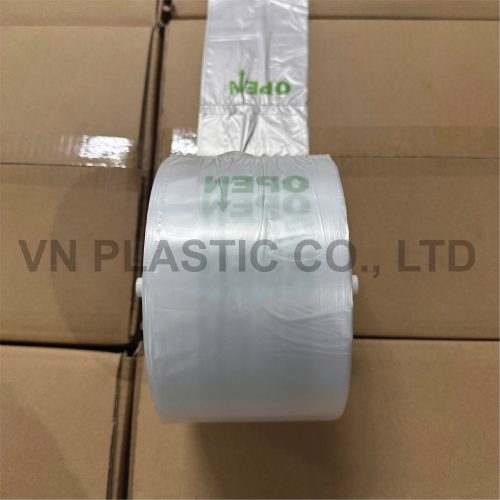
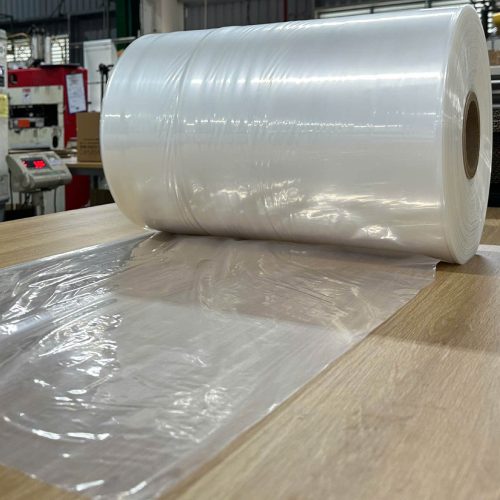
In the fast-paced world of retail and foodservice, efficiency and cost-effectiveness are paramount. One seemingly simple yet crucial element that contributes significantly to both is the humble t-shirt bag. Buying t-shirt bags bulk is a strategic decision for businesses of all sizes, streamlining operations, reducing costs, and ensuring a consistent supply of essential packaging. This comprehensive guide will delve into everything you need to know about purchasing t-shirt bags in bulk, covering materials, sizes, regulations, sustainability, and more, empowering you to make informed decisions for your business.
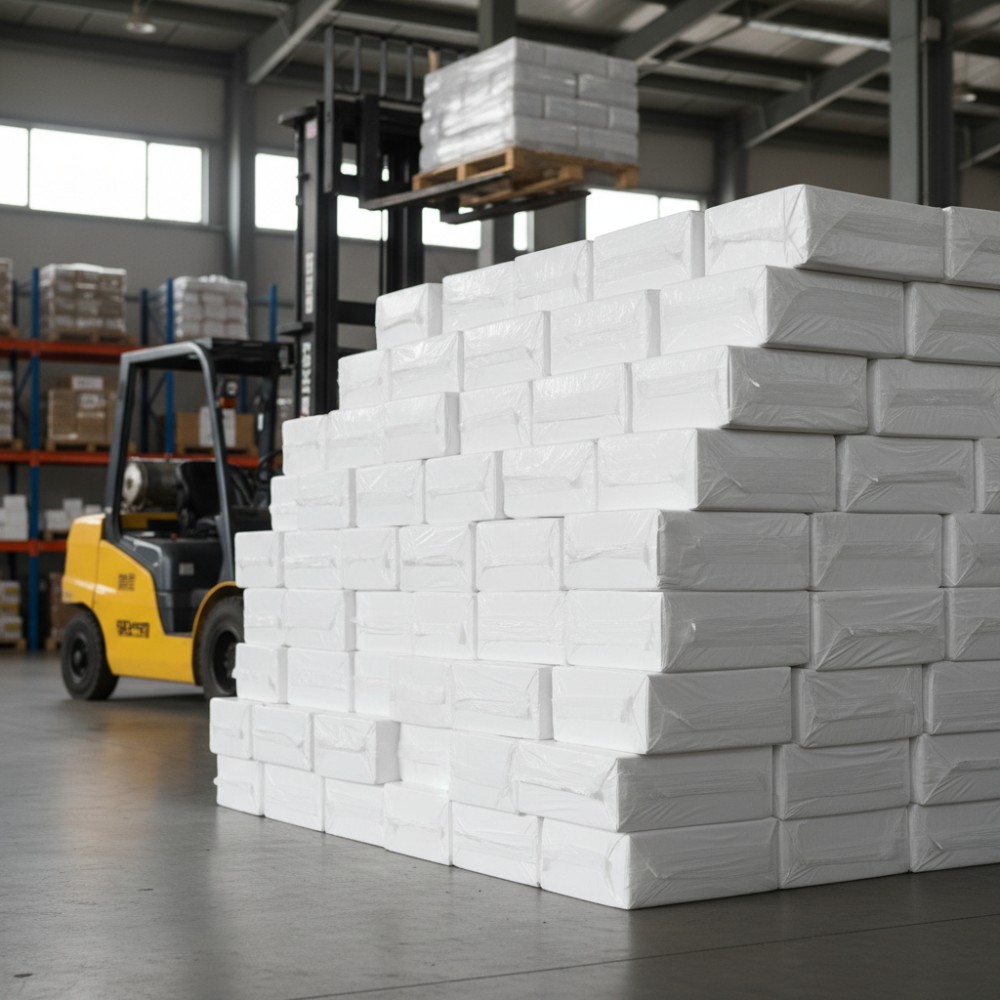
Why Buy T-Shirt Bags Bulk? The Benefits Unveiled
Opting for t-shirt bags bulk offers a multitude of advantages that directly impact your bottom line and operational efficiency:
- Cost Savings: Purchasing in bulk invariably translates to lower per-unit costs. This is especially beneficial for businesses with high bag consumption rates. The savings can be substantial over time, freeing up capital for other critical investments.
- Consistent Supply: Avoid the hassle and potential disruptions caused by frequent reordering. A bulk purchase ensures a readily available supply of bags, preventing stockouts and maintaining smooth operations, especially during peak seasons.
- Negotiating Power: Bulk orders provide leverage for negotiating better prices and terms with suppliers. This can lead to even greater cost savings and more favorable payment options.
- Reduced Shipping Costs: Consolidating orders into a single bulk shipment minimizes shipping expenses compared to multiple smaller orders.
- Streamlined Inventory Management: Managing one large order is often simpler than tracking numerous smaller ones, simplifying inventory control and reducing administrative overhead.
Understanding the Material Landscape: Plastic vs. Alternatives
While traditional plastic t-shirt bags remain prevalent, increasing environmental awareness has spurred the development of various alternative materials. Understanding the pros and cons of each is crucial for making responsible and sustainable choices.
Traditional Plastic T-Shirt Bags: The Workhorse
These bags are typically made from high-density polyethylene (HDPE) or low-density polyethylene (LDPE). HDPE bags are known for their strength and durability, while LDPE bags offer greater flexibility.
- Pros: Affordable, strong, readily available, water-resistant.
- Cons: Environmental concerns related to plastic waste, potential for single-use, can contribute to pollution.
- Thickness (Mil): The thickness of plastic bags is measured in mils (thousandths of an inch). Common thicknesses range from 0.7 mil to 1.5 mil. Thicker bags are more durable and suitable for heavier items. Consider the weight and type of items you’ll be bagging when selecting the appropriate mil thickness.
Biodegradable T-Shirt Bags: A Step Towards Sustainability
Biodegradable bags are designed to decompose more quickly than traditional plastic bags under specific conditions. However, it’s important to understand the nuances of biodegradability.
- Pros: Reduced environmental impact compared to traditional plastic, can break down in landfills (though conditions may vary).
- Cons: May require specific composting conditions to degrade effectively, can be more expensive than traditional plastic bags, may not be as strong as traditional plastic.
Compostable T-Shirt Bags: The Gold Standard of Eco-Friendliness
Compostable bags are made from plant-based materials and are designed to break down completely in a composting environment, leaving behind no toxic residue.
- Pros: Minimal environmental impact, breaks down into beneficial compost, made from renewable resources.
- Cons: Most expensive option, requires access to composting facilities, may not be as strong as traditional plastic bags.
Paper T-Shirt Bags: A Recyclable Option
While not as common as plastic t-shirt bags, paper bags offer a recyclable and renewable alternative.
- Pros: Recyclable, made from renewable resources, biodegradable.
- Cons: Less durable than plastic, can tear easily when wet, more expensive than traditional plastic bags.
Sizes and Dimensions: Finding the Perfect Fit
T-shirt bags come in a range of sizes to accommodate various items. Common sizes are often described using dimensions like width, gusset (the bottom fold), and height. Consider the typical items you’ll be bagging when selecting the appropriate size.
- Small: Suitable for small items like jewelry, small electronics, or sample products.
- Medium: Ideal for groceries, clothing, or takeout containers.
- Large: Best for bulky items, multiple purchases, or larger takeout orders.
- Extra-Large: Designed for exceptionally large or heavy items.
Pay attention to the gusset size, as this determines the bag’s capacity and ability to accommodate wider items.
Navigating Regulations: Staying Compliant
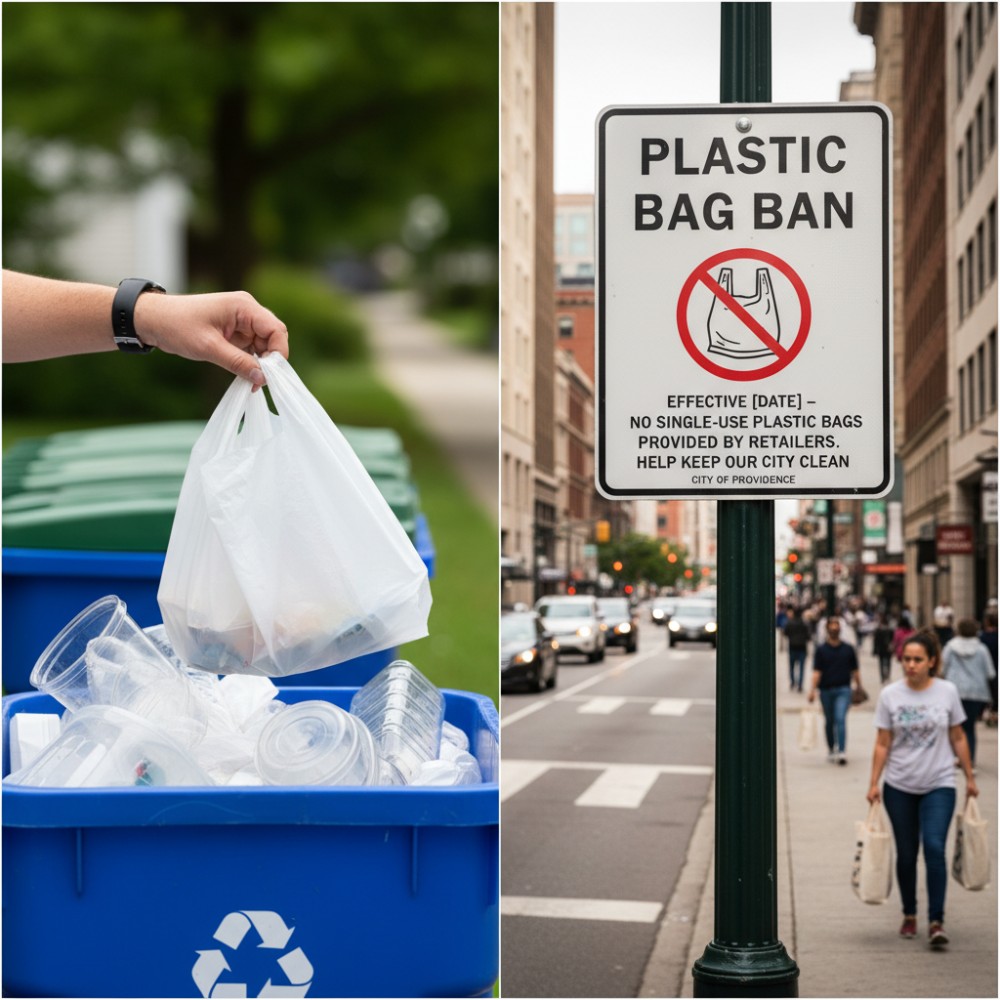
Plastic bag regulations are becoming increasingly common at the state and local levels. These regulations may include bans, fees, or requirements for thicker plastic bags. It’s crucial to stay informed about the specific regulations in your area to ensure compliance and avoid penalties.
- Research Local Laws: Check with your local government or environmental agency to understand the specific regulations in your area.
- Consider Alternatives: If plastic bags are banned or heavily taxed, explore alternative options like biodegradable, compostable, or reusable bags.
- Comply with Thickness Requirements: Some regulations require plastic bags to meet a minimum thickness to encourage reuse.
Customization: Branding Opportunities
T-shirt bags offer a valuable branding opportunity. Customizing your bags with your logo, brand colors, and messaging can enhance brand recognition and create a professional image. Consider the following customization options:
- Printing: Print your logo, brand name, or promotional message on the bags.
- Color: Choose bags in your brand colors.
- Design: Create a unique design that reflects your brand identity.
When choosing a printing method, consider the material of the bag and the desired level of detail. Screen printing is a popular option for plastic bags, while flexographic printing is often used for paper bags.
Choosing the Right Supplier: Key Considerations
Selecting a reliable supplier is paramount for ensuring consistent quality, competitive pricing, and timely delivery. Consider the following factors when choosing a supplier for your t-shirt bags bulk purchase:
- Reputation: Research the supplier’s reputation by reading online reviews and checking for any complaints.
- Quality: Request samples to assess the quality of the bags.
- Pricing: Compare prices from multiple suppliers to ensure you’re getting a competitive rate.
- Minimum Order Quantity: Ensure the supplier’s minimum order quantity aligns with your needs.
- Lead Time: Inquire about the supplier’s lead time to ensure they can meet your deadlines.
- Sustainability Practices: If sustainability is a priority, inquire about the supplier’s environmental practices and certifications.
- Customer Service: Choose a supplier with responsive and helpful customer service.
Storage and Handling: Maintaining Bag Quality
Proper storage and handling are essential for maintaining the quality of your t-shirt bags bulk purchase. Follow these guidelines:
- Store in a Cool, Dry Place: Avoid storing bags in direct sunlight or humid environments, as this can damage the material.
- Protect from Pests: Store bags in a sealed container or area to prevent damage from pests.
- Handle with Care: Avoid dropping or dragging bags, as this can cause tears or punctures.
- Rotate Stock: Use older bags first to prevent them from becoming brittle or damaged over time.
Target Metrics for T-Shirt Bag Purchases
Before making a t-shirt bags bulk purchase, define your target metrics. This involves considering the following:
- Annual Bag Usage: Estimate your annual bag consumption to determine the appropriate order size.
- Budget: Establish a budget for your bag purchases.
- Sustainability Goals: Set goals for reducing your environmental impact.
- Customer Satisfaction: Consider how bag quality and design impact customer satisfaction.
By tracking these metrics, you can measure the effectiveness of your bag purchasing strategy and make adjustments as needed.
Addressing Content Gaps and Staying Ahead of the Curve
While many resources offer basic information on t-shirt bags bulk, several content gaps exist. To stay ahead of the curve, consider the following:
- Eco-Friendly Options: Explore the latest advancements in biodegradable and compostable materials.
- Detailed Comparisons: Compare different plastic bag thicknesses (mil) for various applications.
- State-Specific Regulations: Stay informed about evolving plastic bag regulations in different states.
- Small Business Solutions: Seek out suppliers that offer smaller bulk order options for smaller businesses.
- Visual Content: Look for suppliers that provide visual content demonstrating bag strength and capacity.
- Customer Reviews: Read customer reviews to gain insights into bag durability and performance.
- Mobile Optimization: Ensure your supplier’s website is optimized for mobile users searching for “t-shirt bags near me.”
- Best Practices: Learn about best practices for bagging groceries and reducing waste.
- Customization Options: Explore different customization options, such as printing logos and branding.
- Industry-Specific Solutions: Find bags tailored to specific industries, such as boutiques or restaurants.
- Storage and Handling: Learn about proper storage and handling techniques to prevent bag damage.
- Ethical Sourcing: Inquire about the supplier’s sourcing and manufacturing practices, particularly regarding sustainability and ethical production.
[IMAGE_PROMPT: A diverse group of people shopping in a grocery store. Some are using reusable bags, while others are using t-shirt bags. The scene should highlight the variety of bag options available and the different ways people are using them.]
Conclusion: Making Informed Decisions for Your Business
Purchasing t-shirt bags bulk is a strategic decision that can significantly impact your business’s efficiency, cost-effectiveness, and environmental footprint. By understanding the different materials, sizes, regulations, and customization options available, you can make informed choices that align with your business goals and values. Remember to choose a reliable supplier, practice proper storage and handling, and stay informed about the latest trends and regulations. By doing so, you can ensure a consistent supply of high-quality bags at a competitive price, while also contributing to a more sustainable future.