Clear block header bags are an essential packaging solution for a wide array of industries, from retail and food service to pharmaceuticals and electronics. Their transparency allows for easy product identification, while the block header provides a convenient space for labeling, pricing, and branding. This comprehensive guide will delve into the various aspects of clear block header bags, covering material types, sizes, closure options, industry applications, and crucial considerations for sustainability and regulatory compliance. Whether you’re a small business owner or a large-scale manufacturer, understanding the nuances of these bags will help you make informed decisions and optimize your packaging strategy.
Understanding Clear Block Header Bags: Materials and Manufacturing
The foundation of any clear block header bag lies in its material composition. The most common materials used are:
- Polypropylene (PP): Known for its high clarity, stiffness, and excellent moisture barrier properties. PP bags are ideal for showcasing products and preventing them from drying out.
- Polyethylene (PE): Offers greater flexibility and tear resistance compared to PP. PE bags are often used for heavier items or products that require a more durable packaging solution. Low-Density Polyethylene (LDPE) and High-Density Polyethylene (HDPE) are two common types, with LDPE being more flexible and HDPE offering greater strength.
- Oriented Polypropylene (OPP): Provides exceptional clarity and tensile strength. OPP bags are often used for retail packaging where visual appeal is paramount.
- Cast Polypropylene (CPP): Known for its good heat sealing properties and flexibility. CPP bags are often used in food packaging applications.
The manufacturing process typically involves extruding the chosen polymer into a thin film, which is then cut and sealed to form the bag. The block header is created by folding and sealing the top portion of the bag, leaving a reinforced area for hanging or labeling. Variations in the manufacturing process can affect the bag’s strength, clarity, and overall quality. This is a critical factor to consider when sourcing your clear block header bags.
Selecting the Right Clear Block Header Bag: Size, Thickness, and Closure
Choosing the appropriate clear block header bag involves considering several factors:
- Size: Accurately measure your product’s dimensions (length, width, and height) to ensure a proper fit. Allow for extra space for easy insertion and removal.
- Thickness: Measured in mils (thousandths of an inch), the thickness determines the bag’s strength and durability. Thicker bags offer greater protection against punctures and tears but may also be more expensive. Select the appropriate thickness based on the weight and fragility of your product. For example, lightweight items like candies or small parts may only require a 1.5 mil bag, while heavier items or those with sharp edges may necessitate a 2 mil or thicker bag.
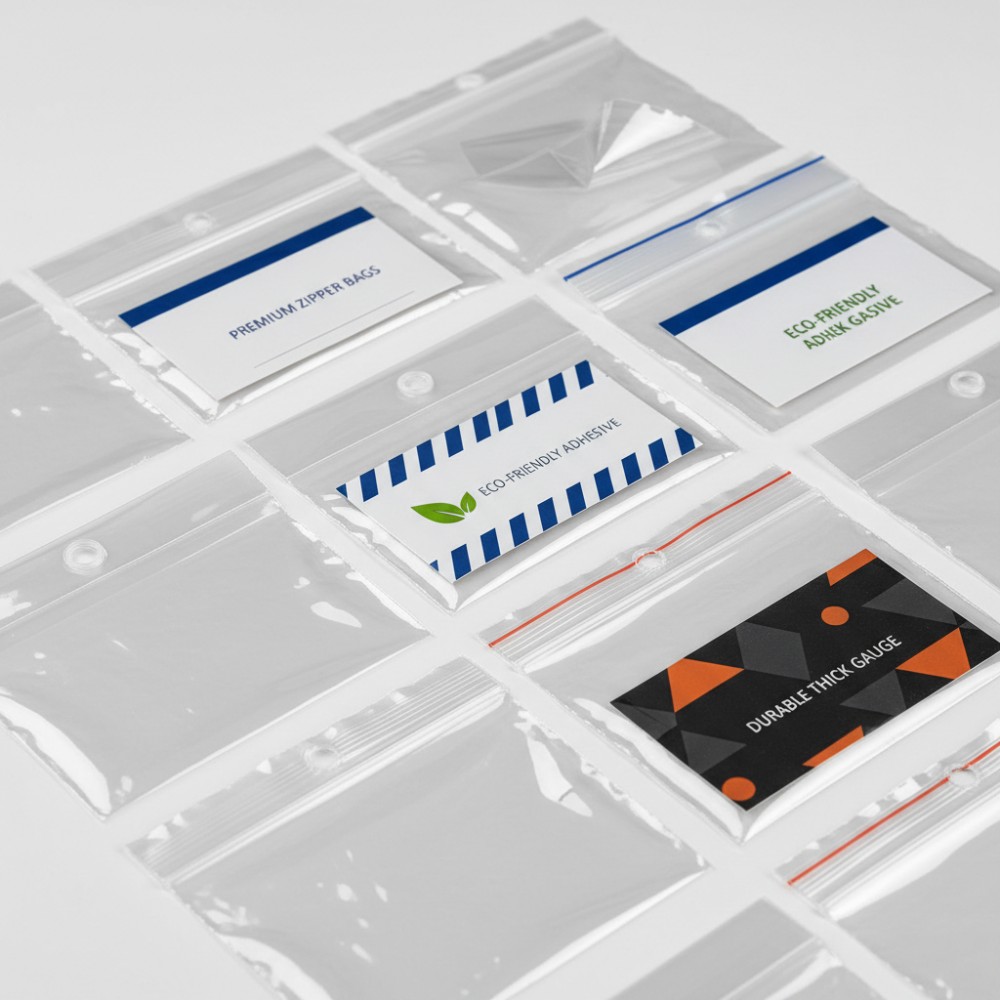
- Closure: Consider the type of closure that best suits your needs. Common options include:
- Open Top: Requires heat sealing or tape closure.
- Zipper Closure: Provides a resealable option for repeated use.
- Adhesive Closure: Offers a tamper-evident seal.
Addressing Content Gaps: When selecting, consider detailed guidance on selecting the correct bag thickness and size for different products. For example, a chart outlining product weight and recommended mil thickness can be very beneficial.
Diverse Applications Across Industries
Clear block header bags are versatile and find applications in numerous industries:
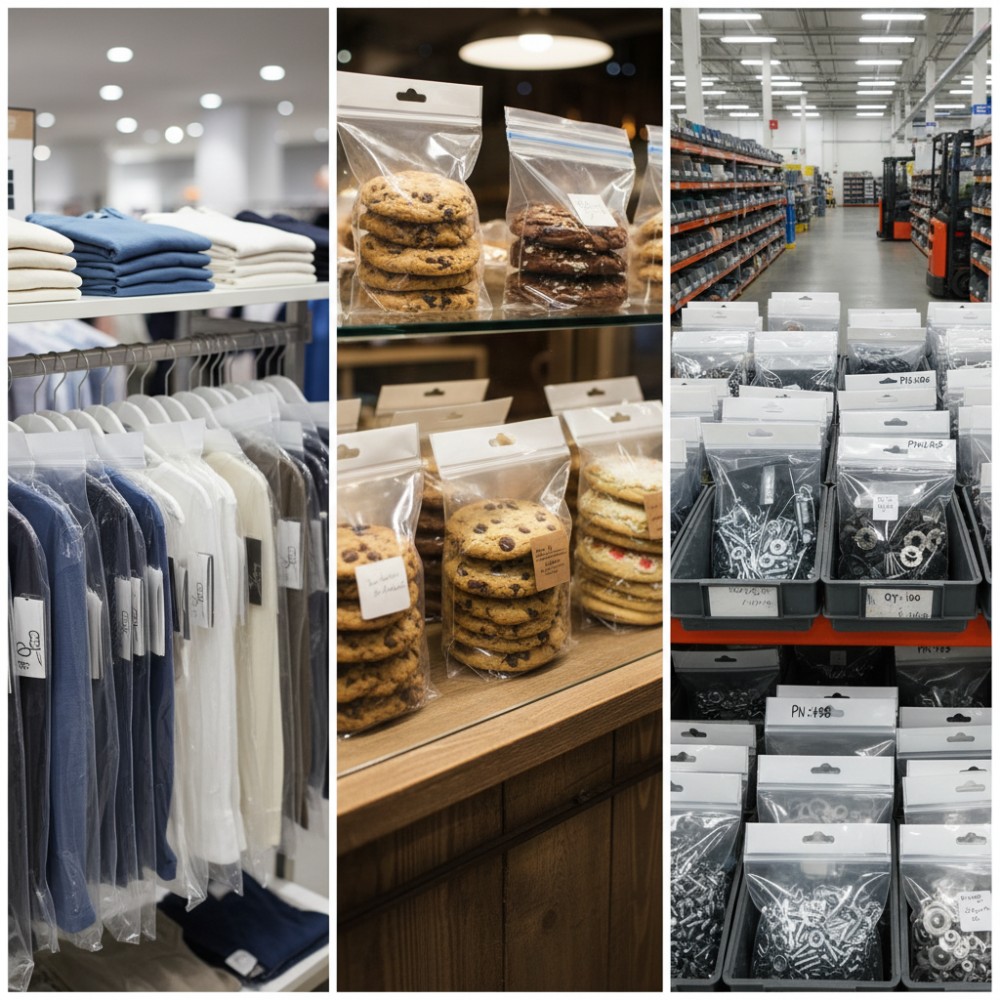
- Retail: Packaging apparel, accessories, and small consumer goods. The clear material allows customers to easily view the product, enhancing its appeal.
- Food Service: Storing and displaying baked goods, candies, and other food items. FDA-compliant bags are essential for direct food contact.
- Electronics: Protecting sensitive electronic components from dust and moisture. Anti-static bags may be required for certain components.
- Pharmaceuticals: Packaging pills, capsules, and other medications. Child-resistant closures may be necessary for certain products.
- Manufacturing: Organizing and storing small parts, hardware, and components.
Addressing Content Gaps: Provide specific use cases and customer testimonials for various industries (e.g., retail, food service). This would help potential buyers visualize how the bags can be used in their business.
Customization and Branding Opportunities
Clear block header bags offer excellent opportunities for branding and customization. Printing your logo, product information, or promotional messages directly onto the bag can enhance brand recognition and create a professional image. Consider the following customization options:
- Printing: Choose from various printing methods, such as flexographic printing or digital printing, depending on the complexity of your design and the quantity of bags you require.
- Labeling: Apply adhesive labels to the block header to provide product information, pricing, and barcodes.
- Custom Sizes and Shapes: Work with a supplier to create custom-sized or shaped bags to perfectly fit your product.
Addressing Content Gaps: Add information on custom printing options for clear block header bags and related costs. This would be valuable for businesses looking to enhance their branding.
Sustainability and Environmental Considerations
As environmental awareness grows, sustainability is becoming an increasingly important factor in packaging decisions. Consider the following sustainable options for clear block header bags:
- Recycled Materials: Opt for bags made from recycled polyethylene (rPE) or other recycled polymers.
- Biodegradable Materials: Explore biodegradable or compostable options, although these may have limitations in terms of durability and clarity.
- Reduced Thickness: Minimize the bag thickness to reduce the amount of plastic used, without compromising product protection.
- Recycling Programs: Implement or participate in recycling programs to ensure that used bags are properly recycled.
Addressing Content Gaps: Include detailed information on recycled/sustainable options for clear block header bags. This is a key area of interest for environmentally conscious consumers and businesses.
Regulatory Compliance: FDA and Food Safety
For applications involving food contact, it’s crucial to ensure that your clear block header bags comply with FDA regulations. FDA-compliant bags are made from materials that are safe for direct contact with food and will not leach harmful chemicals into the product. Look for bags that are specifically labeled as “FDA-compliant” or “food-grade.” It’s also important to understand specific regulations, such as those related to the types of polymers allowed and any restrictions on additives.
Addressing Content Gaps: Address specific FDA compliance regulations for food-grade bags. This is essential information for businesses in the food industry.
Addressing Common Challenges and Misconceptions
When purchasing clear block header bags, it’s important to be aware of some common challenges and misconceptions:
- Quality Variance: The quality of clear block header bags can vary significantly depending on the supplier. Always source from reputable manufacturers who adhere to strict quality control standards.
- Misleading Product Descriptions: Pay close attention to product descriptions and specifications, especially regarding material type, thickness, and dimensions. Don’t rely solely on images, as they can be misleading.
- Incompatibility with Heat Sealing Equipment: Ensure that the bags are compatible with your heat sealing equipment. Test a small sample before purchasing a large quantity.
Synthesizing Research Data: This addresses concerns from Amazon and eBay research, highlighting inconsistent product descriptions and quality variance. It emphasizes the importance of careful supplier selection and thorough product review.
[IMAGE_PROMPT: A split-screen image showing a high-quality, well-sealed clear block header bag on one side and a poorly made, flimsy bag on the other. Highlight the differences in clarity, seal quality, and overall appearance.]
Proper Storage and Handling
To maintain the integrity and quality of your clear block header bags, proper storage and handling are essential. Store bags in a cool, dry place away from direct sunlight and extreme temperatures. Avoid stacking heavy objects on top of the bags, as this can cause them to deform or tear. Handle bags with care to prevent punctures or tears. Proper storage will also help prevent the bags from becoming brittle or discolored over time.
Addressing Content Gaps: Add blog content or articles educating customers on proper storage and handling of clear block header bags to maintain product integrity.
Conclusion: Making Informed Decisions for Optimal Packaging
Clear block header bags offer a versatile and cost-effective packaging solution for a wide range of industries. By understanding the different material types, sizes, closure options, and sustainability considerations, you can make informed decisions and optimize your packaging strategy. Always prioritize quality, regulatory compliance, and environmental responsibility to ensure the best possible outcome for your business and the planet.