In an era increasingly concerned with environmental sustainability, the demand for eco-friendly alternatives to traditional plastics has surged. Among these alternatives, compostable bags stand out as a viable option for reducing plastic waste and promoting a circular economy. But what exactly are compostable bags, and how do they differ from biodegradable or regular plastic bags? This comprehensive guide delves into everything you need to know about compostable bags, from their composition and benefits to certifications and proper usage.
What are Compostable Bags?
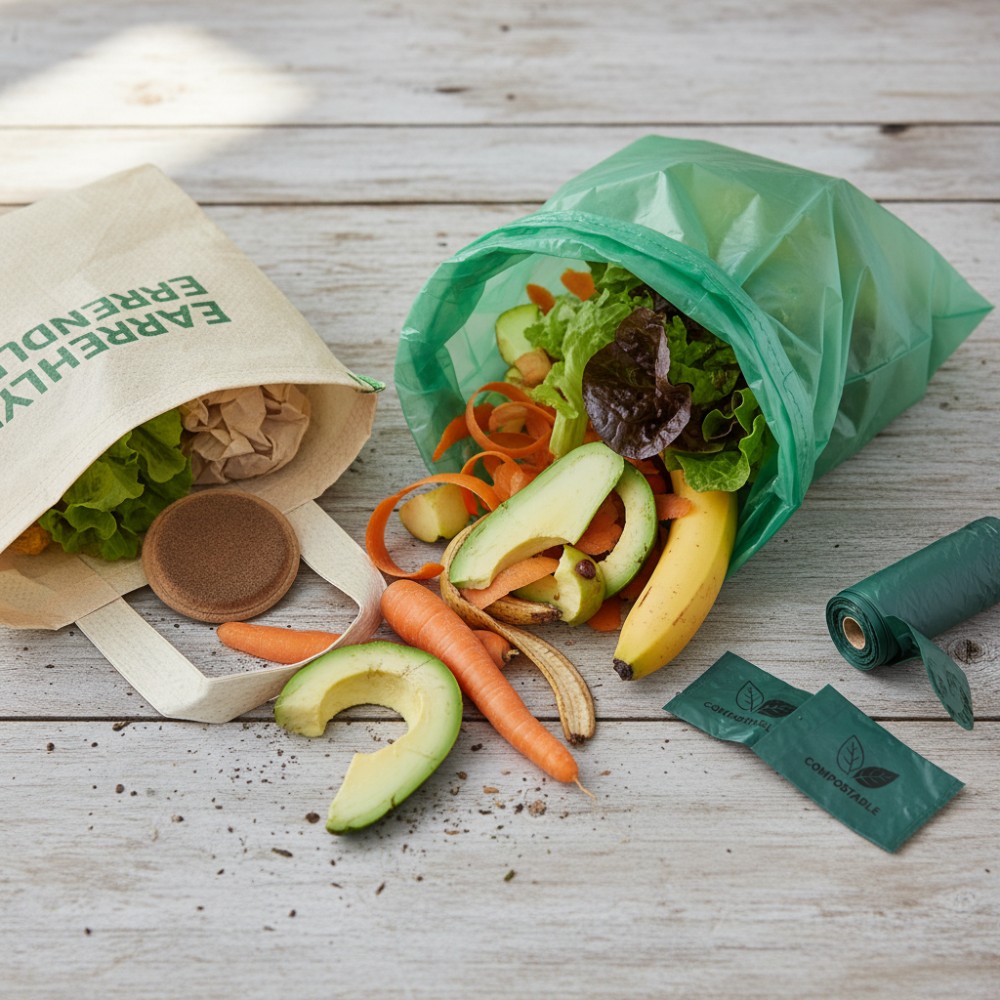
Compostable bags are designed to break down in a composting environment, whether it’s a home compost pile, a municipal composting facility, or an industrial composting site. Unlike traditional plastics, which can persist in the environment for hundreds of years, compostable bags are made from plant-based materials or bioplastics that decompose into natural elements like water, carbon dioxide, and biomass. This decomposition process is facilitated by microorganisms present in the composting environment.
The Composition of Compostable Bags
The materials used to manufacture compostable bags vary, but they typically include:
- Polylactic Acid (PLA): Derived from renewable resources like corn starch or sugarcane, PLA is a common bioplastic used in compostable bags.
- Polybutylene Adipate Terephthalate (PBAT): A biodegradable polymer often blended with PLA to improve flexibility and durability.
- Cellulose: Derived from wood pulp or cotton, cellulose-based films can also be used to create compostable bags.
Benefits of Using Compostable Bags
Choosing compostable bags over traditional plastic bags offers a multitude of environmental and practical benefits:
- Reduced Plastic Waste: By using compostable bags, you contribute to minimizing the amount of plastic waste that ends up in landfills and oceans.
- Lower Carbon Footprint: The production of compostable bags often involves lower greenhouse gas emissions compared to traditional plastic bags.
- Soil Enrichment: When properly composted, compostable bags break down into nutrient-rich compost that can be used to improve soil quality in gardens and farms.
- Support for a Circular Economy: Compostable bags promote a circular economy by diverting organic waste from landfills and returning valuable nutrients to the soil.
- Compliance with Regulations: Many municipalities and businesses are implementing regulations that encourage or require the use of compostable bags for certain applications.
Compostable vs. Biodegradable vs. Plastic Bags: Understanding the Differences
It’s crucial to understand the distinctions between compostable, biodegradable, and traditional plastic bags to make informed choices:
- Compostable Bags: As mentioned earlier, these bags break down into natural elements in a composting environment within a specific timeframe. They must meet certain standards and certifications.
- Biodegradable Bags: While biodegradable bags are designed to break down over time, the timeframe and conditions required for degradation can vary widely. Some biodegradable bags may only break down under specific industrial conditions, while others may simply fragment into smaller pieces of plastic.
- Plastic Bags: Traditional plastic bags are made from petroleum-based polymers and can take hundreds of years to decompose. They contribute significantly to plastic pollution and environmental degradation.
Certifications for Compostable Bags
To ensure that a bag is truly compostable, look for recognized certifications from reputable organizations. These certifications verify that the bag meets specific standards for compostability. Key certifications include:
- BPI (Biodegradable Products Institute): The BPI certification is widely recognized in North America and indicates that a product meets ASTM D6400 standards for compostability in municipal and industrial composting facilities.
- ASTM D6400: This American Society for Testing and Materials standard specifies the requirements for plastics labeled as compostable in municipal or industrial composting facilities.
- EN 13432: This European standard outlines the requirements for packaging to be considered compostable in industrial composting facilities.
- TÜV AUSTRIA OK Compost Home: This certification verifies that a product is compostable in a home composting environment.
- TÜV AUSTRIA OK Compost Industrial: This certification confirms that a product is compostable in an industrial composting facility.
When choosing compostable bags, always look for these certifications to ensure that you are purchasing a product that will truly break down in a composting environment.
How to Use Compostable Bags Effectively
To maximize the benefits of compostable bags, it’s essential to use them correctly:
- Check for Certifications: Always verify that the bags are certified compostable by a reputable organization.
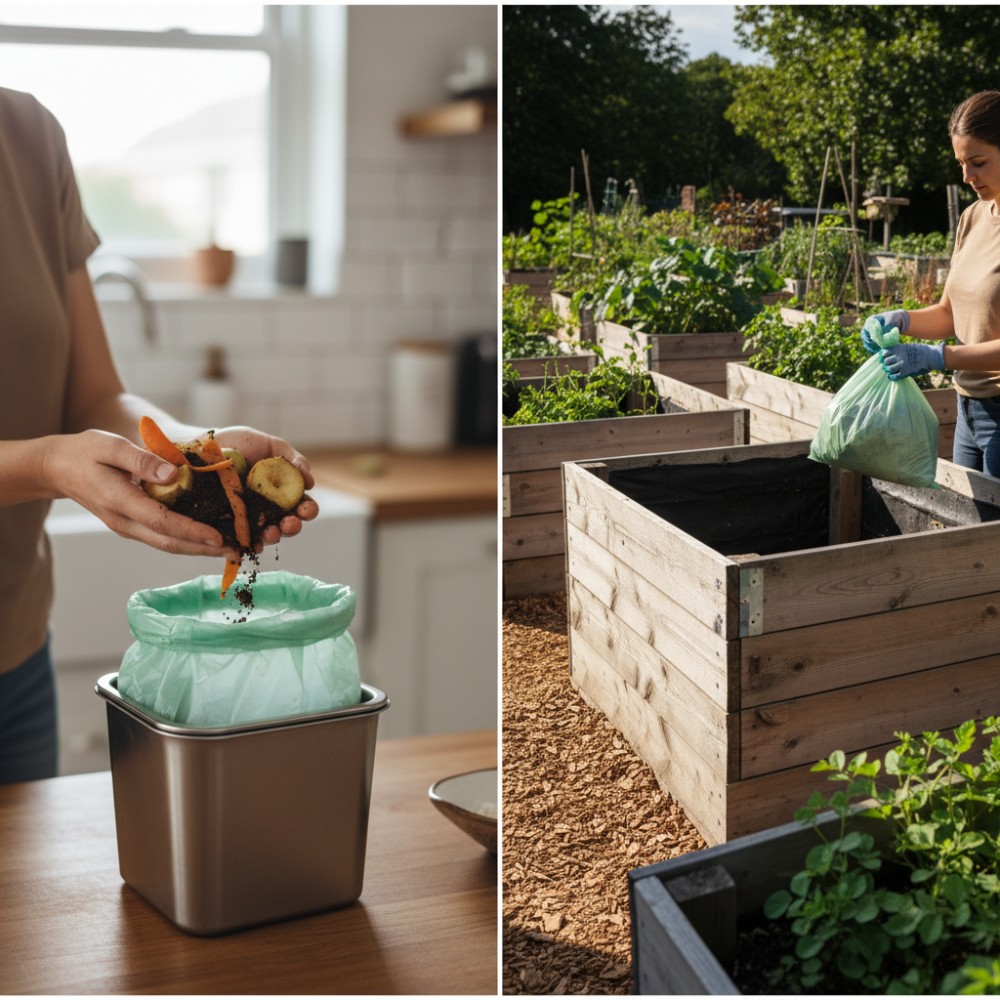
- Use for Organic Waste: Compostable bags are ideal for collecting food scraps, yard waste, and other organic materials.
- Avoid Contamination: Do not mix non-compostable materials, such as plastic or metal, with organic waste in compostable bags.
- Follow Composting Guidelines: Adhere to the guidelines provided by your local composting facility or follow best practices for home composting.
- Store Properly: Store compostable bags in a cool, dry place to prevent premature degradation.
- Use Within Shelf Life: Compostable bags have a limited shelf life, so use them within the recommended timeframe.
Common Misconceptions About Compostable Bags
Despite their benefits, several misconceptions surround compostable bags:
- Misconception 1: Compostable bags will break down anywhere. Reality: Compostable bags require specific composting conditions (temperature, humidity, microorganisms) to break down effectively.
- Misconception 2: All biodegradable bags are compostable. Reality: Biodegradable bags may not meet the standards for compostability and may simply fragment into smaller pieces of plastic.
- Misconception 3: Compostable bags are as strong as plastic bags. Reality: While compostable bags are designed to be durable, they may not be as strong as traditional plastic bags and should be used with care.
- Misconception 4: Compostable bags can be recycled. Reality: Compostable bags should not be mixed with recyclable materials, as they can contaminate the recycling stream.
Choosing the Right Compostable Bag for Your Needs
Selecting the appropriate compostable bag depends on your specific requirements:
- For Kitchen Waste: Look for smaller compostable bags designed to fit kitchen compost bins.
- For Yard Waste: Choose larger, more durable compostable bags suitable for collecting leaves, grass clippings, and other yard debris.
- For Pet Waste: Opt for compostable pet waste bags that are specifically designed for this purpose.
- For Shopping: Consider reusable shopping bags made from compostable materials.
Also, consider the volume of waste you typically generate and the composting facilities available in your area when selecting compostable bags.
The Future of Compostable Bags
The future of compostable bags looks promising as demand for sustainable alternatives continues to grow. Ongoing research and development efforts are focused on improving the performance, durability, and cost-effectiveness of compostable bags. Furthermore, increased awareness and education about the benefits of composting and the proper use of compostable bags will play a crucial role in driving adoption and maximizing their positive impact on the environment.
[IMAGE_PROMPT: A wide-angle shot of a modern industrial composting facility, showing rows of compost piles and machinery processing organic waste, with a focus on compostable bags being mixed into the compost.]
Conclusion
Compostable bags offer a sustainable solution for managing organic waste and reducing plastic pollution. By understanding their composition, benefits, certifications, and proper usage, you can make informed choices and contribute to a more environmentally friendly future. Embrace compostable bags as part of your commitment to sustainability and help create a cleaner, healthier planet for generations to come.