Freezer bags are an indispensable tool in any modern kitchen. They offer a convenient and efficient way to preserve food, reduce waste, and save money. But with so many options available, choosing the right freezer bags and using them correctly can be overwhelming. This comprehensive guide will cover everything you need to know about freezer bags, from selecting the best type for your needs to mastering techniques for preventing freezer burn and optimizing freezer space. We’ll delve into the materials, sizes, and features that differentiate various freezer bags, and provide practical tips for sustainable usage and disposal. Whether you’re a seasoned meal prepper or just looking to reduce food waste, this guide will empower you to make the most of your freezer bags.
Understanding the Basics of Freezer Bags
What Are Freezer Bags?
Freezer bags are specially designed plastic bags intended for long-term food storage in the freezer. Unlike regular storage bags, freezer bags are thicker and more durable, providing a better barrier against moisture and air. This is crucial for preventing freezer burn, which occurs when frozen food is exposed to air, causing dehydration and a loss of flavor and texture.
Why Use Freezer Bags?
The primary benefit of using freezer bags is their ability to extend the shelf life of food. By properly sealing food in a freezer bag, you can significantly slow down the degradation process and preserve its quality for months. This not only reduces food waste but also allows you to take advantage of seasonal produce and bulk purchases.
Beyond preservation, freezer bags offer several other advantages:
- Space Efficiency: Freezer bags can be easily stacked and arranged, maximizing freezer space compared to bulky containers.
- Cost-Effectiveness: While slightly more expensive than regular storage bags, freezer bags are a worthwhile investment due to their superior performance and ability to prevent food waste.
- Convenience: Freezer bags are easy to use, clean, and dispose of. Many are also reusable, further enhancing their value.
- Versatility: Freezer bags aren’t just for food! They can be used for organizing travel items, protecting valuables, and even DIY projects.
Choosing the Right Freezer Bag
Not all freezer bags are created equal. Selecting the appropriate bag for your needs is essential for optimal food preservation. Consider these factors when making your choice:
Material
Most freezer bags are made from polyethylene (PE) plastic. However, the type and thickness of the plastic can vary. Look for bags labeled as “freezer bags” specifically, as they are typically made from a thicker gauge plastic than standard storage bags. Some bags may also be made from linear low-density polyethylene (LLDPE), which offers increased strength and flexibility.
It’s also important to consider whether the freezer bags are BPA-free. BPA (bisphenol A) is a chemical that has been linked to health concerns, so choosing BPA-free freezer bags provides added peace of mind.
Size
Freezer bags come in a variety of sizes, ranging from small snack bags to large gallon-sized bags. Choose the size that best suits the portion size of the food you intend to store. Using a bag that is too large can lead to excess air inside, increasing the risk of freezer burn. Some common sizes and their uses include:
- Quart-sized bags: Ideal for storing individual portions of soups, sauces, vegetables, and fruits.
- Gallon-sized bags: Suitable for larger items such as whole chickens, roasts, and family-sized meals.
- Snack-sized bags: Perfect for storing small portions of nuts, seeds, berries, and other snacks.
Closure Type
The closure type of a freezer bag is crucial for creating an airtight seal. The two most common types of closures are:
- Zipper Seal: Zipper seal freezer bags offer a convenient and reliable closure. Look for bags with a double zipper for extra security.
- Slider Seal: Slider seal freezer bags feature a sliding mechanism that makes it easy to open and close the bag. This type of closure is particularly useful for people with limited dexterity.
Features
Some freezer bags come with additional features that can enhance their functionality:
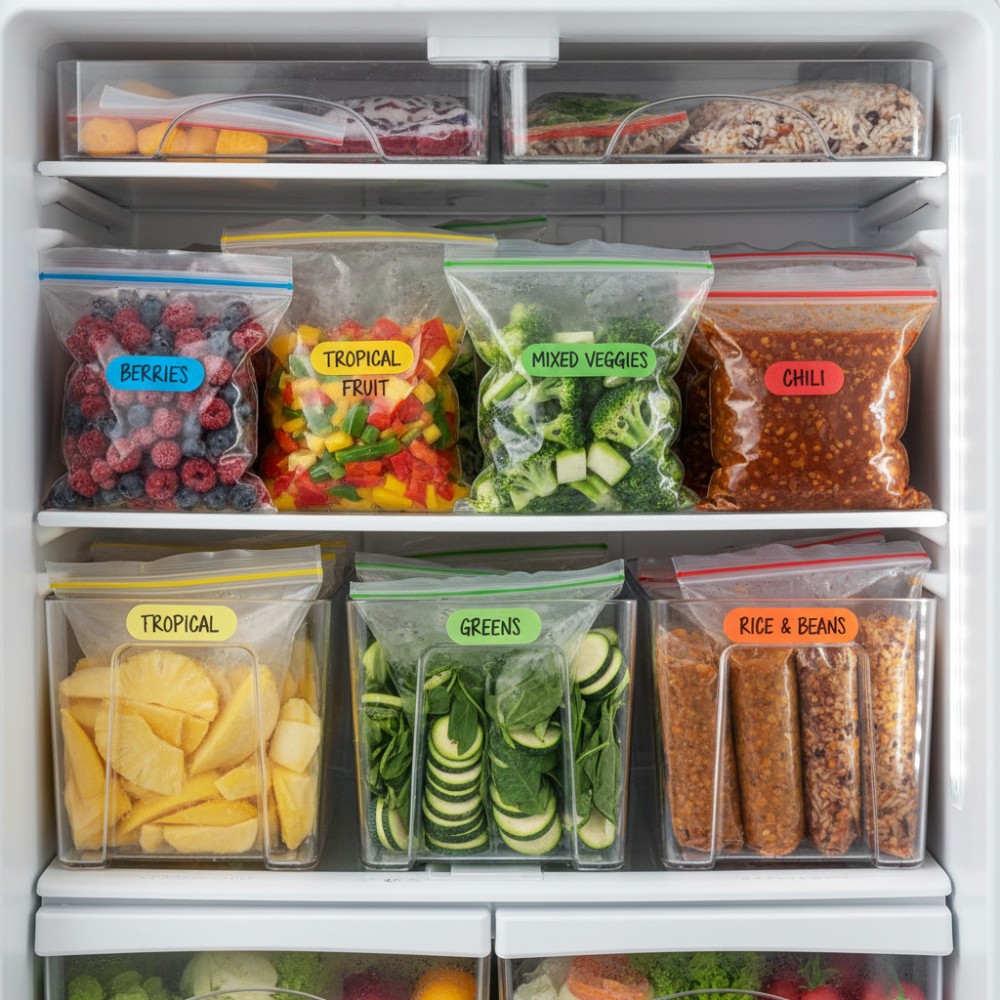
- Write-on Labels: Many freezer bags have a designated area where you can write the contents and date. This helps you keep track of what’s in your freezer and prevents food from getting lost.
- Stand-Up Bottom: Stand-up freezer bags have a flat bottom that allows them to stand upright, making them easier to fill and store.
- Reinforced Seams: Freezer bags with reinforced seams are more durable and less likely to tear or leak.
Mastering the Art of Freezer Bag Usage
Choosing the right freezer bag is only half the battle. Proper usage is equally important for ensuring optimal food preservation and preventing freezer burn.
Preparation
Before filling a freezer bag, make sure it is clean and dry. Wash reusable freezer bags thoroughly with soap and water after each use. Allow food to cool completely before placing it in the freezer bag. Hot food can create condensation, which can lead to ice crystals and freezer burn.
Filling
When filling a freezer bag, avoid overfilling it. Leave some headspace to allow for expansion as the food freezes. Overfilling can cause the bag to burst or the seal to break.
Removing Air
Removing as much air as possible from the freezer bag is crucial for preventing freezer burn. There are several techniques you can use to achieve this:
- Manual Method: Press out the air with your hands before sealing the bag.
- Straw Method: Insert a straw into the corner of the bag, suck out the air, and quickly seal the bag.
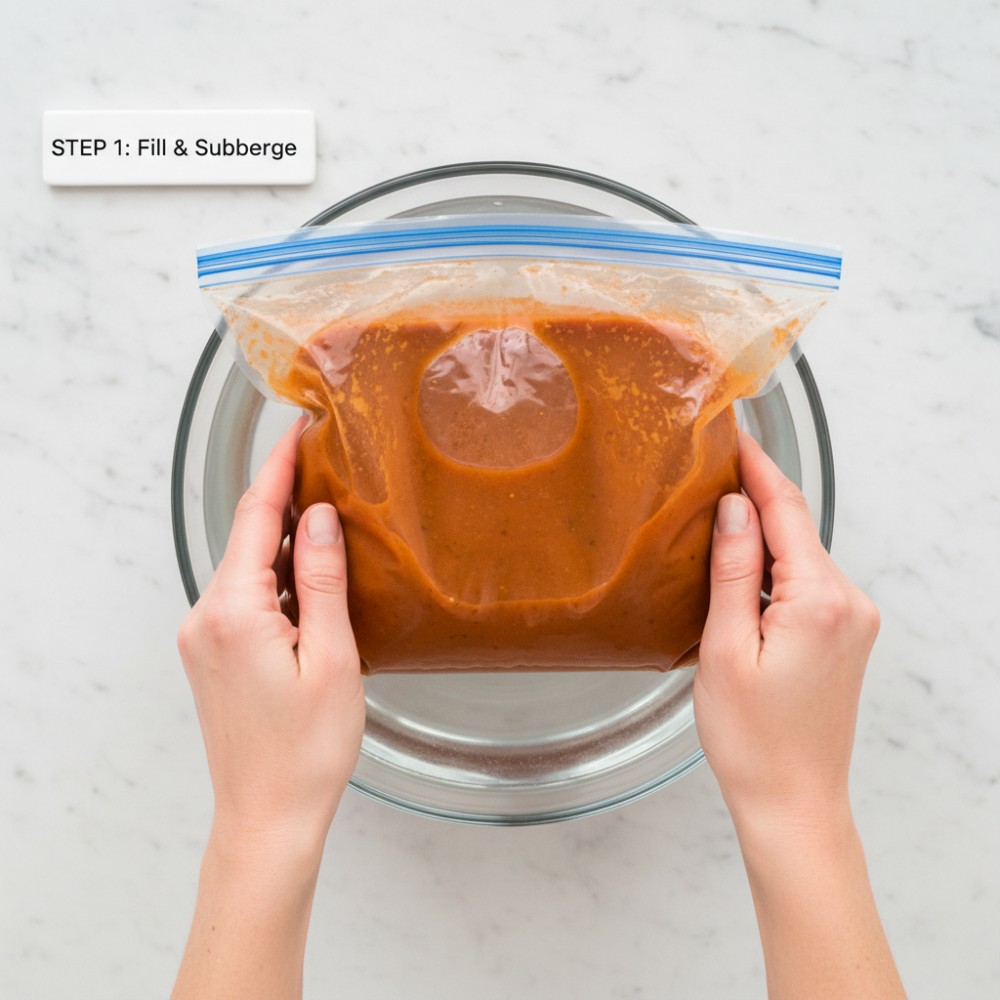
- Water Displacement Method: For liquids, place the filled bag in a bowl of water, allowing the water pressure to push out the air. Seal the bag just before the water reaches the top.
Sealing
Ensure that the freezer bag is properly sealed to create an airtight barrier. Double-check the zipper or slider to make sure it is completely closed. For added security, you can fold over the top of the bag and secure it with a clip or rubber band.
Labeling
Always label your freezer bags with the contents and date. This will help you keep track of what’s in your freezer and ensure that you use the oldest items first. Use a permanent marker to write on the bag or label.
Freezing
Place the filled and labeled freezer bags in a single layer in the freezer. This will allow them to freeze quickly and evenly. Once the food is frozen solid, you can stack the bags to save space.
Preventing Freezer Burn: Expert Tips
Freezer burn is the enemy of frozen food. It occurs when frozen food is exposed to air, causing dehydration and a loss of flavor and texture. Here are some expert tips for preventing freezer burn:
- Use the Right Freezer Bags: As mentioned earlier, freezer bags are thicker and more durable than regular storage bags, providing a better barrier against moisture and air.
- Remove Air: Removing as much air as possible from the freezer bag is crucial for preventing freezer burn.
- Cool Food Completely: Hot food can create condensation, which can lead to ice crystals and freezer burn.
- Wrap Food Tightly: For irregularly shaped items, wrap them tightly in plastic wrap before placing them in a freezer bag.
- Freeze Quickly: The faster food freezes, the smaller the ice crystals that form, which reduces the risk of freezer burn.
- Maintain a Consistent Temperature: Fluctuations in freezer temperature can accelerate freezer burn. Keep your freezer at a consistent temperature of 0°F (-18°C).
- Use Food Within a Reasonable Timeframe: Even with proper storage, frozen food will eventually degrade. Use frozen food within a reasonable timeframe to ensure optimal quality.
Beyond Food Storage: Creative Uses for Freezer Bags
While primarily designed for food storage, freezer bags can be used for a variety of other purposes:
- Travel: Use freezer bags to organize toiletries, medications, and other small items when traveling. They can also be used to protect electronics from water damage.
- Organization: Use freezer bags to organize craft supplies, office supplies, and other small items around the house.
- DIY Projects: Use freezer bags to mix paint, store small parts, and protect surfaces from spills.
- Protecting Valuables: Use freezer bags to protect valuable items such as jewelry, documents, and photographs from moisture and damage.
- Marinating: Freezer bags are excellent for marinating meats and vegetables. The airtight seal helps to infuse the flavors more effectively.
- Icing Injuries: Fill a freezer bag with ice and water to create a convenient and reusable ice pack for treating injuries.
Sustainability and Disposal
While freezer bags are incredibly useful, it’s important to consider their environmental impact. Here are some tips for using freezer bags sustainably:
- Choose Reusable Freezer Bags: Opt for reusable freezer bags made from silicone or other durable materials. These bags can be washed and reused multiple times, reducing waste.
- Reuse When Possible: If you’re using disposable freezer bags, try to reuse them whenever possible. For example, you can reuse a freezer bag that contained dry snacks or vegetables.
- Recycle When Possible: Check with your local recycling program to see if they accept plastic freezer bags. Some programs may accept them along with other plastic films and bags.
- Reduce Consumption: Be mindful of your freezer bag usage and try to minimize waste. Plan your meals carefully and avoid over-portioning food.
Proper disposal of freezer bags is also important. If you cannot recycle them, dispose of them in the trash. Avoid littering or improperly disposing of freezer bags, as they can harm wildlife and pollute the environment.
[IMAGE_PROMPT: A split image showing two options: On one side, a person washing and reusing a silicone freezer bag. On the other side, a person properly disposing of a plastic freezer bag in a designated recycling bin (if applicable in their area) or a trash can.]
Conclusion: Mastering Freezer Bag Efficiency
Freezer bags are an essential tool for modern food storage, offering convenience, cost-effectiveness, and the ability to significantly reduce food waste. By understanding the different types of freezer bags, mastering proper usage techniques, and implementing strategies for preventing freezer burn, you can maximize the benefits of these versatile storage solutions. Remember to consider the environmental impact of your freezer bag usage and opt for sustainable practices whenever possible. Whether you’re meal prepping for the week, preserving seasonal produce, or simply trying to keep your freezer organized, freezer bags are a reliable and efficient way to keep your food fresh and delicious for longer. Incorporating these tips and tricks into your routine will not only save you money and reduce waste but also contribute to a more sustainable and organized kitchen.