In today’s fast-paced world of logistics and warehousing, efficiency is paramount. One key component in achieving optimal operational performance is the proper use of machine stretch film. More than just a wrapping material, machine stretch film is an engineered solution designed to secure and protect palletized goods during storage and transit. Choosing the right type and understanding how to use it effectively can significantly reduce product damage, minimize labor costs, and streamline your entire supply chain.
This comprehensive guide will delve into the intricacies of machine stretch film, covering its various types, applications, benefits, and best practices for implementation. Whether you’re a seasoned warehouse manager or just starting to explore the possibilities, this resource will provide you with the knowledge you need to make informed decisions and optimize your packaging processes.
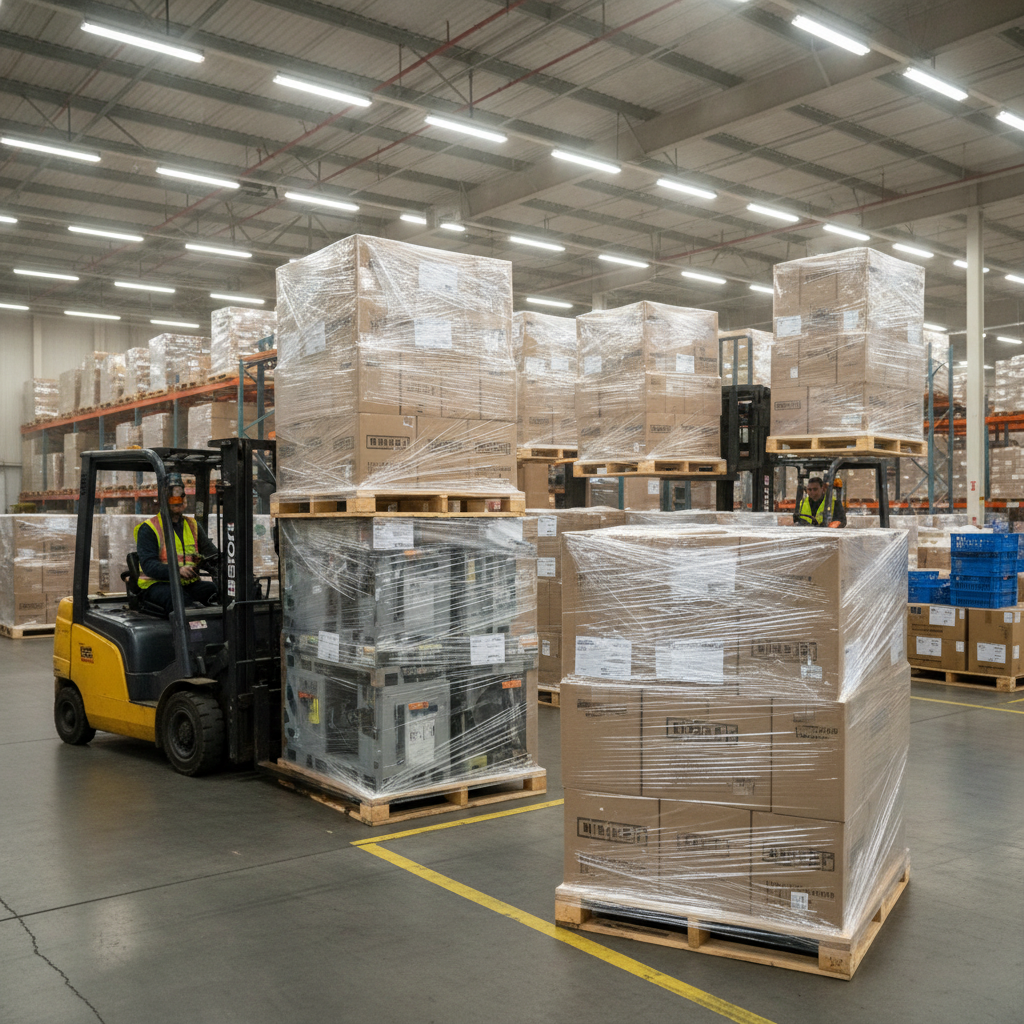
A busy warehouse scene with forklifts moving pallets wrapped in clear machine stretch film. Focus on the film’s clarity and secure hold on the goods.
Understanding Machine Stretch Film
What is Machine Stretch Film?
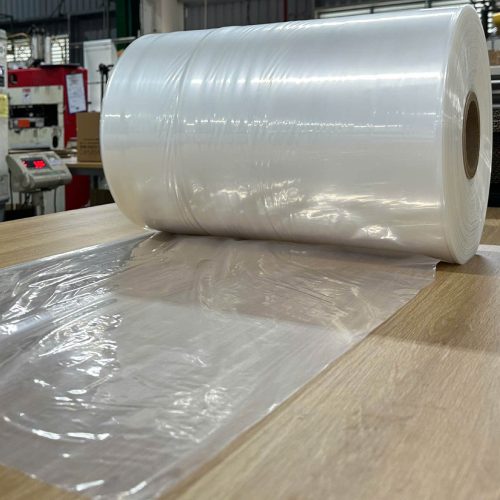
Machine stretch film, also known as pallet wrap, is a highly elastic plastic film used to unitize, bundle, and secure loads. Unlike hand stretch film, which is applied manually, machine stretch film is designed for use with automated or semi-automated wrapping equipment. This allows for faster, more consistent, and more secure wrapping of pallets, leading to increased efficiency and reduced material waste.
Key Differences Between Machine and Hand Stretch Film
- Application: Machine stretch film is applied using a stretch wrapping machine, while hand stretch film is applied manually.
- Gauge (Thickness): Machine stretch film typically comes in heavier gauges than hand stretch film to withstand the higher tension and speeds of wrapping machines.
- Roll Length: Machine stretch film rolls are significantly longer than hand stretch film rolls to minimize changeover time on automated equipment.
- Pre-Stretch Capability: Machine stretch film is often designed with a higher pre-stretch capability, meaning it can be stretched further before breaking, leading to greater film efficiency.
- Cost-Effectiveness: While the initial investment in a stretch wrapping machine may be higher, the increased efficiency and reduced material usage of machine stretch film often result in lower overall costs.
Types of Machine Stretch Film
Cast Machine Stretch Film
Cast stretch film is manufactured using a continuous extrusion process, resulting in a film with excellent clarity, quiet unwind, and consistent cling. It’s a popular choice for general-purpose applications.
- Advantages: High clarity, quiet unwind, good cling, cost-effective.
- Disadvantages: Lower tear resistance compared to blown film.
- Ideal For: Uniform loads, light to medium weight products.
Blown Machine Stretch Film
Blown stretch film is produced by extruding a tube of plastic and then inflating it with air. This process results in a film with higher tear resistance and holding force compared to cast film. It’s well-suited for heavier or irregularly shaped loads.
- Advantages: High tear resistance, strong holding force, good for irregular loads.
- Disadvantages: Lower clarity, noisier unwind, generally more expensive than cast film.
- Ideal For: Heavy loads, irregular shapes, products with sharp edges.
Pre-Stretched Machine Stretch Film
Pre-stretched film is stretched during the manufacturing process, which reduces the amount of tension needed during application. This can lead to significant material savings and reduced operator fatigue.
- Advantages: Reduced film usage, lower tension required, less operator fatigue.
- Disadvantages: May not be suitable for all types of loads, can be more expensive upfront.
- Ideal For: Light to medium weight loads, applications where minimizing film usage is critical.
Colored and Opaque Machine Stretch Film
Colored and opaque stretch films offer enhanced security and concealment of pallet contents. They can also be used for product identification and coding.
- Advantages: Conceals contents, provides product identification, enhances security.
- Disadvantages: Can be more expensive than clear film, may not be recyclable in all areas.
- Ideal For: High-value goods, sensitive products, inventory control.
UV Inhibitor Machine Stretch Film
UV inhibitor stretch film is designed to protect products from the harmful effects of ultraviolet (UV) radiation. This is particularly important for goods stored outdoors or exposed to sunlight for extended periods.
- Advantages: Protects against UV damage, extends shelf life of products stored outdoors.
- Disadvantages: Typically more expensive than standard stretch film.
- Ideal For: Products stored outdoors, goods sensitive to UV radiation.
Benefits of Using Machine Stretch Film
Increased Efficiency
Automated stretch wrapping machines significantly increase wrapping speed compared to manual methods. This translates to faster throughput and reduced labor costs.
Reduced Material Costs
Machine stretch film, especially pre-stretched varieties, allows for greater film elongation, reducing the amount of film needed per pallet. This minimizes material waste and lowers overall packaging costs.
Improved Load Stability
Consistent tension and wrap patterns applied by stretch wrapping machines ensure superior load containment, minimizing the risk of product damage during transit.
Enhanced Product Protection
Machine stretch film protects products from dust, moisture, and other environmental factors, preserving their quality and integrity.
Reduced Labor Costs
Automated wrapping reduces the need for manual labor, freeing up employees for other tasks and lowering labor expenses.
Consistent Wrapping Quality
Machines provide consistent and repeatable wrapping patterns, ensuring that each pallet is wrapped to the same standard.
Choosing the Right Machine Stretch Film
Consider the Load Weight and Dimensions
Heavier loads require thicker gauge film with higher tear resistance. Larger pallets may necessitate wider film rolls.
Evaluate the Load Profile
Irregularly shaped or unstable loads may benefit from blown film, which offers superior holding force.
Assess the Environmental Conditions
If products are stored outdoors, UV inhibitor film is essential. For cold storage environments, consider films formulated to maintain elasticity at low temperatures.
Determine the Desired Level of Security
If concealing the contents of the pallet is important, opt for colored or opaque film.
Calculate the Cost-Effectiveness
Consider the initial cost of the film, the amount of film used per pallet, and the potential for reduced product damage when making your selection. Don’t just focus on the price per roll; evaluate the total cost of ownership.
Best Practices for Using Machine Stretch Film
Proper Machine Setup and Maintenance
Regularly inspect and maintain your stretch wrapping machine to ensure optimal performance. Calibrate the tension settings and replace worn parts as needed.
Correct Film Loading and Threading
Follow the manufacturer’s instructions for loading and threading the film to prevent tearing or jamming.
Optimal Tension Settings
Adjust the tension settings based on the load weight and stability. Too little tension may result in a loose wrap, while too much tension can damage the product.
Proper Overlap and Wrap Patterns
Ensure adequate overlap between film layers to provide sufficient load containment. Experiment with different wrap patterns to find the most effective solution for your specific needs.
Regular Training for Operators
Provide thorough training to operators on proper machine operation, film loading, and troubleshooting techniques.
Troubleshooting Common Issues
Film Tearing
Possible causes include: excessive tension, sharp edges on the load, damaged film, or improper machine setup. Reduce tension, protect sharp edges, inspect film for damage, and ensure proper machine alignment.
Load Shifting
Possible causes include: insufficient tension, inadequate overlap, unstable load, or incorrect wrap pattern. Increase tension, adjust overlap, stabilize the load, and experiment with different wrap patterns.
Machine Jams
Possible causes include: improper film loading, damaged film, or mechanical issues. Reload the film correctly, inspect film for damage, and perform machine maintenance.
Uneven Wrapping
Possible causes include: uneven load distribution, improper machine calibration, or worn machine parts. Distribute the load evenly, calibrate the machine, and replace worn parts.
The Future of Machine Stretch Film
The machine stretch film industry is constantly evolving, with ongoing innovations in film technology and machine design. Expect to see further advancements in:
- Sustainability: Increased use of recycled and biodegradable materials.
- Performance: Development of stronger, thinner films with enhanced pre-stretch capabilities.
- Automation: Integration of advanced sensors and controls for more precise and efficient wrapping.
- Customization: Tailored film solutions designed for specific applications and industries.
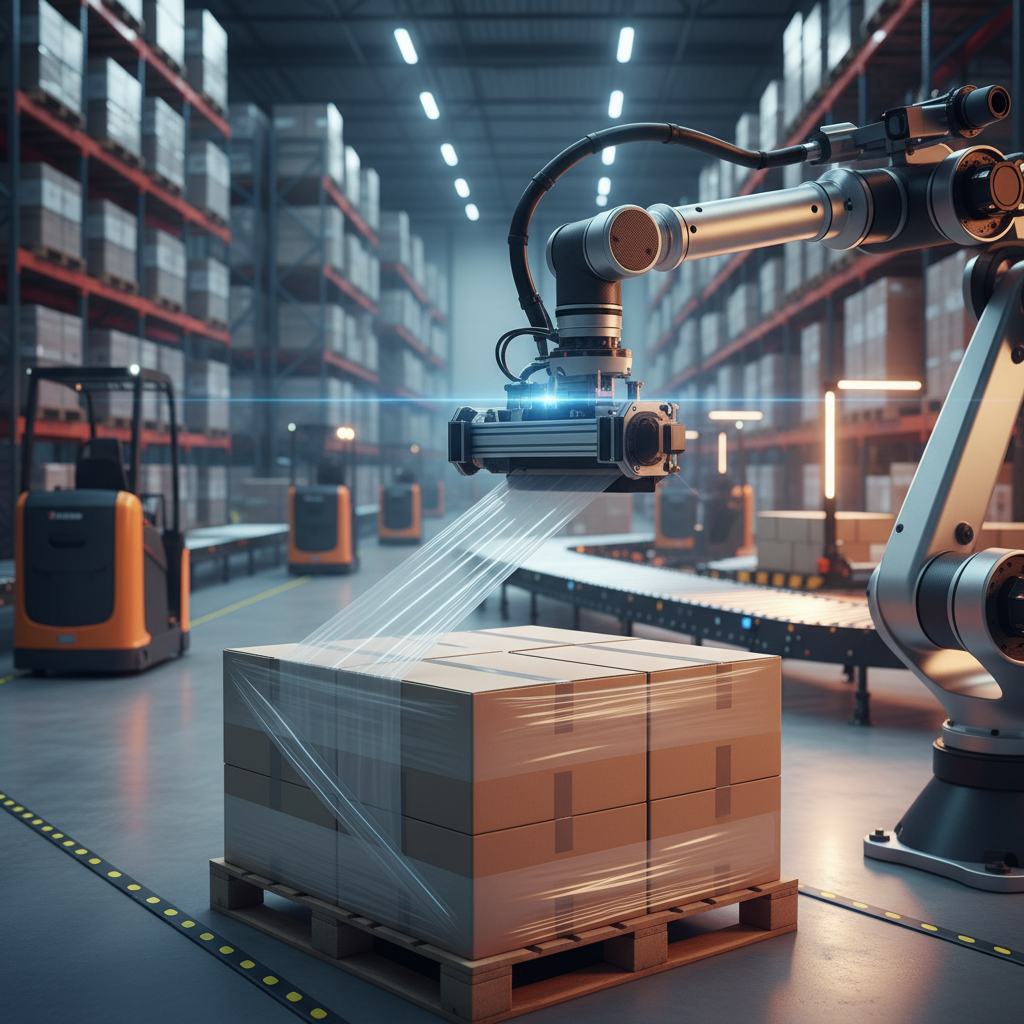
A close-up shot of a robotic arm applying machine stretch film to a pallet in a highly automated warehouse setting. The focus is on the precision and efficiency of the robotic application.
Conclusion
Machine stretch film is an indispensable tool for businesses looking to optimize their packaging processes, reduce costs, and protect their products. By understanding the different types of film available, choosing the right film for your specific needs, and implementing best practices for usage, you can unlock the full potential of this versatile material. As technology continues to advance, machine stretch film will undoubtedly play an even greater role in shaping the future of logistics and supply chain management. Embrace these advancements and stay informed to maintain a competitive edge in today’s dynamic marketplace.