Stretch film, also known as pallet wrap, is an incredibly versatile and essential material used across a wide range of industries for load containment, product protection, and efficient warehousing. This comprehensive guide will delve into the various aspects of stretch film, including its types, applications, benefits, and best practices for achieving optimal performance and cost-effectiveness. Whether you’re a seasoned logistics professional or new to the world of packaging, this article will provide valuable insights to help you make informed decisions about your stretch film needs.
Understanding Stretch Film
What is Stretch Film?
Stretch film is a highly elastic plastic film that is wrapped around items to secure them during transport and storage. Its elastic recovery keeps the items tightly bound, preventing shifting and damage. Unlike shrink wrap, stretch film does not require heat to conform to the load, making it a more energy-efficient and safer option. The primary function of stretch film is to provide load stability, ensuring that goods arrive at their destination in the same condition they left.
Types of Stretch Film
Stretch film comes in various types, each designed for specific applications and performance requirements. Understanding these differences is crucial for selecting the right film for your needs.
- Hand Stretch Film: Designed for manual application, this type of stretch film is typically used for lower-volume operations. It requires a hand-held dispenser for efficient wrapping.
- Machine Stretch Film: Used with automated wrapping machines, this film is designed for high-volume applications. It offers consistent tension and wrap patterns, maximizing efficiency.
- Pre-Stretch Film: This type of stretch film is pre-stretched during the manufacturing process, allowing for greater elongation and reduced film usage. It provides excellent load containment with less material.
- Cast Stretch Film: Produced through a continuous casting process, this film is known for its excellent clarity, quiet unwind, and superior cling.
- Blown Stretch Film: Made using a blown film extrusion process, this film offers higher tensile strength and tear resistance compared to cast film. It’s ideal for demanding applications.
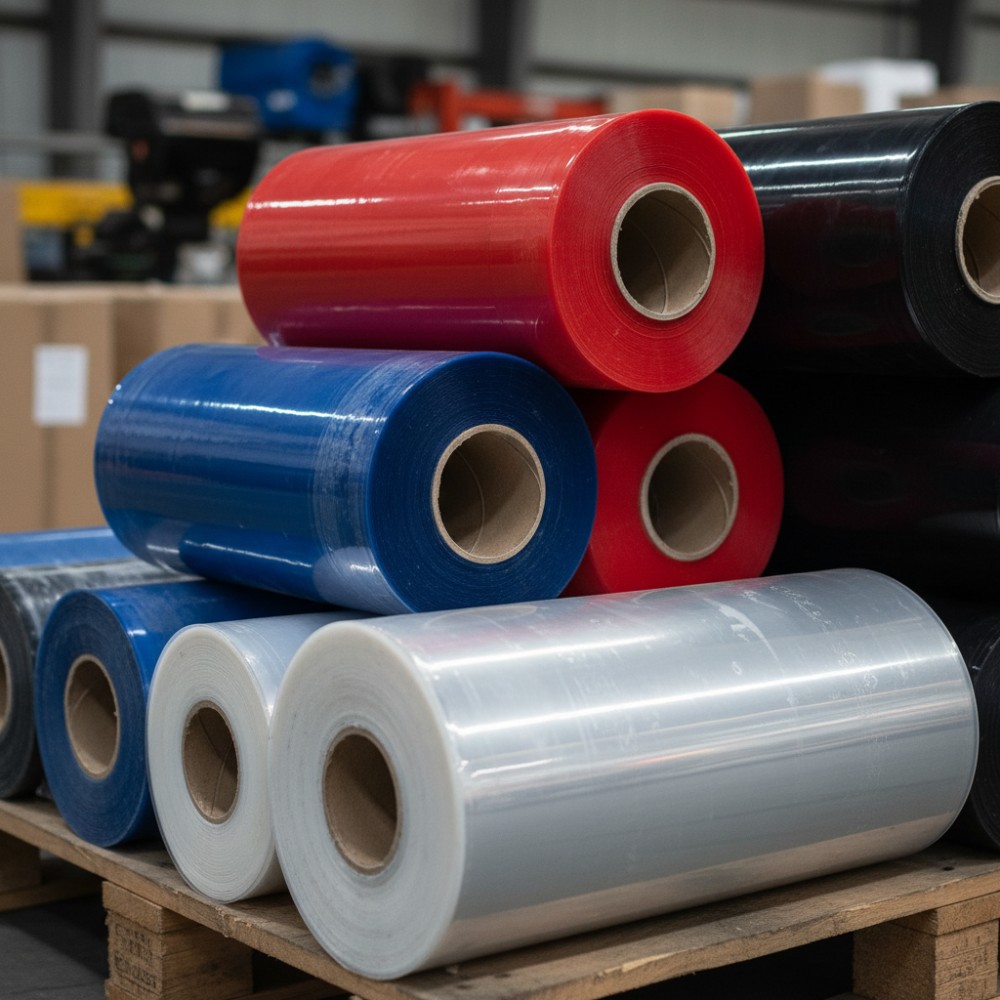
- Colored Stretch Film: Available in various colors, this film can be used for load identification, inventory control, or to conceal the contents of the pallet.
- Opaque Stretch Film: This film completely conceals the contents of the pallet, providing added security and privacy.
- Vented Stretch Film: Designed with perforations to allow airflow, this film is ideal for wrapping products that require ventilation, such as produce or plants.
- Anti-Static Stretch Film: Used for wrapping sensitive electronic components, this film prevents static electricity buildup, protecting the contents from damage.
Applications of Stretch Film
The versatility of stretch film makes it suitable for a wide array of applications across numerous industries:
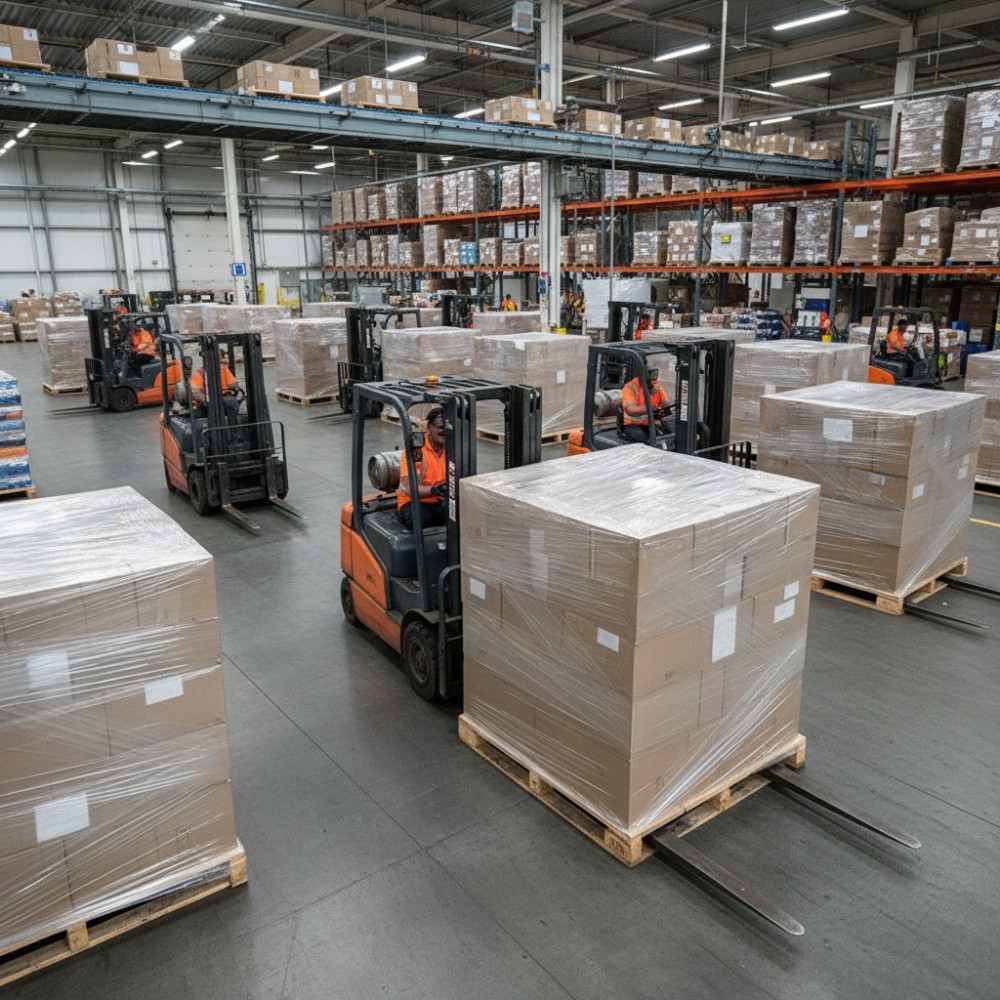
- Pallet Wrapping: The most common application, stretch film secures goods on pallets for safe transportation and storage.
- Bundling: Stretch film can be used to bundle smaller items together, such as pipes, lumber, or printed materials.
- Furniture Wrapping: Protecting furniture from dust, scratches, and moisture during moving or storage.
- Food Packaging: Certain types of stretch film are FDA-approved for direct food contact, making them suitable for wrapping produce, meats, and other food items. Addressing the content gap identified for Berry Global, specific application guides for food packaging are crucial.
- Pharmaceuticals: Ensuring the integrity and security of pharmaceutical products during transit. This also addresses a content gap for Berry Global.
- Luggage Wrapping: Protecting luggage from damage and tampering during air travel.
- Agriculture: Wrapping hay bales and other agricultural products for storage and preservation.
Benefits of Using Stretch Film
Utilizing stretch film offers numerous advantages for businesses of all sizes:
- Load Containment: Secures items together, preventing shifting and damage during transit.
- Product Protection: Shields goods from dust, moisture, and other environmental factors.
- Cost-Effectiveness: Reduces product damage and loss, minimizing overall packaging costs.
- Improved Efficiency: Streamlines the wrapping process, saving time and labor.
- Inventory Control: Colored stretch film can be used to identify and track inventory.
- Security: Opaque stretch film conceals the contents of the pallet, deterring theft.
- Reduced Waste: Pre-stretch film minimizes material usage, reducing waste and environmental impact.
Factors to Consider When Choosing Stretch Film
Selecting the right stretch film for your specific needs requires careful consideration of several factors:
- Load Weight and Dimensions: Heavier and larger loads require stronger and thicker film.
- Load Profile: Irregularly shaped loads may require specialized film or wrapping techniques.
- Transportation Method: The mode of transport (e.g., truck, rail, air) will influence the level of protection required.
- Storage Conditions: Temperature and humidity can affect film performance.
- Application Method: Hand wrapping vs. machine wrapping requires different film types. Addressing the content gap from Alliance Plastics, differentiating between machine-grade and hand-grade film is essential.
- Pre-Stretch Level: The amount of stretch applied to the film will impact its holding force and elongation. This addresses another content gap from Alliance Plastics.
- Film Gauge: The thickness of the film, measured in mils or microns, determines its strength and tear resistance.
- Resin Type: Different resins offer varying levels of strength, clarity, and cling. Addressing a content gap from Paragon Films, explaining resin types is critical.
Best Practices for Using Stretch Film
To maximize the benefits of stretch film, follow these best practices:
- Proper Application Technique: Ensure consistent overlap and tension throughout the wrapping process. Tutorials or videos, as suggested in the Sigma Stretch Film content gap, would be beneficial here.
- Correct Film Gauge: Select the appropriate film thickness for the weight and dimensions of the load. Calculators or tools, as suggested in the Berry Global content gap, could help determine optimal film gauge.
- Adequate Overlap: Overlap each layer of film by at least 50% for optimal load containment.
- Secure the Tail: Secure the end of the film to the pallet to prevent unraveling.
- Proper Storage: Store stretch film in a cool, dry place away from direct sunlight.
- Regular Maintenance: For machine wrapping, ensure regular maintenance and calibration of the equipment.
Addressing Common Stretch Film Challenges
While stretch film is a reliable packaging solution, users may encounter certain challenges. Here’s how to address them:
- Film Breaks: This can be caused by using the wrong film gauge, excessive stretching, or sharp edges on the load. Select a stronger film and ensure proper wrapping technique.
- Load Shifting: This indicates insufficient load containment. Increase the number of wraps or use a higher-performance film.
- Film Tearing: This can be caused by rough handling or sharp objects. Protect the load and handle it with care.
- Poor Cling: This can be due to dust, moisture, or using the wrong type of film. Clean the load and use a film with good cling properties.
The Future of Stretch Film: Sustainability and Innovation
The stretch film industry is constantly evolving, with a growing focus on sustainability and technological advancements. Manufacturers are developing more eco-friendly films using recycled materials and bio-based resins. Nano-layer technology is also being used to create thinner, stronger films with improved performance. Addressing the Berry Global content gap, highlighting sustainable options is important. Furthermore, advancements in machine technology are leading to more efficient and automated wrapping processes.
Cost Savings with Stretch Film
Beyond product protection, using stretch film effectively can lead to significant cost savings. By minimizing product damage, reducing labor costs through efficient wrapping, and optimizing film usage with pre-stretch technology, businesses can improve their bottom line. Case studies demonstrating these cost savings, as mentioned in the Sigma Stretch Film content gap, would be beneficial.
[IMAGE_PROMPT: A side-by-side comparison image showing a poorly wrapped pallet with damaged goods next to a securely wrapped pallet with intact goods. The focus is on highlighting the difference in protection offered by proper stretch film application.]
Conclusion
Stretch film is an indispensable packaging material that plays a crucial role in ensuring the safe and efficient transport and storage of goods. By understanding the different types of stretch film, their applications, and best practices for usage, businesses can optimize their packaging processes, reduce costs, and minimize product damage. As the industry continues to innovate with sustainable materials and advanced technologies, stretch film will remain a vital component of the global supply chain. Remember to consider the specific needs of your products and operations when selecting stretch film to achieve the best possible results. For small to medium-sized businesses (SMBs), understanding these factors is particularly important for maximizing efficiency and minimizing waste, addressing the Sigma Stretch Film content gap.