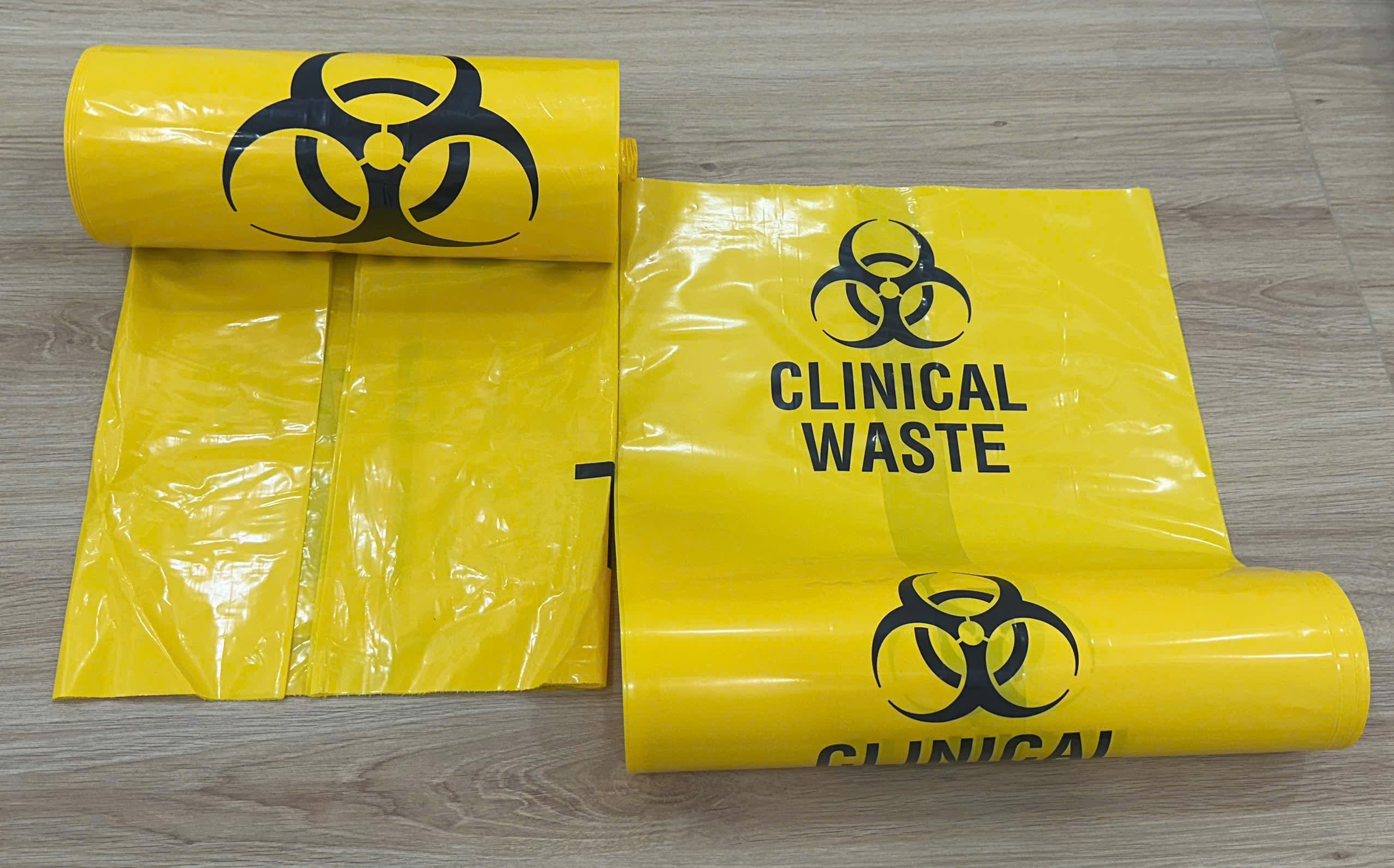
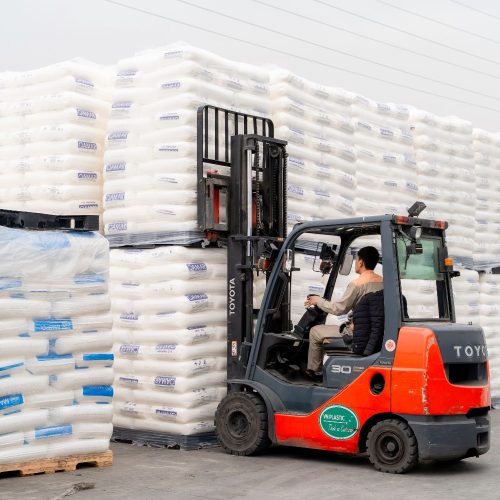
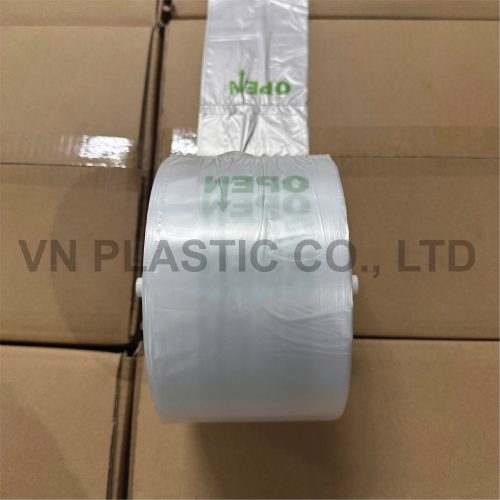
Trash bags, an often overlooked household essential, play a crucial role in maintaining cleanliness and hygiene in our homes, offices, and communities. Choosing the right trash bag can significantly impact your waste disposal experience, preventing messy leaks, frustrating tears, and unpleasant odors. This comprehensive guide will delve into the various types of trash bags available, their features, and how to select the perfect one for your specific needs.

Understanding the Different Types of Trash Bags
The world of trash bags extends far beyond the basic black plastic sack. Understanding the different types available is the first step in making an informed decision. Here’s a breakdown:
1. Kitchen Trash Bags (Tall Kitchen Bags)
These are the most common type of trash bag, designed to fit standard kitchen trash cans. They typically range in size from 13 to 16 gallons and are ideal for everyday household waste. Features to consider include:
- Drawstring vs. Flap Tie: Drawstring closures offer a more secure and convenient way to tie and carry the bag, while flap ties are a more economical option.
- Scented vs. Unscented: Scented bags can help mask unpleasant odors, but some people may find them overpowering or have sensitivities.
- Reinforced Bottoms: Look for bags with reinforced bottoms to prevent leaks and tears, especially if you frequently dispose of heavy or sharp items.
2. Drawstring Trash Bags
Drawstring trash bags are a popular choice due to their ease of use. The drawstring closure allows for a secure and convenient way to tie and lift the bag, minimizing spills and messes. They are available in various sizes and thicknesses, suitable for different types of waste.
3. Recycling Bags
Recycling bags are specifically designed for collecting recyclable materials. They are often blue or clear to easily identify their contents and comply with local recycling regulations. Consider these factors when choosing recycling bags:
- Durability: Recycling bags should be strong enough to withstand the weight of bottles, cans, and paper without tearing.
- Transparency: Clear bags allow recycling collectors to quickly identify the contents and ensure they meet recycling guidelines.
- Size: Choose a size that fits your recycling bin and accommodates your recycling volume.
4. Compostable Trash Bags
For environmentally conscious consumers, compostable trash bags offer a sustainable alternative to traditional plastic bags. These bags are made from plant-based materials and are designed to break down in a compost environment. Key considerations include:
- Certification: Look for bags that are certified by reputable organizations like the Biodegradable Products Institute (BPI) to ensure they meet composting standards.
- Thickness: Choose a thickness that is appropriate for the type of compostable waste you will be disposing of.
- Storage: Store compostable bags in a cool, dry place to prevent premature degradation.
5. Heavy-Duty Trash Bags
When dealing with heavy or bulky waste, such as construction debris, yard waste, or sharp objects, heavy-duty trash bags are essential. These bags are made from thicker plastic and are designed to withstand greater stress and prevent punctures. Features to look for include:
- Mil Thickness: Mil thickness refers to the thickness of the plastic. Higher mil thickness indicates a stronger and more durable bag.
- Puncture Resistance: Look for bags that are specifically designed to resist punctures from sharp objects.
- Load Capacity: Check the bag’s load capacity to ensure it can handle the weight of your waste.
6. Small Trash Bags
These are ideal for bathrooms, offices, or cars. They typically range in size from 4 to 8 gallons and are perfect for light-duty waste disposal.
Choosing the Right Size and Thickness
Selecting the appropriate size and thickness of your trash bag is crucial for preventing leaks, tears, and unnecessary waste. Here’s a guide:
Size
Measure the height and diameter of your trash can to determine the appropriate bag size. The bag should be large enough to fit comfortably inside the can with enough overhang to secure it around the rim. A general rule of thumb is to add 4 inches to the can’s height and 2 inches to its diameter to determine the minimum bag size.
Thickness (Mil)
The thickness of a trash bag is measured in mils (thousandths of an inch). The higher the mil number, the thicker and stronger the bag. Here’s a general guideline:
- 0.7 – 0.9 mil: Light-duty bags for paper and other lightweight waste.
- 1.0 – 1.2 mil: Medium-duty bags for kitchen waste and general household use.
- 1.5 – 2.0 mil: Heavy-duty bags for construction debris, yard waste, and sharp objects.
- 3.0 mil and above: Extra-heavy-duty bags for industrial applications and extremely heavy or sharp waste.
Material Matters: Plastic vs. Sustainable Options
Trash bags are primarily made from plastic, but there are also sustainable alternatives available. Here’s a comparison:
Plastic Trash Bags
Traditional plastic trash bags are made from polyethylene (PE) or polypropylene (PP). These materials are durable, water-resistant, and relatively inexpensive. However, they are also non-biodegradable and can contribute to plastic pollution.
Sustainable Trash Bags
Sustainable trash bags are made from renewable resources and are designed to break down in a compost environment. Common materials include:
- Plant-Based Plastics: Made from corn starch, sugarcane, or other plant-based materials.
- Paper: Paper trash bags are biodegradable and compostable but may not be as durable or water-resistant as plastic bags.
Choosing sustainable trash bags can help reduce your environmental impact, but it’s important to consider their limitations and ensure they are appropriate for your specific needs.
Key Features to Consider
Beyond size, thickness, and material, several other features can enhance the performance and convenience of your trash bags:
- Drawstring Closure: Provides a secure and convenient way to tie and carry the bag.
- Flap Tie: A more economical closure option, but may not be as secure as a drawstring.
- Scented: Helps mask unpleasant odors.
- Reinforced Bottom: Prevents leaks and tears.
- Puncture Resistance: Protects against sharp objects.
- Leak Protection: Ensures liquids don’t seep through.
- Stretch Resistance: Prevents the bag from tearing under pressure.
- Odor Control: Incorporates odor-absorbing technology.

Brand Spotlight: Comparing Popular Trash Bag Brands
The trash bag market is dominated by several well-known brands, each offering a range of products with varying features and price points. Here’s a brief comparison:
- Glad: Known for its innovative features like ForceFlex technology and odor-shielding capabilities. Glad offers a wide range of trash bags for various needs, including kitchen, recycling, and heavy-duty applications.
- Hefty: Renowned for its durability and strength, Hefty trash bags are a popular choice for heavy-duty waste disposal. Hefty also offers scented bags and bags with drawstring closures.
- Amazon Basics: A budget-friendly option that provides reliable performance for everyday household waste. Amazon Basics trash bags are available in various sizes and thicknesses.
- Target (Up & Up): Target’s Up & Up brand offers a balance of quality and affordability. Their trash bags are available in various sizes and feature drawstring closures and reinforced bottoms.
Content Gaps Addressed:
Glad: While Glad.com offers product information, it lacks a detailed comparison of different Glad trash bag lines (e.g., ForceFlex vs. Quick-Tie) focusing on specific use cases and durability tests. Furthermore, the website could address concerns about plastic waste and Glad’s sustainability initiatives more transparently and comprehensively. Finally, DIY projects and creative uses for trash bags beyond waste disposal, such as storage or organization hacks, are missing.
Hefty: Hefty.com could benefit from in-depth guides on choosing the right trash bag size and thickness for different types of waste (e.g., construction debris, yard waste). More user-generated content, such as reviews with photos and videos, showcasing real-world performance would improve trust. Content targeting specific demographics or lifestyles, like families with young children or pet owners, and their unique trash disposal needs would be valuable.
Amazon Basics Trash Bags: Amazon Basics Trash Bags could offer more detailed specifications and material information compared to branded bags, focusing on benefits versus drawbacks. Troubleshooting guides to address common trash bag problems, such as leaks and tears, and prevention tips would be helpful. Content addressing concerns of consumers related to quality or durability compared to other brands, with clear explanation of testing and quality assurance procedures is needed.
Target (Up & Up Trash Bags): Target could offer a comparative analysis of Up & Up trash bags against leading brands, emphasizing value for money. Content highlighting eco-friendly aspects, such as recycled content or biodegradable options, with certifications and sourcing details is missing. Interactive tools, like a trash bag size calculator, to help customers determine the optimal bag for their needs would be beneficial.
Tips for Proper Trash Bag Usage
To maximize the lifespan and effectiveness of your trash bags, follow these tips:
- Don’t Overfill: Overfilling can cause the bag to tear or leak.
- Avoid Sharp Objects: Wrap sharp objects in newspaper or cardboard before disposing of them.
- Double Bag: For particularly messy or odorous waste, double bag it for extra protection.
- Store Properly: Store trash bags in a cool, dry place to prevent degradation.
- Dispose Responsibly: Dispose of trash bags in designated trash receptacles.
The Future of Trash Bags: Sustainability and Innovation
The trash bag industry is constantly evolving, with a growing focus on sustainability and innovation. Expect to see more compostable and biodegradable options, as well as bags made from recycled materials. Future innovations may also include smart trash bags that can automatically compact waste and alert you when they need to be emptied.
[IMAGE_PROMPT: A conceptual image of a futuristic “smart” trash can with a screen displaying waste levels and recycling information, highlighting technological advancements in waste management.]
Conclusion: Choosing the Right Trash Bag for a Cleaner, More Sustainable Future
Choosing the right trash bag is essential for maintaining cleanliness, preventing messes, and minimizing your environmental impact. By understanding the different types of trash bags available, their features, and how to use them properly, you can make an informed decision that meets your specific needs. Whether you prioritize durability, convenience, or sustainability, there’s a trash bag out there that’s perfect for you. Embrace the power of the humble trash bag and contribute to a cleaner, more sustainable future.