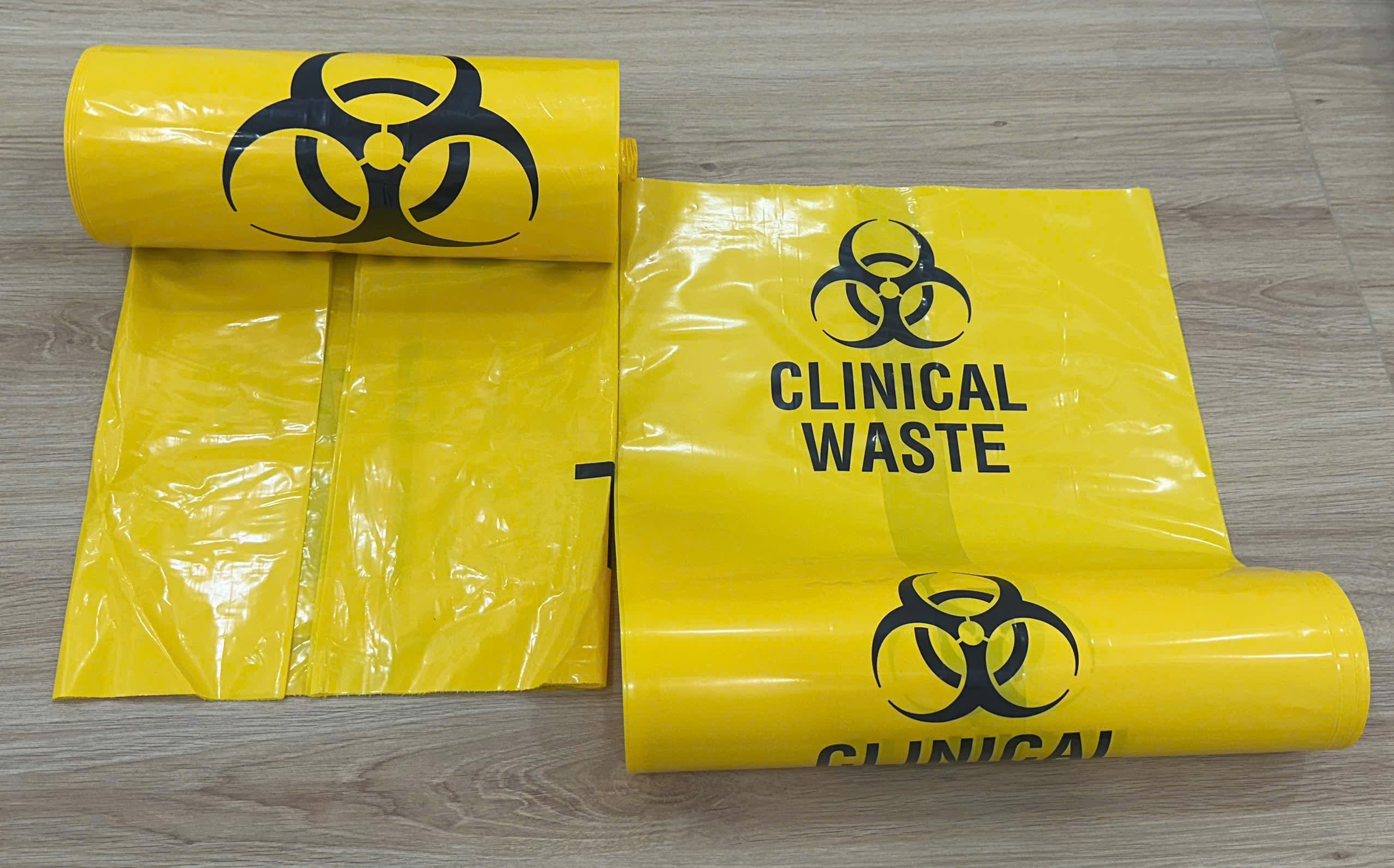
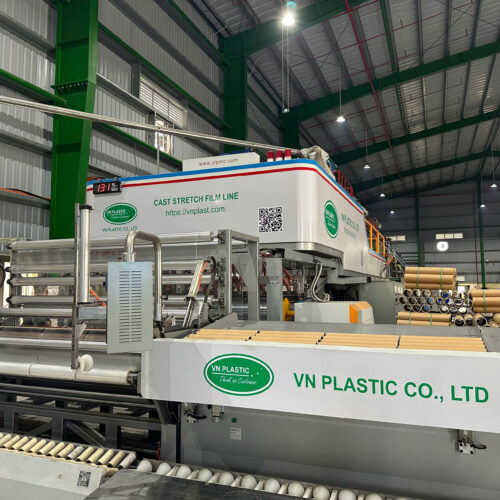
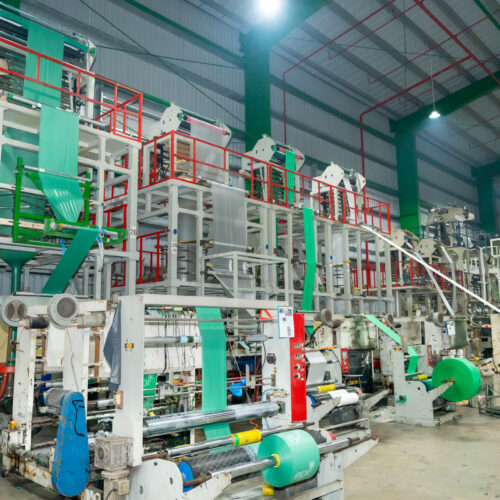
Hazardous plastic waste regulations define how plastic products that pose health or environmental risks must be handled, stored, transported, and disposed of. In Vietnam and many other jurisdictions, these rules apply to items such as hazardous plastic garbage bags, refuse sack plastic bags, and specialized hand stretch film. Compliance protects workers, prevents soil and water contamination, and avoids costly fines. This article explains the legal framework, practical steps for VNPLAST’s product lines, and the decision factors you need to meet the latest hazardous plastic waste regulations efficiently.
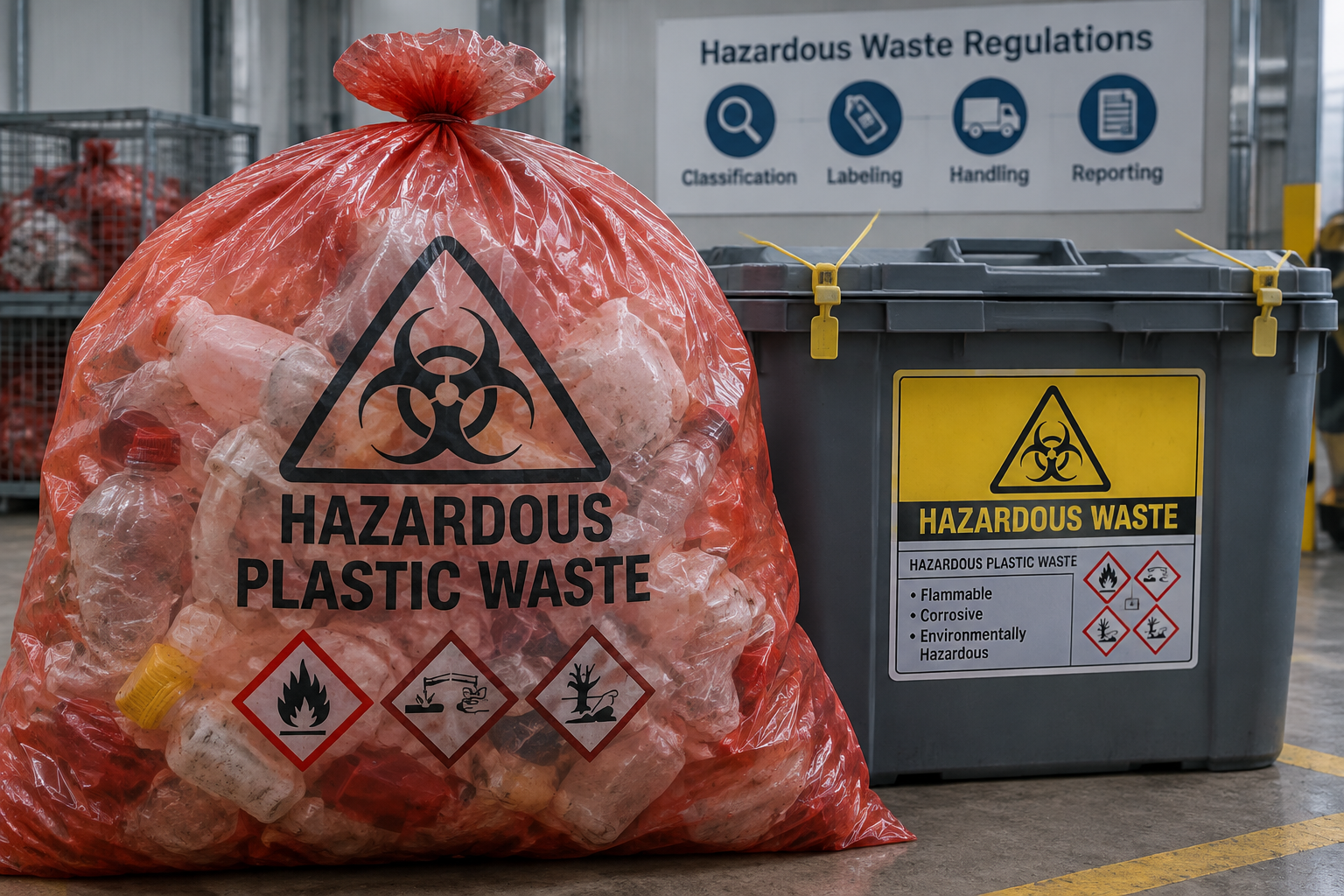
A close‑up view of a hazardous plastic garbage bag with warning symbols, stacked beside a sealed container marked “hazardous waste”, in a r…
What Are the Core Elements of Hazardous Plastic Waste Regulations?
Regulators focus on four pillars: classification, labeling, handling, and reporting. Understanding each pillar helps you align your plastic bag, die‑cut bag, and food‑grade plastic products with the law.
1. Classification of Hazardous Plastic Waste
- Identify plastic waste that contains toxic additives, heavy metals, or residues from chemicals.
- Reference national standards (e.g., Vietnam’s Circular Economy Decree) and international codes such as the UN Globally Harmonized System (GHS).
- Use material safety data sheets (MSDS) for each product line (e.g., Hand Stretch Film, Block Header Plastic Bag).
2. Mandatory Labeling and Packaging
- Apply GHS hazard pictograms, signal words, and precautionary statements on all containers.
- Ensure labels remain legible after exposure to sunlight, oil, or mechanical stress.
- Separate hazardous plastic waste from recyclable streams using color‑coded bins.
3. Safe Handling and Storage Requirements
- Store waste in sealed, corrosion‑resistant drums or containers with secondary containment.
- Maintain a minimum distance of 3 meters from food‑processing areas and water sources.
- Train personnel on PPE use, spill response, and emergency evacuation.
4. Reporting, Documentation, and Auditing
- Submit quarterly waste‑generation reports to the Ministry of Natural Resources and Environment.
- Keep a traceable chain‑of‑custody record from production to final disposal.
- Prepare for third‑party audits by retaining MSDS, transport manifests, and disposal certificates.
International vs. National Regulatory Landscape
While Vietnam follows the EU‑aligned Waste Management Law, many manufacturers also export to regions with stricter rules, such as the EU’s REACH and the U.S. EPA’s Toxic Substances Control Act (TSCA). Below is a quick comparison:
- Vietnam: Focus on classification, labeling, and local disposal facilities; penalties up to 5 % of annual turnover.
- European Union: Requires extended producer responsibility (EPR) and mandatory take‑back schemes for plastic packaging.
- United States: Emphasizes hazardous waste permits and state‑level reporting (e.g., California’s DTSC).
Compliance Checklist for VNPLAST Product Lines
Use this checklist to verify that each product meets the relevant hazardous plastic waste regulations before it leaves the factory.
- Identify hazardous components: Verify if the plastic bag, die‑cut bag, or hand stretch film contains additives such as phthalates, BPA, or flame retardants.
- Update safety data sheets: Ensure MSDS reflect the latest composition and handling instructions.
- Label correctly: Apply GHS symbols, hazard statements, and batch numbers on every container.
- Segregate waste streams: Use dedicated “hazardous plastic waste” bins for each product line.
- Secure storage: Store waste in approved drums with secondary containment and ventilation.
- Train staff: Conduct quarterly training on PPE, spill response, and emergency contacts.
- Document disposal: Record transporter details, disposal method (e.g., licensed incineration), and certificate of destruction.
- Report to authorities: Submit the required quarterly report through the online portal of the Ministry of Natural Resources and Environment.
Real‑World Impact on VNPLAST’s Core Products
Below are practical examples of how the regulations affect the most common VNPLAST items.
- Plastic Bag & Recycle Plastic Bag: Must be free of prohibited additives if marketed as recyclable; otherwise, they fall under hazardous waste rules.
- Hand Stretch Film: Often contains plasticizers; requires labeling and separate disposal from non‑hazardous film.
- Die Cut Bag Plastic: If used for chemical storage, the bag’s composition dictates the classification level.
- Food Plastic Bag: Must meet both food‑contact safety standards and hazardous waste regulations when contaminated with chemicals.
- Hazardous Plastic Garbage & Refuse Sack Plastic Bag: Directly subject to hazardous waste handling, including sealed transport and licensed incineration.
How to Build a Sustainable Waste Management Plan
Implementing a robust plan reduces regulatory risk and can lower disposal costs.
Step 1: Conduct a Waste Audit
Map every stage of production, from raw‑material receipt to finished‑goods shipping, and quantify the volume of hazardous plastic waste generated.
Step 2: Choose an Authorized Waste Processor
Select a licensed facility that offers thermal recovery or high‑temperature incineration with energy recovery, ensuring compliance with local emission limits.
Step 3: Integrate Closed‑Loop Recycling
Where feasible, work with recyclers that can safely process contaminated plastic into secondary raw material, reducing the amount sent to landfill.
Step 4: Monitor and Review
Use a digital dashboard to track waste volumes, compliance dates, and audit findings. Adjust the plan annually based on regulatory updates.
Cost Considerations and Return on Investment
While compliance introduces upfront expenses—labeling equipment, training, and waste‑processing fees—many companies realize long‑term savings through reduced fines, lower insurance premiums, and the ability to market “environmentally compliant” products.
- Initial labeling system: $8,000–$12,000 for printers and GHS label stock.
- Training program: $2,500 per session; recommended quarterly.
- Licensed disposal fees: $45–$70 per ton of hazardous plastic waste, depending on the processor.
- Potential savings: Up to 15 % reduction in waste‑disposal costs when a closed‑loop recycler is engaged.
Common Pitfalls and How to Avoid Them
- Assuming all plastic bags are non‑hazardous: Conduct a chemical composition review for each new product.
- Neglecting secondary containment: A single container breach can trigger a major compliance breach.
- Missing quarterly reports: Set automated reminders in your ERP system.
- Using unapproved transporters: Verify that carriers hold a hazardous waste transport permit.
Conclusion
Adhering to hazardous plastic waste regulations is not optional for VNPLAST’s product portfolio. By classifying waste accurately, labeling every container, storing materials safely, and maintaining meticulous documentation, manufacturers can protect the environment, safeguard workers, and avoid costly penalties. Use the checklist and waste‑management steps above to build a compliant, cost‑effective system that supports both local and international market requirements.
FAQ
What defines “hazardous plastic waste” under Vietnamese law?
Any plastic material that contains toxic additives, chemical residues, or is used to store hazardous substances. The waste must be classified according to the GHS criteria and reported to the Ministry of Natural Resources and Environment.
Do recyclable plastic bags still need to follow hazardous waste regulations?
Yes, if the bags contain prohibited additives or become contaminated with hazardous chemicals during use. Clean, additive‑free bags may be treated as ordinary recyclable waste.
How often must I submit waste‑generation reports?
Reports are required quarterly through the official online portal. Late submissions can result in fines up to 5 % of annual turnover.
Can I use a third‑party logistics provider for hazardous plastic waste transport?
Only if the provider holds a valid hazardous waste transport permit and can provide a chain‑of‑custody manifest for each shipment.
What are the penalties for non‑compliance?
Penalties range from administrative fines (VND 50 million–200 million) to suspension of production licenses, depending on the severity and frequency of violations.