In the fast-paced world of shipping, warehousing, and logistics, the unsung hero ensuring the safe and secure transport of goods is often overlooked: stretch film. This seemingly simple plastic wrap is a powerhouse of protection, offering a cost-effective and efficient way to unitize, protect, and stabilize products of all shapes and sizes. From securing pallets of goods for cross-country transport to bundling smaller items for retail display, stretch film plays a vital role in maintaining the integrity of your valuable inventory. This comprehensive guide delves deep into the world of stretch film, exploring its various types, applications, benefits, and best practices for optimal usage.

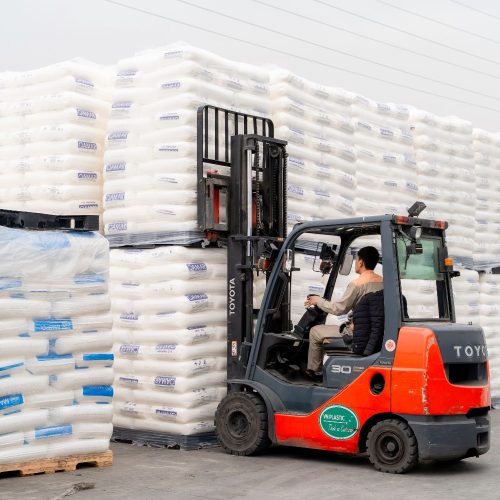
A vibrant, eye-level shot of a diverse range of products being expertly wrapped with clear stretch film on a busy warehouse floor. Pallets are neatly stacked in the background, and workers are actively using both hand-held dispensers and automated wrapping machines. Focus on the secure and uniform wrapping of the products.
Understanding Stretch Film
What is Stretch Film?
Stretch film, also known as pallet wrap or stretch wrap, is a highly elastic plastic film primarily made from linear low-density polyethylene (LLDPE). Its defining characteristic is its ability to be stretched and tightly wrapped around items, providing a secure and conforming layer of protection. The film’s elastic recovery properties maintain tension, keeping the load secure and preventing shifting during handling and transit.
The Manufacturing Process
The creation of stretch film involves a sophisticated extrusion process. LLDPE resin is melted and forced through a die to create a thin film. This film is then cooled and stretched to enhance its strength, elasticity, and clarity. Different manufacturing techniques, such as cast extrusion and blown film extrusion, result in variations in film properties and performance characteristics.
Types of Stretch Film
Choosing the right type of stretch film is crucial for ensuring optimal performance and cost-effectiveness. Here’s an overview of the most common types:
- Cast Stretch Film: Known for its excellent clarity, quiet unwind, and two-sided cling, cast stretch film is a popular choice for general-purpose applications. It’s ideal for wrapping uniform loads and offers consistent performance.
- Blown Stretch Film: This type of film boasts superior strength, tear resistance, and holding force compared to cast film. Blown stretch film is well-suited for securing heavier, irregularly shaped loads that require greater puncture resistance. It typically has a noisier unwind.
- Pre-Stretched Film: Pre-stretched film is stretched during the manufacturing process, reducing the amount of tension required during application. This results in less film usage, lower costs, and reduced operator fatigue.
- Colored Stretch Film: Available in a variety of colors, colored stretch film is used for load identification, inventory control, and concealing the contents of shipments.
- UV Stretch Film: Formulated with UV inhibitors, this type of film protects products from the harmful effects of sunlight during outdoor storage or transportation.
- Anti-Static Stretch Film: Designed to dissipate static electricity, anti-static stretch film is essential for wrapping electronic components and other sensitive materials.
Applications of Stretch Film
The versatility of stretch film makes it an indispensable tool across a wide range of industries and applications:
- Pallet Wrapping: Securing goods on pallets for safe and efficient transportation.
- Load Stabilization: Preventing products from shifting or falling during handling and storage.
- Product Protection: Shielding items from dust, dirt, moisture, and other environmental factors.
- Bundling: Grouping multiple items together for easier handling and inventory management.
- Tamper Evidence: Providing a visual indication if a package has been opened or tampered with.
- Retail Display: Securing products for attractive and secure retail presentation.
Benefits of Using Stretch Film
The advantages of using stretch film are numerous, contributing to significant cost savings, improved efficiency, and enhanced product protection:
- Cost-Effectiveness: Stretch film is a relatively inexpensive packaging material compared to alternatives like strapping or shrink wrap.
- Load Stability: Provides superior load containment, minimizing the risk of damage during transit.
- Product Protection: Shields products from environmental elements and potential damage.
- Ease of Use: Stretch film is easy to apply, either manually or with automated equipment.
- Versatility: Suitable for a wide range of products and applications.
- Improved Efficiency: Streamlines the packaging and shipping process, saving time and labor costs.
Factors to Consider When Choosing Stretch Film
Selecting the right stretch film requires careful consideration of several factors to ensure optimal performance and cost-effectiveness:
- Load Weight and Dimensions: Determine the weight and dimensions of the loads you will be wrapping to select a film with adequate strength and holding force.
- Load Profile: Consider the shape and stability of the load. Irregularly shaped or unstable loads may require a higher gauge film or specialized wrapping techniques.
- Transportation Conditions: Assess the transportation environment, including the distance, handling frequency, and potential exposure to extreme temperatures or humidity.
- Application Method: Choose a film that is compatible with your application method, whether manual wrapping or automated equipment.
- Budget: Balance performance requirements with cost considerations to select a film that meets your needs without exceeding your budget.
Best Practices for Using Stretch Film
Following these best practices will help you maximize the benefits of stretch film and ensure optimal load containment:
- Proper Film Tension: Apply the correct amount of tension to ensure a secure and stable load. Over-stretching can weaken the film, while under-stretching can result in loose wrapping.
- Overlap: Overlap each layer of film by at least 50% to provide adequate coverage and strength.
- Reinforce Corners and Edges: Pay special attention to corners and edges, which are more susceptible to damage. Reinforce these areas with extra layers of film.
- Consistent Wrapping Pattern: Use a consistent wrapping pattern to ensure uniform coverage and load stability.
- Regular Equipment Maintenance: If using automated wrapping equipment, perform regular maintenance to ensure optimal performance and prevent film breaks.
- Proper Storage: Store stretch film in a cool, dry place away from direct sunlight and extreme temperatures.
The Future of Stretch Film
The stretch film industry is constantly evolving, with ongoing innovations focused on improving performance, sustainability, and cost-effectiveness. Key trends include the development of thinner, stronger films, the incorporation of recycled content, and the adoption of more sustainable manufacturing processes. As businesses increasingly prioritize environmental responsibility, expect to see a growing demand for eco-friendly stretch film options.

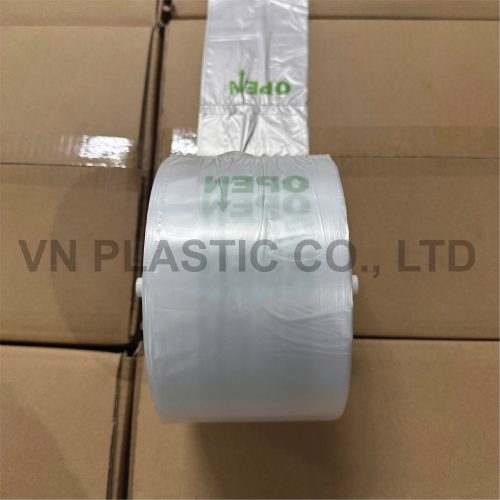
A close-up, high-resolution shot showcasing the texture and elasticity of a high-performance stretch film. The film is being stretched taut, highlighting its ability to conform to different shapes. The background is blurred to emphasize the film’s properties. Consider adding a subtle watermark or logo to the image.
Conclusion
Stretch film is an indispensable packaging material that plays a critical role in ensuring the safe and efficient transport of goods. By understanding the different types of stretch film, their applications, and best practices for usage, businesses can optimize their packaging processes, reduce costs, and minimize the risk of product damage. As the industry continues to innovate, stretch film will remain a vital component of the global supply chain, providing a reliable and cost-effective solution for load containment and product protection.
{
“@context”: “https://schema.org/”,
“@type”: “Article”,
“headline”: “Unlocking the Power of Stretch Film: A Comprehensive Guide”,
“description”: “A comprehensive guide to stretch film, exploring its types, applications, benefits, and best practices.”,
“image”: [
“image1.jpg”,
“image2.jpg”
],
“author”: {
“@type”: “Organization”,
“name”: “Packaging Solutions Inc.”
},
“publisher”: {
“@type”: “Organization”,
“name”: “Packaging Solutions Inc.”,
“logo”: {
“@type”: “ImageObject”,
“url”: “logo.jpg”
}
},
“datePublished”: “2024-01-26”,
“dateModified”: “2024-01-26”
}