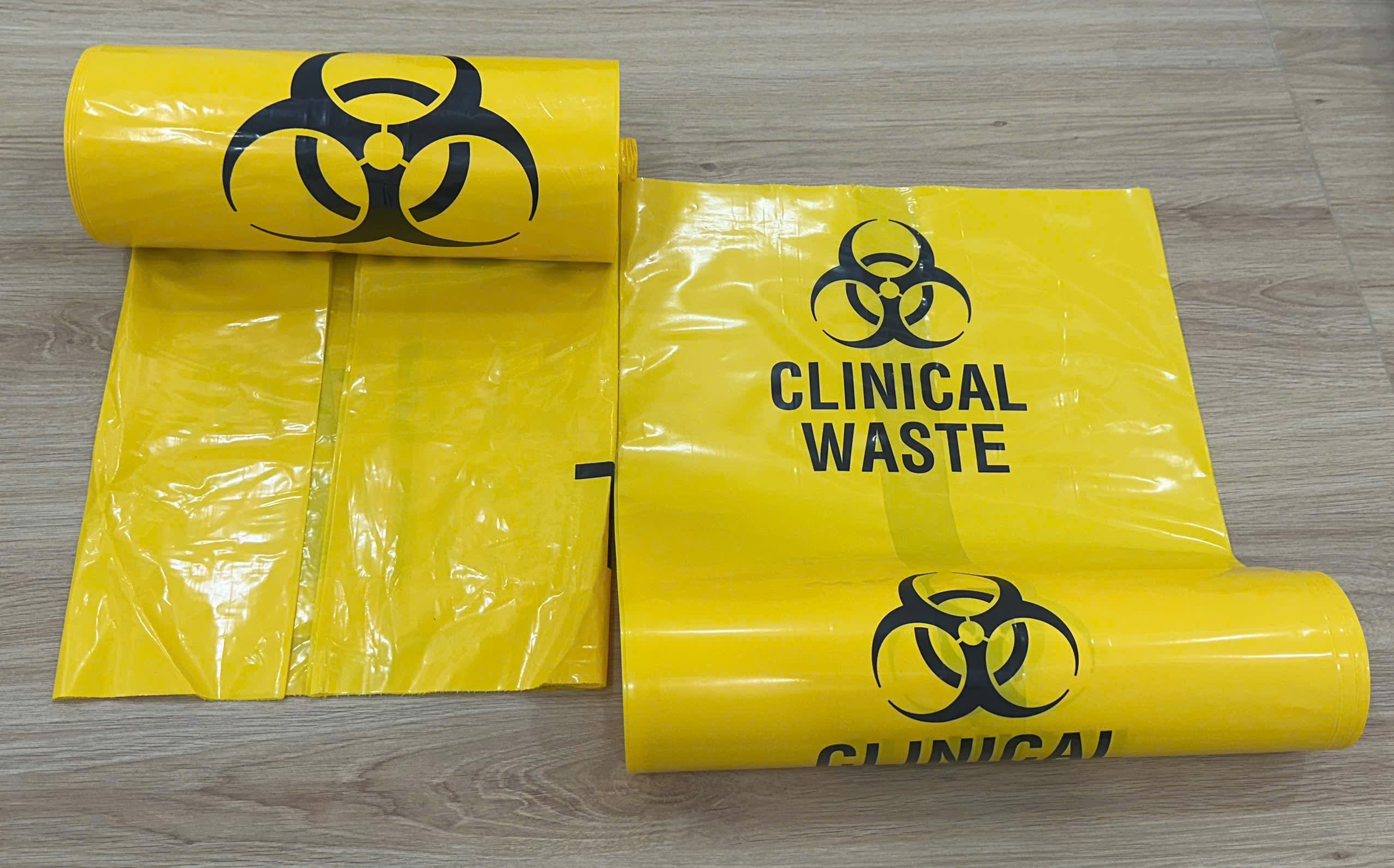
In a world where waste management is a constant, often demanding task, the humble trash bag plays a pivotal role. Yet, not all trash bags are created equal. For tasks that involve sharp objects, heavy loads, or simply a desire for uncompromising reliability, standard bags often fall short, leading to frustrating spills, tears, and messes. This is precisely where heavy duty trash bags step in, offering a robust solution designed to handle the toughest refuse with ease and confidence. These specialized bags are engineered for superior strength, puncture resistance, and load-bearing capacity, making them an indispensable asset in homes, businesses, construction sites, and industrial settings alike. Understanding their unique properties and myriad applications is key to selecting the right product for your specific needs, ensuring your waste disposal is not just efficient, but also worry-free.
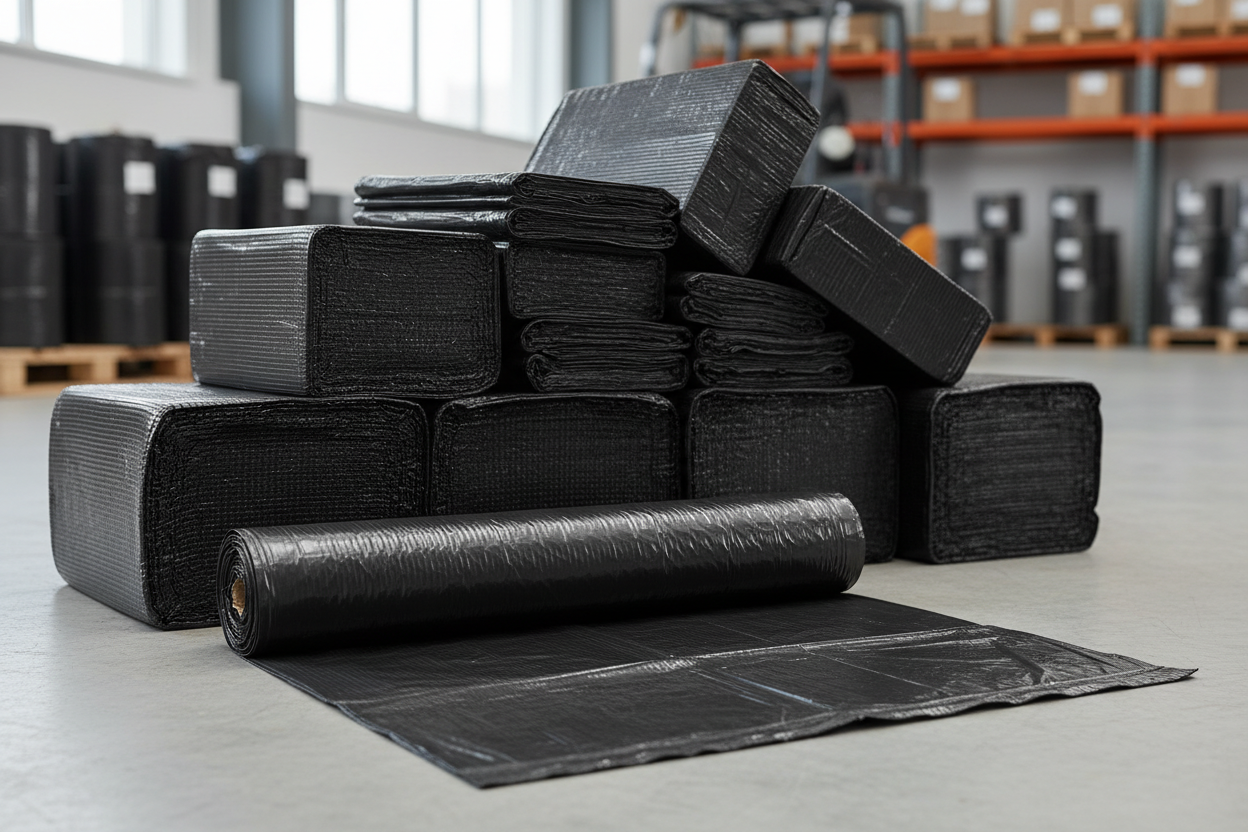
A neatly stacked pile of various sizes of heavy duty black trash bags, with one bag partially unrolled to showcase its thick, durable mater…
Why Choose Heavy Duty Trash Bags? The Benefits of Unmatched Durability
The decision to invest in heavy duty trash bags goes beyond mere waste containment; it’s about peace of mind and operational efficiency. The benefits they offer are substantial, addressing common frustrations associated with weaker alternatives.
- Superior Puncture Resistance: Unlike standard bags, heavy duty variants are specifically designed to resist tears and punctures from sharp objects such as broken glass, jagged metal, thorny branches, or construction debris. This resilience prevents hazardous spills and keeps waste securely contained.
- Exceptional Load-Bearing Capacity: Whether you’re disposing of dense yard waste, heavy renovation materials, or large volumes of general trash, these bags are built to handle significant weight without tearing or stretching. Their robust construction ensures they can be filled to capacity without concern.
- Enhanced Tear Strength: The material composition and manufacturing processes of heavy duty trash bags result in superior tear strength, meaning they can withstand pulling, stretching, and rough handling without compromising their integrity.
- Odor Containment: Thicker materials inherently provide a better barrier against odors, making them ideal for disposing of strong-smelling waste, especially in commercial kitchens, outdoor events, or industrial environments.
- Reliability and Safety: By preventing leaks and spills, heavy duty bags maintain cleaner environments and reduce the risk of contamination or injury from sharp objects. This reliability translates into safer waste handling for workers and residents alike.
- Versatility Across Applications: From residential garage cleanouts to demanding industrial waste streams, the adaptability of these bags makes them suitable for an incredibly wide range of tasks, simplifying purchasing decisions and inventory management.
Materials Matter: Understanding Bag Composition for Maximum Strength
The secret behind the formidable strength of heavy duty trash bags lies primarily in the materials they are made from. The type of plastic, its density, and how it’s processed all contribute to the bag’s overall performance.
- Low-Density Polyethylene (LDPE) and Linear Low-Density Polyethylene (LLDPE):
- Characteristics: These are the most common materials for heavy duty applications due to their excellent stretch, flexibility, and high resistance to tearing and puncturing. LLDPE, in particular, offers superior strength at thinner gauges compared to traditional LDPE.
- Ideal Use: Perfect for irregular-shaped waste, sharp objects, construction debris, yard waste, and general heavy trash where puncture resistance and flexibility are paramount. They conform well to the shape of the contents without splitting.
- High-Density Polyethylene (HDPE):
- Characteristics: HDPE bags are thinner, stronger, and more rigid than LDPE/LLDPE bags. They are less puncture-resistant but offer higher load capacity for their thickness and are more resistant to temperature extremes. They tend to crinkle and are less stretchy.
- Ideal Use: Best for heavy, wet, and non-sharp waste like office paper, bathroom waste, or food waste without sharp edges. They are often used in healthcare settings due to their ability to resist bacterial growth and their cost-effectiveness for certain applications.
- Blended Resins: Many manufacturers use proprietary blends of different polyethylenes and other additives to achieve specific performance characteristics, such as enhanced tear strength, increased puncture resistance, or improved odor control. These blends aim to combine the best attributes of various materials.
Key Features of Superior Heavy Duty Trash Bags
Beyond the raw materials, several design and manufacturing features contribute to the effectiveness of heavy duty trash bags:
- Gauge (Mil Thickness):
- Understanding Mil: “Mil” is a unit of measurement equal to one-thousandth of an inch (0.001 inch). The higher the mil number, the thicker the bag.
- Typical Range: Standard household bags are often 0.7-1.0 mil. Heavy duty trash bags typically range from 1.5 mil to 6 mil or even higher for contractor-grade or specialized industrial bags.
- Impact: A higher mil thickness directly correlates with increased puncture resistance and overall strength, making it a critical factor for demanding tasks.
- Seal Type: The bottom seal of a trash bag is a common point of failure. Heavy duty bags often feature reinforced seals:
- Star Seal: This is the most common and strongest seal. The bag is folded several times and then sealed, creating a star pattern. It allows the bag to conform to the shape of the trash can and distributes weight evenly, preventing leaks.
- Flat Seal: A simple, two-dimensional seal at the bottom. While effective for lighter loads, it’s less common for true heavy duty applications due to its lower load-bearing capacity compared to a star seal.
- Gusset Seal: Features gussets (folds) on the sides of the bag that are sealed at the bottom. This allows the bag to expand more, but the four layers of film at the seal can be a weak point if not properly manufactured.
- Drawstring vs. Flap Ties: While not directly related to bag strength, the closure mechanism impacts ease of use and secure containment. Drawstrings offer convenient cinching and carrying, while traditional flap ties are simple and effective. Many heavy duty trash bags prioritize raw strength over elaborate closures, often featuring simple flap ties or no integrated closure, expecting users to tie them manually.
- Special Additives: Some bags incorporate additives for specific purposes, such as odor neutralizers, anti-microbial agents, or UV inhibitors for outdoor storage.
Sizing Up Your Needs: Dimensions and Capacity
Choosing the correct size of heavy duty trash bags is crucial for efficiency and preventing waste. Bags are typically measured in gallons for capacity and inches for their dimensions (width x length).
- Standard Sizes:
- 13 Gallon: Common kitchen size, but heavy duty versions are rare as this size usually doesn’t require extreme strength.
- 33 Gallon: Often used for larger kitchen cans, outdoor bins, and light contractor work.
- 42-45 Gallon: Popular for larger outdoor bins, commercial use, and general contractor tasks.
- 55-60 Gallon: Designed for large drums, industrial waste, and heavy-duty landscaping or construction debris.
- 70 Gallon and Up: Specialized sizes for very large bins, industrial applications, and significant cleanouts.
- Measuring Your Container: To ensure a proper fit, measure the circumference of your trash can (circumference = diameter x π). The bag’s width should be half of the can’s circumference. For length, measure the height of the can and add about 4-6 inches for overhang and tying.
Common Applications: Where Heavy Duty Trash Bags Excel
The versatility of heavy duty trash bags makes them indispensable across a wide spectrum of environments:
- Residential Use:
- Garage and Basement Cleanouts: Ideal for old tools, broken furniture pieces, sharp metal scraps, and general clutter.
- Yard Work and Landscaping: Perfect for thorny rose clippings, sharp branches, heavy soil, wet leaves, and garden debris that would easily tear standard bags.
- Renovation and DIY Projects: Essential for drywall scraps, broken tiles, wood splinters, and other construction waste.
- Commercial and Industrial Settings:
- Restaurants and Food Service: For heavy food waste, broken dishes, and general kitchen refuse where strength and odor containment are critical.
- Construction Sites: Known as “contractor bags,” these are vital for rebar, concrete chunks, jagged wood, glass, and other demolition waste.
- Warehouses and Factories: For packaging waste, industrial byproducts, and general refuse from high-traffic environments.
- Healthcare Facilities: Though often specialized for biohazard, the underlying need for strength and tear resistance for general waste remains.
- Event Management: For large volumes of diverse waste generated at concerts, festivals, and sporting events.
Common Applications: Where Heavy Duty Trash Bags Excel
Selecting the Right Heavy Duty Trash Bag: A Buyer’s Guide
With so many options available, choosing the best heavy duty trash bags requires considering several factors:
- Type of Waste:
- Sharp/Jagged Waste (e.g., construction debris, glass): Prioritize LLDPE bags with high mil thickness (3 mil or more) and strong star seals.
- Heavy/Dense Waste (e.g., wet leaves, soil): LLDPE or blended bags with good stretch and high load capacity are best. Mil thickness of 2-3 mil is often sufficient.
- General Purpose/Bulky Waste: A strong LLDPE bag around 1.5-2 mil will likely suffice.
- Bag Size and Fit: Always measure your trash can or container to ensure the bag fits snugly without excessive overhang but also without being too tight to fill.
- Mil Thickness: Match the mil thickness to the task. Don’t overspend on ultra-thick bags for light tasks, but don’t skimp on thickness for demanding jobs.
- Color: Black bags are common for heavy duty use as they conceal contents, which can be desirable for aesthetic or security reasons. Clear bags are often used in commercial or industrial settings where waste needs to be visible for sorting or security checks.
- Quantity: Bags are sold in various pack sizes. Consider your usage frequency to buy in bulk for cost savings, but ensure you have adequate storage.
- Environmental Impact: Look for bags made from recycled content or those that are certified by environmental organizations, if sustainability is a priority.
Environmental Considerations and Sustainable Options
As environmental consciousness grows, the waste management industry is also evolving. While the primary function of heavy duty trash bags is durability, there are increasingly sustainable options available:
- Recycled Content: Many manufacturers now offer heavy duty bags made partially or entirely from post-consumer or post-industrial recycled plastics. These bags help reduce reliance on virgin plastics and divert waste from landfills.
- Biodegradable/Compostable Options: While less common for truly heavy duty applications due to material strength limitations, some specialized bags are designed to break down under specific conditions. It’s crucial to verify certifications (e.g., ASTM D6400 for compostability) and understand their decomposition requirements. These are usually suitable for organic waste rather than construction debris.
- Durability as Sustainability: A truly durable heavy duty bag, by preventing leaks and tears, reduces the need for double-bagging and minimizes environmental contamination from spilled waste. A bag that performs reliably and doesn’t fail contributes to more efficient and cleaner waste streams.
Conclusion: The Indispensable Role of Heavy Duty Trash Bags
The choice of a trash bag might seem minor, but for challenging waste disposal tasks, it makes all the difference. Heavy duty trash bags are not just thicker versions of their standard counterparts; they are engineered solutions designed to withstand the rigors of sharp objects, heavy loads, and demanding environments. By understanding the critical factors of material composition, mil thickness, seal types, and appropriate sizing, consumers and businesses can confidently select the right bags to meet their specific needs. Investing in these robust bags ensures cleaner spaces, safer waste handling, and the ultimate peace of mind that your toughest trash challenges are contained, efficiently and securely. They are an essential tool for anyone serious about effective and reliable waste management.