1. Global Market Dynamics & Non-Tariff Regulatory Barriers
When you search for a reliable plastic film export logistics vietnam, The macroeconomic framework governing global trade in flexible packaging and polyethylene (PE) extrusions has shifted dramatically. International procurement desks sourcing from Southeast Asia, particularly Vietnam, face a complex matrix of regulatory changes, stringent decarbonization mandates, and persistent ocean shipping volatility. As global carriers recalibrate capacity around alliance realignments and strict adherence to carbon intensity indicators (CII), supply chain architects must look beyond basic FOB pricing to secure total landed cost predictability.
Simultaneously, non-tariff regulatory barriers have intensified. The European Union’s Corporate Sustainability Due Diligence Directive (CSDDD) and updated Packaging and Packaging Waste Regulation (PPWR) require complete lifecycle transparency. Importers can no longer rely merely on standard commercial invoices and bills of lading; they must substantiate recycled content percentages, carbon footprints per metric ton of stretch film produced, and traceable resin feedstock origins. For export-oriented manufacturers like VN Plastic – Vnplast Global, alignment with these rigorous frameworks is a fundamental prerequisite to maintaining uninterrupted market access across North American, European, and Oceanian corridors.
Furthermore, anti-dumping duties (ADD) and countervailing duties (CVD) surveillance by importing jurisdictions mean that Certificate of Origin (C/O) compliance—specifically Form D, Form E, or EUR.1 depending on bilateral trade agreements—demands uncompromising accuracy. Discrepancies between factory packing lists, mill test certificates, and customs declarations frequently trigger extended port holds, inflating demurrage liabilities that erode operational margins. (Compliance verified under International ISO Trade Quality Standards).
2. Quantitative Impact on Operational Margins & Freight Cost Structures
Ocean freight rates for dry vans and 40-foot High Cube (40HC) containers departing from major Vietnamese ports (Cat Lai, Cai Mep) to Rotterdam, Los Angeles, or Sydney have experienced sustained fluctuations. The following benchmark table illustrates the structural shift in average freight economics, resin pricing indices (LLDPE/LDPE/HDPE), and container utilization efficiency impacting stretch film and PE bag exports:
| Trade Corridor | Avg. 40HC Ocean Freight (USD) | LLDPE Resin Index (USD/MT) | Avg. Container Payload (MT) | Estimated Ocean Freight Impact per KG (USD) |
|---|---|---|---|---|
| Asia to US West Coast | $3,200 – $4,500 | $1,050 – $1,120 | 24.5 – 26.0 | $0.13 – $0.18 |
| Asia to North Europe | $3,800 – $5,200 | $1,050 – $1,120 | 23.0 – 25.0 | $0.16 – $0.22 |
| Intra-Asia (ASEAN/ANZ) | $900 – $1,500 | $1,050 – $1,120 | 25.0 – 27.0 | $0.04 – $0.06 |
Fluctuations in virgin polymer pricing, dictated by Middle Eastern and regional steam cracker maintenance cycles alongside Brent crude benchmarks, directly dictate base production costs. When combined with unpredictable spot-market spikes in ocean freight, procurement teams managing stretch film export logistics from Vietnam must implement dynamic pricing adjustment formulas tied directly to global resin indices rather than locked fixed-price agreements that risk factory default or sudden shipment holds.
3. Mandatory Inspection Standards & Compliance Documentation Protocols
Polyethylene films, cast stretch wrap, blown industrial PE bags, and multi-layer collation shrink films are subject to rigorous mechanical and environmental testing protocols before clearing customs. Importers must mandate strict adherence to international standards:
- ASTM D882 / ISO 527: Tensile properties and elongation break testing for stretch film and heavy-duty PE sheeting.
- ASTM D1922 / ISO 6383: Elmendorf tear resistance metrics, crucial for refuse bags and industrial liners.
- ASTM D1709: Dart drop impact resistance, validating puncture endurance for pallet wrapping applications.
- ASTM D1003: Haze and luminous transmittance verification for clear agricultural and food-grade packaging.
Documentation protocols must run parallel to physical testing. Every export consignment leaving VN Plastic – Vnplast Global is backed by a comprehensive QA/QC dossier comprising Mill Certificate of Analysis (CoA), Fumigation Certificates (where required by destination biosecurity authorities), Safety Data Sheets (SDS), and precise weight verification certificates compliant with SOLAS Verified Gross Mass (VGM) regulations. Failure to execute precise VGM submissions prior to vessel gate-in windows incurs severe terminal penalties and rolls cargo to subsequent sailings.
4. Shop-Floor Production Realignment & End-to-End Logistics Optimization
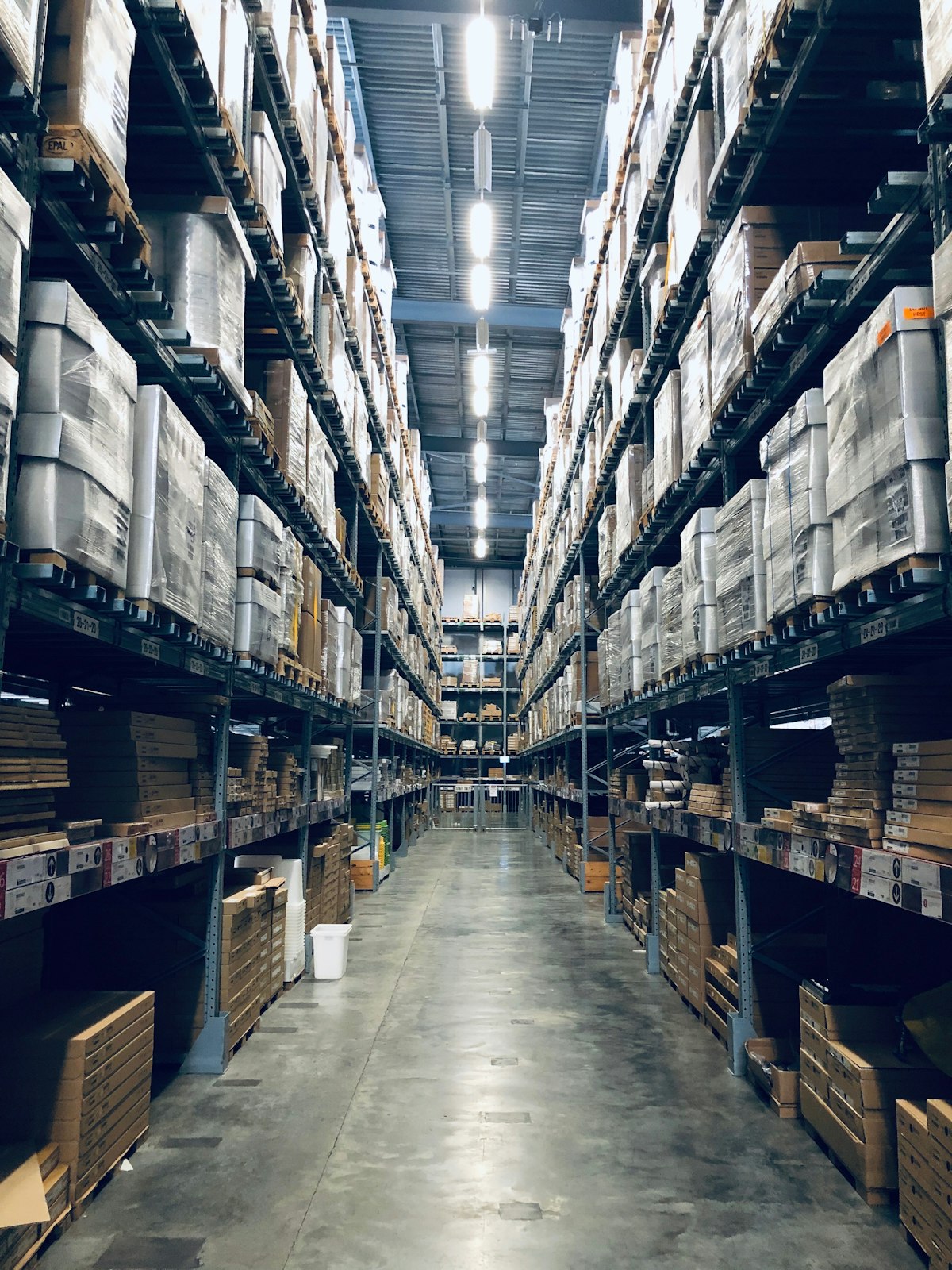
Optimizing container payload is the single most effective countermeasure against high ocean freight costs. Stretch film and PE bag manufacturing involves low-density, high-volume properties that can easily result in “shipping air” if improper packing techniques are deployed.
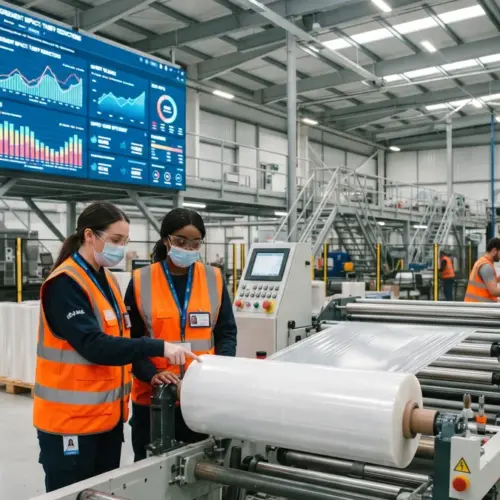
Factory floor operations at VN Plastic – Vnplast Global utilize advanced multi-layer co-extrusion lines capable of producing high-performance, downgauged micron films without sacrificing tensile strength. This reduces the raw material weight per pallet while maintaining structural integrity. To maximize a 40HC container’s internal volume of approximately 68 to 76 cubic meters, our logistics engineering desk deploys strict computer-aided stowage planning:
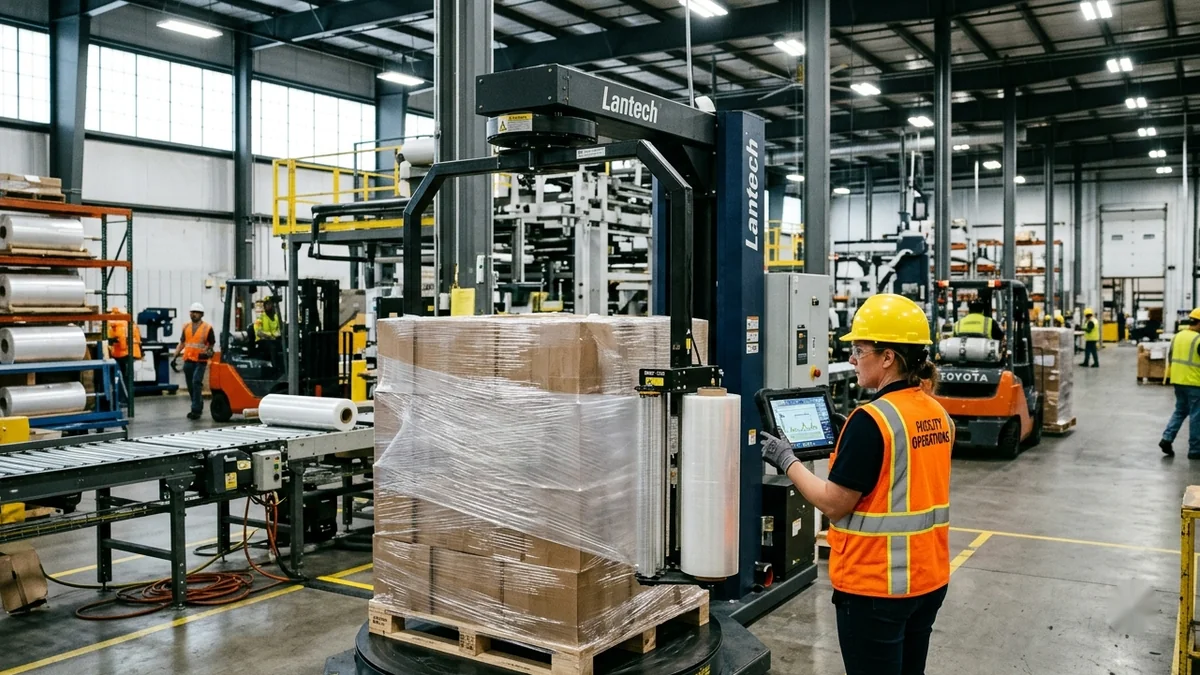
1. Palletization vs. Loose Roll Loading: For standard hand-stretch or machine-stretch film rolls, vertical pallet configuration with interlocking corner boards prevents shifting during rough sea transits. However, for maximum volumetric efficiency, floor-loaded loose roll packing (slip-sheet or clamp-ready configurations) can increase total payload weight by 15% to 22% compared to standard wooden pallets, directly lowering ocean freight cost per kilogram.
2. Core Optimization: Standardizing core diameters (2-inch and 3-inch paper cores) to match exact container dimensions minimizes wasted dead space at the nose and doors of the 40HC container.
3. Moisture and Condensation Mitigation: Given Vietnam’s tropical climate, cargo sweat during long-haul transoceanic voyages can ruin corrugated master cartons and degrade PE film properties. Application of high-absorption container desiccant poles and heavy-gauge PE internal liners protects shipments against humidity swings.
5. Commercial Contract Negotiation & Cross-Border Risk Mitigation
Choosing the appropriate Incoterms 2020 rule is critical for international buyers navigating volatile logistics markets. Relying blindly on FOB (Free On Board) leaves importers vulnerable to local origin terminal handling charges (OTHC), container drayage bottlenecks, and carrier-imposed rolling of cargo. Conversely, shifting to CIF (Cost, Insurance, and Freight) or DDP (Delivered Duty Paid) transfers specific operational burdens to the manufacturer.
Procurement managers should evaluate contracts based on the following strategic breakdown:
- FOB (Free On Board): Recommended only for buyers maintaining proprietary volume service contracts (VSCs) with global shipping lines and designated forwarders who can secure guaranteed space allocation out of Cat Lai.
- CIF (Cost, Insurance, and Freight): Preferred by mid-to-large-scale importers seeking to lock in landed sea-freight costs bundled directly with the factory production schedule, eliminating coordination friction between local Vietnamese forwarders and overseas agents.
- DDP (Delivered Duty Paid): Highly effective for established tier-one distributors requiring end-to-end liability management, where the manufacturer absorbs customs clearance, import tariffs, and final-mile trucking to the buyer’s distribution center.
To hedge against demurrage and detention (D&D) risks at destination ports, contracts must explicitly stipulate a minimum of 14 to 21 combined free days at the destination terminal, alongside bonded warehousing contingency clauses if port congestion spikes unexpectedly.
6. Strategic Recommendations & Operational Roadmap from VN Plastic – Vnplast Global
To safeguard supply chain continuity and optimize operational margins through 2026 and beyond, international procurement executives partnering with VN Plastic – Vnplast Global should execute the following four-step roadmap:
1. Adopt Index-Linked Pricing Models: Transition from rigid, static quarterly contracts to transparent pricing formulas indexed against ICIS or Platts resin benchmarks, combined with indexed freight adjustment caps.
2. Maximize Container Cubism: Partner directly with our logistics engineering team to run computerized container loading simulations, favoring floor-loaded or optimized pallet configurations to reduce unit logistics costs by up to 18%.
3. Establish Dual-Sourcing and Buffer Stock Agreements: Maintain a rolling 30-day safety stock buffer at bonded origin warehouses near major deep-water ports in Vietnam, ensuring immediate dispatch capability during unexpected carrier schedule disruptions.
4. Enforce Comprehensive Compliance Mapping: Pre-align all technical documentation—including carbon footprint declarations, ASTM testing sheets, and verifiable C/O paperwork—to satisfy upcoming international environmental and trade compliance standards proactively.
Technical & Quality Compliance Advisory from VN Plastic – Vnplast Global
For international procurement directors, supply chain partners, and B2B buyers, rigorous pre-shipment sample testing (CoA/CoC) and accredited independent inspection (SGS/Intertek) are paramount prior to contract execution. Contact our technical desk for complete engineering datasheets and tailored FOB/CIF quotation schedules.