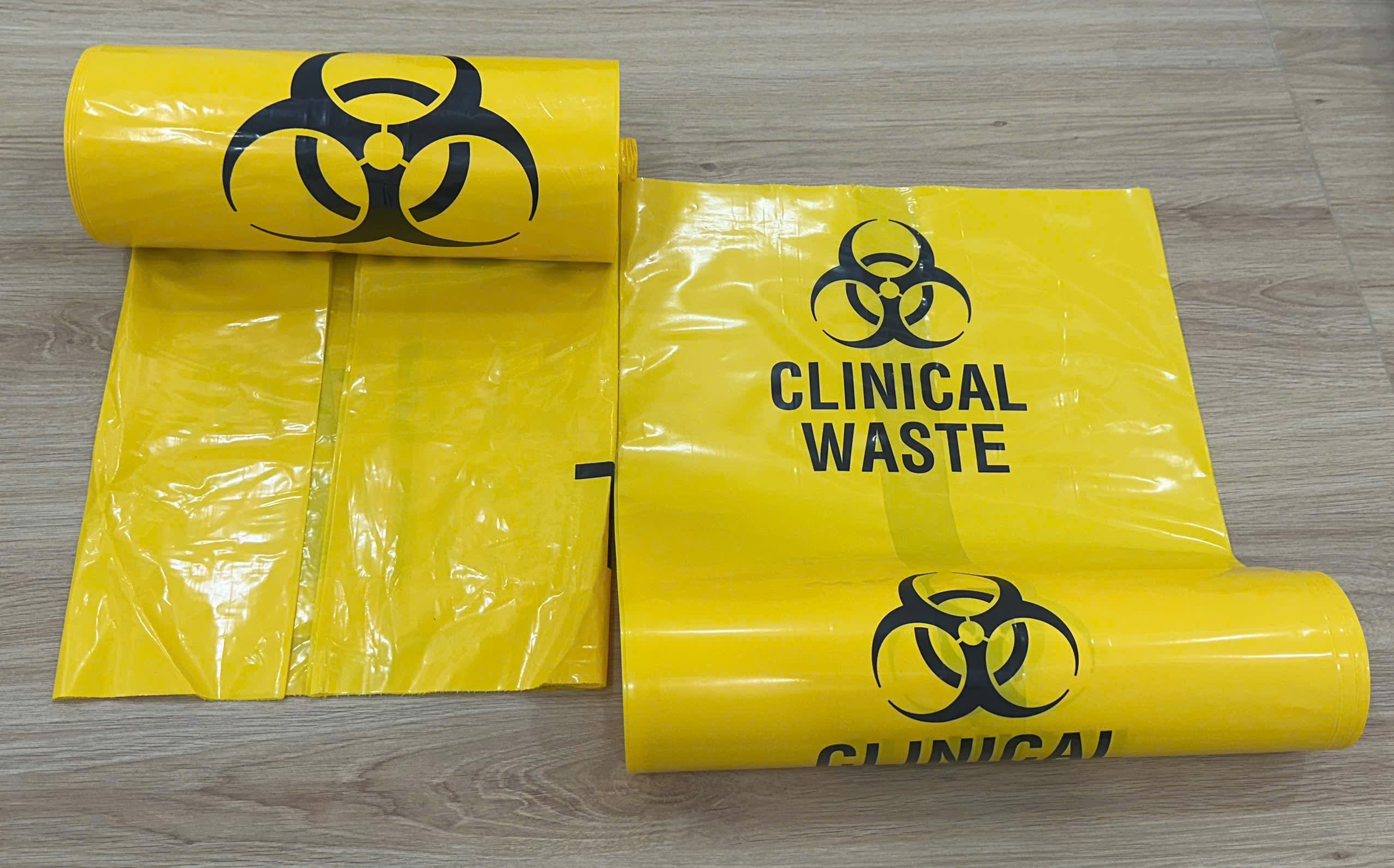
In an era increasingly focused on sustainability, reusable grocery bags have emerged as a vital tool in reducing our environmental footprint. Plastic bags, once a ubiquitous convenience, contribute significantly to pollution, harming wildlife and ecosystems. Switching to reusable grocery bags is a simple yet powerful step towards a greener lifestyle. This comprehensive guide explores the benefits, types, care, and selection of reusable grocery bags, empowering you to make informed choices and embrace eco-friendly shopping habits.
From reducing plastic waste to saving money in the long run, the advantages of using reusable grocery bags are numerous. This article will delve into these benefits, providing practical tips and insights to help you integrate reusable grocery bags seamlessly into your daily routine.
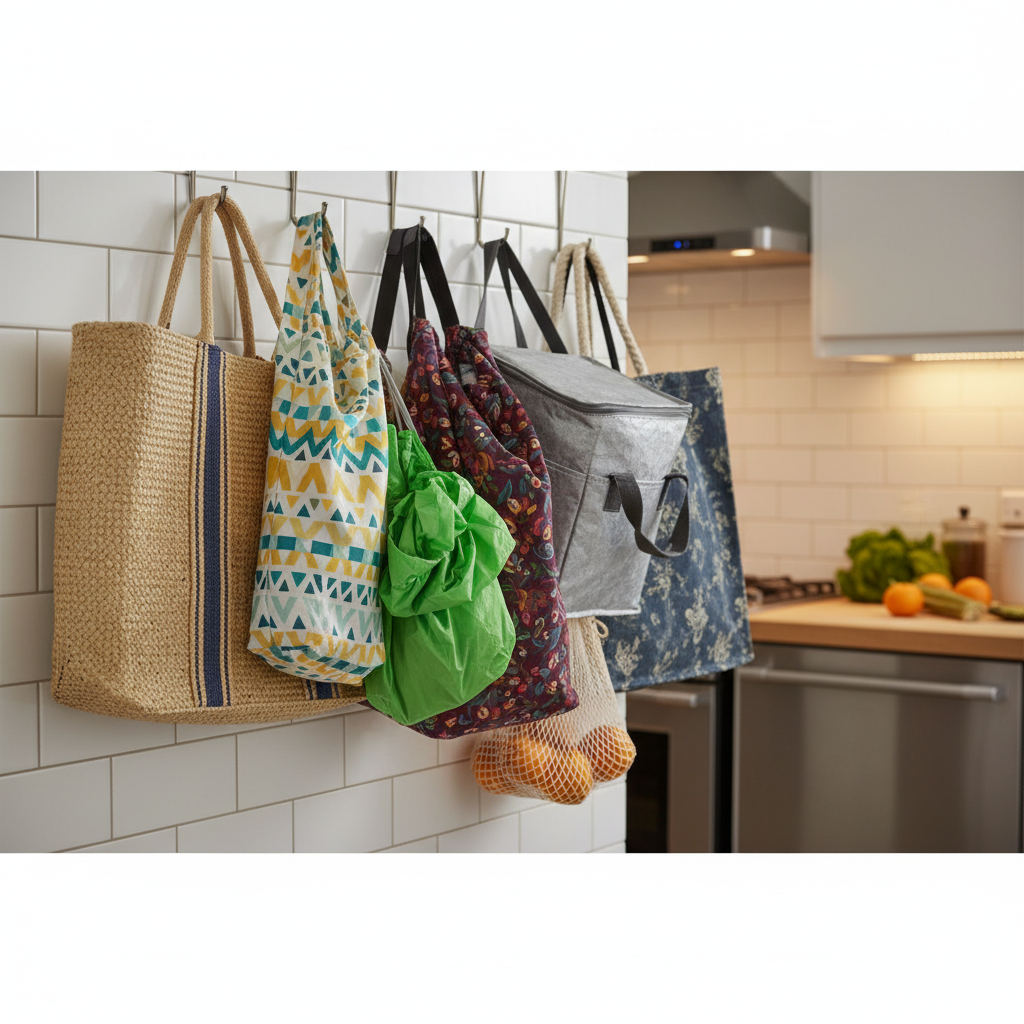
A variety of colorful reusable grocery bags hanging on hooks in a well-lit kitchen, showcasing different materials and sizes.
Why Choose Reusable Grocery Bags?
Environmental Benefits
- Reduced Plastic Waste: Plastic bags are a major source of pollution, often ending up in landfills and oceans. Reusable bags significantly decrease the demand for single-use plastics.
- Conservation of Resources: Manufacturing plastic bags requires petroleum, a non-renewable resource. Reusable bags, especially those made from recycled materials, help conserve these valuable resources.
- Protection of Wildlife: Plastic bags pose a threat to wildlife, particularly marine animals, which can ingest them, mistaking them for food. Reusable bags help prevent this tragic outcome.
- Lower Carbon Footprint: While the production of reusable bags also has an environmental impact, their overall carbon footprint is lower when used consistently over time compared to single-use plastic bags.
Economic Advantages
- Cost Savings: Many stores now charge for single-use plastic bags. Using reusable bags eliminates this expense, saving you money on every shopping trip.
- Durability and Longevity: Reusable bags are typically more durable than plastic bags, capable of carrying heavier loads and lasting for years with proper care.
- Versatility: Reusable bags are not just for groceries. They can be used for a variety of purposes, such as carrying books, gym clothes, or picnic supplies.
Types of Reusable Grocery Bags
Cotton Bags
Cotton bags are a popular choice due to their natural, biodegradable material. They are soft, washable, and can be easily printed with custom designs. However, they require more resources to produce compared to other types of reusable bags.
- Pros: Natural, biodegradable, washable, customizable.
- Cons: Higher production cost, can shrink when washed.
Polyester Bags
Polyester bags are known for their durability and water resistance. They are lightweight, easy to fold, and can hold heavy items without tearing. They are a good option for frequent shoppers who need a reliable bag.
- Pros: Durable, water-resistant, lightweight, affordable.
- Cons: Not biodegradable, made from synthetic materials.
Nylon Bags
Nylon bags are similar to polyester bags in terms of durability and water resistance. They are often made from recycled materials, making them a more eco-friendly option. They are also easy to clean and maintain.
- Pros: Durable, water-resistant, often made from recycled materials, easy to clean.
- Cons: Not biodegradable, can be more expensive than polyester.
Jute Bags
Jute bags are made from a natural plant fiber, making them a sustainable and biodegradable choice. They are strong, durable, and have a rustic, natural look. They are ideal for carrying bulky items.
- Pros: Natural, biodegradable, strong, durable.
- Cons: Can be rough in texture, may not be as easy to clean as other materials.
Insulated Bags
Insulated bags are designed to keep perishable items cold or hot for extended periods. They are perfect for transporting groceries that need to be kept at a specific temperature, such as meat, dairy, and frozen foods.
- Pros: Keeps food cold or hot, ideal for perishable items.
- Cons: Can be bulky, may require special cleaning.
How to Choose the Right Reusable Grocery Bag
Consider the Material
The material of the bag determines its durability, environmental impact, and ease of maintenance. Choose a material that aligns with your values and shopping habits.
Assess the Size and Capacity
Consider the size and capacity of the bag based on your typical grocery shopping needs. Opt for larger bags for bulk purchases and smaller bags for quick trips.
Check for Durability
Look for bags with reinforced stitching and sturdy handles to ensure they can withstand heavy loads without tearing. A durable bag will last longer and provide better value.
Evaluate Ease of Cleaning
Choose bags that are easy to clean, either by hand washing or machine washing. Regular cleaning is essential to prevent the buildup of bacteria and odors.
Look for Additional Features
Some reusable bags come with additional features such as interior pockets, insulated compartments, or foldable designs. Consider these features based on your specific needs and preferences.
Caring for Your Reusable Grocery Bags
Regular Cleaning
Clean your reusable bags regularly to prevent the growth of bacteria and mold. Wash them inside out with warm water and soap, and allow them to air dry completely.
Proper Storage
Store your reusable bags in a clean, dry place to prevent them from getting damaged or contaminated. Fold them neatly or hang them on hooks for easy access.
Avoid Overloading
Do not overload your reusable bags beyond their capacity. This can cause the handles to break or the seams to tear. Distribute the weight evenly to prevent strain.
Separate Raw and Cooked Foods
Use separate bags for raw and cooked foods to prevent cross-contamination. Designate specific bags for meat, poultry, and seafood, and wash them thoroughly after each use.
Inspect Regularly
Inspect your reusable bags regularly for signs of wear and tear. Repair any damage promptly to prevent further deterioration. Replace bags that are heavily damaged or worn out.
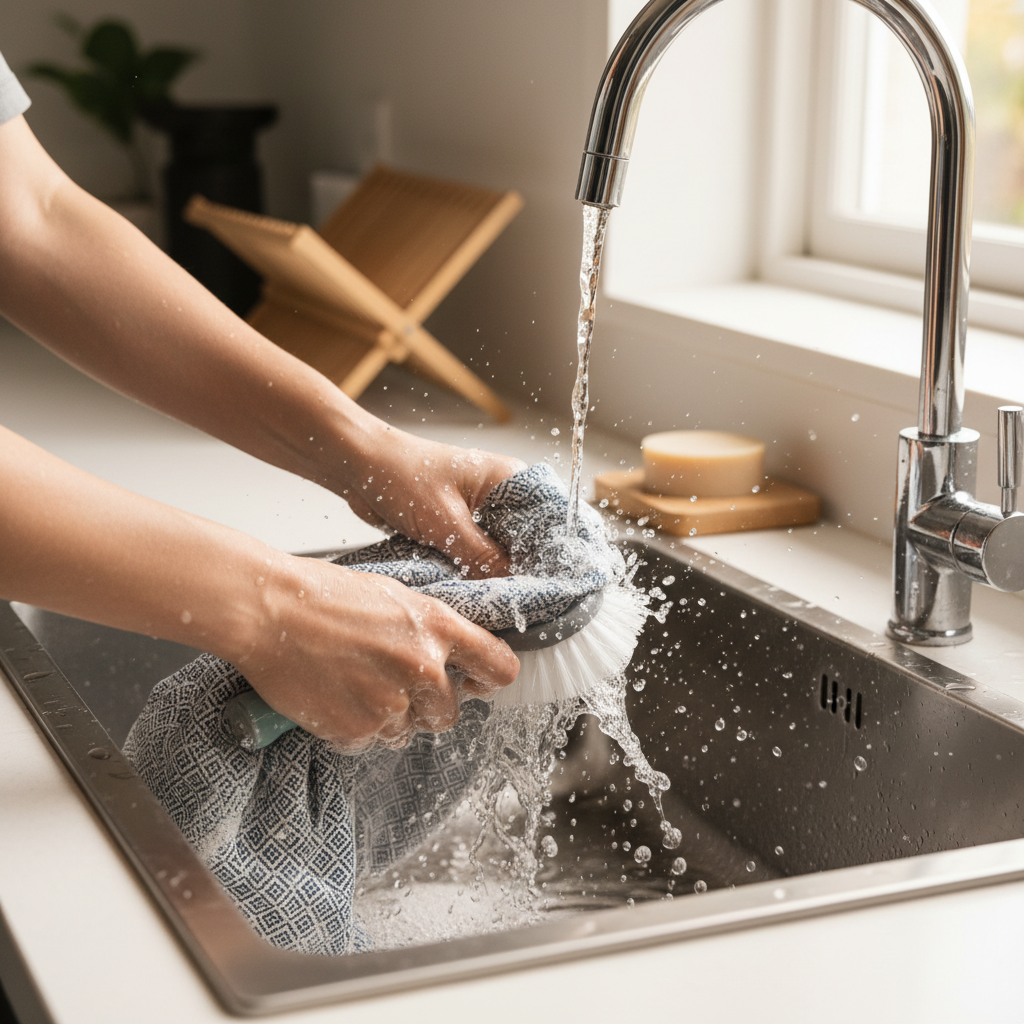
A close-up shot of someone cleaning a reusable grocery bag in a kitchen sink with soapy water, emphasizing the importance of hygiene.
Conclusion
Embracing reusable grocery bags is a simple yet impactful way to contribute to a more sustainable future. By understanding the benefits, types, and care of these bags, you can make informed choices and integrate them seamlessly into your shopping routine. Make the switch today and join the movement towards a greener, healthier planet. Small changes, like using reusable grocery bags, collectively make a significant difference.
{
“@context”: “https://schema.org”,
“@type”: “Article”,
“mainEntityOfPage”: {
“@type”: “WebPage”,
“@id”: “https://www.example.com/reusable-grocery-bags-guide”
},
“headline”: “The Ultimate Guide to Reusable Grocery Bags: Eco-Friendly Shopping”,
“description”: “A comprehensive guide to reusable grocery bags, covering their benefits, types, care, and selection for eco-friendly shopping.”,
“image”: [
“https://www.example.com/images/reusable-grocery-bags-1.jpg”,
“https://www.example.com/images/reusable-grocery-bags-2.jpg”
],
“author”: {
“@type”: “Organization”,
“name”: “Example Organization”
},
“publisher”: {
“@type”: “Organization”,
“name”: “Example Organization”,
“logo”: {
“@type”: “ImageObject”,
“url”: “https://www.example.com/images/logo.png”
}
},
“datePublished”: “2024-01-26”,
“dateModified”: “2024-01-26”
}
{
“@context”: “https://schema.org”,
“@type”: “FAQPage”,
“mainEntity”: [{
“@type”: “Question”,
“name”: “What are the benefits of using reusable grocery bags?”,
“acceptedAnswer”: {
“@type”: “Answer”,
“text”: “Reusable grocery bags reduce plastic waste, conserve resources, protect wildlife, and save you money on single-use bag fees.”
}
}, {
“@type”: “Question”,
“name”: “What types of reusable grocery bags are available?”,
“acceptedAnswer”: {
“@type”: “Answer”,
“text”: “Common types include cotton bags, polyester bags, nylon bags, jute bags, and insulated bags, each with its own advantages and disadvantages.”
}
}, {
“@type”: “Question”,
“name”: “How do I clean my reusable grocery bags?”,
“acceptedAnswer”: {
“@type”: “Answer”,
“text”: “Clean your bags regularly with warm water and soap, and allow them to air dry completely. Follow specific care instructions based on the bag’s material.”
}
}, {
“@type”: “Question”,
“name”: “How do I choose the right reusable grocery bag?”,
“acceptedAnswer”: {
“@type”: “Answer”,
“text”: “Consider the material, size, durability, ease of cleaning, and any additional features based on your needs.”
}
}]
}
Table of Contents
reusable grocery bags: practical overview
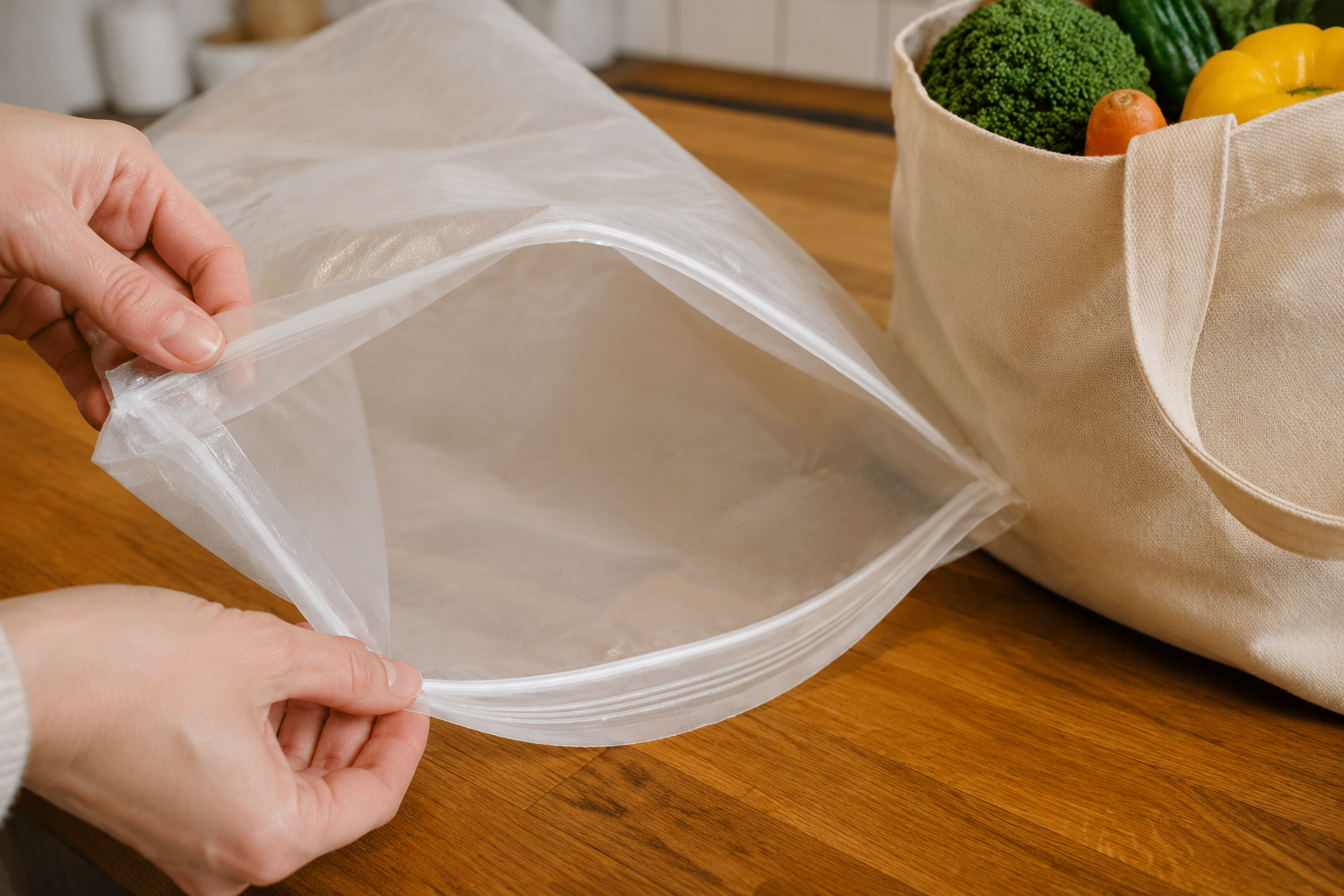
Sourcing and support
Explore VN Plastic packaging products, review independent information from an authoritative environmental resource, or contact VN Plastic for a tailored specification and quotation.