Stretch wrap film, also known as pallet wrap, is an incredibly versatile and essential material used across a multitude of industries. Its primary function is to unitize and secure goods on pallets for safe and efficient transportation, storage, and handling. From small businesses shipping individual packages to large-scale manufacturers moving thousands of products daily, understanding the different types, applications, and benefits of stretch wrap film is crucial for optimizing your packaging processes and minimizing potential damage during transit. This comprehensive guide will delve into everything you need to know about stretch wrap film, empowering you to make informed decisions for your specific needs.

A diverse selection of goods, including boxes, furniture, and machinery, securely wrapped on pallets with various types of stretch wrap film.
Understanding the Basics of Stretch Wrap Film
What is Stretch Wrap Film?
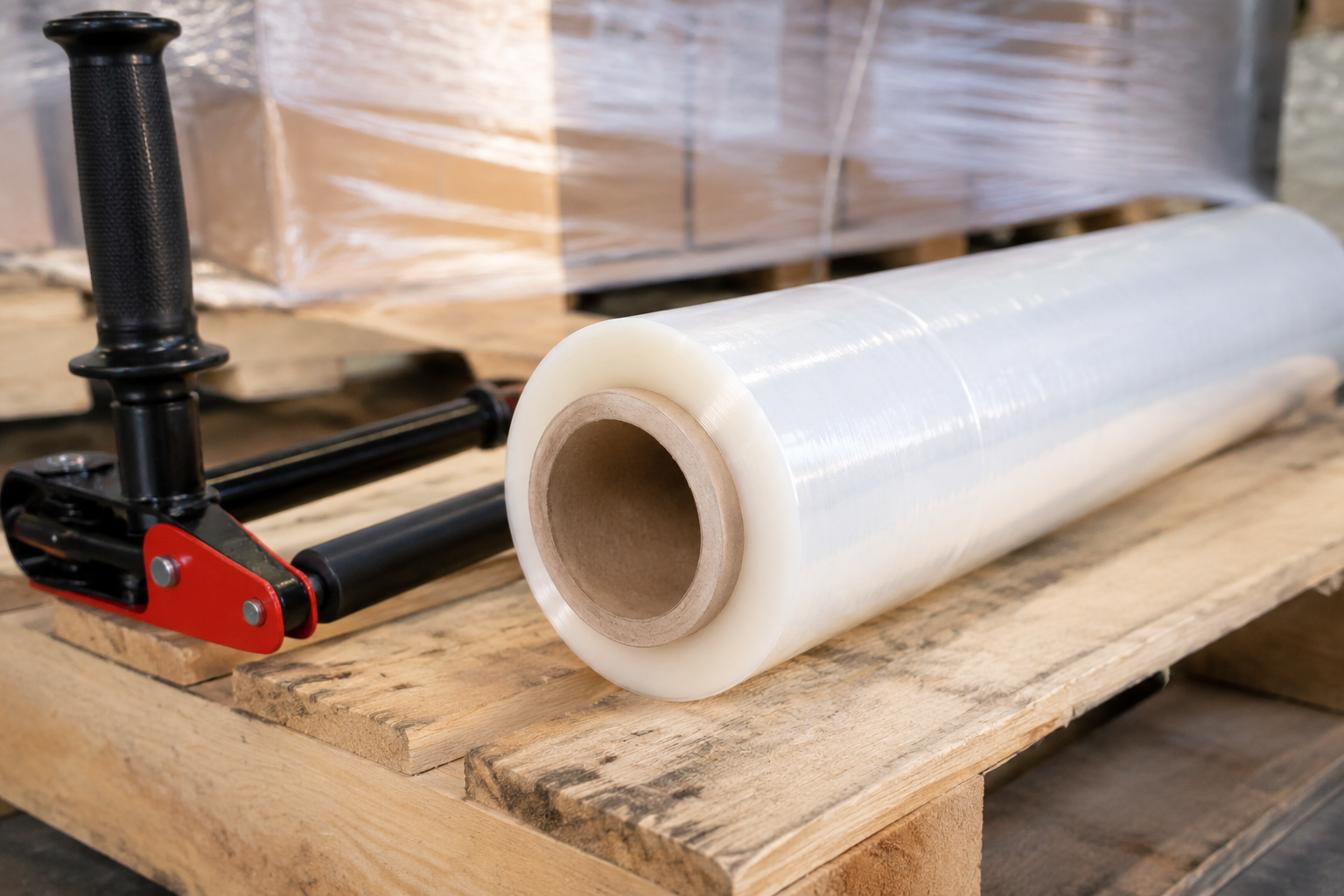
Stretch wrap film is a highly elastic plastic film made primarily from linear low-density polyethylene (LLDPE). Its key characteristic is its ability to stretch tightly around items, providing a secure and conforming layer of protection. This elasticity creates tension, which helps to hold the items together and prevents shifting during movement. The film also clings to itself, further enhancing its holding power and eliminating the need for adhesives.
Types of Stretch Wrap Film
- Hand Stretch Wrap: Designed for manual application, hand stretch wrap is typically used for smaller volumes or irregular-shaped items. It requires a handheld dispenser for ease of use and control.
- Machine Stretch Wrap: Intended for use with stretch wrapping machines, this type is ideal for high-volume applications. Machine stretch wrap is typically thinner and stronger than hand wrap, allowing for faster and more efficient wrapping.
- Pre-Stretched Film: This film is pre-stretched during the manufacturing process, requiring less force to apply and reducing material consumption. It’s a cost-effective and environmentally friendly option.
- Colored Stretch Wrap: Available in various colors, colored stretch wrap can be used for product identification, inventory control, or to conceal the contents of a shipment. Black stretch wrap, in particular, is often used for security purposes.
- UV Stretch Wrap: Formulated with UV inhibitors, this type of film is designed to protect products stored outdoors from the damaging effects of sunlight.
Key Benefits of Using Stretch Wrap Film
- Load Stability: Prevents goods from shifting or falling off pallets during transit, minimizing damage and loss.
- Product Protection: Shields products from dust, dirt, moisture, and other environmental factors.
- Theft Deterrence: Colored or opaque stretch wrap can conceal the contents of a shipment, deterring theft.
- Cost-Effectiveness: Stretch wrap film is a relatively inexpensive packaging material compared to alternatives like strapping or shrink wrap.
- Improved Efficiency: Streamlines the packaging process, saving time and labor costs.
- Versatility: Can be used to wrap a wide variety of products, regardless of size, shape, or weight.
Choosing the Right Stretch Wrap Film
Factors to Consider
- Load Weight and Size: Heavier and larger loads require thicker and stronger film.
- Load Profile: Irregularly shaped loads may require specialized stretch wrapping techniques or equipment.
- Transportation Method: The mode of transportation (truck, rail, sea, air) will influence the level of protection required.
- Storage Conditions: If products will be stored outdoors, UV-resistant film is recommended.
- Application Method: Choose between hand wrap and machine wrap based on volume and efficiency requirements.
- Film Thickness (Gauge): Measured in mils, the gauge of the film determines its strength and puncture resistance. Higher gauge films are suitable for heavier and more demanding applications.
Hand Stretch Wrap Application Techniques
Proper hand stretch wrapping techniques are crucial for ensuring load stability. Here are some tips:
- Overlap: Overlap each layer of film by at least 50% to provide adequate coverage and strength.
- Tension: Apply consistent tension while wrapping to maximize the film’s holding power.
- Bottom Wrap: Secure the film to the pallet base to prevent the load from shifting.
- Top Wrap: Finish by wrapping the top of the load to provide complete encapsulation.
- Reinforce Corners: Pay extra attention to corners and edges, as these are the most vulnerable points.
Machine Stretch Wrap Optimization
To maximize the efficiency and effectiveness of machine stretch wrapping, consider the following:
- Film Settings: Adjust the machine’s tension and overlap settings to optimize film usage and load stability.
- Pre-Stretch Ratio: Experiment with different pre-stretch ratios to find the optimal balance between film consumption and holding power.
- Maintenance: Regularly maintain the stretch wrapping machine to ensure proper operation and prevent film breaks.
- Consistent Film Quality: Use high-quality stretch wrap film from a reputable supplier to minimize downtime and ensure consistent results.
Sustainability and Stretch Wrap Film
With increasing environmental awareness, sustainability is becoming a key consideration in packaging decisions. While stretch wrap film is typically made from plastic, there are several ways to minimize its environmental impact:
- Use Thinner Gauge Film: Opt for the thinnest gauge film that still provides adequate protection for your products.
- Recycled Content: Choose films made with recycled content to reduce reliance on virgin materials.
- Recycling Programs: Implement a recycling program to collect and recycle used stretch wrap film.
- Alternative Materials: Explore alternative packaging materials, such as biodegradable or compostable films, where appropriate.

A close-up shot of hands applying stretch wrap film to a pallet, emphasizing proper technique and tension, with a focus on safety and efficiency.
Conclusion: Maximizing the Benefits of Stretch Wrap Film
Stretch wrap film is an indispensable tool for securing and protecting goods during shipping and storage. By understanding the different types of film, application techniques, and sustainability considerations, you can optimize your packaging processes, reduce costs, and minimize environmental impact. Whether you’re a small business owner or a large-scale manufacturer, choosing the right stretch wrap film and using it effectively is essential for ensuring the safe and efficient movement of your products.
{
“@context”: “https://schema.org”,
“@type”: “Article”,
“mainEntityOfPage”: {
“@type”: “WebPage”,
“@id”: “https://example.com/stretch-wrap-film-guide”
},
“headline”: “The Ultimate Guide to Stretch Wrap Film: Securing Your Shipments with Confidence”,
“description”: “A comprehensive guide to stretch wrap film, covering types, applications, benefits, and best practices for securing shipments.”,
“image”: “https://example.com/images/stretch-wrap-hero.jpg”,
“author”: {
“@type”: “Organization”,
“name”: “Example Company”
},
“publisher”: {
“@type”: “Organization”,
“name”: “Example Company”,
“logo”: {
“@type”: “ImageObject”,
“url”: “https://example.com/images/logo.png”
}
},
“datePublished”: “2024-01-26”,
“dateModified”: “2024-01-26”
}
{
“@context”: “https://schema.org”,
“@type”: “FAQPage”,
“mainEntity”: [
{
“@type”: “Question”,
“name”: “What is the main purpose of stretch wrap film?”,
“acceptedAnswer”: {
“@type”: “Answer”,
“text”: “The main purpose of stretch wrap film is to unitize and secure goods on pallets for safe and efficient transportation, storage, and handling.”
}
},
{
“@type”: “Question”,
“name”: “What are the different types of stretch wrap film?”,
“acceptedAnswer”: {
“@type”: “Answer”,
“text”: “The different types of stretch wrap film include hand stretch wrap, machine stretch wrap, pre-stretched film, colored stretch wrap, and UV stretch wrap.”
}
},
{
“@type”: “Question”,
“name”: “What factors should I consider when choosing stretch wrap film?”,
“acceptedAnswer”: {
“@type”: “Answer”,
“text”: “Factors to consider include load weight and size, load profile, transportation method, storage conditions, application method, and film thickness (gauge).”
}
},
{
“@type”: “Question”,
“name”: “How can I make my use of stretch wrap film more sustainable?”,
“acceptedAnswer”: {
“@type”: “Answer”,
“text”: “You can use thinner gauge film, choose films made with recycled content, implement a recycling program, and explore alternative packaging materials.”
}
}
]
}
Table of Contents
stretch wrap film: practical overview
Sourcing and support
Explore VN Plastic packaging products, review independent information from an authoritative environmental resource, or contact VN Plastic for a tailored specification and quotation.