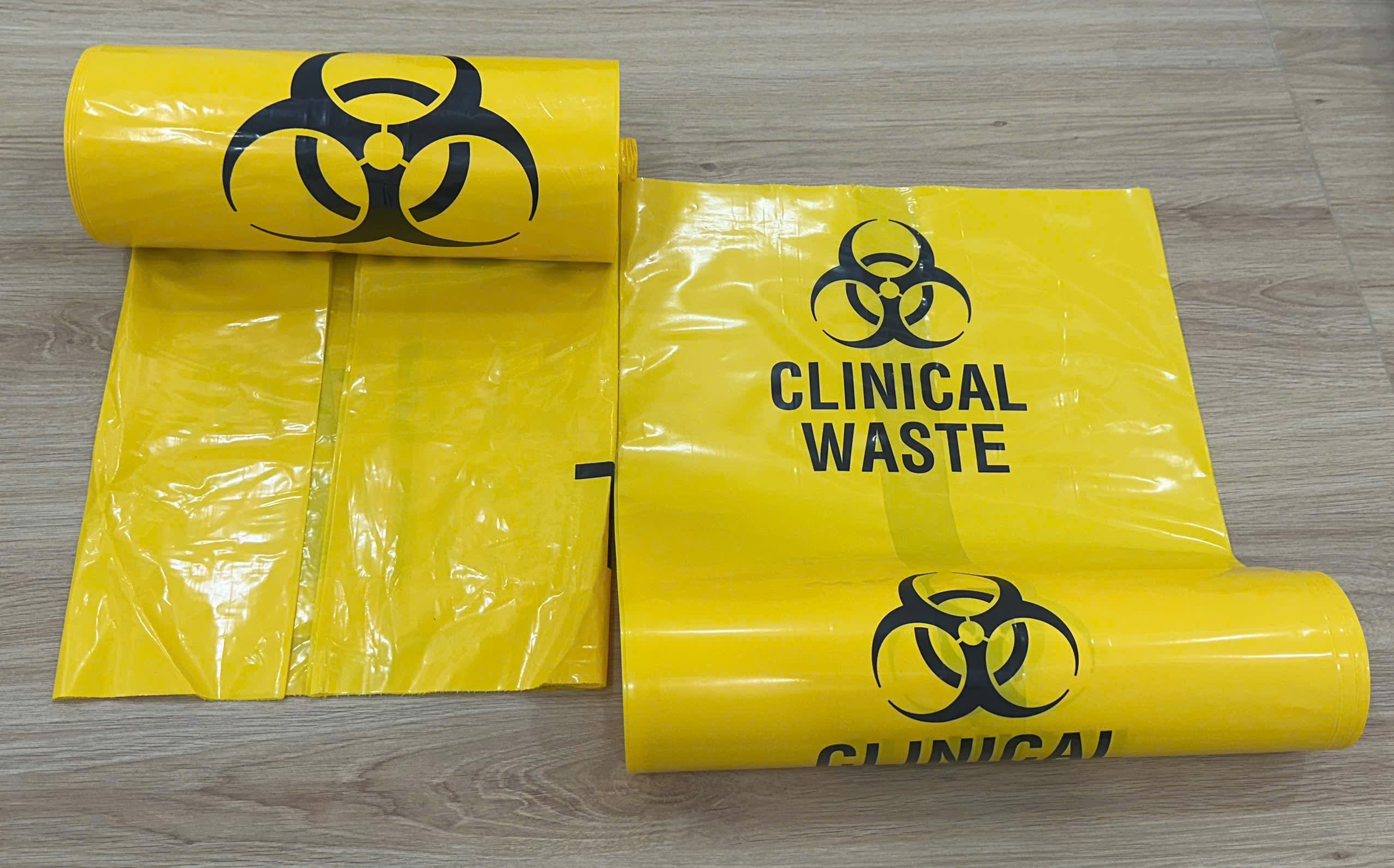
trash bags supplier is covered here with practical information for packaging buyers, converters and distributors.
Trash bags are an everyday essential, yet the right choice can make a major difference in cleanliness, durability, convenience, and overall waste management. Whether you are buying bags for home kitchens, office spaces, outdoor cleanup, construction debris, or commercial use, selecting the proper size, thickness, and material helps prevent leaks, tears, and unnecessary mess. With so many options available, understanding how different trash bags perform in real-world situations can save time, reduce waste, and improve sanitation.
In this guide, you will learn how to compare types of trash bags, what features matter most, how to match bag strength to the job, and how to choose reliable products for daily use.
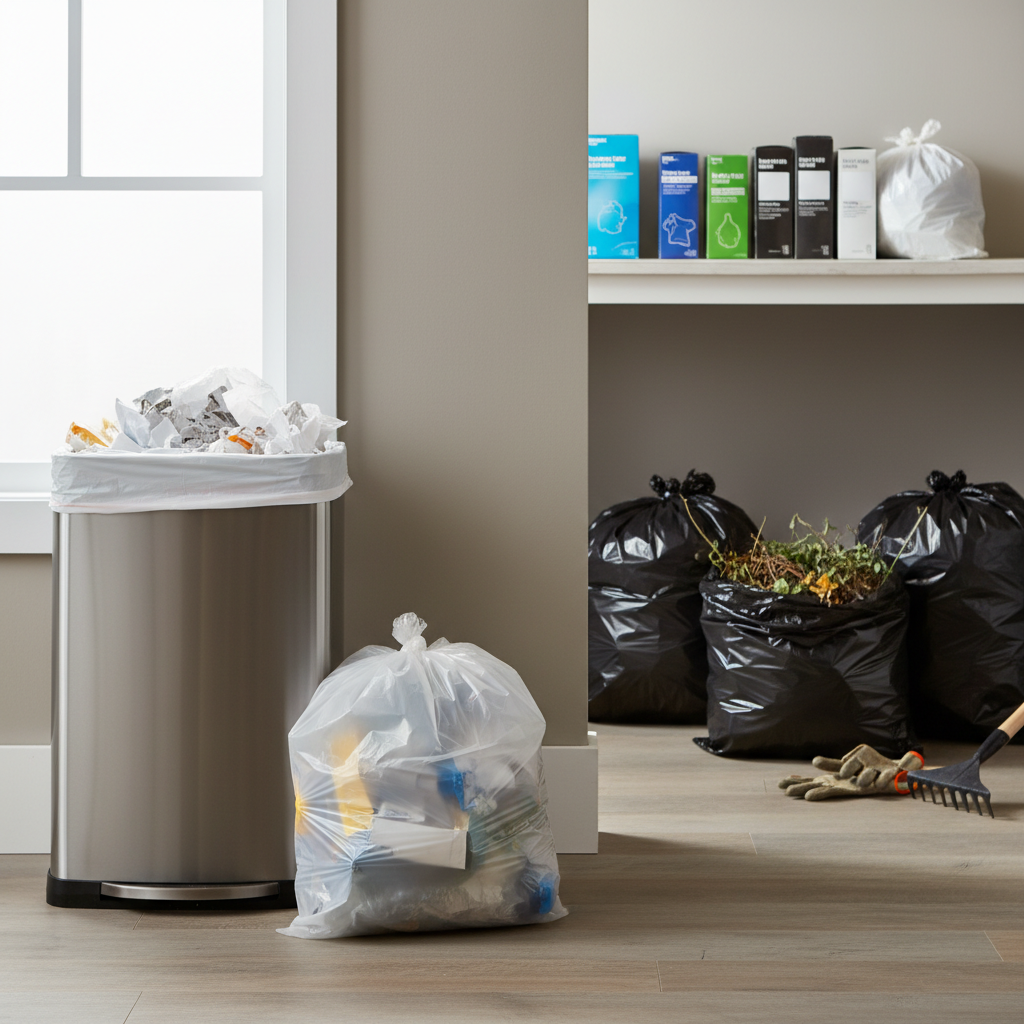
assorted trash bags in a kitchen and utility setting, including tall kitchen trash bags in a bin, heavy-duty contractor trash bags with yar…
Why Choosing the Right Trash Bags Matters
Many people treat trash bags as a simple household item, but poor bag selection often leads to ripped liners, leaking liquids, unpleasant odors, and extra cleanup. A bag that works well in a bathroom bin may completely fail in a kitchen can or during a garage cleanup project.
The best trash bags should match the type of waste being collected. Light paper waste, food scraps, sharp packaging, grass clippings, and renovation debris all place different demands on a bag. Choosing the right bag improves efficiency and helps keep spaces sanitary.
- Better durability: Strong bags reduce tears and punctures.
- Leak protection: Proper thickness helps contain wet waste.
- Odor control: Some bags are designed to limit unpleasant smells.
- Convenience: Drawstring and tie-top styles make removal easier.
- Cost savings: Using the right bag reduces double-bagging and waste.
Common Types of Trash Bags
There are several categories of trash bags, each designed for different applications. Understanding these basic types helps narrow down the best fit for your environment.
Kitchen Trash Bags
Kitchen trash bags are among the most widely used. They are typically sized for 13-gallon containers and often include features like drawstrings, odor control, or reinforced seams.
- Ideal for food waste and daily household trash
- Commonly available in scented and unscented versions
- Often designed for easy lifting and carrying
Bathroom and Small Bin Trash Bags
Smaller trash bags are used for bathroom bins, bedroom containers, and office wastebaskets. These are intended for lightweight waste such as tissues, packaging, and paper products.
- Typically fit 4-gallon to 8-gallon bins
- Good for low-volume household and office use
- Usually thinner than kitchen or contractor bags
Outdoor and Yard Waste Bags
For landscaping work, seasonal cleanup, or garden maintenance, outdoor trash bags need greater capacity and strength. Leaves, branches, weeds, and damp clippings can add significant weight.
- Suitable for yard debris and outdoor cleanup
- Often larger than standard residential bags
- May be designed for heavy loads and rough materials
Contractor Trash Bags
Contractor-grade trash bags are built for demanding jobs. They are commonly used for construction debris, demolition materials, workshop waste, and industrial cleanup.
- Made for heavy, bulky, or sharp waste
- Often thicker and more puncture-resistant
- Useful in garages, renovation projects, and commercial settings
Commercial Trash Bags
Commercial trash bags are frequently used in offices, restaurants, schools, healthcare facilities, and janitorial operations. These bags are available in many sizes and gauges to support routine, high-volume waste disposal.
- Used in large-capacity waste systems
- Available in bulk for cost efficiency
- Suitable for regular facility maintenance
Key Features to Look for in Trash Bags
When comparing trash bags, it helps to focus on practical performance features instead of price alone. A cheaper bag that tears frequently may end up costing more in time, labor, and replacement use.
Size and Capacity
The first step is choosing the correct size. A bag that is too small may slip into the can or split under pressure, while a bag that is too large can waste material and create an awkward fit.
- 4 to 8 gallons: Bathrooms, bedrooms, and office bins
- 13 gallons: Standard kitchen cans
- 30 to 45 gallons: Large household and commercial bins
- 55 gallons and up: Heavy-duty, industrial, or contractor use
Thickness and Strength
Not all trash bags are equally strong. Thickness often affects puncture resistance, tear resistance, and weight capacity. Heavier waste requires stronger materials.
- Light-duty: Best for paper, packaging, and dry waste
- Medium-duty: Works for everyday household garbage
- Heavy-duty: Better for food waste, bulky trash, and outdoor use
- Extra heavy-duty: Recommended for construction and sharp debris
Closure Type
The way a bag closes can affect ease of use and spill prevention.
- Drawstring: Convenient for lifting, carrying, and tying shut
- Flap tie: Useful for basic closure and transport
- Twist tie: Common for smaller liners
- Open top: Often used in commercial and janitorial settings
Material Composition
Different materials change how trash bags behave under stress. Some are designed for stretch, while others prioritize puncture resistance or sustainability.
- Low-density plastic: Flexible and tear-resistant for bulky waste
- High-density plastic: Strong for lightweight trash and liners
- Recycled-content bags: Can support sustainability goals
- Specialty blends: Designed for improved strength and leak resistance
How to Choose Trash Bags for Different Uses
The best trash bags for one environment may not be right for another. Matching the bag to the use case ensures better performance and fewer problems.
For Home Kitchens
Kitchen waste often includes food scraps, containers, liquids, and sharp packaging edges. A reliable 13-gallon drawstring bag is usually the best starting point.
- Choose leak-resistant bags for food-related waste
- Look for odor-control options if trash sits for several days
- Select reinforced drawstrings for easy removal
For Offices
Office trash bags usually hold lightweight waste such as paper, cups, and wrappers. In many cases, high-density liners are an efficient and economical choice.
- Use smaller liners for desk-side bins
- Choose bulk cases for facility-wide savings
- Consider clear or natural liners for easy waste visibility
For Restaurants and Food Service
Food service environments demand durable trash bags that can handle wet waste, heavy loads, and frequent changes. Leak prevention is especially important.
- Choose heavy-duty liners for kitchen prep areas
- Use larger commercial sizes for back-of-house containers
- Prioritize strong seams and reliable capacity ratings
For Outdoor Cleanup
Leaves, branches, dirt, and damp materials can quickly stress a standard liner. Outdoor cleanup requires stronger trash bags with high load capacity.
- Use large-capacity bags for leaves and grass clippings
- Select puncture-resistant material for sticks and brush
- Avoid overfilling to prevent splitting during lifting
For Construction and Renovation
Demolition scraps, wood pieces, drywall fragments, insulation, and other rough materials require contractor-grade trash bags. These are built to tolerate demanding waste conditions better than standard household bags.
- Choose extra heavy-duty contractor bags
- Check load limits before filling with dense debris
- Use caution with sharp metal, broken tile, and glass
Signs You Are Using the Wrong Trash Bags
If your current trash bags consistently create problems, the issue may be poor fit or insufficient strength. Recognizing these signs can help you switch to a better option.
- Frequent tearing: The bag is too thin or overloaded.
- Leaking at the bottom: The material is not suited for wet waste.
- Bag slipping into the can: The size is too small.
- Difficulty tying or removing: The closure type is not practical for the job.
- Bad odors escaping quickly: Consider scented or odor-control bags for kitchen use.
Trash Bag Sizes Explained
One of the biggest factors in buying trash bags is size compatibility. It is important to measure your waste container rather than relying only on general descriptions.
To find the right bag:
- Measure the height of the container
- Measure the width or diameter of the opening
- Add extra height for overhang and tying space
- Choose a bag with enough capacity for expected waste volume
A well-fitted bag should line the can securely, fold over the rim, and leave enough room for easy closure without stretching too tightly.
Are Sustainable Trash Bags Worth Considering?
Many buyers now look for more responsible waste solutions, and some trash bags are made with recycled materials or designed to reduce virgin plastic use. While performance varies by product, sustainable options can be a practical choice when they still meet your durability needs.
When evaluating eco-focused trash bags, keep these points in mind:
- Confirm they are strong enough for your waste type
- Check whether they contain recycled content
- Review intended applications, such as light household or commercial use
- Balance environmental goals with required puncture and leak resistance
For lightweight trash, many sustainable liners perform well. For heavy debris or sharp materials, contractor-grade strength usually matters more than material claims alone.
Best Practices for Using Trash Bags Efficiently
Even the best trash bags can fail if they are misused. Proper handling improves safety, reduces waste, and helps every bag perform better.
- Do not overfill the bag past its intended capacity
- Wrap sharp items before disposal when possible
- Place heavier waste at the bottom carefully
- Use the correct bag type for wet, dry, or heavy contents
- Store unused bags in a clean, dry place
- Replace bags regularly to control odor and bacteria buildup
These simple habits can reduce cleanup time and help prevent bag failure in homes, workplaces, and commercial settings.
Best Practices for Using Trash Bags Efficiently
Conclusion
Trash bags may seem like a simple purchase, but choosing the right type has a direct impact on cleanliness, convenience, and waste handling efficiency. From small bathroom liners to large contractor-grade options, every setting benefits from a bag that matches the volume, weight, and type of trash being collected.
By focusing on size, thickness, closure style, material, and intended use, you can select trash bags that deliver better performance and fewer problems. Whether you need dependable kitchen bags, commercial liners, or rugged bags for construction debris, the right choice supports cleaner spaces, easier disposal, and more reliable day-to-day operations.
Table of Contents
trash bags supplier: practical overview
Ask for a representative trash bags supplier sample when testing a new application.
Document the approved trash bags supplier requirements for repeat orders.
Compare trash bags supplier options using total application cost, not unit price alone.
trash bags supplier specifications should always be confirmed before mass production.
Ask for a representative trash bags supplier sample when testing a new application.
Document the approved trash bags supplier requirements for repeat orders.
Compare trash bags supplier options using total application cost, not unit price alone.
trash bags supplier specifications should always be confirmed before mass production.
Ask for a representative trash bags supplier sample when testing a new application.
Document the approved trash bags supplier requirements for repeat orders.
Compare trash bags supplier options using total application cost, not unit price alone.
trash bags supplier specifications should always be confirmed before mass production.
Sourcing and support
Explore VN Plastic packaging products, review independent information from an authoritative environmental resource, or contact VN Plastic for a tailored specification and quotation.