In an era increasingly defined by environmental consciousness and a drive towards more sustainable living, the humble reusable food bag has emerged as a powerful tool in reducing our ecological footprint. For decades, single-use plastic bags and wraps have been ubiquitous in kitchens, pantries, and lunchboxes, offering convenience at the cost of significant environmental impact. However, a growing understanding of plastic pollution, its contribution to landfill waste, and its potential health implications has spurred a widespread shift towards more responsible alternatives. Reusable food bags stand at the forefront of this movement, offering a durable, versatile, and eco-friendly solution for storing, transporting, and preserving food.
This comprehensive guide delves into every aspect of reusable food bags, from their diverse materials and innovative features to their myriad applications in everyday life. We will explore the compelling reasons to make the switch, provide insights into selecting the best bags for your needs, and offer practical advice on care and maintenance to ensure their longevity. By embracing reusable food bags, individuals and families can significantly reduce their reliance on single-use plastics, save money in the long run, and contribute to a healthier planet, one meal at a time.
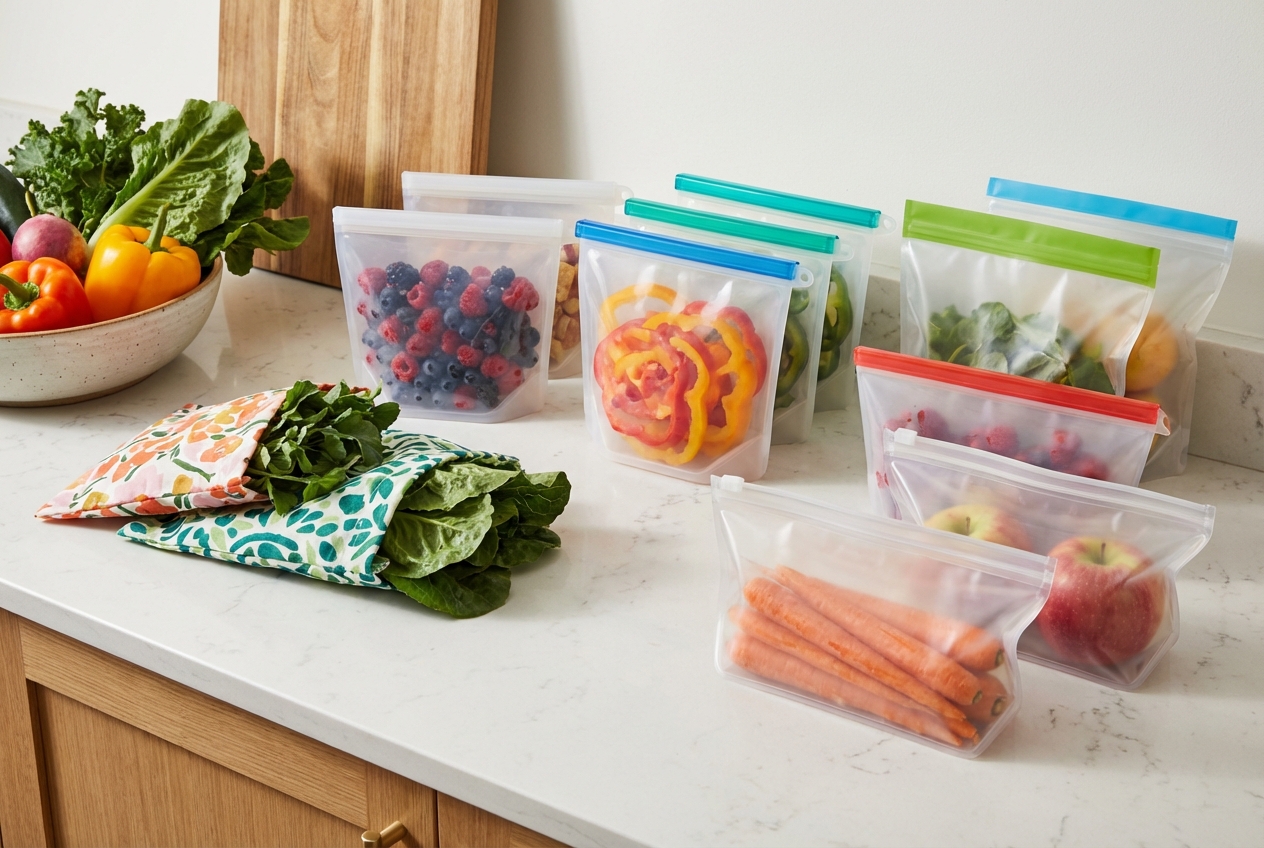
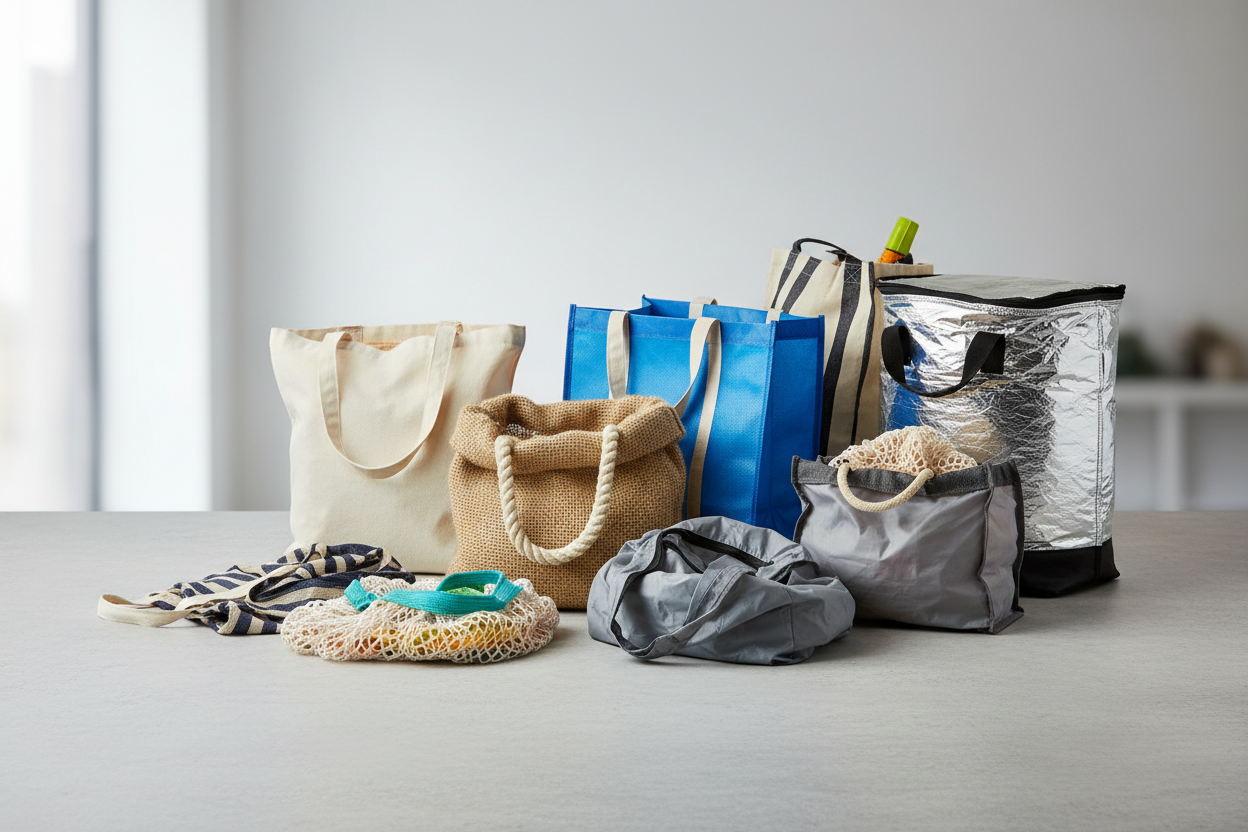
A vibrant collection of various reusable food bags made from silicone, fabric, and PEVA, some filled with colorful fresh produce like berri…
Why Choose Reusable Food Bags?
The decision to transition to reusable food bags is driven by a confluence of compelling benefits that extend beyond mere convenience. These advantages span environmental responsibility, economic prudence, and even personal health.
Environmental Impact Reduction
- Minimizing Plastic Waste: The most significant benefit is the drastic reduction in single-use plastic waste. Billions of plastic bags and wraps end up in landfills or pollute our oceans annually, taking hundreds of years to decompose and harming wildlife. Reusable bags directly combat this crisis.
- Lower Carbon Footprint: While manufacturing reusable bags does consume resources, their extended lifespan significantly offsets this. The energy and resources required to produce, transport, and dispose of countless single-use plastics far exceed that of a durable reusable alternative over time.
- Resource Conservation: By reducing the demand for new plastic production, reusable bags help conserve fossil fuels and other finite resources used in manufacturing.
Economic Savings
- Long-Term Cost-Effectiveness: While the initial investment in reusable food bags might be slightly higher than a box of disposable ones, this cost is quickly recouped. Over weeks, months, and years, the savings from not repeatedly purchasing single-use bags accumulate into substantial financial benefits.
- Reduced Grocery Waste: Many reusable bags offer superior sealing and durability, which can help keep food fresher for longer, reducing spoilage and the associated cost of wasted groceries.
Health and Safety
- BPA-Free and Non-Toxic Materials: Most high-quality reusable food bags are made from food-grade materials that are free from harmful chemicals such as BPA, PVC, and phthalates, which can leach into food from traditional plastics. This provides peace of mind regarding the safety of your stored meals and snacks.
- Avoiding Microplastics: As single-use plastics break down, they release microplastic particles that can enter our food chain and environment. Reusable, durable alternatives help mitigate this widespread issue.
Convenience and Versatility
- Superior Durability: Reusable bags are designed to withstand repeated use, washing, and various temperatures, making them much more robust than flimsy disposable options.
- Multi-Purpose Use: Beyond food storage, these bags can be used for organizing toiletries, carrying small items, or even as travel pouches, adding to their overall utility.
- Variety of Sizes and Designs: Available in a wide array of sizes, shapes, and materials, there’s a reusable bag for virtually every food storage need.
Types of Reusable Food Bags
The market for reusable food bags has expanded significantly, offering a diverse range of materials, each with its unique advantages and ideal applications.
Silicone Food Bags
- Characteristics: Made from food-grade silicone, these bags are incredibly durable, flexible, and often transparent or semi-transparent. They are known for their robust, airtight pinch-lock or zip-top seals.
- Benefits:
- Extreme Temperature Resistance: Safe for freezer, microwave, oven (up to certain temperatures), and boiling water (sous-vide).
- Airtight and Leak-Proof: Excellent for liquids, marinades, and preventing freezer burn.
- Durability: Highly resistant to tearing and degradation; can last for many years.
- Easy to Clean: Many are dishwasher safe and can be turned inside out for thorough cleaning.
- Ideal Uses: Freezing fruits and vegetables, storing leftovers, marinating meats, meal prepping, packing snacks and lunches, sous-vide cooking.
Fabric Food Bags
- Characteristics: Typically made from natural materials like organic cotton, hemp, or mesh. They often feature drawstrings, roll-tops, or simple folds.
- Benefits:
- Breathability: Especially mesh or loosely woven fabric bags, which are ideal for produce that benefits from air circulation.
- Lightweight and Foldable: Easy to carry and store, taking up minimal space.
- Natural and Biodegradable: Made from renewable resources.
- Aesthetic Appeal: Often come in attractive, natural designs.
- Ideal Uses: Grocery shopping for bulk dry goods (grains, nuts, coffee beans), storing fresh fruits and vegetables in the pantry or fridge (e.g., onions, potatoes, leafy greens in mesh bags), carrying bread.
PEVA Food Bags
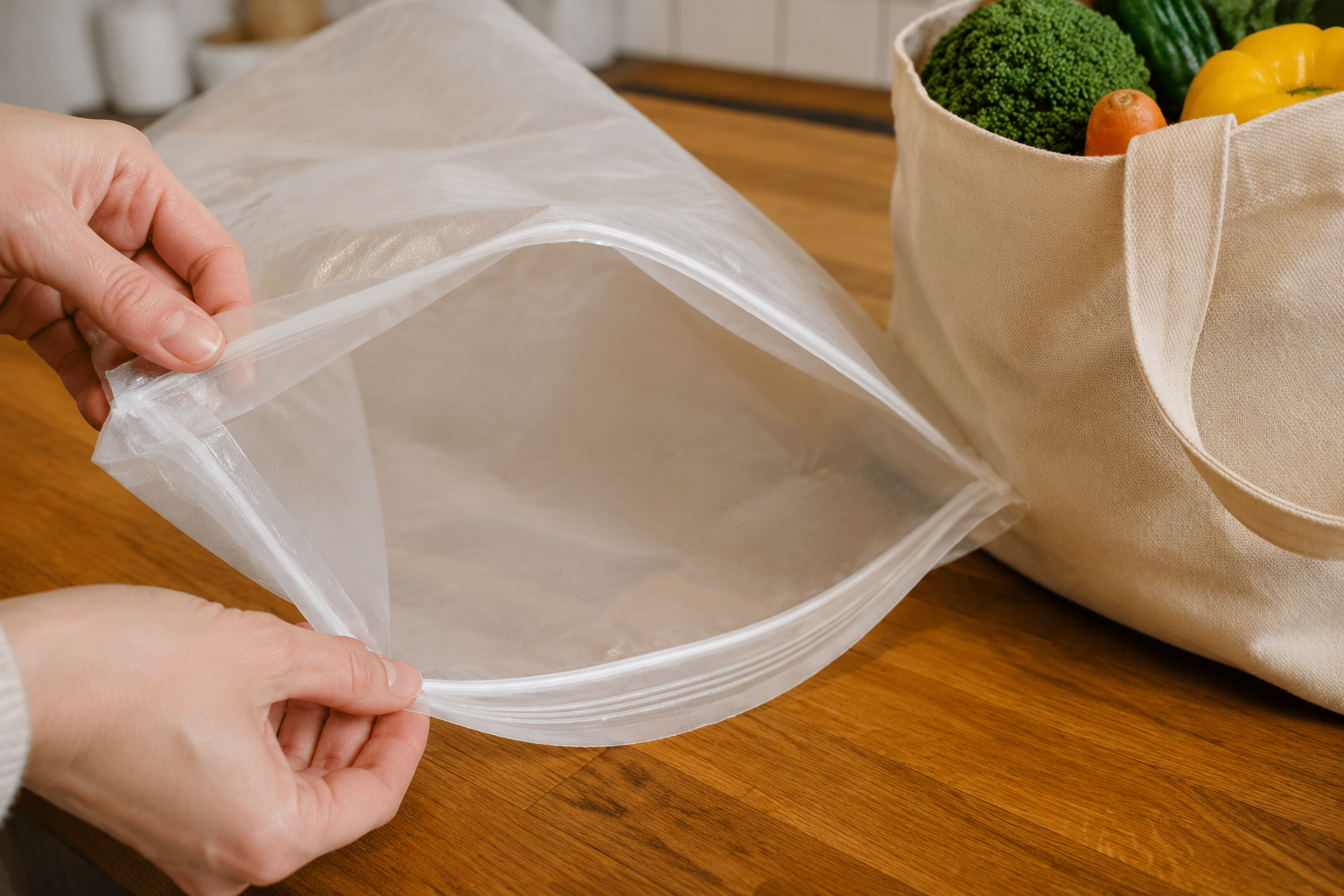
- Characteristics: PEVA (polyethylene vinyl acetate) is a non-chlorinated vinyl, often used as a safer alternative to PVC. These bags are typically clear, lightweight, and have a zipper-style seal.
- Benefits:
- Lightweight and Flexible: Convenient for daily use and travel.
- Transparent: Allows for easy identification of contents.
- Freezer Safe: Suitable for short-term freezer storage.
- More Affordable: Often a more budget-friendly entry point into reusable bags compared to silicone.
- Ideal Uses: Packing sandwiches, snacks, and small items for school or work lunches; short-term food storage in the refrigerator; organizing small pantry items.
Features to Look For in Reusable Food Bags
When selecting reusable food bags, several key features can significantly impact their performance, durability, and suitability for your specific needs.
- Material Quality and Safety: Always prioritize bags made from food-grade, non-toxic materials. Look for certifications like “BPA-free,” “PVC-free,” and “phthalate-free.” High-quality silicone, organic cotton, or certified food-safe PEVA are excellent choices.
- Sealing Mechanism:
- Airtight/Leak-Proof: Essential for liquids, marinades, and preventing spoilage or freezer burn. Silicone bags often feature superior pinch-lock seals.
- Zipper-Style: Common in PEVA bags and some silicone designs, offering a secure closure for solid foods.
- Drawstring/Roll-Top: Found in fabric bags, suitable for produce and dry goods where breathability is a factor.
- Durability and Longevity: Invest in bags that feel robust and are designed for repeated use. Reinforced seams, thick materials, and high-quality closures contribute to a longer lifespan, maximizing your investment and environmental impact.
- Ease of Cleaning:
- Dishwasher Safe: Many silicone bags are top-rack dishwasher safe, offering ultimate convenience.
- Hand Washable: All types can be hand washed. Look for designs that are easy to turn inside out or have wide openings for thorough scrubbing.
- Quick Drying: Materials that dry quickly prevent mold and mildew.
- Temperature Versatility:
- Freezer Safe: Crucial for meal prep and long-term storage.
- Microwave Safe: Convenient for reheating leftovers directly in the bag (primarily silicone).
- Oven Safe: A feature of some silicone bags for cooking or reheating.
- Size and Shape Variety: A good collection will include various sizes, from small snack bags to gallon-sized storage options. Consider stand-up designs for easier filling and storage, or flat bags for space efficiency.
- Transparency: Clear or semi-transparent bags allow you to quickly identify contents, reducing rummaging and food waste.
Applications and Use Cases for Reusable Food Bags
The versatility of reusable food bags makes them indispensable across numerous aspects of daily life, extending far beyond simple sandwich packing.
- Lunch and Snack Packing: The most common application. Perfect for sandwiches, fruit slices, nuts, crackers, and other on-the-go snacks for school, work, or travel. Silicone bags are particularly good for preventing leaks from juicy fruits or dips.
- Grocery Shopping:
- Bulk Bins: Fabric bags (especially cotton or mesh) are excellent for purchasing grains, nuts, seeds, coffee beans, and spices from bulk sections, eliminating the need for single-use plastic bags.
- Produce: Mesh produce bags allow fruits and vegetables to breathe, extending their freshness compared to sealed plastic bags, and can go straight into the refrigerator.
- Freezer Storage: Silicone bags excel here due to their robust seals and temperature resistance. Use them for:
- Freezing individual portions of fruits and vegetables (e.g., berries, chopped peppers).
- Storing marinated meats or poultry.
- Pre-portioned smoothie ingredients.
- Freezing soups, broths, and sauces flat for space-saving storage.
- Meal Preparation: Streamline your meal prep by using reusable bags to:
- Store chopped vegetables for quick weeknight meals.
- Portion out ingredients for specific recipes.
- Marinate proteins efficiently without plastic wrap.
- Pantry Organization: Fabric bags can be used to store dry goods like pasta, rice, lentils, or pet treats, keeping your pantry tidy and reducing reliance on plastic containers.
- Travel and On-the-Go: Beyond food, these bags are great for organizing toiletries, small electronics, craft supplies, or toys when traveling, keeping everything contained and spill-free.
Care and Maintenance for Longevity
To maximize the lifespan and hygiene of your reusable food bags, proper care and maintenance are crucial.
- Washing:
- Silicone Bags: Many are dishwasher safe (top rack recommended). For hand washing, use warm soapy water and a bottle brush to reach corners. Turn them inside out for thorough cleaning.
- Fabric Bags: Machine wash with your regular laundry (cold water, gentle cycle) and air dry. For mesh produce bags, a quick rinse and air dry often suffice.
- PEVA Bags: Hand wash with warm soapy water. Avoid extreme heat from dishwashers as it can degrade the material and seals.
- Drying: Ensure bags are completely dry before storing to prevent mold and mildew growth.
- Air Drying: Hang them upside down on a drying rack, or use specialized bag drying stands.
- Silicone: Some can be placed over an open bottle or jar to air dry.
- Storage: Once dry, store bags neatly. Many silicone bags can be rolled or folded, and fabric bags can be easily tucked away. Keep them in an easily accessible spot so they are ready for their next use.
- Stain and Odor Removal:
- Baking Soda: For stubborn odors or stains, create a paste with baking soda and water, apply to the affected area, let sit, then wash thoroughly.
- Lemon Juice/Vinegar: Can help with stains and odors, particularly in silicone bags.
- Sunlight: Exposing silicone bags to direct sunlight can naturally help dissipate odors.
Making the Switch: Tips for Integration
Transitioning to reusable food bags doesn’t have to be an overwhelming overhaul. A gradual, mindful approach can make the process smooth and sustainable.
- Start Small: Don’t feel pressured to replace all your disposable bags overnight. Begin with one or two key areas, such as packing lunches or storing produce.
- Identify Your Needs: Consider how you currently use disposable bags. Do you mainly pack snacks? Freeze leftovers? Shop in bulk? This will help you choose the right types and sizes of reusable bags to invest in first.
- Invest in Quality: While there are budget-friendly options, investing in higher-quality bags (especially silicone) often means greater durability and longevity, making them a better long-term value.
- Create a System: Designate a specific drawer or bin in your kitchen for clean, dry reusable bags. This makes them easy to find and encourages regular use.
- Keep Them Accessible: Store a few clean bags in your grocery tote or car so you’re always prepared for impromptu bulk purchases or produce shopping.
- Educate Your Household: Ensure everyone in your family understands how to use and care for the reusable bags. Consistency is key to making the switch successful.
- Labeling: For freezer storage or meal prep, consider using a non-toxic marker (like a grease pencil) directly on silicone bags or attaching labels to fabric bags to keep track of contents and dates.
Making the Switch: Tips for Integration
Conclusion
Reusable food bags represent a simple yet profoundly impactful step towards a more sustainable and mindful lifestyle. By consciously choosing to replace single-use plastics with durable, washable alternatives, we contribute directly to reducing landfill waste, combating ocean pollution, and conserving precious resources. Beyond their environmental benefits, these innovative storage solutions offer significant economic savings over time, enhance food safety by eliminating harmful chemicals, and provide unparalleled convenience and versatility in the kitchen and on the go.
Whether you opt for the robust, temperature-resistant nature of silicone, the breathable charm of fabric, or the lightweight utility of PEVA, there is a reusable food bag perfectly suited to every need and preference. Making the switch is an investment in a healthier planet and a more efficient, organized kitchen. Embrace the change, one reusable bag at a time, and join the growing movement towards a future where convenience and sustainability go hand in hand.
Table of Contents
reusable food bags: practical overview
Sourcing and support
Explore VN Plastic packaging products, review independent information from an authoritative environmental resource, or contact VN Plastic for a tailored specification and quotation.