PP and PE prices are facing fresh upward pressure after damage to Saudi Arabia’s East-West Pipeline disrupted a key crude route and added new uncertainty to Middle East petrochemical supply. For packaging converters and importers, the immediate issue is not only the benchmark price of resin but also the reliability, lead time and replacement cost of the next cargo.
Table of Contents
What happened to the Saudi East-West Pipeline?
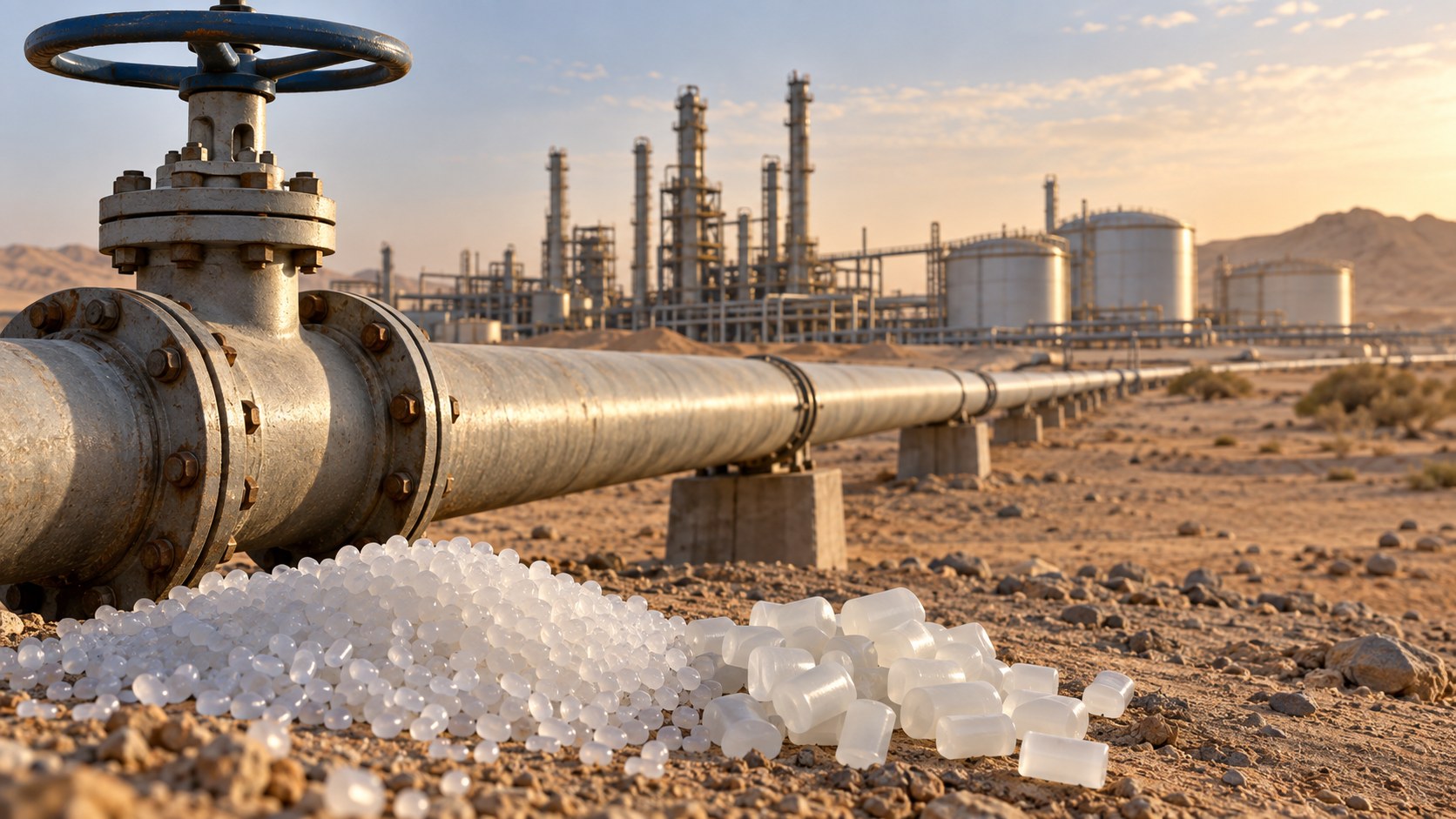
Saudi Arabia shut the East-West Pipeline after attacks damaged parts of the system in September. The approximately 1,200-kilometre route connects the kingdom’s eastern oil-producing region with the Red Sea export terminal at Yanbu. It became more strategically important as shipping through traditional Gulf and Red Sea routes faced additional disruption.
Associated Press reporting said the pipeline could remain mostly out of service for weeks while repairs are completed. Other reports indicate that Saudi Arabia is seeking a partial restart and offering additional crude cargoes to Asian refiners through alternative arrangements via Oman. These developments may ease the sharpest immediate supply concern, but they do not remove the risk of slower and less predictable flows.
Why PP and PE prices are moving higher
Crude oil crossed USD 100 per barrel in September and briefly traded above USD 110 as geopolitical and supply concerns intensified. According to ICIS market analysis, higher crude has lifted naphtha, propane and other feedstocks across Asian petrochemical chains even while downstream demand remains weak.
For polyethylene, higher naphtha and ethylene replacement costs can support firmer HDPE, LDPE and LLDPE offers. For polypropylene, energy, propane and propylene costs can put further pressure on producer margins. When plants operate at reduced rates or suppliers shorten quotation validity, PP and PE prices can rise even before end-use demand fully recovers.
The relationship is not automatic. Inventory, regional supply, contract formulas, currency, operating rates and downstream consumption all influence the final quotation. Buyers should track PP and PE prices by grade and origin instead of applying one regional headline to every order. Buyers should therefore read the current market as a combination of higher upstream cost and tighter logistical visibility—not as a promise that every grade will increase continuously.
Impact on Vietnam and Asian buyers
Asia is particularly exposed because Middle Eastern producers are important suppliers of polyethylene and polypropylene to the region. ChemOrbis reported that PP and PE markets in Southeast Asia, China, India and other regions have already responded to higher energy and replacement costs, with Vietnam’s import prices reaching three-month highs and local prices reaching multi-month highs.
For Vietnamese buyers, the effect can appear in several places: shorter quotation validity, higher import parity, added surcharges on later deliveries and fewer prompt cargoes from the Middle East. A buyer may still find a competitive nominal offer, but the total landed cost can change if transit, port handling or delivery timing changes.
Logistics are another source of cost risk
The pipeline outage does not mean Saudi polymer exports have stopped altogether. However, rerouting feedstocks, congestion at western gateways, longer inland movements and uncertain tanker schedules can reduce the amount of prompt material available to buyers. PP and PE prices may therefore reflect logistics efficiency as much as the resin itself.
This matters for PE film converters, garbage-bag manufacturers, food-bag producers and stretch-film buyers whose production schedules depend on consistent resin arrival. A delayed cargo can create a second cost: the need to replace the missing material on a shorter timeline, often with less negotiating room. This is why PP and PE prices should be reviewed together with delivery reliability.
5 actions for packaging buyers
- Confirm near-term demand first. Separate firm orders from flexible forecasts and secure the material needed for production dates that cannot move.
- Ask for a clear validity period. When PP and PE prices are volatile, confirm how long the offer, freight assumption and delivery schedule remain valid.
- Share accurate specifications. Provide grade, application, thickness, dimensions, color, printing, packing, quantity and destination so the supplier can plan the right material.
- Compare total landed cost. Include resin, conversion, freight, duties, port charges, delivery time and the cost of a potential replacement cargo.
- Plan staged deliveries. A rolling shipment schedule can protect supply continuity without forcing the buyer to overstock every future requirement.
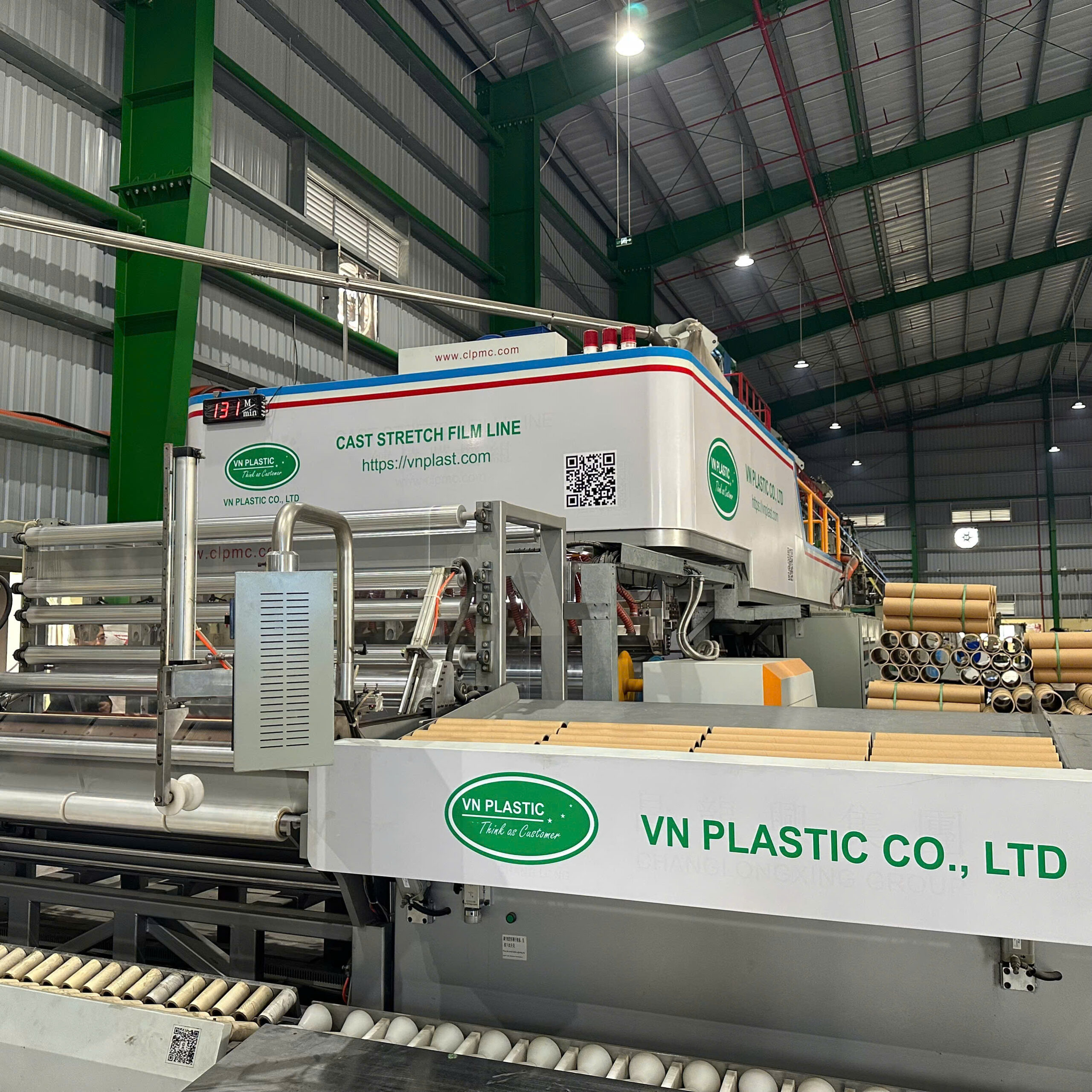
These steps do not eliminate market risk, but they make procurement decisions more deliberate. Buyers can also review VN Plastic’s plastic packaging product range and our stretch-film manufacturing capabilities when reviewing upcoming requirements.
VN Plastic’s approach
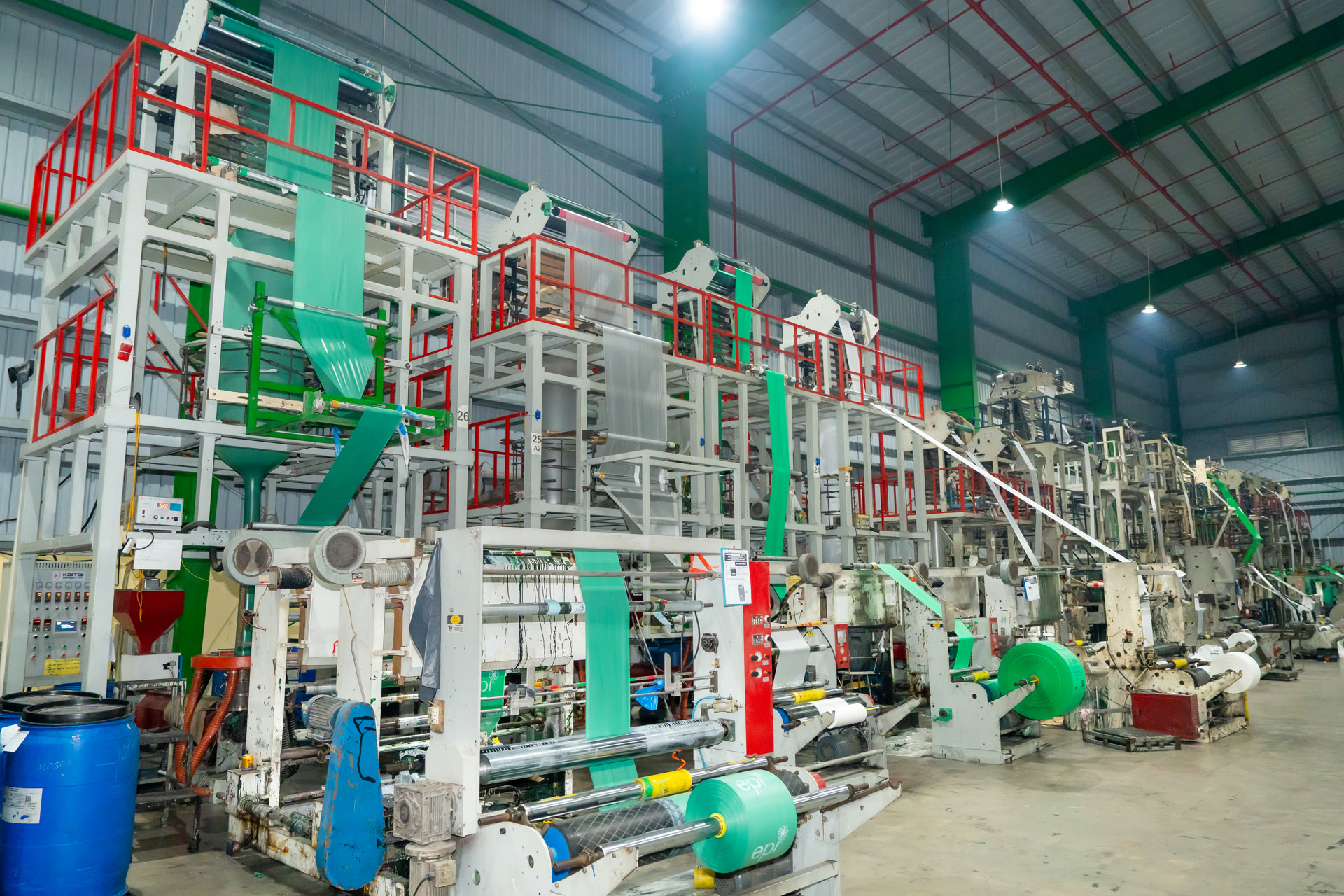
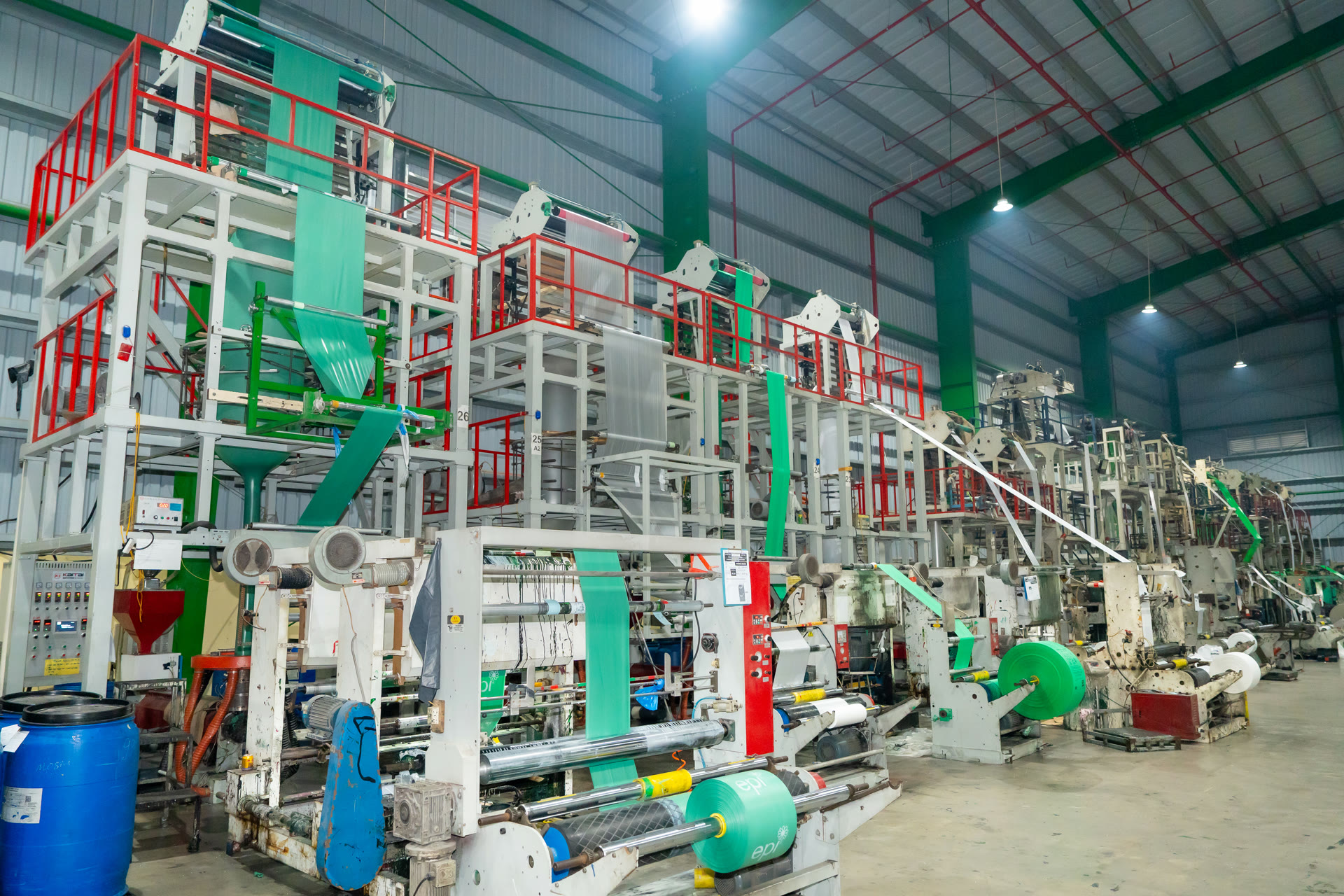
VN Plastic Co., Ltd. continues to monitor international resin quotations, crude oil, feedstock markets, plant operating rates and shipping conditions. As a PE packaging manufacturer supplying HDPE and LDPE bags, can liners, T-shirt bags, produce bags, polyethylene films and stretch film, material stability is essential to dependable production planning.
We work with multiple resin suppliers and origins to reduce dependence on one source. We also review formulation, purchasing timing and production scheduling so customers can make decisions with clearer information when PP and PE prices change quickly.
If you are planning imports for the coming weeks or months, send VN Plastic your product specification, quantity and delivery timeline. Our team will review the supply plan and help you balance price, availability and production continuity.
For a tailored quotation, contact VN Plastic and share your expected order schedule.
Frequently asked questions
Why is the Saudi pipeline important to PP and PE markets?
The East-West Pipeline provides an alternative route for Saudi crude to reach the Red Sea. Damage to the route can affect feedstock availability, west-coast petrochemical operations and the timing of cargoes, adding risk to regional replacement costs.
Will PP and PE prices keep rising?
Not necessarily. A partial pipeline restart, alternative crude loadings and weaker downstream demand could reduce some pressure. However, higher feedstocks, vulnerable logistics and uncertain delivery schedules can keep PP and PE prices volatile.
What should Vietnamese importers monitor?
Monitor quotation validity, Middle East cargo availability, freight and surcharges, port congestion, resin grade-specific offers and your own inventory cover. Compare delivered cost rather than relying only on a headline price.
How can a packaging manufacturer prepare?
Lock critical specifications early, maintain approved material alternatives, forecast volumes and coordinate production slots with the supplier. This gives both sides more options if logistics or PP and PE prices move suddenly.
VN Plastic – Think As Customer.