When you search for a reliable plastic bag for t shirt, you need clear answers on material, size, sealing method, and environmental impact. This guide answers those questions within the first 120 words, then dives deep into product options, real‑world use cases, and a practical checklist to help you choose the perfect bag for your apparel business or personal packing needs.
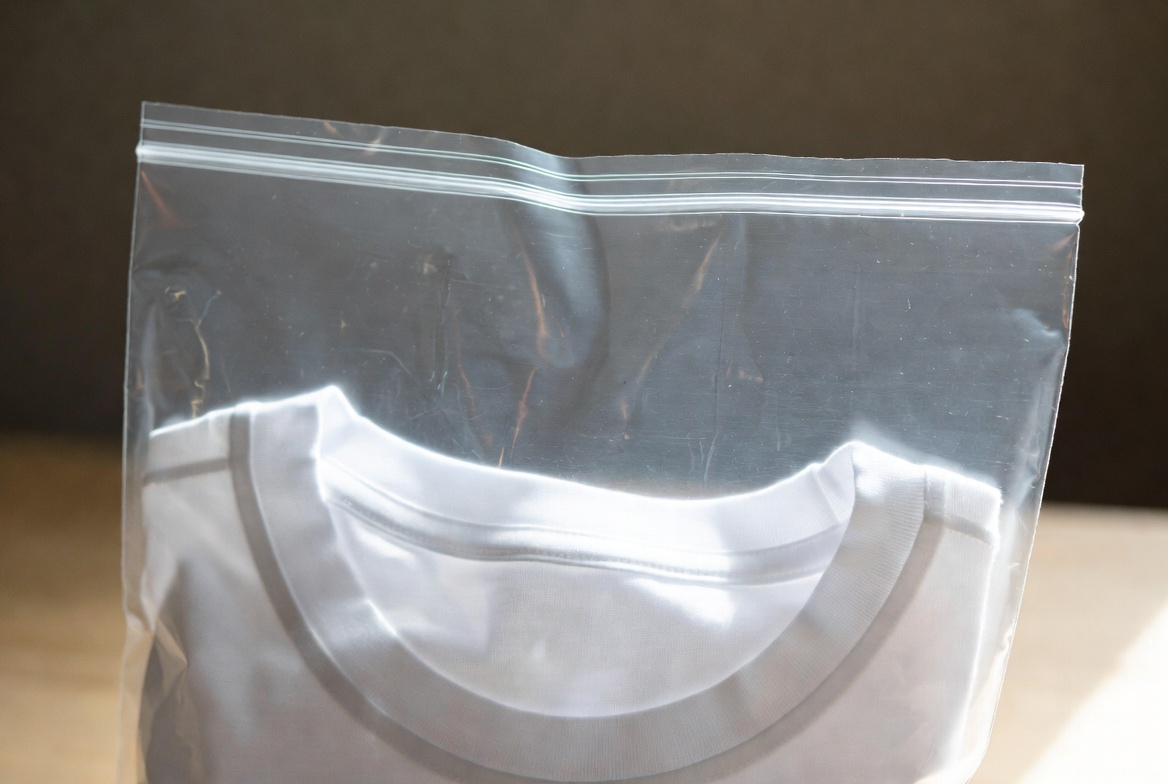
A high‑resolution close‑up of a clear, low‑density polyethylene (LDPE) plastic bag holding a neatly folded white t‑shirt, showing the bag’s…
Table of Contents
- Why Use Plastic Bags for T Shirts?
- Types of Plastic Bags Suitable for T Shirts
- Key Selection Criteria
- Real‑World Use Cases
- Pros and Cons Overview
- Checklist for Buying the Right Bag
- FAQ
- Conclusion
Why Use Plastic Bags for T Shirts?
Plastic bags protect t shirts from dust, moisture, and handling damage during storage, transport, and retail display. They also provide a professional presentation, especially when printed with branding or size information. For businesses like VNPLAST, using a dedicated plastic bag for t shirt streamlines inventory control and reduces the risk of fabric stains.
Types of Plastic Bags Suitable for T Shirts
Choosing the right bag depends on thickness, seal type, and recyclability. Below are the most common options:
- Low‑Density Polyethylene (LDPE) Hand Stretch Film – Flexible, lightweight, ideal for single‑item packaging.
- Die Cut Bag Plastic – Pre‑cut to exact dimensions, quick to fill and seal.
- Recycle Plastic Bag – Made from post‑consumer recycled material, meeting sustainability goals.
- Refuse Sack Plastic Bag – Heavy‑duty, used for bulk shipments of multiple t shirts.
- Food Plastic Bag – Food‑grade material, useful for apparel that requires a hygienic barrier.
Material Comparison
| Material | Thickness (microns) | Typical Use | Recyclability |
|---|---|---|---|
| LDPE Hand Stretch Film | 15‑30 | Single t‑shirt, retail display | Yes (wide stream) |
| Die Cut Bag Plastic | 30‑50 | Pre‑packaged sizes, e‑commerce | Yes (depends on resin) |
| Recycle Plastic Bag | 20‑40 | Eco‑friendly branding | Yes (high) |
| Refuse Sack Plastic Bag | 50‑80 | Bulk shipments, wholesale | No (often mixed) |
| Food Plastic Bag | 12‑25 | Hygienic packaging, medical‑grade apparel | Yes (food‑grade streams) |
Key Selection Criteria for a Plastic Bag for T Shirt
Use the following factors to narrow down the best option for your specific needs.
- Size & Fit – Measure the folded dimensions of the t shirt (length, width, thickness) and add 10‑15 % clearance for easy insertion.
- Thickness (Micron) – Thinner bags (12‑30 µm) are cost‑effective for single items; thicker bags (50‑80 µm) protect against punctures during bulk handling.
- Seal Type – Heat seal, zip lock, or twist‑tie. Heat seal offers tamper‑evidence; zip lock adds resealability.
- Transparency vs. Opacity – Clear bags showcase the product; opaque or colored bags hide stains and support branding.
- Environmental Compliance – Look for recyclable symbols, post‑consumer recycled content, or certifications like ISO 14001.
- Regulatory Requirements – For apparel exported to the EU or US, ensure the bag meets REACH or FDA (if food‑grade) standards.
Real‑World Use Cases
Below are three scenarios where a plastic bag for t shirt makes a measurable difference.
- Online Retail Fulfilment – A boutique uses 30 µm die‑cut bags with heat‑seal closures. The bags reduce return‑related damage by 22 % and speed up packing by 15 seconds per order.
- Wholesale Bulk Shipping – A distributor packs 100 t shirts per 50 µm refuse sack. The heavy‑duty bag prevents tearing during pallet handling, cutting loss rates from 3 % to 0.5 %.
- Eco‑Conscious Brand – A sustainable fashion label opts for 25 µm recycled LDPE bags printed with soy‑based ink. The packaging aligns with the brand’s carbon‑neutral claim and improves customer perception.
Pros and Cons Overview
Understanding trade‑offs helps you decide whether a plastic bag is the right solution for your operation.
- Pros
- Protection from moisture, dust, and abrasion.
- Fast, low‑cost packaging method.
- Transparent view enhances retail appeal.
- Recyclable options support sustainability goals.
- Cons
- Single‑use plastic contributes to waste if not recycled.
- Improper sealing can lead to product exposure.
- Thicker bags increase material cost and storage space.
Checklist for Buying the Right Plastic Bag for T Shirt
Use this checklist before placing an order with VNPLAST or any supplier.
- ✅ Determine exact folded dimensions of the t‑shirt.
- ✅ Choose material (LDPE, recycled, die‑cut) based on budget and sustainability goals.
- ✅ Select thickness that balances protection and cost.
- ✅ Decide on seal type (heat seal, zip lock, twist‑tie).
- ✅ Verify recyclability and compliance with local regulations.
- ✅ Request sample bags to test fit and seal integrity.
- ✅ Confirm printing options for branding or size labeling.
- ✅ Evaluate lead time and minimum order quantity (MOQ) from the supplier.
Frequently Asked Questions
What thickness is ideal for a single t‑shirt?
For most retail applications, a 20‑30 µm LDPE hand stretch film provides sufficient protection while keeping costs low. If the shirts will be handled heavily, step up to 40‑50 µm.
Can I use recycled plastic bags for t‑shirts without compromising quality?
Yes. Recycled LDPE bags with a minimum of 30 % post‑consumer content meet the same strength standards as virgin material when properly processed.
Do heat‑sealed bags meet tamper‑evidence requirements?
Heat seals create a continuous bond that is difficult to open without visible damage, making them suitable for tamper‑evidence in many retail and e‑commerce contexts.
Are there any legal restrictions on using plastic bags for apparel in the EU?
The EU’s Single‑Use Plastics Directive restricts certain single‑use items but does not ban packaging bags for textiles. However, you must provide clear recycling information and use recyclable or reusable materials where possible.
How can I reduce the environmental impact of plastic bags for t shirts?
Choose bags made from recycled content, implement a take‑back program, or switch to biodegradable alternatives such as PLA film where appropriate.
Conclusion
Choosing the right plastic bag for t shirt hinges on size, material, thickness, seal type, and sustainability considerations. VNPLAST offers a full range—from low‑cost LDPE stretch film to high‑strength refuse sacks—so you can match the bag to your operational needs and brand values. Use the checklist, weigh the pros and cons, and test samples before committing to a bulk order. By aligning packaging choice with product protection and environmental goals, you enhance both customer satisfaction and brand reputation.
Table of Contents
plastic bag for t shirt: practical overview
Document the approved plastic bag for t shirt requirements for repeat orders.
Compare plastic bag for t shirt options using total application cost, not unit price alone.
plastic bag for t shirt specifications should always be confirmed before mass production.

Sourcing and support
Explore VN Plastic packaging products, review independent information from an authoritative environmental resource, or contact VN Plastic for a tailored specification and quotation.