When you search for a reliable solution to keep your waste containers clean and odor‑free, the plastic bag liner roll is often the first product that appears. A plastic bag liner roll is a continuous roll of pre‑cut, heavy‑duty polyethylene bags that can be fed into any standard trash can, recycling bin, or hazardous waste container. This article explains how these rolls work, why they are essential for businesses and households, and how to select the best option for your specific needs.
- Table of Contents
- What Is a Plastic Bag Liner Roll?
- Key Benefits of Using Liner Rolls
- How to Choose the Right Plastic Bag Liner Roll
- Comparison: Plastic Bag Liner Roll vs. Pre‑Cut Bags
- Installation & Maintenance Checklist
- Common Use Cases for Plastic Bag Liner Rolls
- Frequently Asked Questions
- Conclusion
Table of Contents
- What Is a Plastic Bag Liner Roll?
- Key Benefits of Using Liner Rolls
- How to Choose the Right Roll
- Comparison: Roll vs. Pre‑Cut Bags
- Installation & Maintenance Checklist
- Common Use Cases
- Frequently Asked Questions
- Conclusion
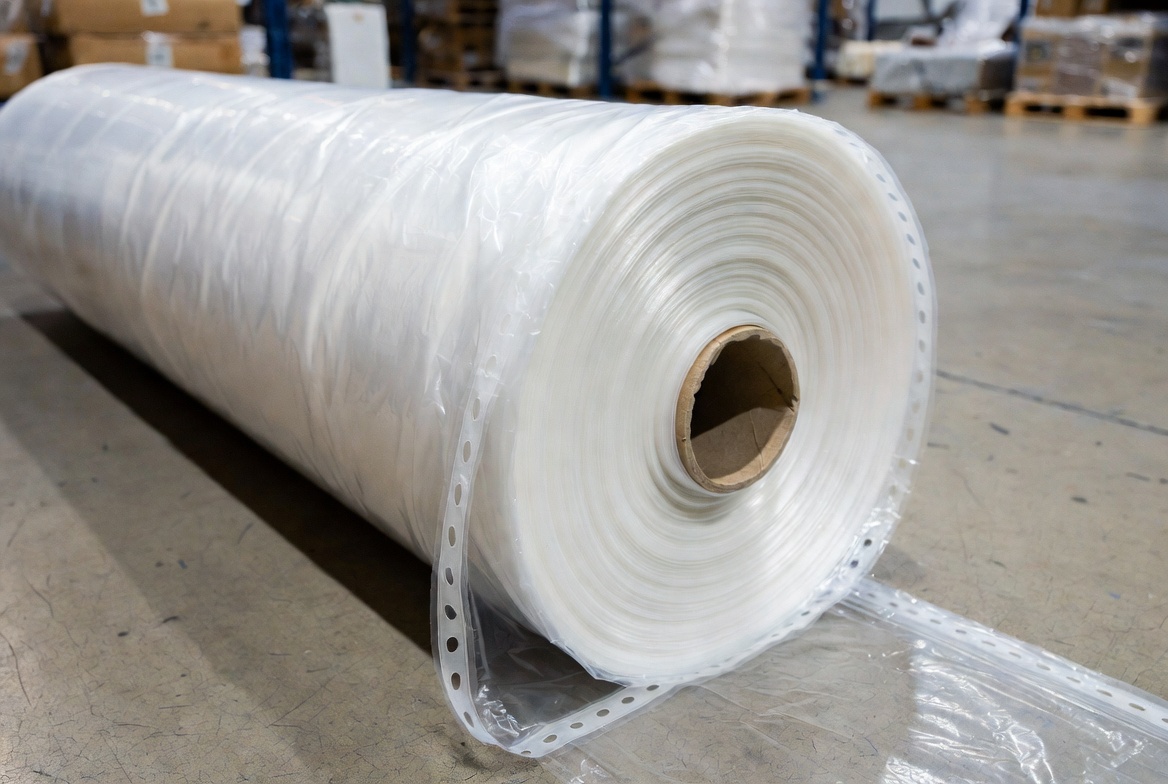
Table of Contents
What Is a Plastic Bag Liner Roll?
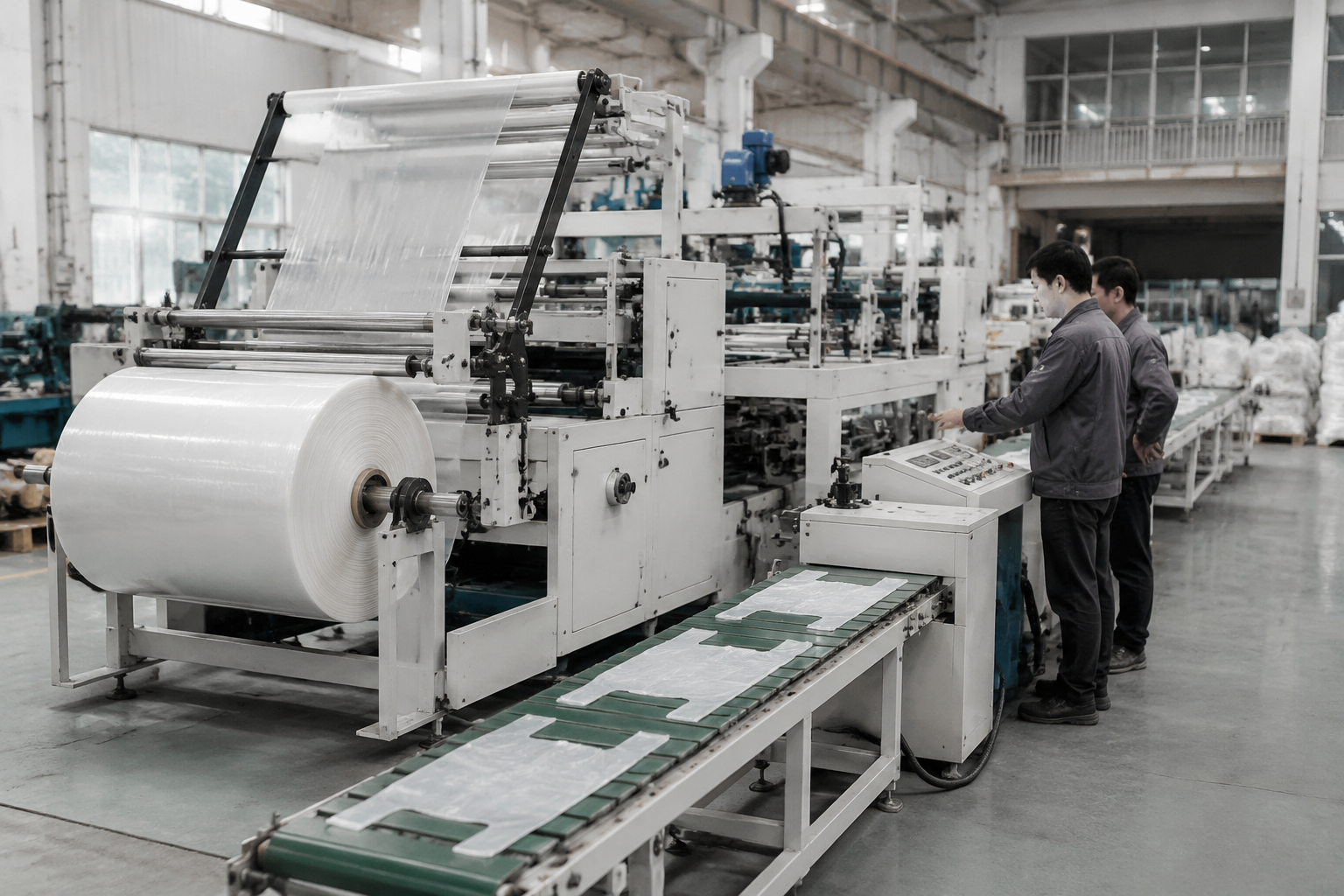
A plastic bag liner roll consists of a continuous strip of high‑density polyethylene (HDPE) or low‑density polyethylene (LDPE) that is pre‑perforated at regular intervals. Each perforation creates a ready‑to‑use bag, typically ranging from 30 µm to 100 µm in thickness, depending on the intended application. The roll can be cut manually with a blade or fed through an automatic dispenser that produces uniform bags on demand.
Key Benefits of Using Liner Rolls
- Cost Efficiency: Buying in bulk reduces per‑bag cost compared with individual pre‑cut bags.
- Reduced Waste: Minimal packaging material; the roll itself serves as the primary packaging.
- Versatility: Compatible with standard trash cans, recycling containers, hazardous waste sacks, and even food‑grade bins when using food‑safe polyethylene.
- Convenient Storage: Rolls occupy less floor space than stacked bag boxes.
- Customizable Length: Choose rolls that match the height of your containers to avoid excess material.
How to Choose the Right Plastic Bag Liner Roll
Selecting the optimal roll involves evaluating several decision factors. Use the checklist below to match product specs with your operational needs.
- Bag Thickness (µm):
- 30‑50 µm – suitable for light residential waste.
- 60‑80 µm – ideal for commercial refuse, recycling, and moderate hazardous waste.
- 90‑100 µm – recommended for heavy‑duty applications such as construction debris or industrial chemicals.
- Roll Length (meters): Typical rolls range from 200 m to 1,200 m. Longer rolls reduce change‑over time but require larger dispensers.
- Material Type:
- HDPE – strong, puncture‑resistant, ideal for general waste.
- LDPE – more flexible, better for food‑grade bags.
- Color & Print: Clear for visibility, black for UV protection, or custom‑printed with branding (e.g., VNPLAST logo).
- Compliance: Ensure the roll meets local regulations for hazardous waste, food safety (FDA), or recycling standards.
Comparison: Plastic Bag Liner Roll vs. Pre‑Cut Bags
| Feature | Roll | Pre‑Cut Bags |
|---|---|---|
| Initial Cost | Lower per unit when bought in bulk | Higher per bag |
| Storage Space | Compact roll format | Boxed stacks, larger footprint |
| Flexibility | Custom lengths, on‑demand cutting | Fixed sizes only |
| Environmental Impact | Less packaging waste | More cardboard/plastic packaging |
| Ease of Use | Requires dispenser or cutting tool | Ready‑to‑use out of the box |
Installation & Maintenance Checklist
Follow this step‑by‑step checklist to ensure a smooth rollout of your plastic bag liner rolls:
- Verify roll dimensions match your dispenser or container height.
- Inspect the roll for tears or punctures before installation.
- Secure the roll on a sturdy holder; ensure the perforation line faces upward for easy tearing.
- Test the first cut to confirm bag size and seal integrity.
- Label the dispenser with usage instructions and safety warnings (e.g., “Do not use for hazardous chemicals unless rated”).
- Schedule weekly visual inspections to detect wear or contamination.
- Replace the roll before it runs out to avoid downtime.
Common Use Cases for Plastic Bag Liner Rolls
Businesses across industries rely on liner rolls for specific applications:
- Commercial Waste Management: Large‑scale trash cans in office complexes use 60‑80 µm rolls to handle mixed waste.
- Recycling Facilities: Clear HDPE rolls enable easy sorting of paper, plastic, and metal.
- Food Service: LDPE rolls meet FDA standards for food‑grade trash bags in restaurants and cafeterias.
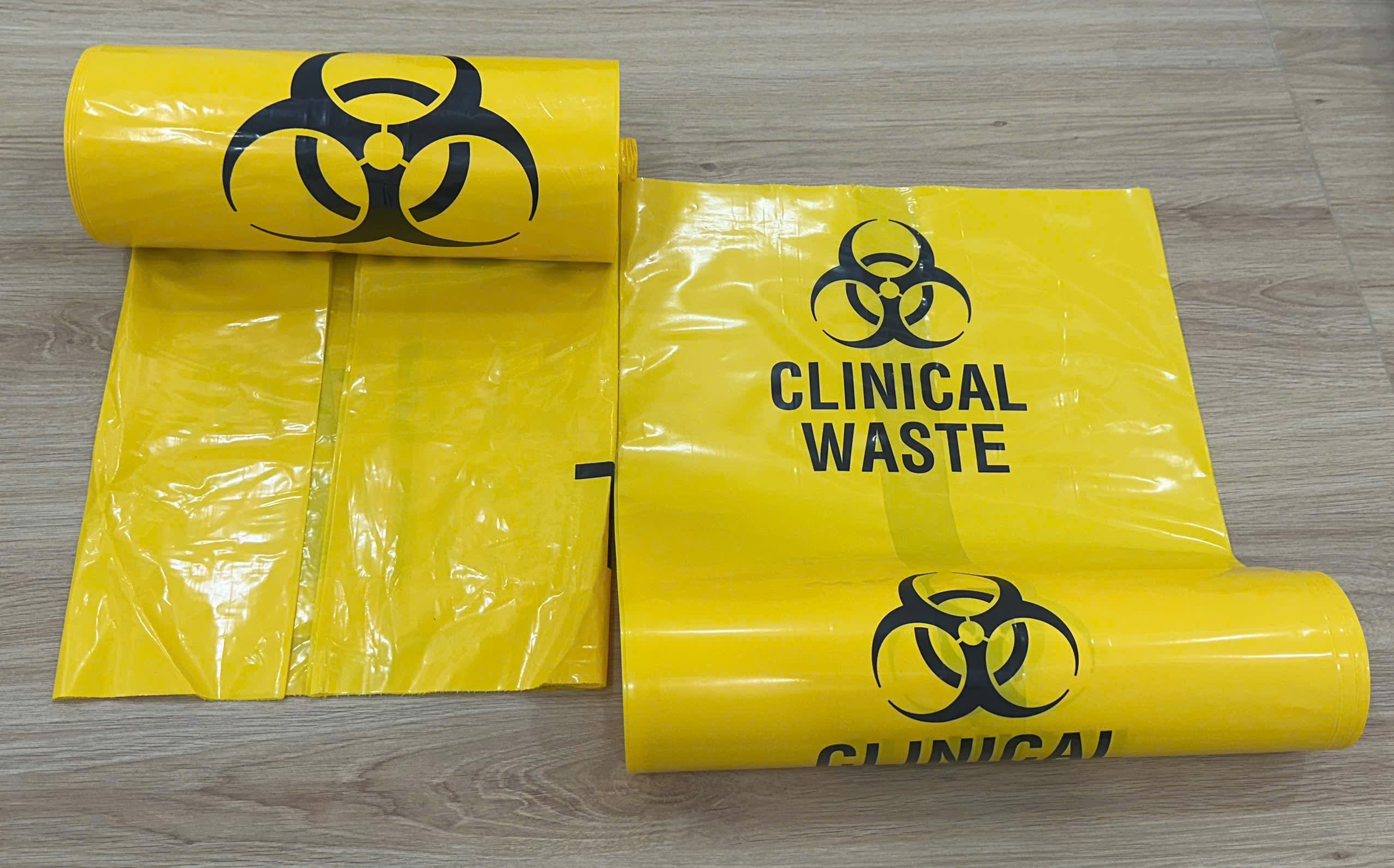
- Hazardous Waste: Specialized black or red rolls with chemical‑resistant additives are used for laboratory or industrial waste.
- Construction Sites: Heavy‑duty 90‑100 µm rolls protect against sharp debris and oil stains.
Frequently Asked Questions
- Can I use a plastic bag liner roll for food waste? Yes, if the roll is made from food‑grade LDPE and meets local health regulations.
- How do I prevent tears when cutting bags? Use a sharp utility knife or a dispenser with a built‑in cutting edge; avoid pulling too quickly.
- Is a roll more environmentally friendly than individual bags? Generally, yes—rolls generate less secondary packaging waste and often use less material per bag.
- What thickness should I choose for hazardous waste? Opt for 90‑100 µm rolls with added chemical‑resistant additives and a dark color for UV protection.
- Can the rolls be recycled after use? The bags themselves are recyclable if they are clean and sorted correctly; the roll core can be repurposed or recycled as plastic scrap.
Conclusion
Choosing the right plastic bag liner roll can streamline waste handling, cut costs, and improve safety across a range of environments—from office buildings to manufacturing plants. By evaluating thickness, material type, roll length, and compliance requirements, you can select a roll that aligns with your operational goals. VNPLAST offers a full line of customizable rolls, including options for food safety, hazardous waste, and heavy‑duty industrial use, ensuring you have the perfect liner for every application.
Table of Contents
plastic bag liner roll: practical overview
Sourcing and support
Explore VN Plastic packaging products, review independent information from an authoritative environmental resource, or contact VN Plastic for a tailored specification and quotation.