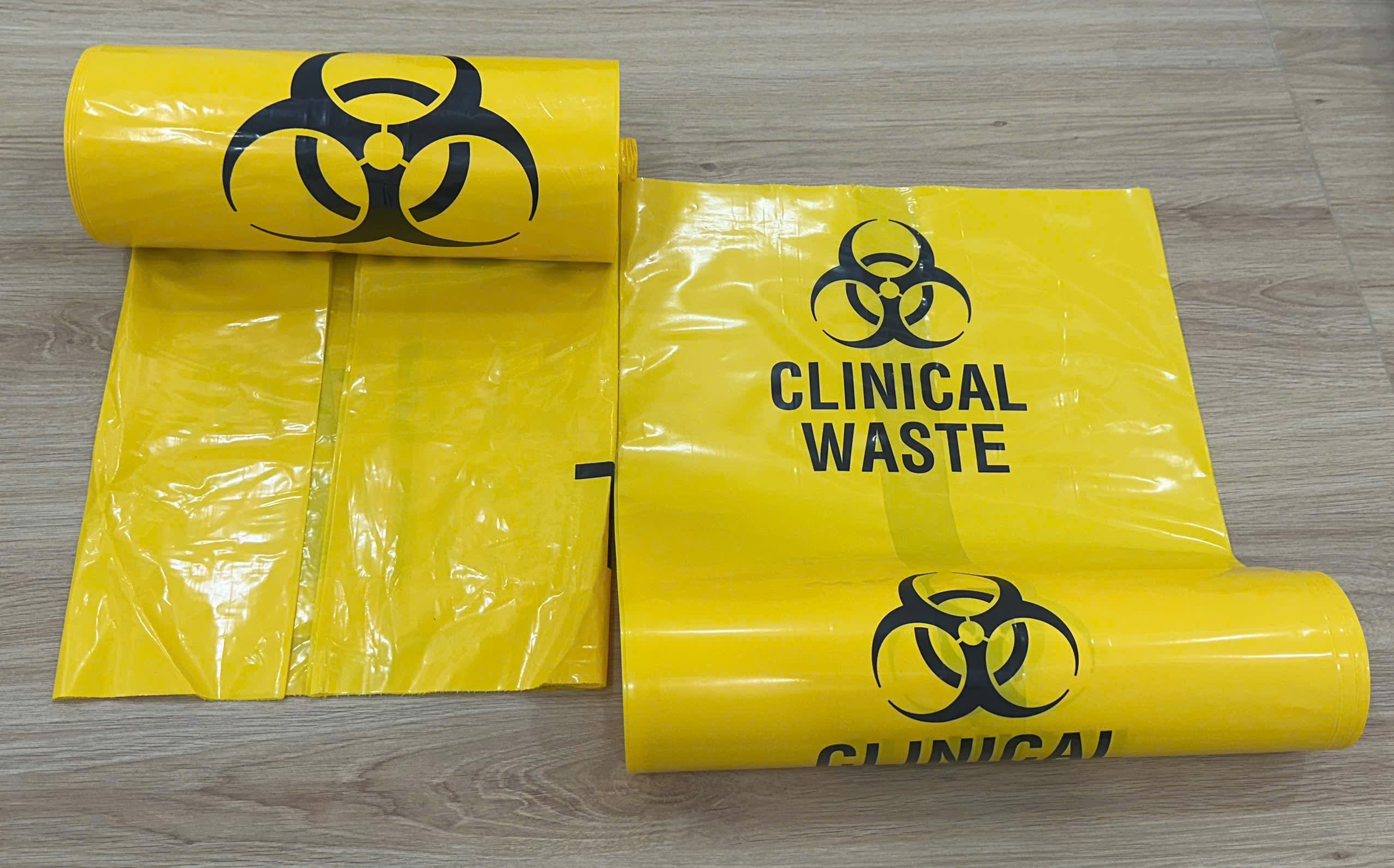
Plastic waste management is the systematic approach to reducing, collecting, processing, and repurposing plastic materials that would otherwise pollute the environment. By implementing a comprehensive plan—covering everything from segregation of plastic bags to the safe handling of hazardous plastic garbage—companies can cut costs, meet regulatory standards, and strengthen their sustainability brand. This guide explains the core components, decision factors, and practical steps needed to build a robust plastic waste management program.
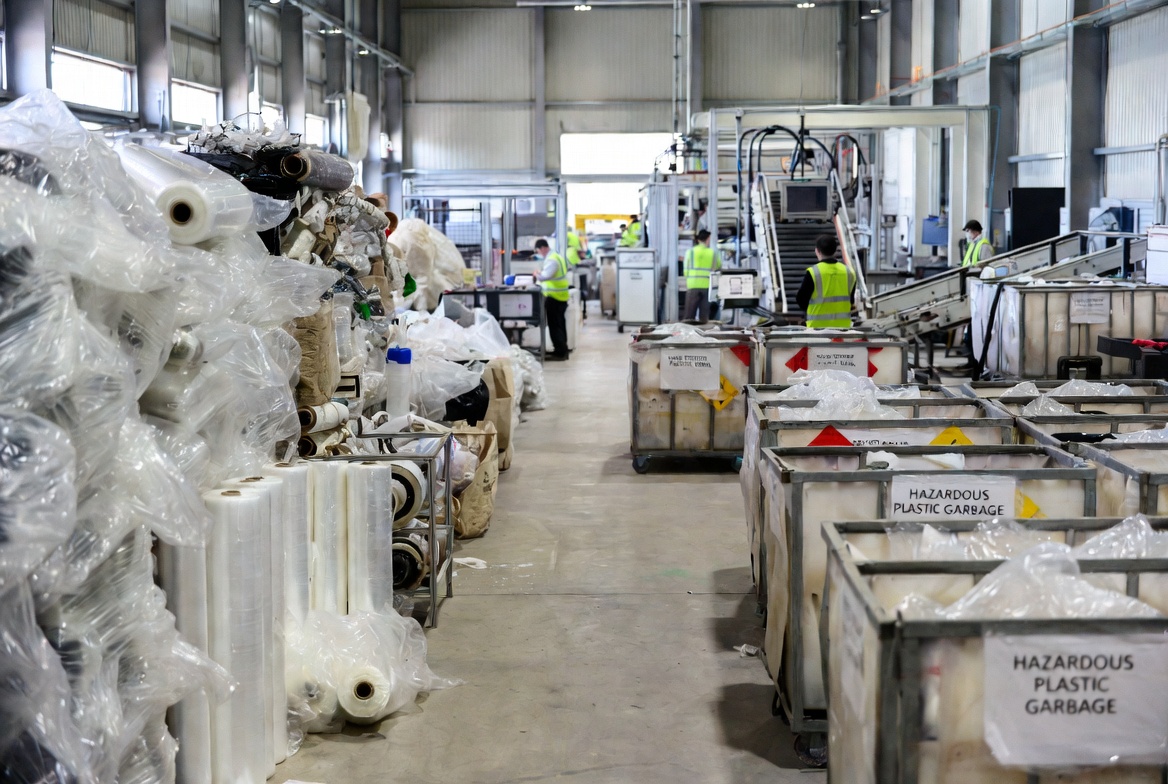
A bustling recycling facility showing sorted piles of clear plastic bags, hand stretch film rolls, die‑cut plastic bags, and hazardous plas…
Why Plastic Waste Management Is Critical for Modern Enterprises
Every year, billions of tonnes of plastic enter landfills and oceans, creating long‑term ecological damage. For businesses, ineffective waste handling leads to:
- Regulatory penalties for non‑compliance with local waste‑disposal laws.
- Higher operating costs due to inefficient collection and disposal.
- Brand erosion as consumers demand transparent sustainability practices.
- Resource loss because many plastics can be reclaimed and reused.
Core Elements of a Robust Plastic Waste Management System
1. Waste Segregation at Source
Separate plastic streams at the point of generation to simplify downstream processing. Typical categories include:
- Food plastic bags
- Hand stretch film
- Die‑cut bag plastic
- Refuse sack plastic bags
- Hazardous plastic garbage
2. Collection & Transportation Logistics
Optimize routes and container types to reduce fuel consumption and prevent spillage. Use block header plastic bags for bulk transport and handle wrap tool plastic bags for secure bundling.
3. Treatment Technologies
- Mechanical recycling: Shredding, washing, and re‑extruding plastics into new products.
- Chemical recycling: Depolymerizing plastics into monomers for higher‑value reuse.
- Energy recovery: Converting non‑recyclable plastics into fuel through pyrolysis.
4. End‑Use Integration
Partner with manufacturers who can incorporate reclaimed plastics into new items such as durable bags, packaging films, or construction components.
Common Plastic Waste Streams and Their Optimal Treatment Paths
| Plastic Type | Typical Use | Best Management Practice |
|---|---|---|
| Plastic bag (single‑use) | Retail packaging | Collect in designated bins; send to mechanical recycling for re‑spun film. |
| Hand stretch film | Pallet wrapping | Reuse up to 5 cycles; then recycle via granulation. |
| Die‑cut bag plastic | Food service | Separate from contaminated waste; melt‑extrude into new food‑grade film. |
| Hazardous plastic garbage | Medical or chemical waste | Contain in sealed refuse sacks; transport to licensed hazardous‑waste facility. |
Implementing Plastic Waste Management in Your Business
Step‑by‑Step Implementation Guide
- Audit current waste streams: Identify volume, type, and disposal costs of each plastic category.
- Set measurable targets: Example – “Reduce virgin plastic consumption by 30% within 12 months.”
- Choose the right containers: Use color‑coded bins for food plastic bags, hazardous plastic garbage, and recyclable film.
- Partner with a specialist provider: Look for companies like VNPLAST that offer integrated solutions for recycle plastic bag processing and custom handling tools.
- Train staff: Conduct quarterly workshops on segregation rules and safety protocols for hazardous plastics.
- Monitor and report: Use a digital dashboard to track kilograms recycled vs. disposed, and publish results in sustainability reports.
Decision Checklist for Selecting a Plastic Waste Management Provider
- Service coverage: Does the provider handle all identified plastic streams (e.g., hand stretch film, die‑cut bags)?
- Processing technology: Mechanical vs. chemical recycling capabilities.
- Compliance certifications: ISO 14001, local hazardous‑waste permits.
- Cost structure: Transparent pricing per kilogram, volume discounts, and any hidden fees.
- Reporting tools: Real‑time data access and customizable sustainability metrics.
- Reference clients: Experience with similar industries (food service, logistics, manufacturing).
Case Study: VNPLAST’s Integrated Solution for Plastic Bags
VNPLAST, a leading supplier of industrial plastics in Vietnam, launched a closed‑loop program that turns post‑consumer plastic bags into new hand stretch film and block header plastic bags. The process includes:
- Collection of used bags via branded refuse sack plastic bags placed at retail partners.
- Sorting and cleaning using automated optical scanners to separate contaminated material.
- Shredding and melt‑extrusion to produce high‑strength film suitable for pallet wrapping.
- Distribution back to customers, reducing the need for virgin resin by up to 40%.
Key outcomes after 18 months:
- 12,000 tonnes of plastic diverted from landfill.
- Cost savings of 22 % on raw material purchases for participating clients.
- Recognition from the Ministry of Natural Resources for innovative waste reduction.
Pros and Cons of Common Plastic Waste Management Approaches
- Mechanical Recycling
- Pros: Low energy use, established market for recycled pellets.
- Cons: Limited to clean, single‑type plastics; quality degradation over cycles.
- Chemical Recycling
- Pros: Handles mixed and contaminated streams; produces virgin‑like monomers.
- Cons: Higher capital cost, still emerging regulatory framework.
- Energy Recovery (Pyrolysis)
- Pros: Generates fuel from non‑recyclable plastics.
- Cons: Emits CO₂; not a circular solution, best as last resort.
Frequently Asked Questions
What is the difference between “plastic bag recycling” and “plastic bag reuse”?
Recycling transforms the bag into a new polymer product, while reuse extends the bag’s life through repeated use (e.g., using a sturdy hand stretch film for multiple shipments). Both reduce demand for virgin resin, but reuse typically yields higher immediate cost savings.
How can hazardous plastic garbage be safely handled on site?
Store it in sealed, puncture‑resistant refuse sack plastic bags labeled with hazard symbols, keep the containers away from heat sources, and contract a licensed hazardous‑waste carrier for transport to an approved treatment facility.
Is it cost‑effective for small businesses to invest in their own plastic waste processing equipment?
For most small enterprises, outsourcing to a specialist like VNPLAST is more economical. Capital investment, maintenance, and regulatory compliance can outweigh the benefits unless the volume of plastic waste is consistently high.
What metrics should I track to measure the success of my plastic waste management program?
Key performance indicators include kilograms of plastic diverted from landfill, percentage of recycled content in new products, cost per kilogram of waste disposal, and compliance audit scores.
Can plastic waste management help achieve carbon‑neutral goals?
Yes. By reducing virgin plastic production, companies lower associated CO₂ emissions. Additionally, energy‑recovery processes can offset fossil‑fuel consumption when waste cannot be recycled.
Conclusion
Implementing an effective plastic waste management strategy requires clear segregation, reliable collection, appropriate treatment technology, and strong partnerships. By following the decision checklist, learning from VNPLAST’s closed‑loop model, and continuously monitoring performance metrics, businesses can turn plastic waste from a liability into a valuable resource while meeting regulatory demands and enhancing brand reputation.
Table of Contents
plastic waste management: practical overview
Sourcing and support
Explore VN Plastic packaging products, review independent information from an authoritative environmental resource, or contact VN Plastic for a tailored specification and quotation.