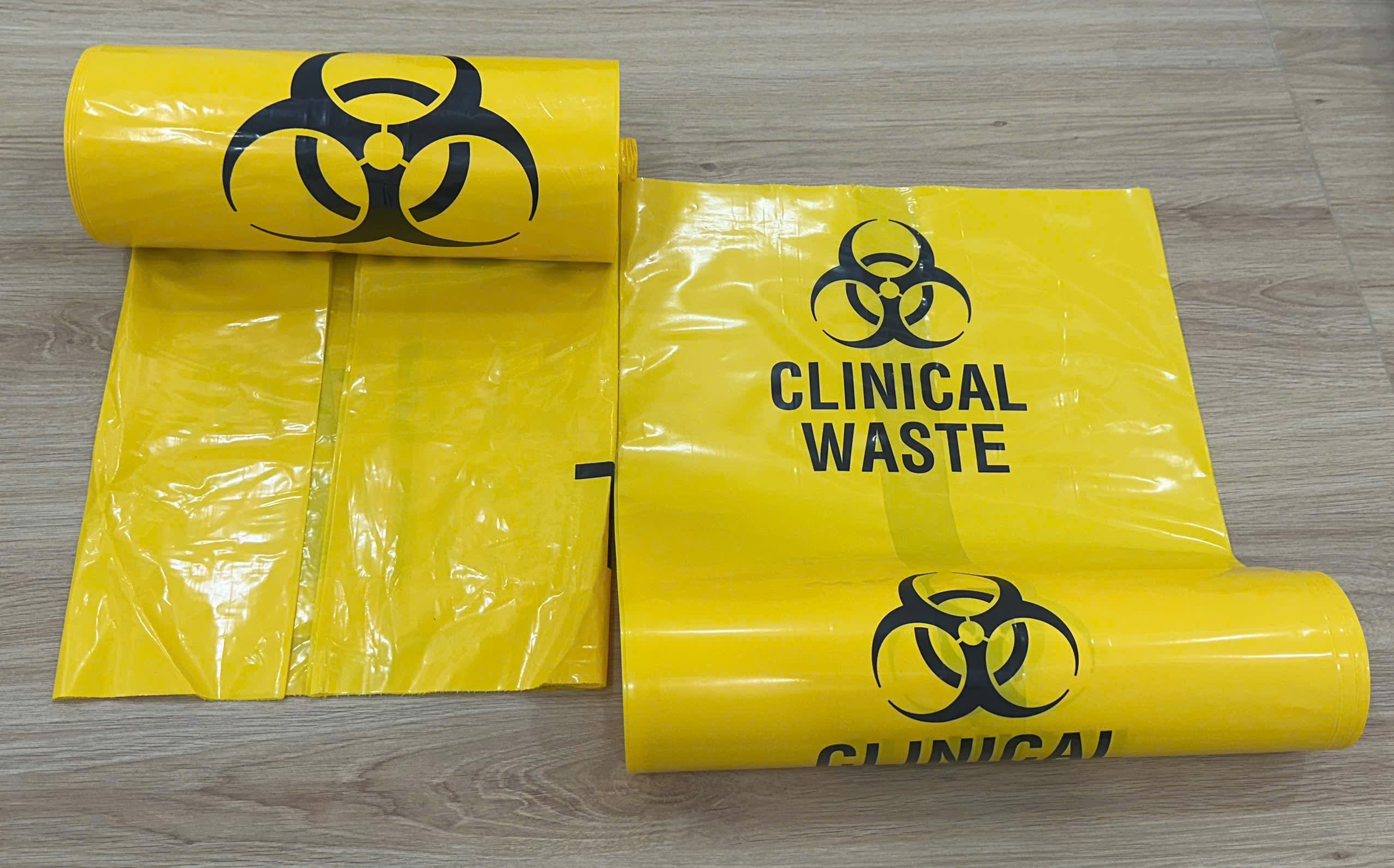
When retailers or event organisers ask for a reliable way to package a t shirt plastic bag, they expect durability, cost‑efficiency, and brand‑friendly presentation. A t shirt plastic bag is a thin, clear or printed polyethylene sleeve that slides over a folded t‑shirt, protecting it from dust, moisture, and handling damage while showcasing the garment. This article explains how the bag is made, which material grades suit different needs, how to evaluate quality, and practical tips for sourcing the right product from VNPLAST.
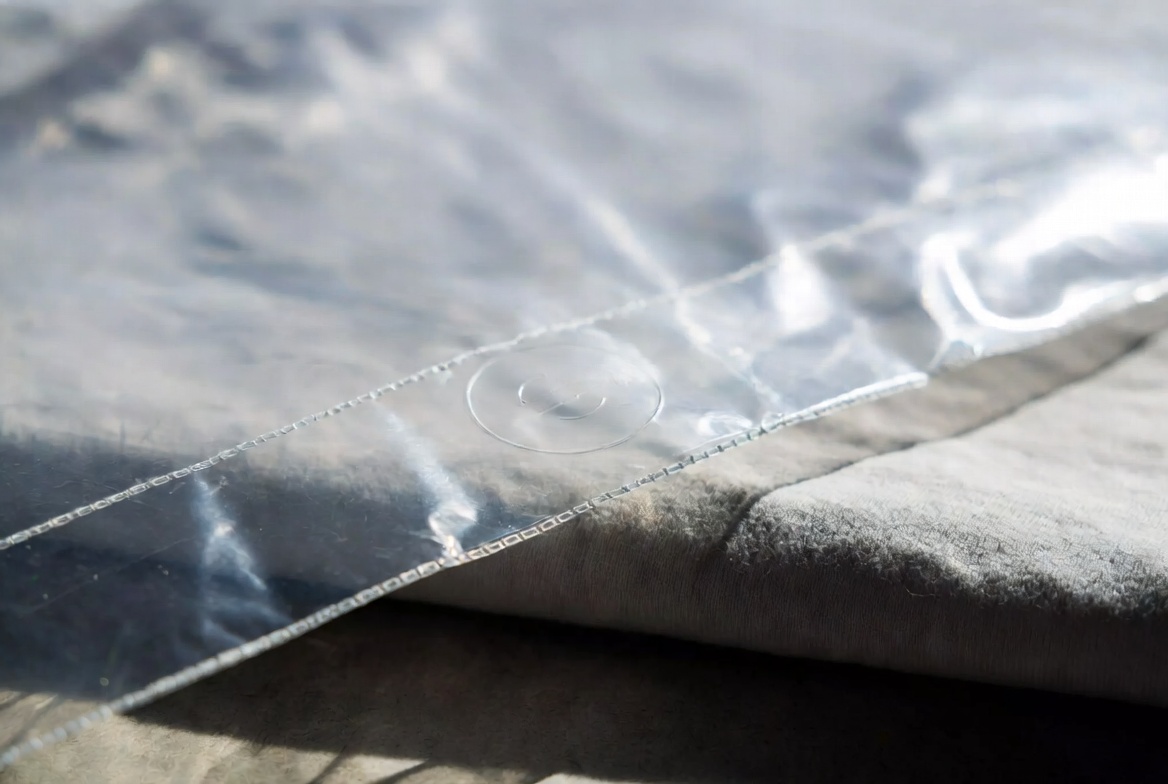
Close‑up of a clear polyethylene t‑shirt plastic bag sliding over a folded cotton t‑shirt, showing the bag’s thickness, seal, and printed l…
How a T Shirt Plastic Bag Is Made
Understanding the manufacturing process helps you assess quality and environmental impact.
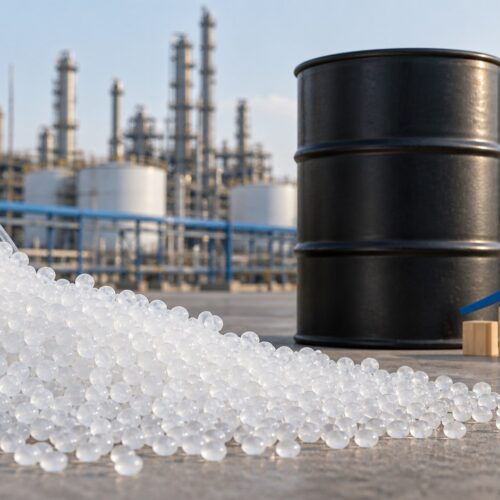
- Resin selection: Most bags use low‑density polyethylene (LDPE) for flexibility or high‑density polyethylene (HDPE) for stiffness.
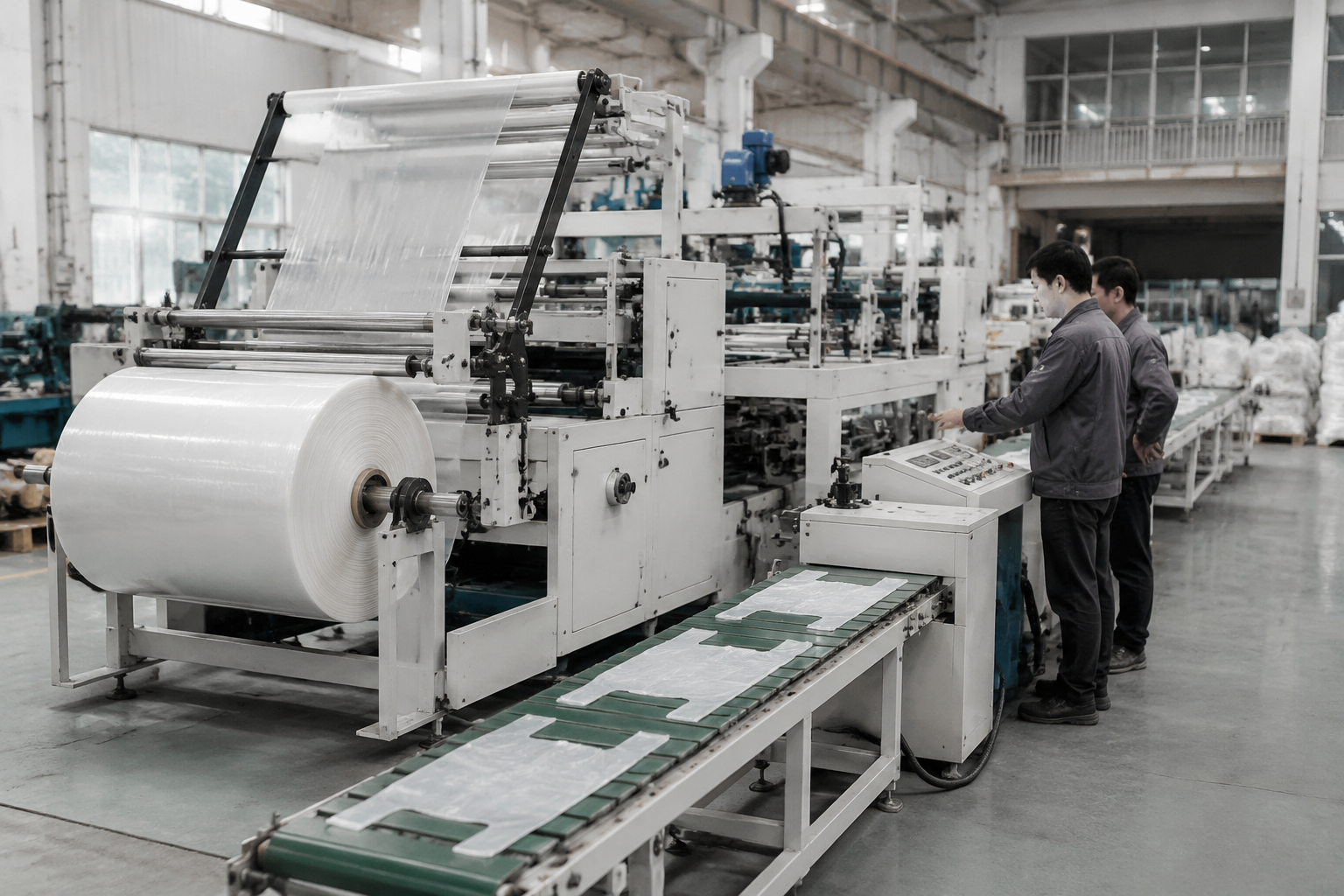
- Film extrusion: Resin is melted and extruded into a thin film (typically 12‑30 µm). VNPLAST’s Hand Stretch Film technology can be adapted for extra‑strong sleeves.
- Printing & colour: If branding is required, the film passes through flexographic printers that apply water‑based inks. Die‑cut bag plastic technology ensures precise dimensions.
- Sealing: The film is heat‑sealed at the top edge, creating a clean closure that can be torn open or resealed with a zip‑lock.
Key Decision Factors for Selecting the Right Bag
Not all t shirt plastic bags are created equal. Use this checklist to match product specs to your operation.
- Thickness (µm): 12‑18 µm for lightweight promotional tees; 20‑30 µm for premium apparel.
- Clarity: High‑clarity film enhances visual appeal; frosted film adds a premium feel.
- Seal type: Heat‑seal for bulk packaging; zip‑lock for reusable retail displays.
- Print options: Full‑colour flexographic, single‑colour logo, or no print for cost savings.
- Environmental credentials: Recycle Plastic bag certification, biodegradable additives, or post‑consumer recycled content.
- Compliance: For food‑related merchandise (e.g., concert merch sold at food venues), ensure the bag meets Food Plastic Bag regulations.
Comparing Common Types of Polyethylene Bags
Below is a quick pros‑and‑cons matrix that positions the t shirt plastic bag against other popular bag categories offered by VNPLAST.
| Bag Type | Pros | Cons |
|---|---|---|
| T Shirt Plastic Bag | Clear view of product, low cost, easy to apply | Limited load‑bearing, not reusable unless zip‑lock |
| Hand Stretch Film | Excellent tensile strength, reusable | Higher material cost, requires stretching equipment |
| Die Cut Bag Plastic | Precise dimensions, can include handles | Longer lead time for custom dies |
| Recycle Plastic Bag | Eco‑friendly, often lower carbon footprint | May have slight opacity, variable thickness |
| Garbage Plastic Bag | Heavy‑duty, suitable for bulk waste | Not suitable for retail presentation |
Real‑World Use Cases
Seeing the bag in action helps you decide if it fits your workflow.
- Retail storefronts: Slip the bag over each tee on the rack; the clear film invites shoppers to see colour and design instantly.
- Online fulfilment: Place the bag inside a standard shipping box; the sealed top protects the shirt during transit.
- Event giveaways: Use printed bags with event branding; the zip‑lock version allows attendees to keep the bag for future use.
- Eco‑conscious campaigns: Choose a Recycle Plastic bag with 30 % post‑consumer content to align with sustainability goals.
How to Apply a T Shirt Plastic Bag Efficiently
Proper technique reduces waste and speeds up packing.
- Lay the folded t‑shirt on a flat surface, front side up.
- Hold the open end of the bag with one hand, ensuring the seal edge faces away.
- Slide the bag over the shirt, keeping the fabric centred.
- Press the seal gently to close; for zip‑lock bags, align the track before snapping.
- Inspect for wrinkles or tears; discard any damaged bags.
Cost Considerations and Bulk Ordering
VNPLAST offers tiered pricing that scales with volume. Typical price ranges (USD per 1,000 bags) are:
- 12 µm clear, unprinted: $45–$55
- 20 µm clear, printed logo: $70–$85
- 30 µm zip‑lock, custom colour: $120–$150
Ordering 10,000 + units often unlocks a 10 % discount and priority production slot. Ask for a sample pack before committing to a full run.
Environmental Impact and Recycling Options
While polyethylene is recyclable, many retail environments lack dedicated collection. VNPLAST’s Recycle Plastic bag line meets ISO 14021 standards and can be processed in standard municipal recycling streams when labelled correctly.
- Label the bag: Include a recycling symbol and resin identification code “2” for HDPE or “4” for LDPE.
- Partner with local recyclers: Arrange bulk pickup to keep the material in the circular economy.
- Consider biodegradable additives: These can reduce micro‑plastic formation but may affect clarity.
Common Mistakes to Avoid
Even experienced packagers can slip up. Keep these pitfalls in mind:
- Using a bag that’s too thin: It may tear during handling, especially for heavier garments.
- Skipping seal inspection: A partially sealed bag can let moisture in, damaging the shirt.
- Over‑printing: Excess ink can obscure the shirt’s design and reduce clarity.
- Ignoring local regulations: Some regions require specific labelling for plastic packaging.
FAQs About T Shirt Plastic Bags
Below are concise answers to the most frequent queries.
- Can I use a t shirt plastic bag for wet garments? Yes, but choose a thicker (≥20 µm) HDPE bag with a strong seal to prevent leakage.
- Are printed bags more expensive? Generally 30‑40 % higher than unprinted versions due to ink and set‑up costs.
- Is there a minimum order quantity? VNPLAST accepts orders as low as 1,000 units; larger volumes receive better pricing.
- Do the bags meet food‑contact standards? Only bags specifically certified as Food Plastic Bag are approved for direct food contact.
- How do I store bulk bags? Keep them in a cool, dry area away from direct sunlight to maintain clarity and strength.
Conclusion
A well‑chosen t shirt plastic bag protects your product, enhances brand visibility, and can align with sustainability goals when sourced responsibly. By evaluating thickness, seal type, print options, and recycling credentials, you can select a VNPLAST solution that balances cost and performance. Implement the proper application technique, monitor quality, and stay informed about local packaging regulations to maximise ROI and customer satisfaction.
Table of Contents
t shirt plastic bag: practical overview

Sourcing and support
Explore VN Plastic packaging products, review independent information from an authoritative environmental resource, or contact VN Plastic for a tailored specification and quotation.