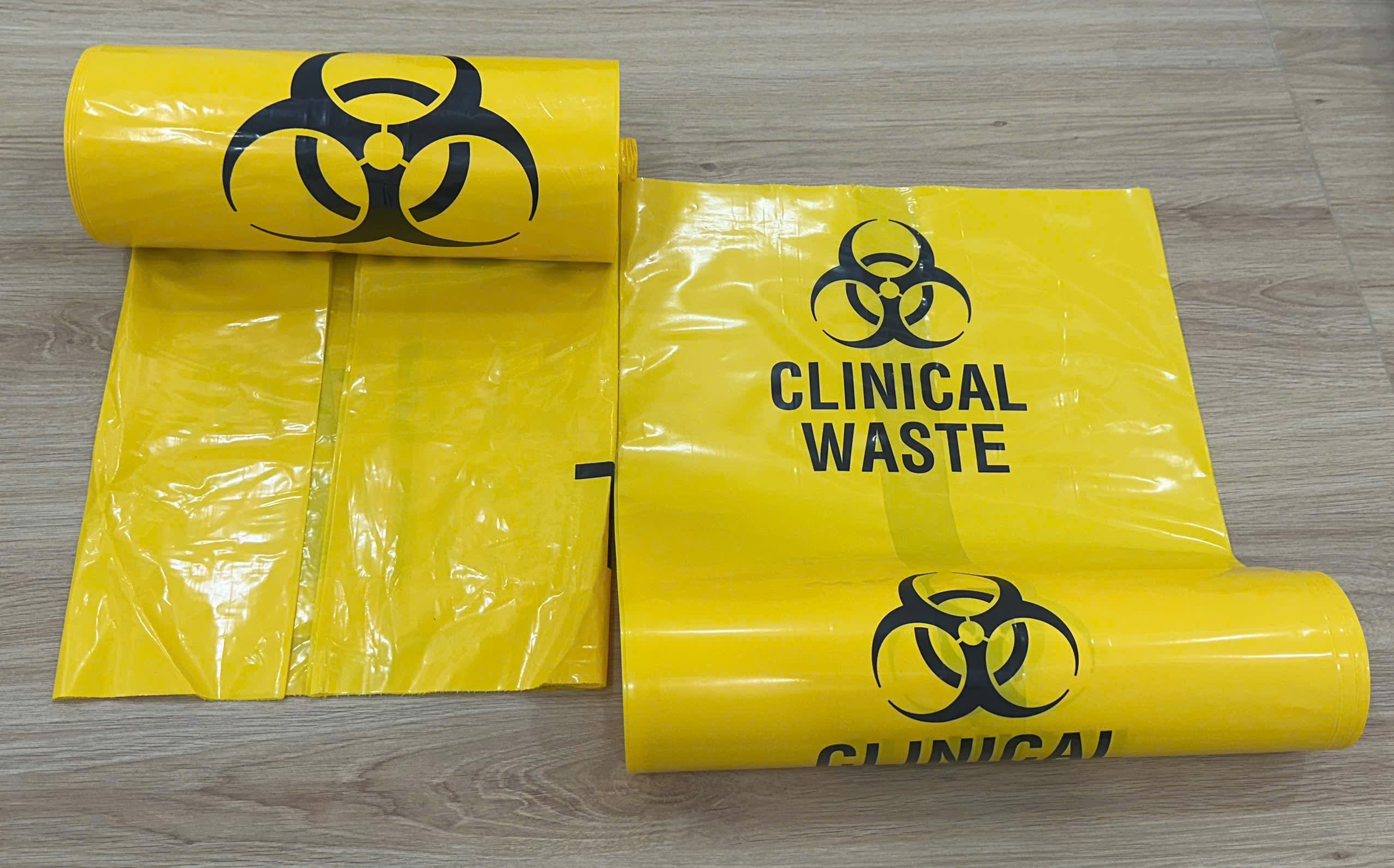
Plastic bag recycling is essential for reducing landfill waste, conserving resources, and meeting sustainability goals. By collecting, sorting, and processing used bags—such as grocery bags, Hand Stretch Film, and Die Cut Bag Plastic—companies can transform them into new products like refuse sack plastic bag or hazardous plastic garbage containers. This guide explains how the recycling loop works, the best practices for each type of bag, and the economic and environmental benefits for brands like VNPLAST.
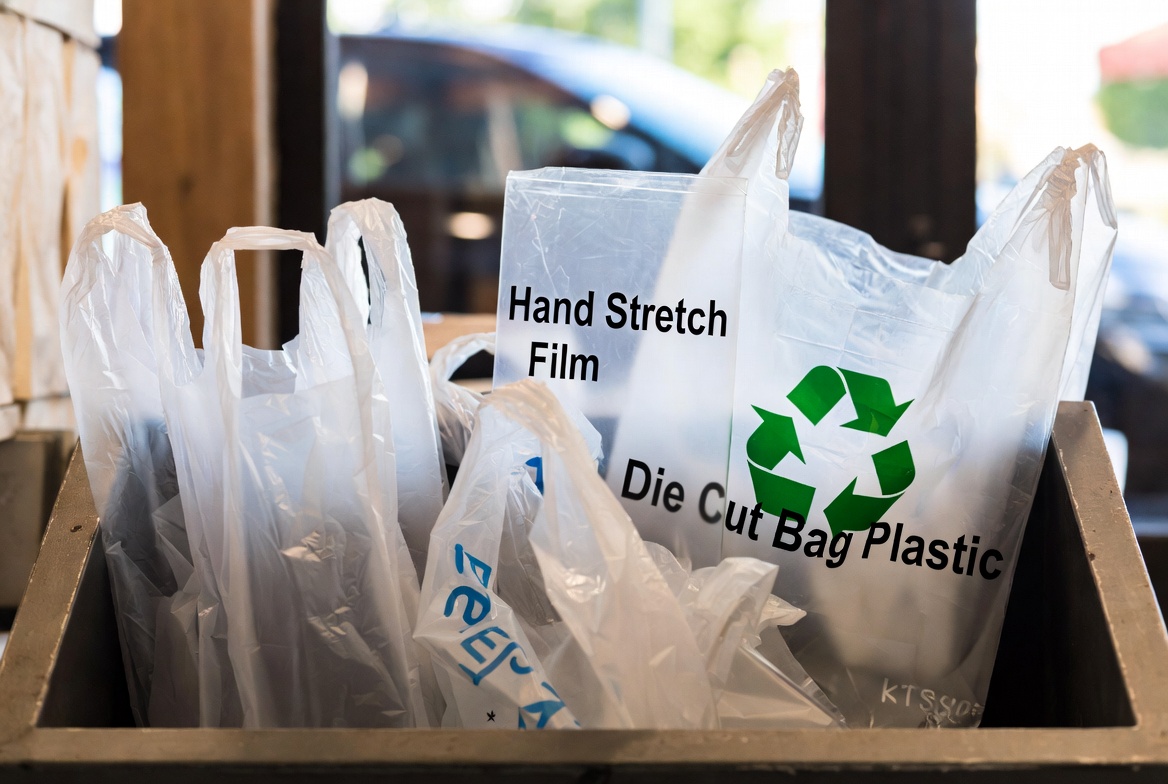
a close‑up view of assorted used plastic bags (grocery bag, Hand Stretch Film, Die Cut Bag Plastic) being placed into a recycling bin at a …
How Plastic Bag Recycling Works
Understanding the recycling chain helps you make informed decisions. The process typically includes four stages:
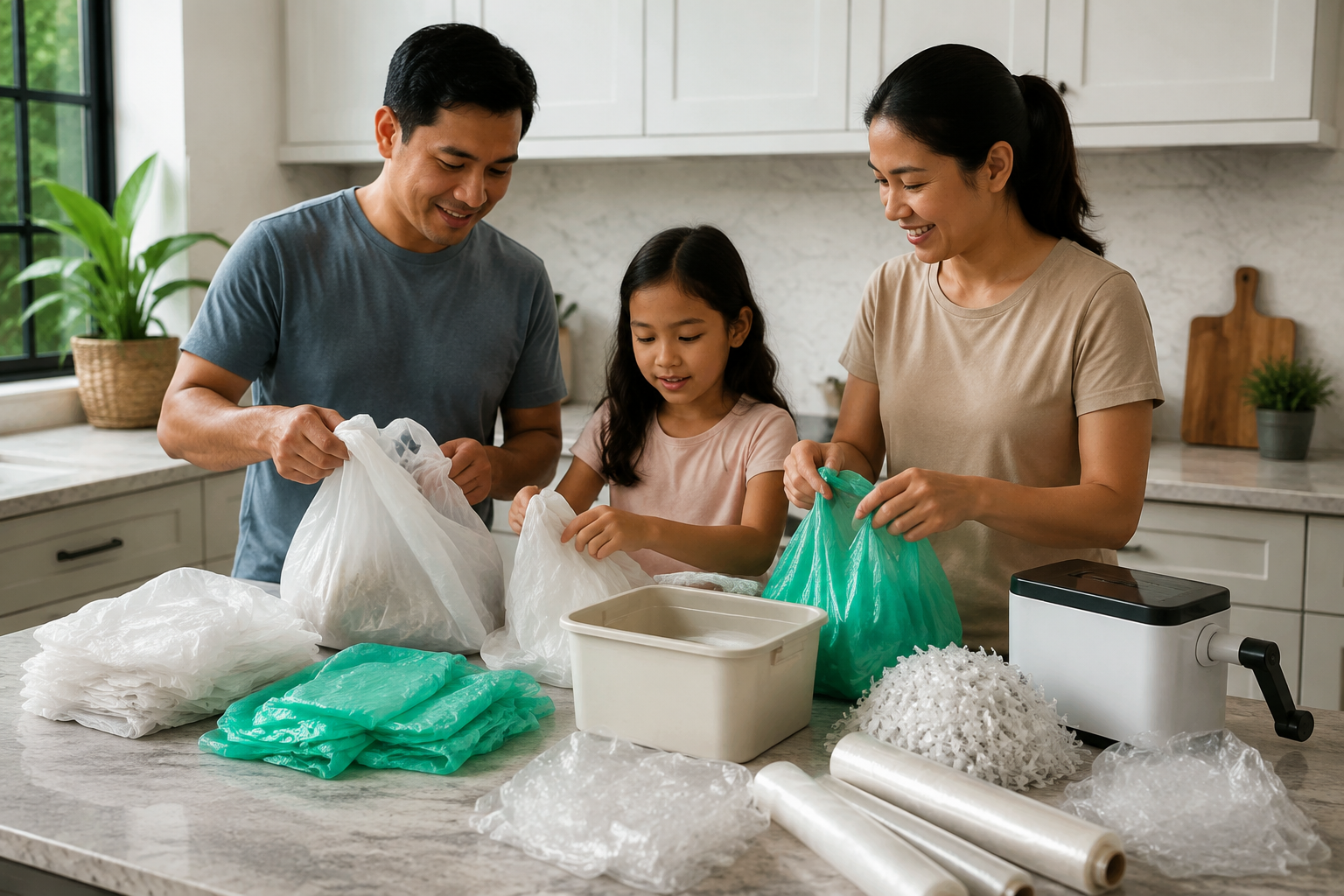
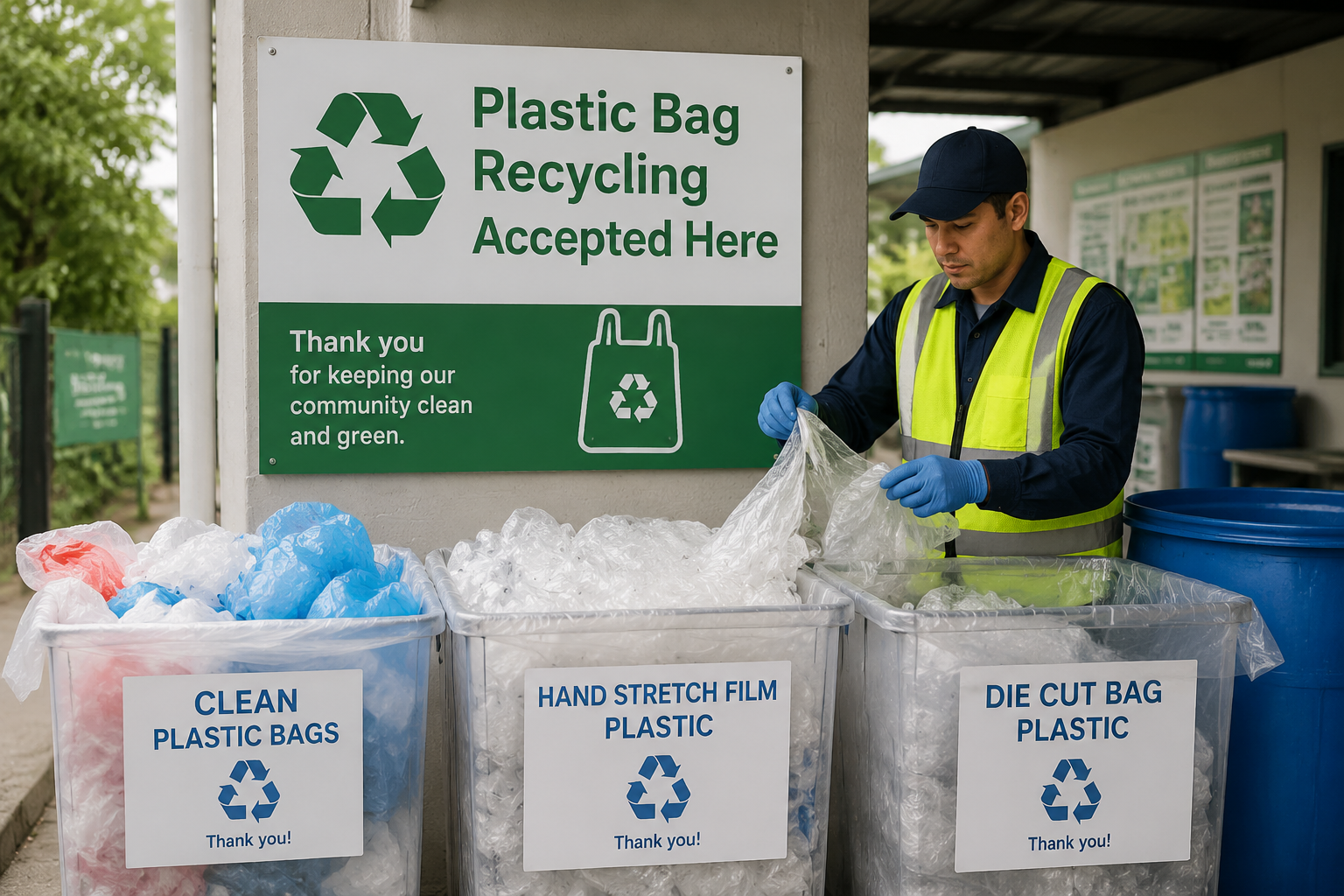
- Collection: Separate plastic bags from other waste using dedicated collection points.
- Sorting: Identify bag types (e.g., food plastic bag, block header plastic bag) and remove contaminants.
- Cleaning & Shredding: Wash bags, then shred them into uniform flakes.
- Reprocessing: Melt flakes into pellets for manufacturing new products such as recycle plastic bag or handle wrap tool plastic bag.
Key Materials Recovered from Plastic Bags
Most plastic bags are made from low‑density polyethylene (LDPE) or high‑density polyethylene (HDPE). Both polymers can be re‑extruded into high‑quality film, which is ideal for:
- New Hand Stretch Film for pallet wrapping
- Die Cut Bag Plastic for packaging applications
- Reusable refuse sack plastic bag for waste management
Why Businesses Should Invest in Plastic Bag Recycling
For manufacturers and retailers, recycling plastic bags offers tangible ROI and brand advantages.
Economic Benefits
- Cost Savings: Using recycled LDPE reduces raw material expenses by up to 30%.
- Tax Incentives: Many governments provide rebates for certified recycling programs.
- Supply Chain Resilience: Diversifying material sources shields against petroleum price spikes.
Environmental Impact
- Landfill Reduction: One ton of recycled bags prevents roughly 1.5 tons of CO₂ emissions.
- Resource Conservation: Recycling saves up to 60% of the energy required to produce virgin plastic.
- Corporate Responsibility: Demonstrates commitment to circular economy principles.
Implementing a Plastic Bag Recycling Program
Below is a practical checklist to launch or upgrade a recycling system in your facility.
Step‑by‑Step Checklist
- Assess Current Waste Stream: Quantify the volume of each bag type (e.g., food plastic bag, hazardous plastic garbage).
- Choose Collection Solutions: Install clearly labeled bins for LDPE and HDPE bags.
- Partner with a Certified Recycler: Ensure they can handle specialized bags like block header plastic bag.
- Train Staff: Provide guidelines on separating contaminated bags.
- Monitor and Report: Track kilograms recycled monthly and publish results.
Real‑World Use Case: VNPLAST’s Closed‑Loop System
VNPLAST collects used Hand Stretch Film from its own distribution network, processes the material in‑house, and manufactures new Die Cut Bag Plastic for its clients. This closed‑loop approach reduces waste by 85% and cuts raw material costs by 22%.
Common Challenges and How to Overcome Them
Contamination
Food residue, adhesives, and mixed‑material bags can degrade the quality of recycled film. Use pre‑wash stations and educate users to empty bags before recycling.
Collection Logistics
Small retailers often lack space for dedicated bins. Compact, stackable collection units can be placed at checkout counters to encourage participation.
Market Demand Fluctuations
Recycled bag prices can vary. Secure long‑term contracts with recyclers or consider on‑site processing to stabilize supply.
Pros and Cons of Plastic Bag Recycling
- Pros:
- Reduces environmental footprint
- Creates cost‑effective raw material
- Enhances brand image
- Cons:
- Requires upfront investment in collection infrastructure
- Potential contamination issues
- Market price volatility for recycled pellets
Frequently Asked Questions
What types of plastic bags can be recycled?
Most LDPE and HDPE bags are recyclable, including grocery bags, Hand Stretch Film, Die Cut Bag Plastic, and food plastic bag. Bags with metal handles, multi‑layer laminates, or heavy contamination should be excluded.
How many times can a plastic bag be recycled?
Plastic bags can typically be recycled 2–3 times before polymer degradation reduces material quality, at which point they are down‑cycled into lower‑grade products.
Do I need a special bag recycler for hazardous plastic garbage?
Yes. Hazardous plastic garbage requires a recycler certified to handle contaminated waste, ensuring safe handling of chemicals or medical residues.
Can recycled plastic bags be used for food packaging?
Only if the recycler follows FDA‑approved food‑contact regulations. VNPLAST’s certified process meets these standards for food plastic bag production.
What is the environmental impact of not recycling plastic bags?
Unrecycled bags contribute to landfill mass, marine pollution, and greenhouse gas emissions. Each ton of plastic bag waste can generate up to 2.5 tons of CO₂ equivalent over its lifecycle.
Conclusion
Plastic bag recycling is a viable strategy for reducing waste, cutting costs, and strengthening sustainability credentials. By following the checklist, addressing common challenges, and leveraging partners like VNPLAST, businesses can turn discarded bags into valuable resources such as Hand Stretch Film, Die Cut Bag Plastic, and other recycled products. Start today, track your progress, and contribute to a circular economy that benefits both your bottom line and the planet.
Table of Contents
plastic bag recycling: practical overview
Document the approved plastic bag recycling requirements for repeat orders.
Sourcing and support
Explore VN Plastic packaging products, review independent information from an authoritative environmental resource, or contact VN Plastic for a tailored specification and quotation.