Businesses and consumers alike are seeking plastic bag alternatives to reduce waste, meet regulatory requirements, and improve brand reputation. This guide explains the most effective substitutes, compares performance, and offers a decision checklist so you can choose the right option for your specific needs—whether you run a retail operation, a food‑service kitchen, or simply want an eco‑friendly solution at home.
Why Switch from Traditional Plastic Bags?
- Environmental impact: Conventional single‑use plastic bags contribute to ocean pollution and take centuries to decompose.
- Regulatory pressure: Many countries, including EU members and several Asian states, have imposed bans or fees on lightweight plastic bags.
- Consumer demand: Shoppers increasingly prefer brands that demonstrate sustainable packaging practices.
Categories of Plastic Bag Alternatives
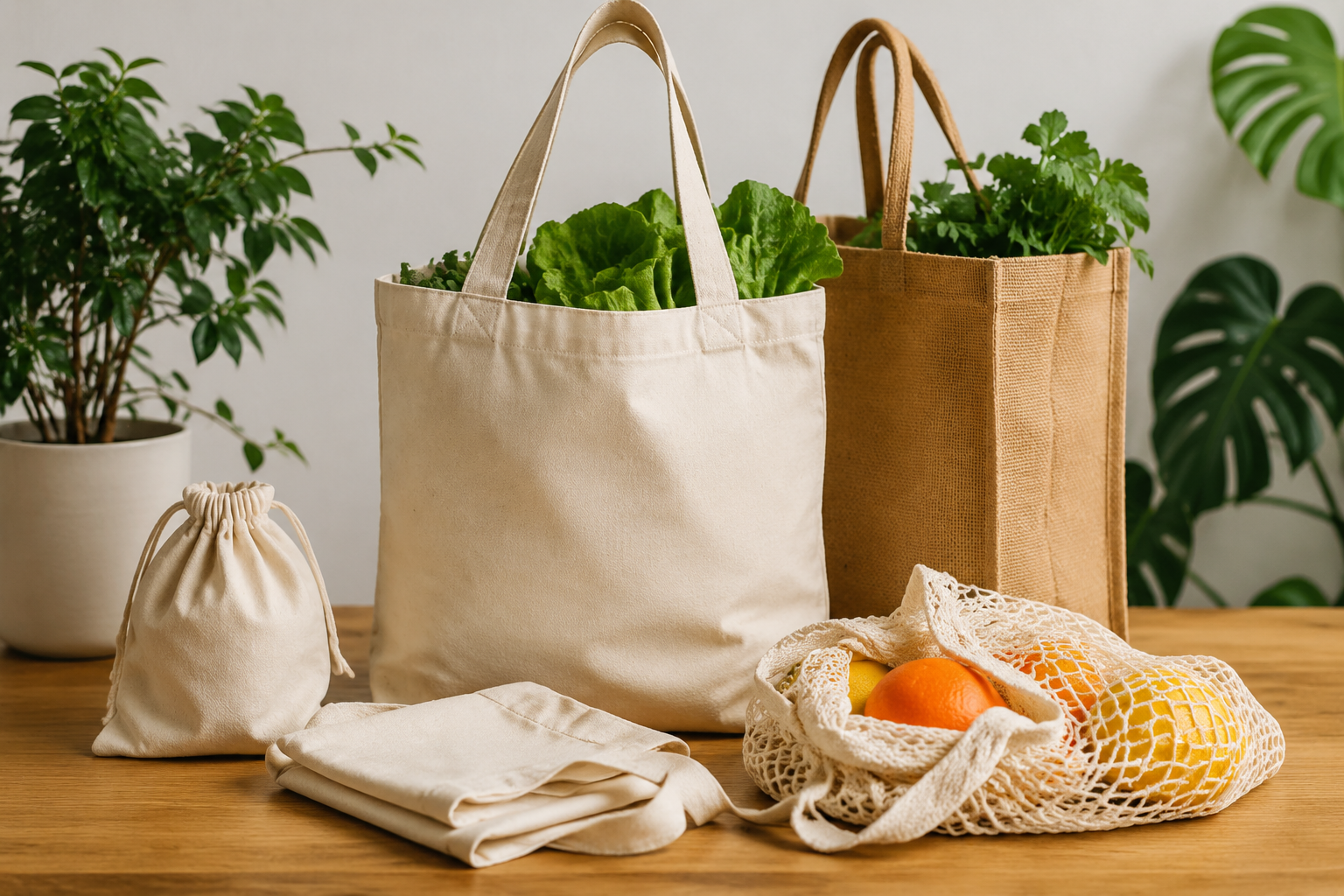
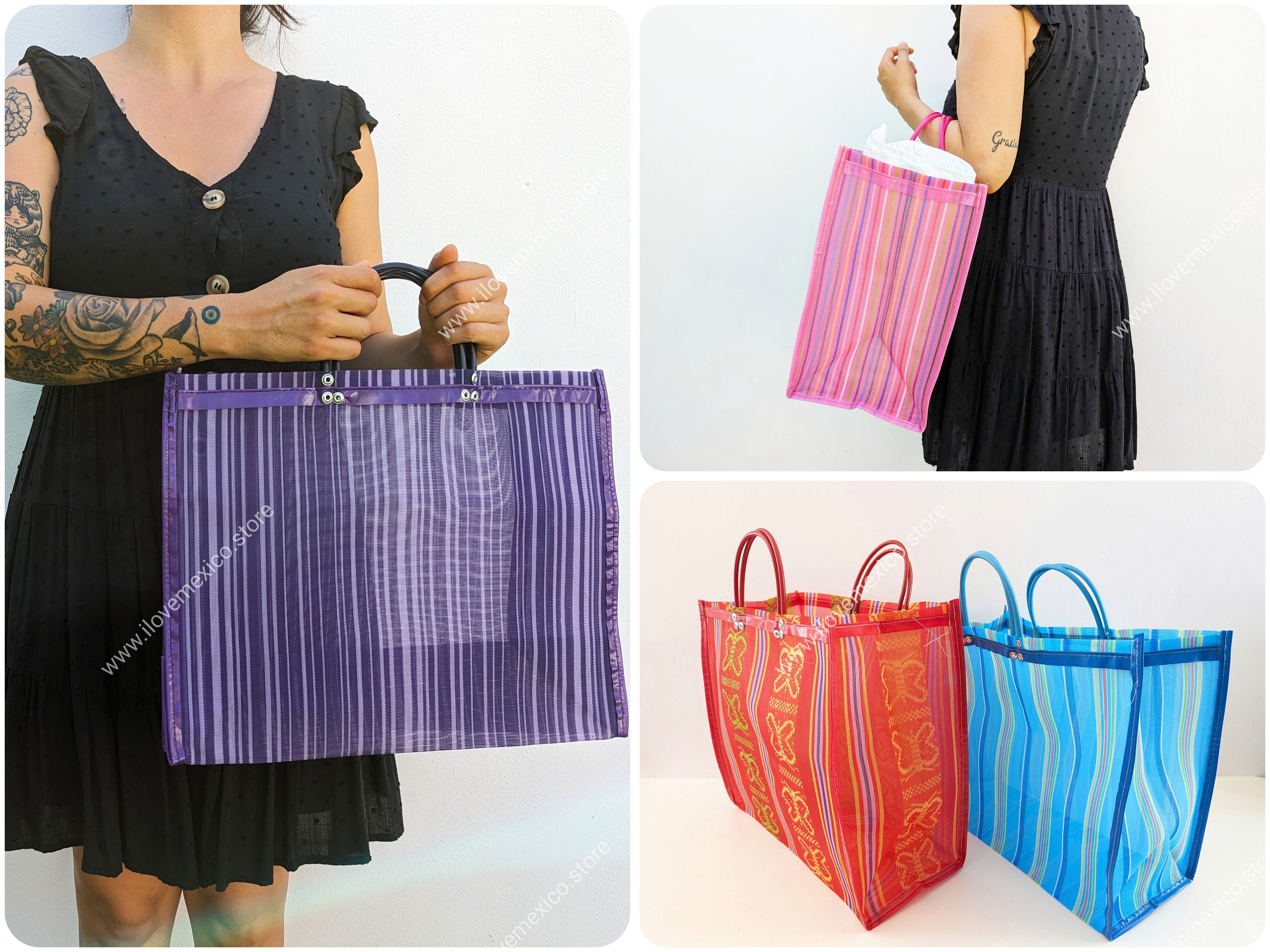
1. Reusable Fabric Bags
Made from cotton, canvas, jute, or recycled polyester, these bags are designed for multiple uses and can carry heavy loads.
- Pros: Durable, washable, high brand‑visibility surface for printing.
- Cons: Higher upfront cost; requires cleaning after each use.
2. Biodegradable & Compostable Bags
Typically produced from polylactic acid (PLA) or starch‑based polymers, these bags break down under industrial composting conditions.
- Pros: Similar look and feel to traditional plastic; certified compostability.
- Cons: Must be processed in certified facilities; may not degrade in home compost or landfill.
3. Recycled Plastic Bags
These are made from post‑consumer plastic waste, such as reclaimed Hand Stretch Film or Die Cut Bag Plastic, giving new life to material that would otherwise be landfilled.
- Pros: Lower carbon footprint than virgin plastic; retains many functional properties.
- Cons: Still plastic; recycling loop depends on local collection systems.
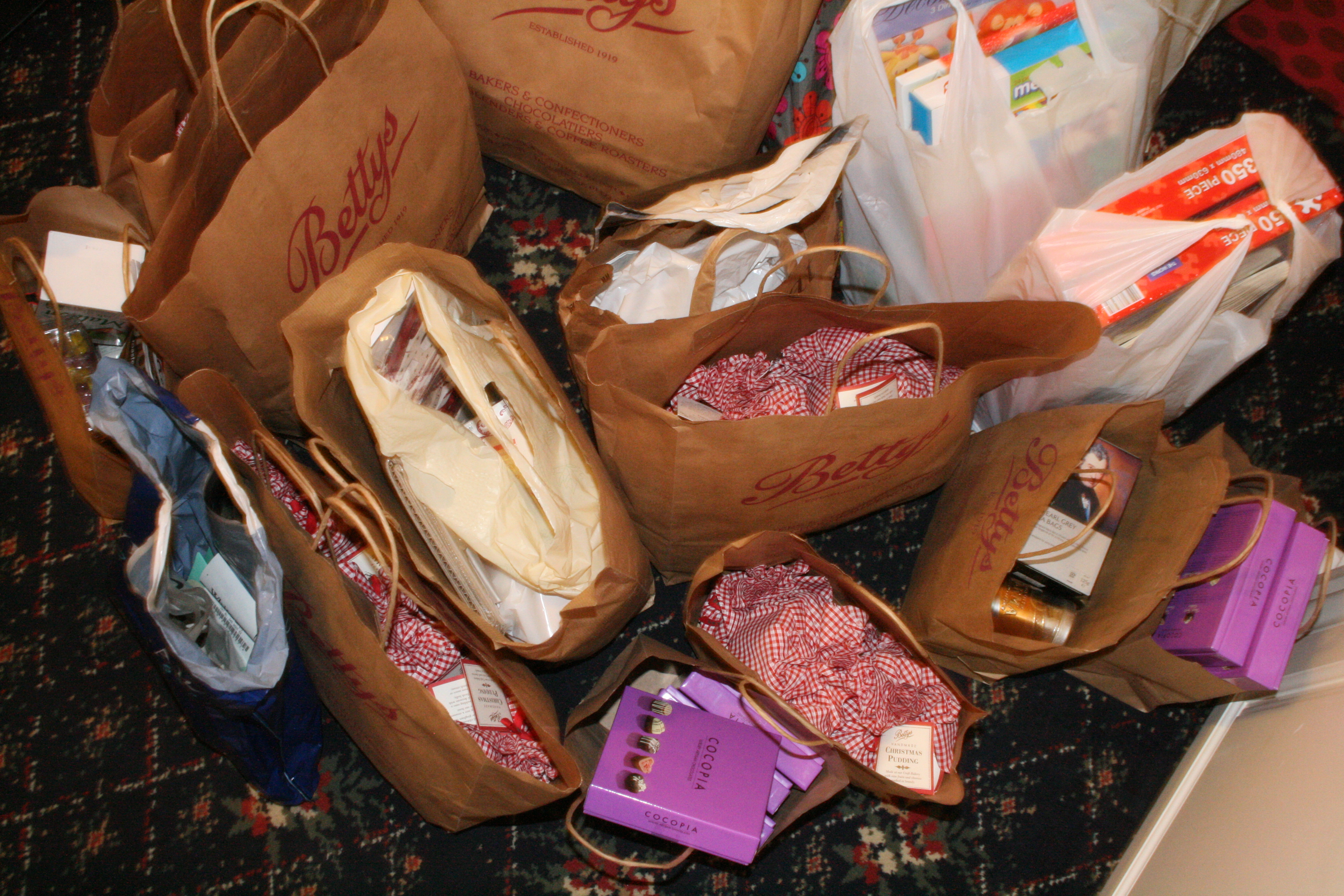
4. Paper Bags
Strengthened with kraft fibers or coated with a thin polymer layer for moisture resistance.
- Pros: Renewable source; widely recyclable.
- Cons: Heavier; may require additional handling equipment.
Decision Checklist: Choosing the Right Alternative
- Load requirements: Heavy items (e.g., bulk groceries) benefit from fabric or reinforced paper bags.
- Moisture exposure: For wet or oily products, consider coated paper or biodegradable bags with moisture barriers.
- Cost per unit: Reusable fabric bags have higher per‑unit cost but lower long‑term expense; single‑use biodegradable bags sit between fabric and paper.
- Regulatory compliance: Verify that the chosen material meets local bans and composting certification (e.g., EN 13432).
- Branding opportunities: Fabric and paper bags offer larger printable areas for logos and promotional messages.
- End‑of‑life infrastructure: Ensure that local waste streams can process compostable or recycled bags.
Real‑World Use Cases
Retail Stores
Many supermarkets have replaced single‑use plastic bag with a mix of reusable cotton totes and compostable PLA bags. The reusable option encourages customers to bring their own bags, while the compostable option satisfies occasional shoppers.
Food Service & Restaurants
For take‑away meals, Food Plastic Bag alternatives such as biodegradable film or paper wraps maintain food safety standards and align with health‑department regulations.
Industrial & Waste Management
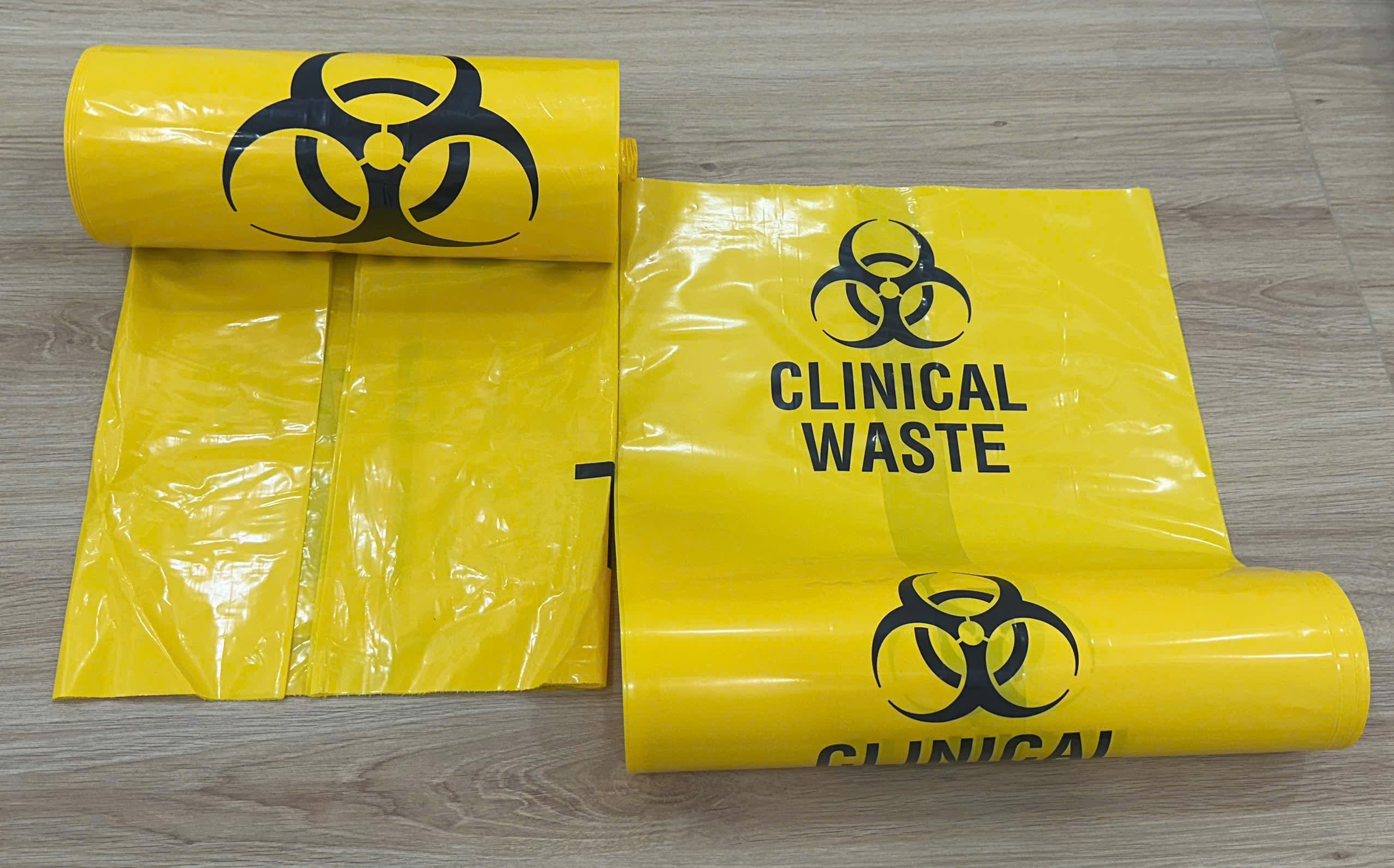
Facilities handling hazardous waste often use specialized Hazardous Plastic Garbage containers. Switching to reinforced, recyclable Refuse Sack Plastic Bag reduces environmental liability while meeting safety standards.
Manufacturing & Shipping
Companies that currently use Hand Stretch Film for pallet protection can transition to reusable stretch wrap systems, cutting down on single‑use plastic waste.
Pros and Cons Summary
| Alternative | Pros | Cons |
|---|---|---|
| Reusable Fabric Bag | Durable, high branding surface, low long‑term cost | Higher upfront price, requires washing |
| Biodegradable PLA Bag | Looks like plastic, compostable, low weight | Needs industrial composting, limited reuse |
| Recycled Plastic Bag | Retains plastic strength, reduces virgin resin use | Still plastic, dependent on recycling loops |
| Paper Bag | Renewable, widely recyclable, sturdy when reinforced | Heavier, can tear when wet unless coated |
Implementation Tips for a Smooth Transition
- Pilot program: Start with a small batch of your chosen alternative to gauge customer response.
- Staff training: Educate employees on proper handling, especially for reusable or coated bags.
- Customer incentives: Offer discounts for customers who bring their own reusable bags.
- Supply chain audit: Verify that your supplier, such as VNPLAST, can provide consistent quality for items like Block Header Plastic Bag replacements or Handle Wrap Tool Plastic Bag alternatives.
- Lifecycle tracking: Use QR codes on bags to inform users about proper disposal or recycling pathways.
Frequently Asked Questions
What is the most cost‑effective plastic bag alternative for a high‑volume retailer?
Reusable fabric totes have the lowest total cost over time because they can be used thousands of times, despite a higher initial purchase price. Pairing them with a small supply of biodegradable bags for occasional customers balances cost and convenience.
Can biodegradable bags be composted at home?
Most certified biodegradable bags require industrial composting facilities to achieve full breakdown within 90 days. Home composting may not provide the temperature or moisture levels needed, resulting in slower degradation.
Are recycled plastic bags truly sustainable?
Recycled bags reduce demand for virgin petroleum‑based resin and divert waste from landfills. However, they remain plastic and must be collected and processed correctly to close the loop.
How do I choose between paper and biodegradable plastic for food packaging?
Consider moisture resistance, shelf life, and local waste infrastructure. Paper with a thin compostable coating offers good barrier properties and can be recycled where facilities exist, while pure biodegradable plastic may be preferable where industrial composting is readily available.
What safety standards apply to hazardous waste plastic bags?
Hazardous waste bags must meet ISO 9001 quality management and local environmental regulations, such as the EU Waste Framework Directive. Look for bags with puncture resistance, leak‑proof seals, and clear labeling.
Conclusion
Choosing the right plastic bag alternatives hinges on balancing durability, cost, environmental impact, and regulatory compliance. By evaluating load requirements, end‑of‑life options, and brand goals, businesses can replace traditional plastic bags with solutions that satisfy both customers and sustainability targets. VNPLAST offers a range of alternatives—from recycled Die Cut Bag Plastic to custom‑printed reusable totes—making the transition straightforward and scalable.
Table of Contents
plastic bag alternatives: practical overview
Ask for a representative plastic bag alternatives sample when testing a new application.
Document the approved plastic bag alternatives requirements for repeat orders.
Compare plastic bag alternatives options using total application cost, not unit price alone.
Sourcing and support
Explore VN Plastic packaging products, review independent information from an authoritative environmental resource, or contact VN Plastic for a tailored specification and quotation.