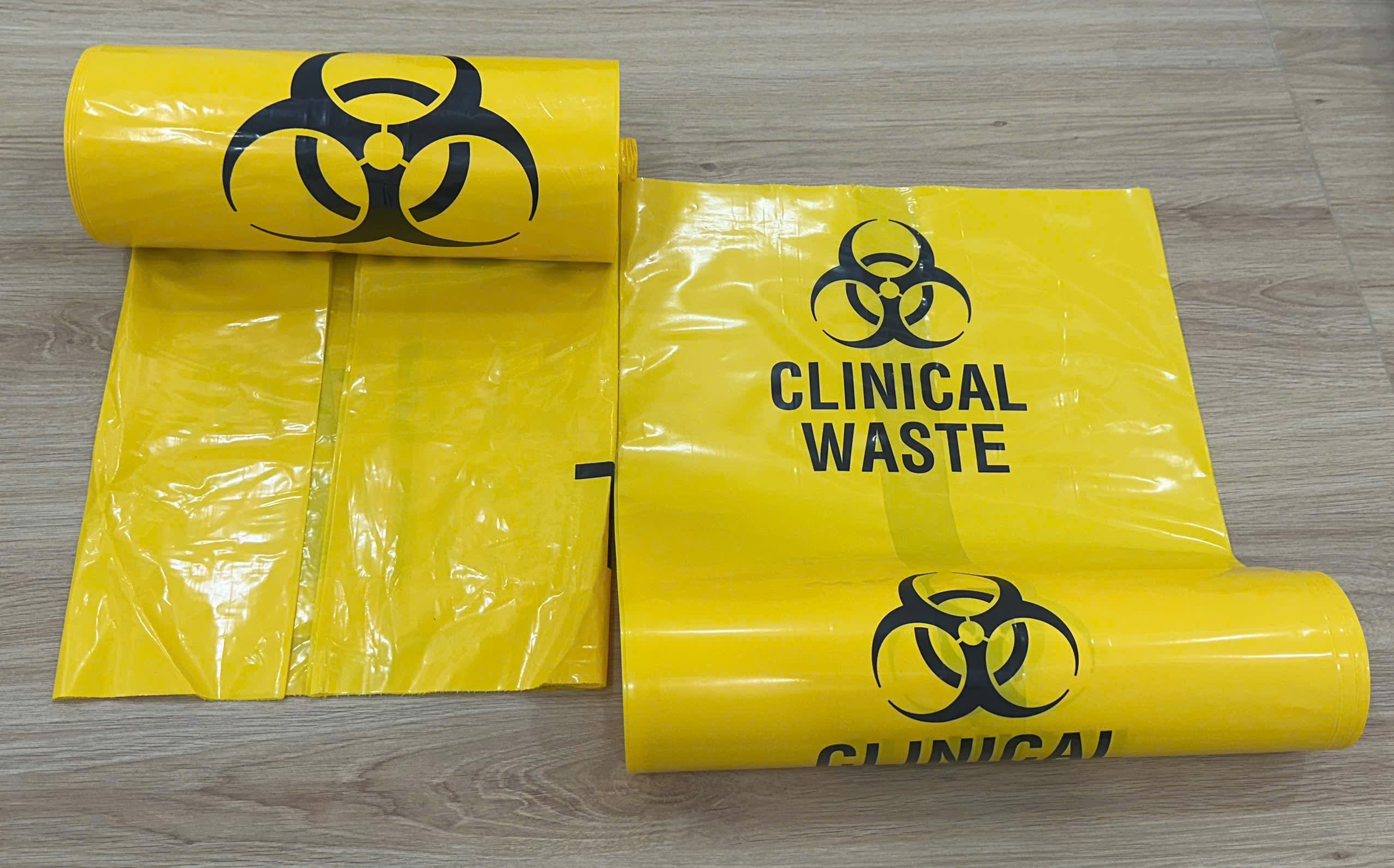
In 2023, global plastic waste reached an unprecedented 400 million metric tons, with plastic waste statistics 2023 highlighting a 3% increase over the previous year. Developed economies generated roughly 120 million tons, while emerging markets contributed 280 million tons, driven largely by single‑use items such as plastic bags, hand stretch film, and food plastic bags. This surge underscores the urgent need for effective waste‑management strategies, recycling innovations, and corporate responsibility programs.
Why Plastic Waste Statistics 2023 Matter for Your Business
Understanding the latest data enables manufacturers, retailers, and logistics providers to:
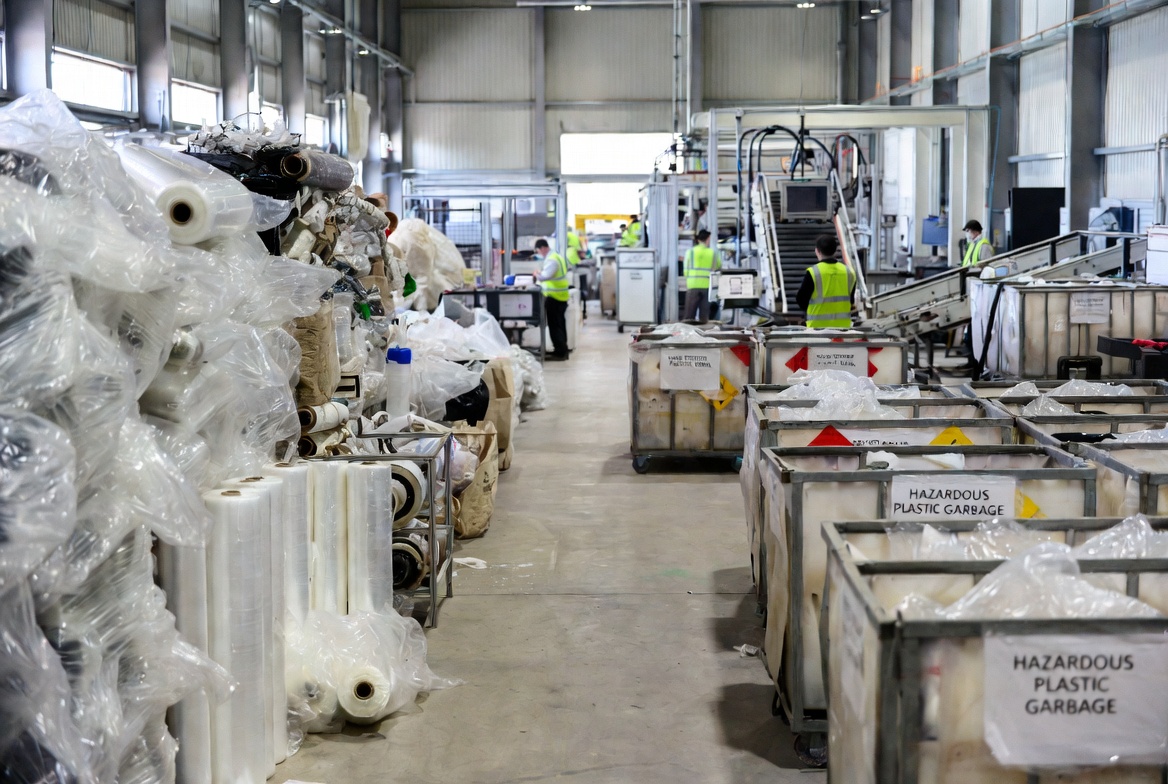
- Identify cost‑effective recycling pathways for refuse sack plastic bags and hazardous plastic garbage.
- Align product design with emerging regulations on single‑use plastics.
- Communicate transparent sustainability metrics to customers and stakeholders.
Regional Breakdown of 2023 Plastic Waste
Below is a concise snapshot of the top waste‑generating regions:
- Asia‑Pacific: 45% of global plastic waste, with China alone contributing 30 million tons.
- Europe: 20%, driven by packaging waste from the food sector.
- North America: 15%, largely from disposable packaging and handle wrap tool plastic bags.
- Latin America & Africa: Combined 20%, reflecting rapid urbanization and limited recycling infrastructure.
Key Plastic Waste Categories in 2023
The 2023 data set classifies waste by product type, revealing which items dominate the landfill stream.
1. Single‑Use Plastic Bags
- Total generated: 45 million tons.
- Recycled rate: 15% (≈ 6.8 million tons).
- Primary uses: Grocery, retail, and waste collection (refuse sack plastic bags).
2. Hand Stretch Film & Packaging Films
- Production volume: 60 million tons.
- Recycling challenge: Low due to multi‑layer construction.
- Industry impact: High demand in e‑commerce and food logistics.
3. Die‑Cut Plastic Bags & Block Header Bags
- Usage: Predominantly in agricultural and industrial sectors.
- Recycling potential: Moderate; requires specialized equipment.
Decision Checklist: Choosing Sustainable Plastic Solutions in 2023
Use this checklist to evaluate your current plastic usage and identify improvement opportunities.
- Assess material composition: Is the product single‑layer polyethylene, multi‑layer film, or biodegradable?
- Measure waste generation: Quantify kilograms of each plastic type per month.
- Identify recycling partners: Verify if local facilities accept your specific plastic grades.
- Explore alternatives: Consider reusable or compostable options for garbage plastic bags and food plastic bags.
- Implement take‑back programs: Offer customers a return path for used hand stretch film and die‑cut bags.
Comparative Analysis: Traditional Plastic Bags vs. Recycled Alternatives (2023)
| Feature | Traditional Plastic Bag | Recycled Plastic Bag |
|---|---|---|
| Material Source | Virgin polyethylene | Post‑consumer recycled polyethylene |
| Carbon Footprint | ≈ 2.5 kg CO₂e per bag | ≈ 1.2 kg CO₂e per bag |
| Recycling Rate | 15% globally | 70% when collected through dedicated programs |
| Cost Premium | Baseline | + 8‑12% per unit |
| Regulatory Compliance | Subject to bans in many regions | Often exempt due to recycled content |
How VNPLAST Helps Reduce Plastic Waste in 2023
VNPLAST offers a suite of engineered solutions designed to lower waste generation and improve recyclability:
- Custom‑engineered hand stretch film with mono‑layer design for easier recycling.
- Die‑cut bag solutions using high‑density polyethylene (HDPE) that can be reprocessed in standard facilities.
- Reusable refuse sack plastic bags with reinforced handles for longer service life.
- Hazardous plastic garbage containers built for safe collection and closed‑loop recycling.
By integrating these products, businesses can directly address the most critical plastic waste statistics 2023 figures and demonstrate measurable sustainability progress.
Actionable Steps for Reducing Plastic Waste in 2023
- Audit your plastic inventory: Use the checklist above to quantify each product type.
- Switch to recyclable grades: Prioritize mono‑layer films and HDPE bags.
- Partner with certified recyclers: Ensure they accept your specific plastic streams.
- Educate staff and customers: Provide clear labeling and disposal instructions.
- Report progress: Publish annual metrics aligned with global plastic waste statistics 2023 benchmarks.
Future Outlook: What to Expect in 2024 and Beyond
While 2023 marked a slight rise in total waste, emerging policies—such as the EU’s Single‑Use Plastics Directive and China’s extended producer responsibility (EPR) scheme—are projected to reduce generation rates by up to 10% by 2025. Companies that adopt recyclable or reusable alternatives now will be better positioned to meet stricter regulations and consumer expectations.
Conclusion
The 2023 plastic waste statistics reveal a critical inflection point for manufacturers, retailers, and logistics providers. By leveraging detailed data, adopting VNPLAST’s recyclable product lines, and following the practical checklist, businesses can cut waste, lower carbon footprints, and stay ahead of evolving regulations. The path to a circular plastic economy begins with informed decisions today.
Frequently Asked Questions
- What were the top three plastic waste contributors in 2023? Single‑use plastic bags, hand stretch film, and die‑cut plastic bags together accounted for over 55% of global plastic waste.
- How much of the 2023 plastic waste was recycled? Approximately 22% of total plastic waste was collected for recycling, with higher rates in Europe (30%) and lower rates in Asia‑Pacific (15%).
- Can VNPLAST’s products be recycled in standard facilities? Yes, VNPLAST’s mono‑layer hand stretch film and HDPE die‑cut bags are designed for compatibility with most municipal recycling programs.
- What is the carbon reduction benefit of switching to recycled plastic bags? Switching can cut CO₂ emissions by roughly 1.3 kg per bag, representing a 50% reduction compared to virgin‑material bags.
- When will global plastic waste generation likely peak? Analysts predict a peak around 2027 if current recycling improvements accelerate; otherwise, waste could continue rising.
Table of Contents
plastic waste statistics 2023: practical overview
plastic waste statistics 2023 specifications should always be confirmed before mass production.
Ask for a representative plastic waste statistics 2023 sample when testing a new application.
Document the approved plastic waste statistics 2023 requirements for repeat orders.

Sourcing and support
Explore VN Plastic packaging products, review independent information from an authoritative environmental resource, or contact VN Plastic for a tailored specification and quotation.