The plastic bag recycling cost is a crucial factor for anyone looking to reduce waste and manage budgets effectively. In the first 120 words, we’ll explain what drives these costs, how they differ by region and material, and why knowing the exact figures helps you make smarter environmental and financial decisions. Whether you run a manufacturing line that uses Hand Stretch Film or you simply want to recycle your household garbage plastic bag, this guide breaks down every cost component so you can plan with confidence.
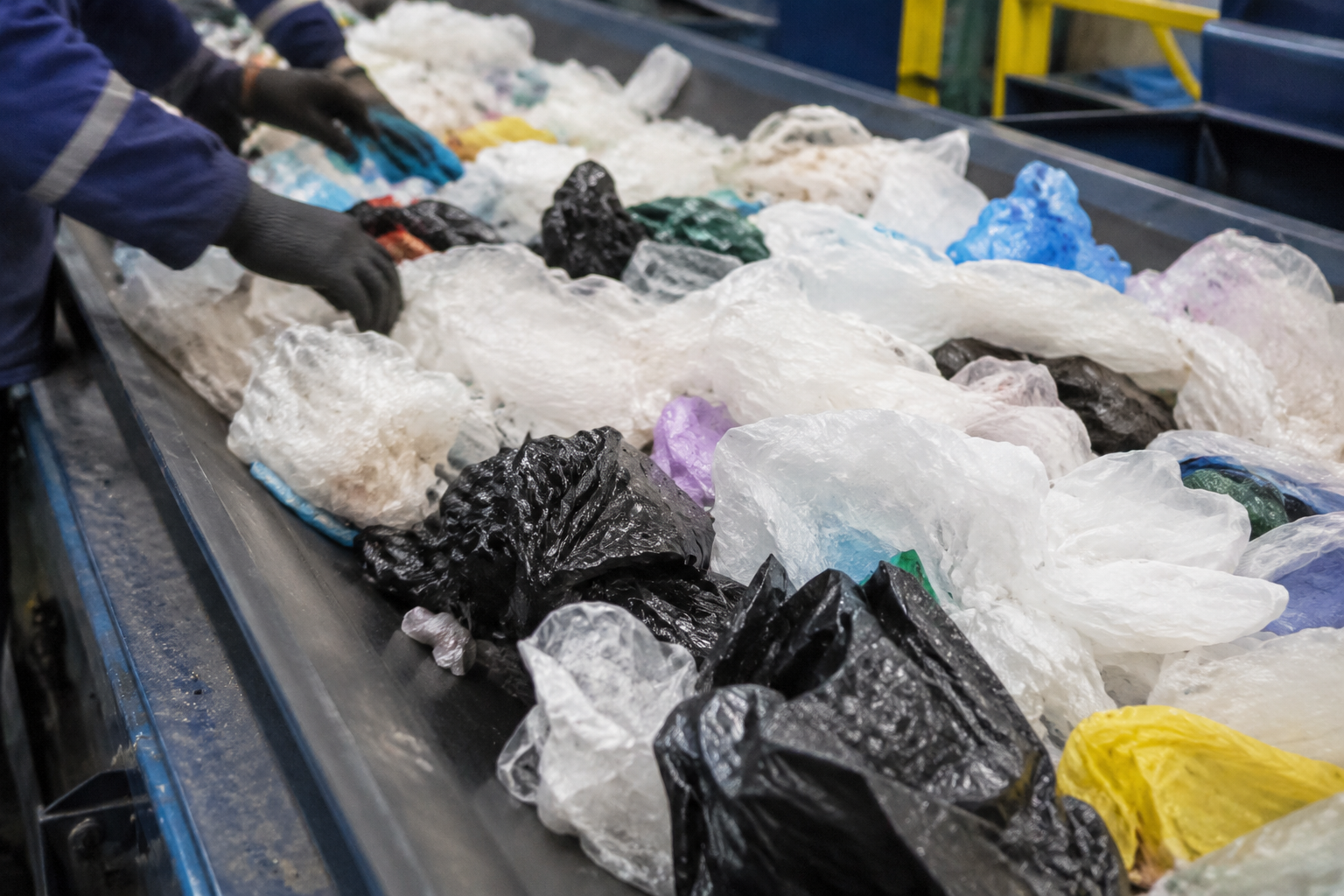
A close‑up view of a mixed pile of used plastic bags, including grocery bags, refuse sack plastic bag, and food plastic bag, being sorted o…
What Determines Plastic Bag Recycling Cost?
Several variables influence the overall plastic bag recycling cost. Understanding each factor lets you pinpoint where savings are possible.
Material Type
- Low‑density polyethylene (LDPE) – common in grocery and food plastic bags; generally cheaper to process.
- High‑density polyethylene (HDPE) – used in many Hand Stretch Film and Block Header Plastic Bag applications; may require additional cleaning.
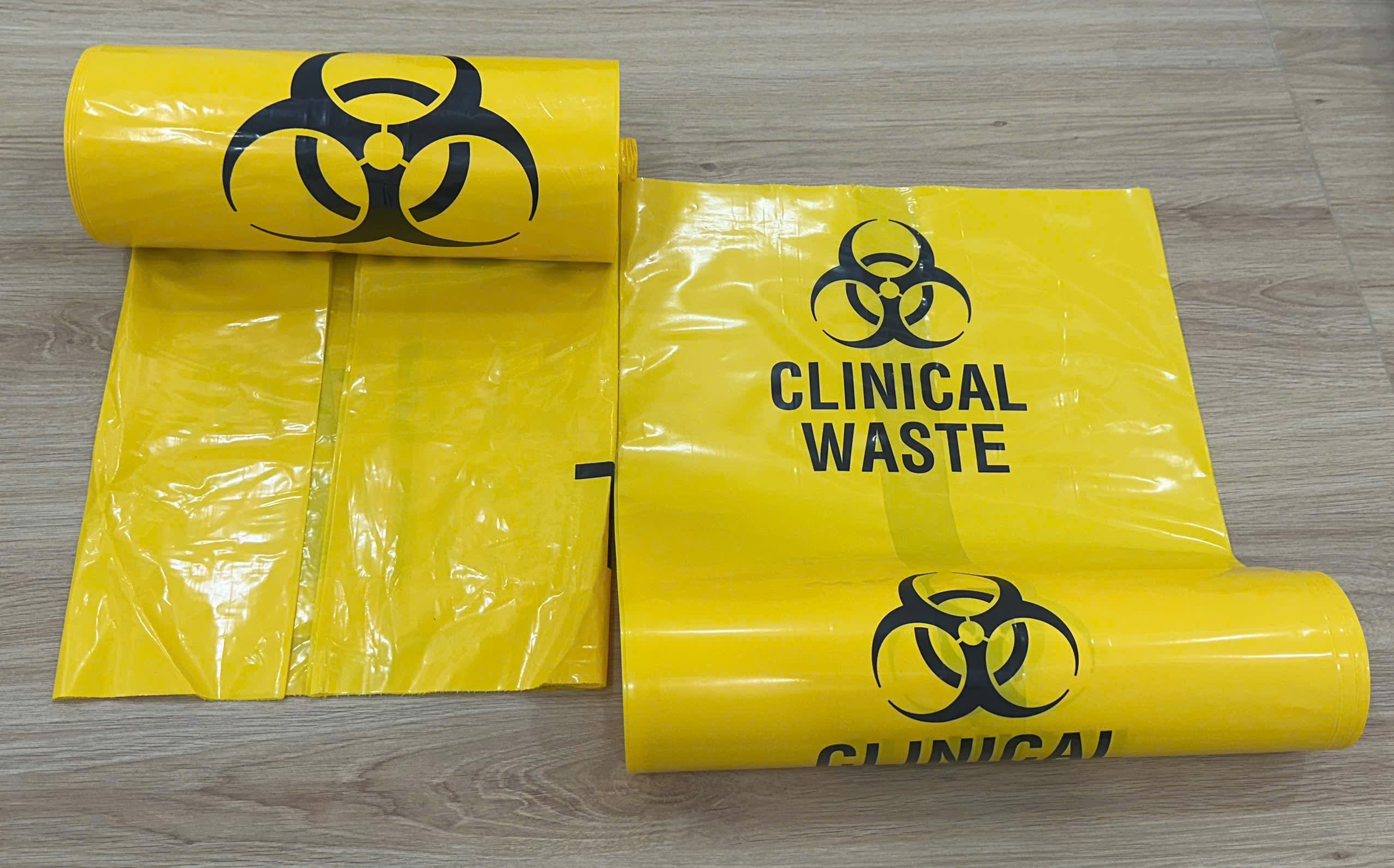
- Mixed or contaminated bags – such as Hazardous Plastic Garbage or refuse sack plastic bag with organic residue; increase sorting and cleaning expenses.
Collection Method
- Drop‑off centers vs. curbside pickup – curbside often adds collection fees.
- Dedicated bag collection programs – can lower per‑bag cost through volume discounts.
- Industrial bulk collection – typically the most cost‑effective for businesses using Die Cut Bag Plastic.
Processing Steps
- Sorting and contamination removal.
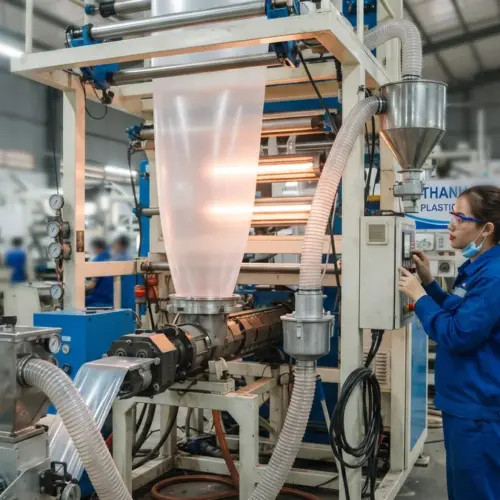
- Cleaning and shredding.
- Extrusion into recycled pellets.
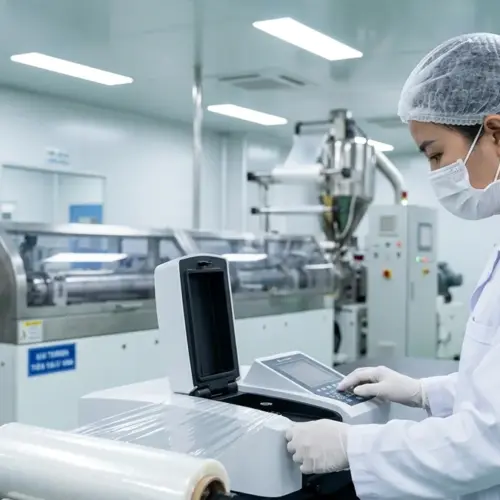
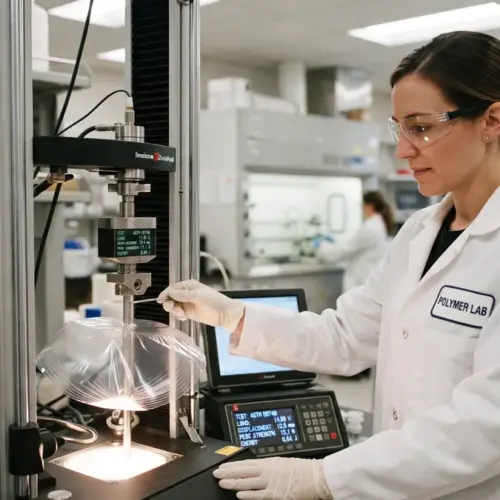
- Quality testing and packaging for resale.
Average Cost Ranges by Region (2024 Data)
Below is a snapshot of typical plastic bag recycling cost per kilogram in major markets. Prices fluctuate with oil prices, labor rates, and regulatory fees.
- North America: $0.30 – $0.55 per kg.
- Europe (EU): €0.25 – €0.45 per kg.
- Southeast Asia (including Vietnam): $0.20 – $0.40 per kg.
- Australia: AUD 0.35 – AUD 0.60 per kg.
For a mid‑size enterprise that recycles 10 000 kg of plastic bags annually, the total cost can range from $2,000 to $5,500 depending on the region and the quality of the feedstock.
Decision Checklist: Choosing the Right Recycling Partner
Use this checklist to evaluate potential recyclers and ensure you get the best value for your plastic bag recycling cost investment.
- Certification: Verify ISO 14001 or local environmental compliance.
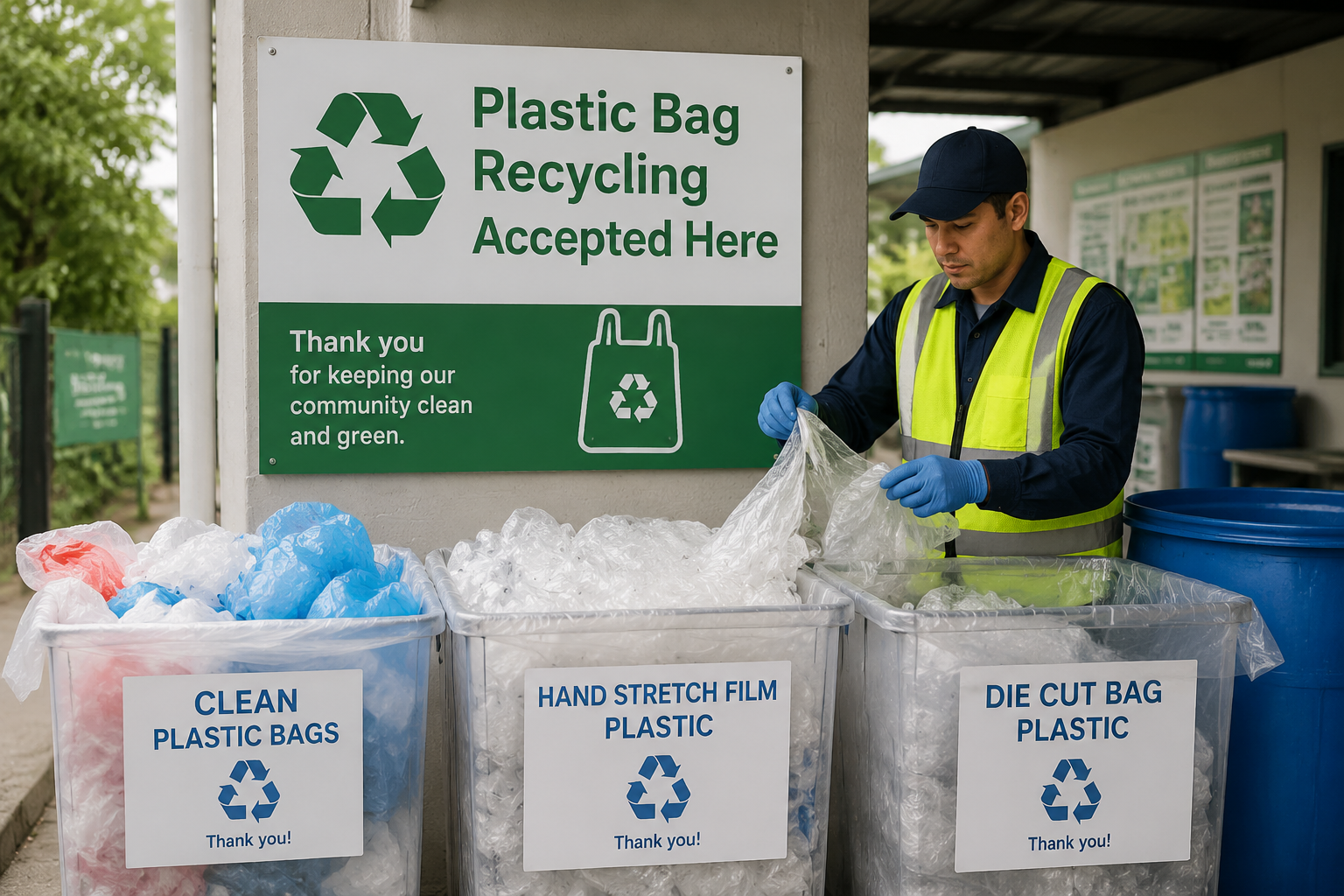
- Accepted Bag Types: Confirm they handle Hand Stretch Film, Die Cut Bag Plastic, and hazardous waste if needed.
- Pricing Structure: Look for transparent per‑kg rates, volume discounts, and any hidden fees.
- Turnaround Time: Faster processing can reduce storage costs.
- End‑Use of Recycled Material: Some recyclers sell pellets for new packaging, which may offer a credit.
- Reporting: Detailed invoices and carbon‑offset statements help track ESG goals.
Pros and Cons of In‑House vs. Outsourced Recycling
- In‑House Recycling
- Pros: Full control over quality, potential revenue from selling recycled pellets, reduced transport emissions.
- Cons: High capital expenditure for equipment, need for trained staff, compliance overhead.
- Outsourced Recycling
- Pros: Lower upfront costs, access to specialized sorting technology, scalability.
- Cons: Dependence on third‑party schedules, possible higher per‑kg cost, less visibility into the process.
Real‑World Use Case: VNPLAST’s Closed‑Loop System
VNPLAST has implemented a closed‑loop recycling program for its Hand Stretch Film and Block Header Plastic Bag lines. By partnering with a certified recycler in Ho Chi Minh City, the company reduced its plastic bag recycling cost by 22% and achieved a 15% reduction in virgin polymer purchases.
Key steps in VNPLAST’s approach:
- Segregating clean Hand Stretch Film at the production floor.
- Batching 5 tonne shipments to the recycler, qualifying for volume discounts.
- Receiving recycled LDPE pellets that meet VNPLAST’s internal quality standards.
- Documenting savings in quarterly ESG reports for stakeholder transparency.
How to Calculate Your Own Plastic Bag Recycling Cost
Follow this simple formula to estimate the total expense:
Total Cost = (Weight of Bags in kg × Per‑kg Rate) + Collection Fees + Sorting/Contamination Fees + Administrative Overhead
Example: A retailer collects 2 000 kg of mixed grocery and food plastic bags.
- Per‑kg rate: $0.40
- Collection fee: $150
- Sorting fee (10% contamination): $80
- Administrative overhead: $50
Total Cost = (2 000 × $0.40) + $150 + $80 + $50 = $1,030
Tips to Lower Plastic Bag Recycling Cost
- Improve Source Separation: Encourage customers to deposit clean bags in dedicated bins.
- Negotiate Volume Discounts: Commit to quarterly shipments to lock in lower rates.
- Invest in Pre‑Cleaning: Simple rinsing stations can cut sorting fees by up to 30%.
- Leverage Government Incentives: Many regions offer subsidies for recycling HDPE and LDPE.
- Track Metrics: Use a spreadsheet or ERP module to monitor weight, cost per kg, and savings over time.
Conclusion
Understanding the plastic bag recycling cost empowers you to make data‑driven decisions that benefit both the environment and your bottom line. By evaluating material types, collection methods, and processing steps, you can identify cost‑saving opportunities such as bulk collection, pre‑cleaning, and strategic partnerships like VNPLAST’s closed‑loop system. Use the provided checklist, pros/cons matrix, and cost‑calculation guide to build a recycling strategy that aligns with your financial targets and sustainability goals.
Frequently Asked Questions
- What is the average cost to recycle a single plastic grocery bag?
On average, recycling a single LDPE grocery bag (approximately 5 g) costs about $0.002 – $0.003, depending on regional rates and contamination levels. - Can businesses receive tax credits for plastic bag recycling?
Many countries offer tax incentives or rebates for documented recycling activities. Check local environmental agency guidelines for eligibility. - How does contamination affect recycling cost?
Each 1% increase in contamination typically adds $0.01–$0.02 per kg to the processing fee because additional sorting and cleaning are required. - Is it cheaper to recycle plastic bags in‑house?
In‑house recycling can be cost‑effective for large volumes (>10 000 kg/year) if you have existing extrusion equipment. For smaller operations, outsourcing remains the most economical option. - What types of plastic bags are NOT recyclable?
Bags with metal handles, heavy coatings, or those classified as hazardous (e.g., contaminated medical waste) are usually excluded from standard recycling streams.
Table of Contents
plastic bag recycling cost: practical overview
Sourcing and support
Explore VN Plastic packaging products, review independent information from an authoritative environmental resource, or contact VN Plastic for a tailored specification and quotation.