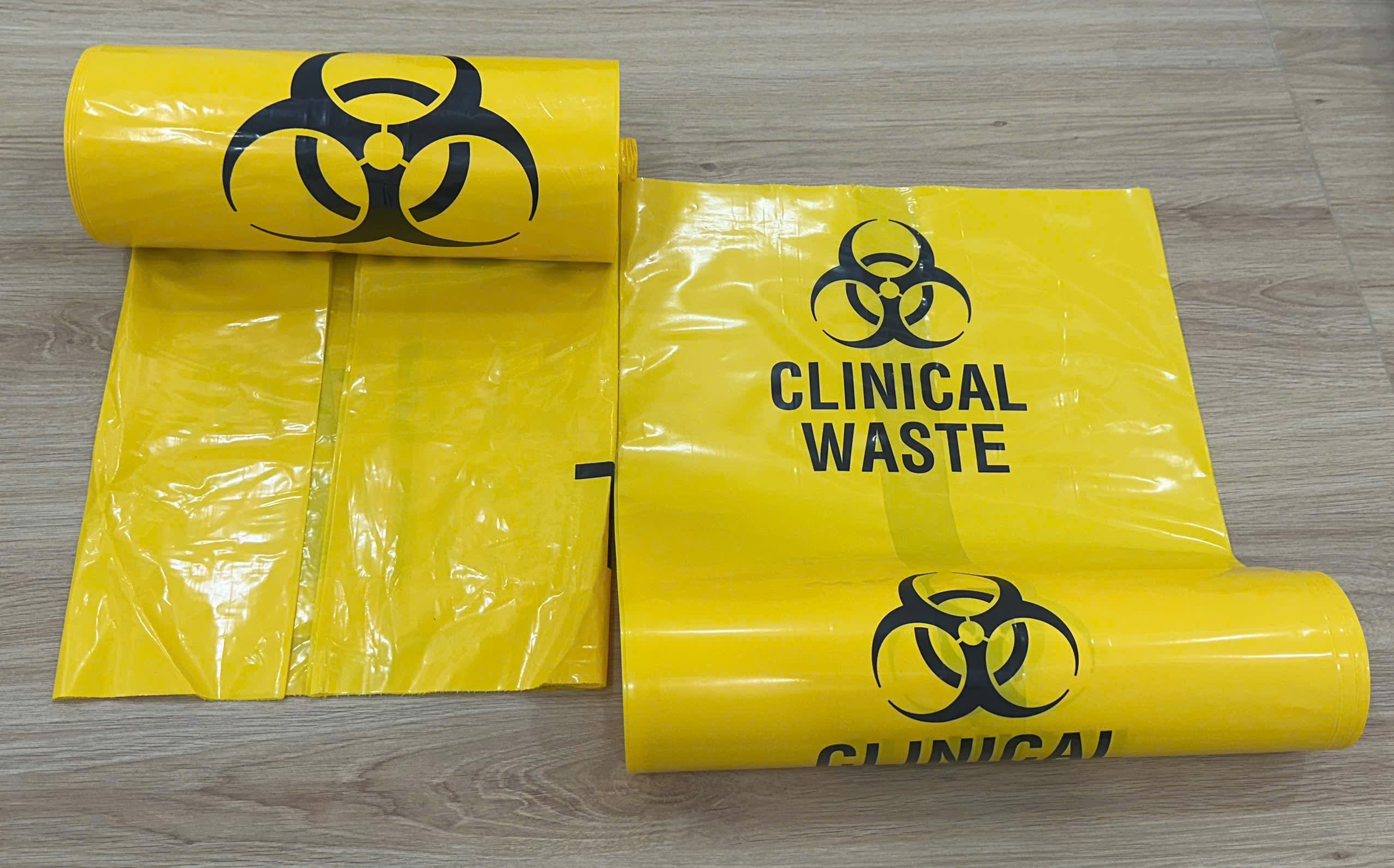
When you search for a heavy duty trash bag, you expect a product that can handle sharp edges, wet waste, and high volumes without tearing. This guide explains exactly what makes a trash bag “heavy duty,” compares key specifications, and provides a step‑by‑step checklist so you can choose the right bag for construction sites, commercial kitchens, or hazardous waste collection.
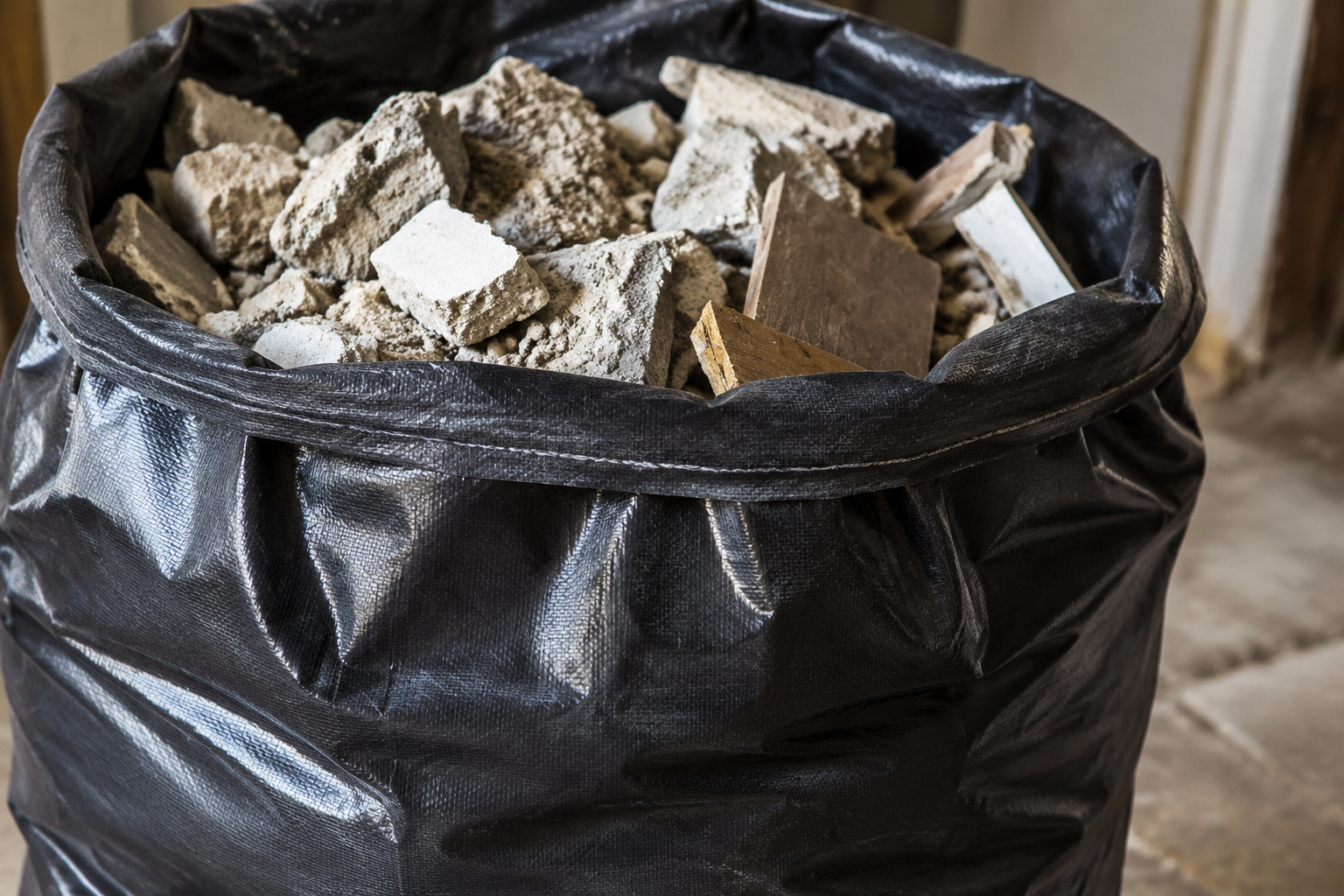
A close‑up of a thick, black heavy duty trash bag with reinforced seams, showing the textured surface and a visible load of construction de…
What Defines a Heavy Duty Trash Bag?
Heavy duty trash bags are engineered with higher tensile strength, thicker walls, and reinforced seams. The primary factors are:
- Material thickness (mil): Typically 2 mil – 4 mil, compared to 0.5 mil for standard kitchen bags.
- Polyethylene type: High‑density polyethylene (HDPE) or linear low‑density polyethylene (LLDPE) for superior puncture resistance.
- Seal technology: Heat‑sealed or double‑stitched seams reduce the risk of splits.
- Load capacity: Rated by weight (e.g., 50 lb, 75 lb, 100 lb) and volume (e.g., 50 gal, 80 gal).
Key Use Cases for Heavy Duty Trash Bags
Construction and Demolition
Sharp nails, broken concrete, and metal scraps demand a bag that won’t rip. Look for a 4 mil LLDPE bag with a 100 lb rating and a reinforced drawstring.
Commercial Food Service
Wet grease and food waste can weaken thin bags. Choose a 3 mil HDPE bag with a moisture‑resistant coating and a wide mouth for easy loading.
Hazardous Waste Collection
Regulations often require a bag that can contain chemicals or bio‑hazardous material. Opt for a bag labeled “Hazardous Plastic Garbage” with a leak‑proof seal and a minimum of 4 mil thickness.
Comparing Heavy Duty Trash Bags with Standard Options
| Feature | Heavy Duty Trash Bag | Standard Kitchen Bag |
|---|---|---|
| Material Thickness | 2 – 4 mil | 0.4 – 0.6 mil |
| Typical Load Capacity | 50 – 100 lb | 10 – 20 lb |
| Seam Strength | Heat‑sealed, double‑stitched | Single stitch |
| Best For | Construction, industrial, hazardous waste | Household, light office waste |
How to Choose the Right Heavy Duty Trash Bag for Your Business
Use the following decision matrix to match your requirements with the optimal bag specifications.
- Volume of waste per day: If you generate more than 30 gal, select a 50 gal or 80 gal bag.
- Weight of waste: For loads over 75 lb, prioritize a 4 mil bag with a reinforced drawstring.
- Type of waste: Sharp or wet waste → thicker LLDPE; chemical or bio‑hazard → certified hazardous bag.
- Regulatory compliance: Verify local regulations for hazardous waste containment before purchase.
Checklist: Selecting a Heavy Duty Trash Bag
- ✅ Confirm material type (HDPE vs. LLDPE) based on waste sharpness.
- ✅ Verify thickness (mil) meets load requirements.
- ✅ Ensure seam construction (heat‑seal or double‑stitched).
- ✅ Check drawstring or handle strength for easy lifting.
- ✅ Match bag size (gal) to container dimensions.
- ✅ Look for certifications if handling hazardous material.
- ✅ Compare price per bag versus expected lifespan.
Real‑World Example: VNPLAST’s Heavy Duty Trash Bag Line
VNPLAST offers a range of heavy duty bags under the “Garbage Plastic Bag” family, including:
- Refuse Sack Plastic Bag: 3 mil, 80 gal, reinforced seam, ideal for municipal waste.
- Hazardous Plastic Garbage: 4 mil, 50 gal, chemical‑resistant coating, meets EU hazardous waste standards.
- Block Header Plastic Bag: 2.5 mil, 100 gal, block‑header closure for easy tying.
These products integrate seamlessly with VNPLAST’s Hand Stretch Film and Die Cut Bag Plastic solutions, creating a comprehensive waste‑management system.
Pros and Cons of Heavy Duty Trash Bags
- Pros
- High puncture resistance reduces bag failures.
- Greater load capacity minimizes bag changes.
- Reinforced seams improve safety for workers.
- Available in specialized variants for hazardous waste.
- Cons
- Higher unit cost compared to standard bags.
- Thicker material may be less flexible during loading.
- Some variants require specific disposal channels.
Frequently Asked Questions
What thickness qualifies a trash bag as “heavy duty”?
Generally, a thickness of 2 mil or more, with 3 – 4 mil being common for the toughest applications.
Can heavy duty bags be recycled?
Yes. Most are made from HDPE or LLDPE, both recyclable at facilities that accept #2 plastics. Look for a “Recycle Plastic bag” label to confirm.
Do I need a special liner for hazardous waste?
For chemicals or bio‑hazardous material, select a bag specifically labeled “Hazardous Plastic Garbage” that meets local regulatory standards.
How many bags should I keep in stock for a busy commercial kitchen?
Calculate average daily waste volume, add a 20 % safety buffer, and purchase enough 50 gal, 3 mil bags to cover a week’s usage.
Is a drawstring better than a handle?
Drawstrings provide uniform tension and are easier to seal, while handles are useful for lifting very heavy loads. Choose based on your lifting method.
Conclusion
Choosing the right heavy duty trash bag hinges on understanding material thickness, load capacity, and the specific waste profile of your operation. By applying the checklist, comparing key specifications, and aligning with VNPLAST’s product range, you can reduce bag failures, improve worker safety, and achieve cost‑effective waste management.
Table of Contents
heavy duty trash bag: practical overview
Sourcing and support
Explore VN Plastic packaging products, review independent information from an authoritative environmental resource, or contact VN Plastic for a tailored specification and quotation.