hand stretch film supplier is covered here with practical information for packaging buyers, converters and distributors.
When you search for “hand stretch film,” you expect a clear answer on what it is, how it differs from other stretch wraps, and which product best fits your packaging needs. Hand stretch film is a lightweight, highly elastic plastic film applied manually to secure loads on pallets, cartons, or irregular items. It offers fast application, excellent load stability, and cost‑effective protection against dust, moisture, and tampering. This guide explains the key features, selection criteria, installation tips, and common use cases so you can choose the right hand stretch film for your operation.
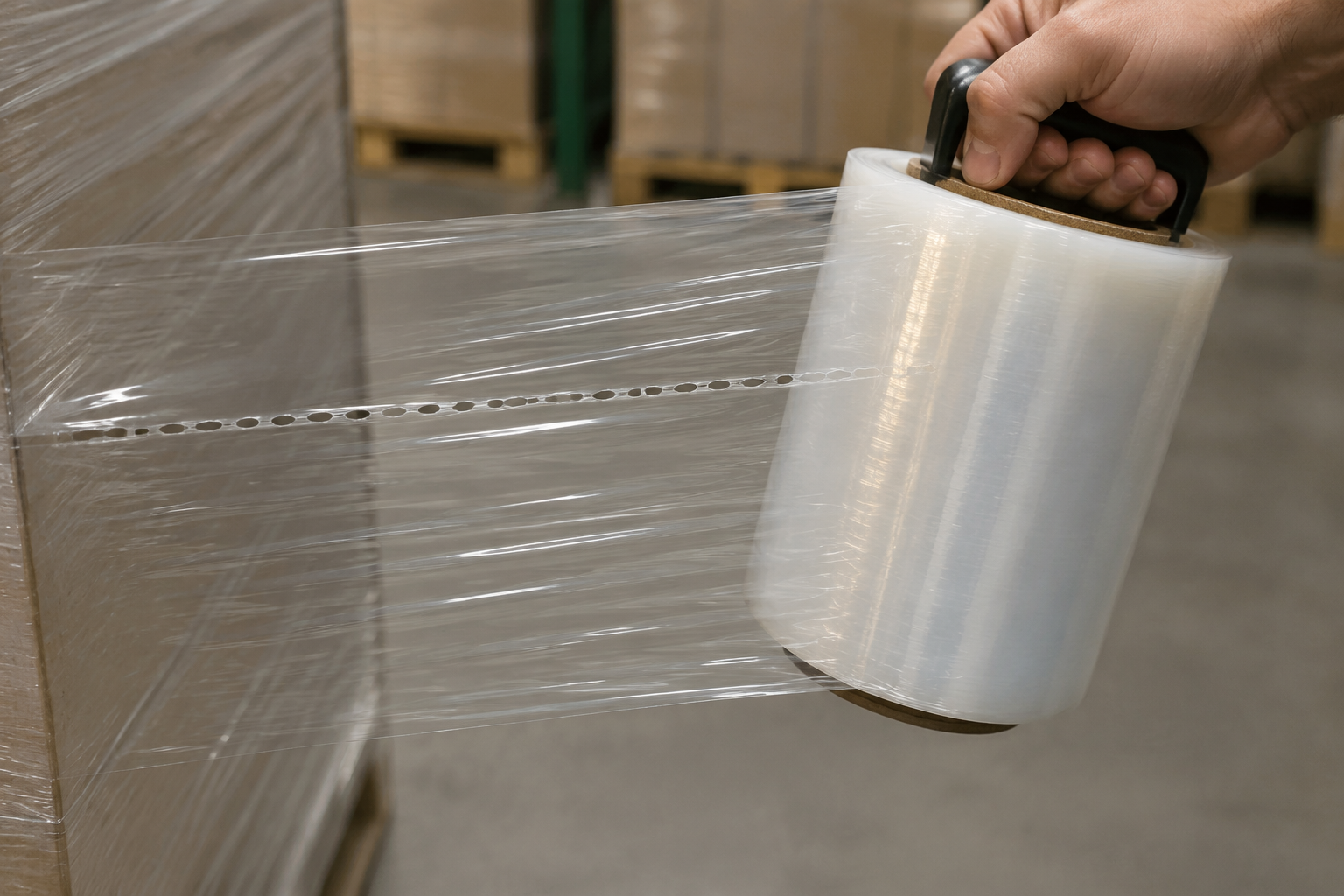
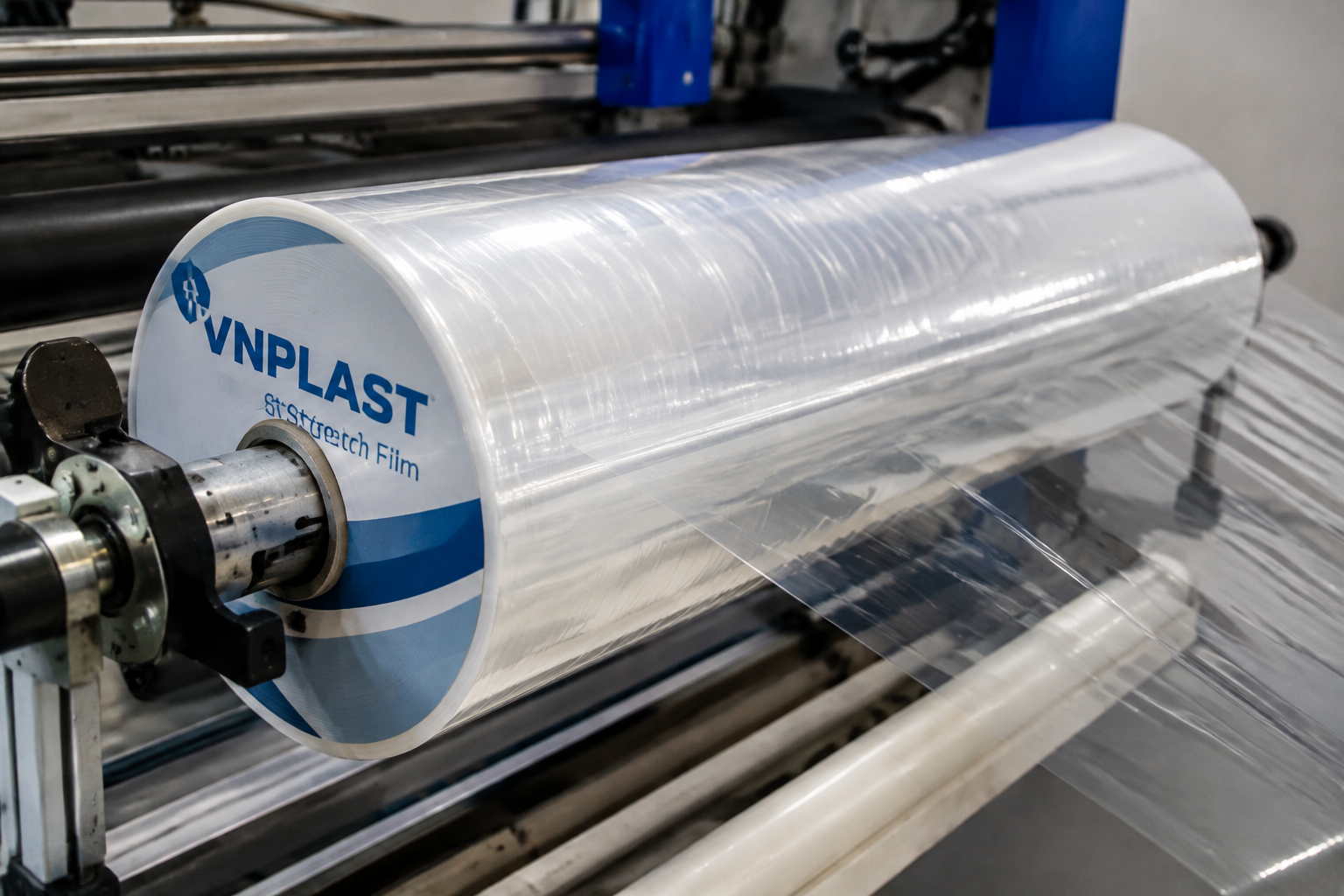
close‑up view of a roll of hand stretch film being unrolled by a worker’s hand, showing the transparent film, perforated tear strip, and th…
What Is Hand Stretch Film and How Does It Work?
Hand stretch film is a stretchable polyethylene film that is manually stretched around a load before being released to contract and hold the items together. Unlike machine‑applied stretch film, it relies on the operator’s grip and a simple dispenser to create tension.
Core Components
- Film material: Low‑density polyethylene (LDPE) or linear low‑density polyethylene (LLDPE) for elasticity.
- Perforated tear strip: Allows easy, clean cutting without scissors.
- Hand‑held dispenser: Often a plastic or metal roll holder with a cutting edge.
- Adhesive layer (optional): Some films include a light tack surface for extra grip.
Key Benefits Over Machine‑Applied Wrap
- Speed of deployment: Immediate use without setup time.
- Flexibility: Ideal for small batches, irregular shapes, or on‑site repairs.
- Cost efficiency: Lower capital expense; only film cost.
- Reduced waste: Precise hand tension reduces over‑stretch and film breakage.
How to Choose the Right Hand Stretch Film
Choosing the best hand stretch film depends on load type, environment, and budget. Use the checklist below to evaluate options.
Decision Checklist
- Load weight: Light (<500 kg) vs. heavy (>500 kg) pallets.
- Load shape: Uniform boxes vs. irregular items.
- Stretch ratio: Higher stretch (up to 300 %) for tighter hold.
- Clarity: Transparent film for product visibility.
- Recyclability: Look for films compatible with local recycling streams.
- Temperature resistance: Needed for cold storage or hot environments.
- Dispensing tool ergonomics: Grip comfort for prolonged use.
Performance Comparison: Hand Stretch Film vs. Machine Stretch Film
| Feature | Hand Stretch Film | Machine Stretch Film |
|---|---|---|
| Application speed | Immediate, no setup | Requires machine calibration |
| Initial investment | Low (dispenser only) | High (machine purchase) |
| Ideal batch size | Small to medium | Large, continuous runs |
| Load stability | Good for light‑to‑moderate loads | Superior for heavy loads |
| Material waste | Lower when applied correctly | Potential over‑wrap |
Real‑World Use Cases for Hand Stretch Film
Hand stretch film is widely used across industries. Below are three common scenarios where it excels.
1. Small‑Scale E‑Commerce Fulfillment
Online retailers often ship mixed‑order pallets with varying box sizes. Hand stretch film allows workers to quickly secure each pallet without reconfiguring a machine.
2. Construction Site Material Bundling
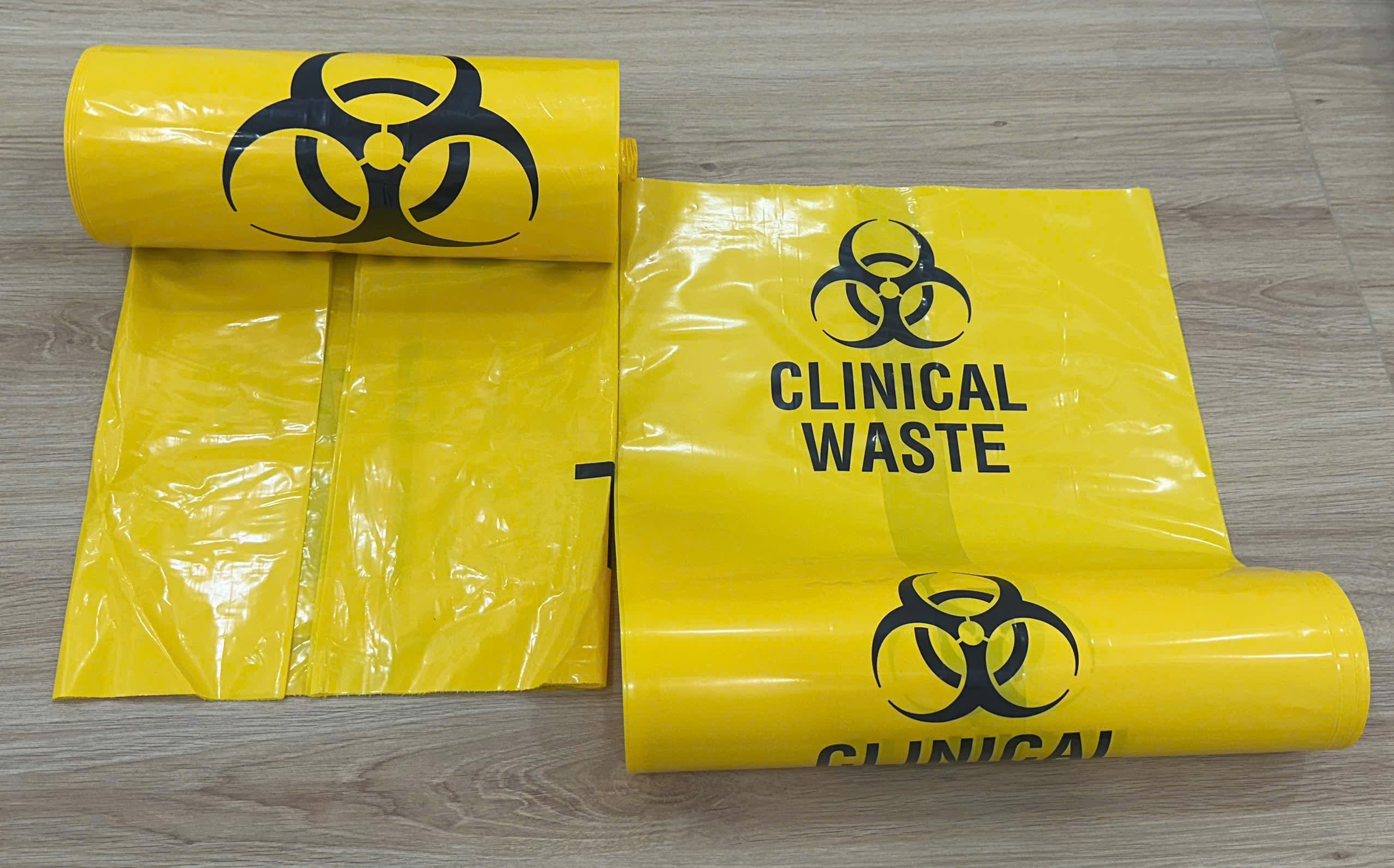
Heavy‑duty plastic bags, such as refuse sack plastic bags or hazardous plastic garbage bags, are bundled on‑site using hand stretch film to keep debris contained and prevent spillage.
3. Food Packaging and Safety
Food plastic bags and block header plastic bags benefit from a clear, food‑grade hand stretch film that maintains product visibility while meeting hygiene standards.
Best Practices for Applying Hand Stretch Film
- Start at the base: Begin wrapping at the pallet base and work upward.
- Overlap each pass: Aim for 50‑75 % overlap to ensure uniform tension.
- Maintain consistent stretch: Pull the film to about 150‑200 % of its original length; avoid over‑stretching which can cause tearing.
- Secure the end: Use the perforated tear strip to cut and press the final layer against the load.
- Check for gaps: Inspect the wrapped pallet for any exposed edges before transport.
Environmental Considerations
VNPLAST’s hand stretch film is manufactured from recyclable LDPE, aligning with sustainability goals. When selecting a film, verify that it meets local recycling guidelines and consider using a film with a lower thickness (e.g., 12 µm) to reduce material usage without compromising strength.
Cost Calculation Example
Assume a 500 mm × 200 m roll of 12 µm hand stretch film costs $45. A typical pallet requires 15 m of film (including overlap). The cost per pallet is:
Cost per pallet = (15 m / 200 m) × $45 = $3.38
This simple calculation helps compare hand stretch film against alternative packaging options.
Pros and Cons of Hand Stretch Film
- Pros:
- Low upfront cost
- Quick setup and flexibility
- Suitable for varied load shapes
- Easy to recycle
- Cons:
- Less consistent tension than machine wrap
- Operator fatigue on large volumes
- Limited effectiveness for very heavy loads
Frequently Asked Questions
What is the recommended stretch ratio for hand stretch film?
For most applications, a stretch of 150‑200 % provides optimal tension without risking film breakage.
Can hand stretch film be used on wet or oily surfaces?
Yes, but choose a film with a tacky surface or apply a clean, dry cloth first to improve adhesion.
Is hand stretch film suitable for hazardous waste packaging?
When paired with a hazardous plastic garbage bag, hand stretch film adds an extra containment layer, but ensure the film complies with local regulations for hazardous materials.
How does hand stretch film compare to die‑cut bag plastic for bundling?
Hand stretch film offers greater flexibility and faster application, while die‑cut bags provide a pre‑formed shape that may be advantageous for uniform items.
What disposal methods are recommended for used hand stretch film?
Recycle the film through a plastic film recycling program if available; otherwise, dispose of it as non‑hazardous waste following local guidelines.
Conclusion
Hand stretch film is a versatile, cost‑effective solution for securing loads ranging from small e‑commerce pallets to construction‑site debris bundles. By evaluating load weight, shape, and environmental requirements, you can select a film that delivers reliable performance while supporting sustainability goals. VNPLAST’s hand stretch film combines high stretchability, clear visibility, and recyclability, making it an excellent choice for businesses seeking both efficiency and responsibility in their packaging processes.
Table of Contents
hand stretch film supplier: practical overview
Ask for a representative hand stretch film supplier sample when testing a new application.
Document the approved hand stretch film supplier requirements for repeat orders.
Compare hand stretch film supplier options using total application cost, not unit price alone.
hand stretch film supplier specifications should always be confirmed before mass production.
Ask for a representative hand stretch film supplier sample when testing a new application.
Document the approved hand stretch film supplier requirements for repeat orders.
Compare hand stretch film supplier options using total application cost, not unit price alone.
Sourcing and support
Explore VN Plastic packaging products, review independent information from an authoritative environmental resource, or contact VN Plastic for a tailored specification and quotation.