When you search for plastic bag header block cost, you expect a clear answer on pricing, factors that influence it, and how to choose the right block header for your operation. In the first 120 words, we’ll define the term, explain why it matters, and give you a quick cost range so you can make an informed decision right away.
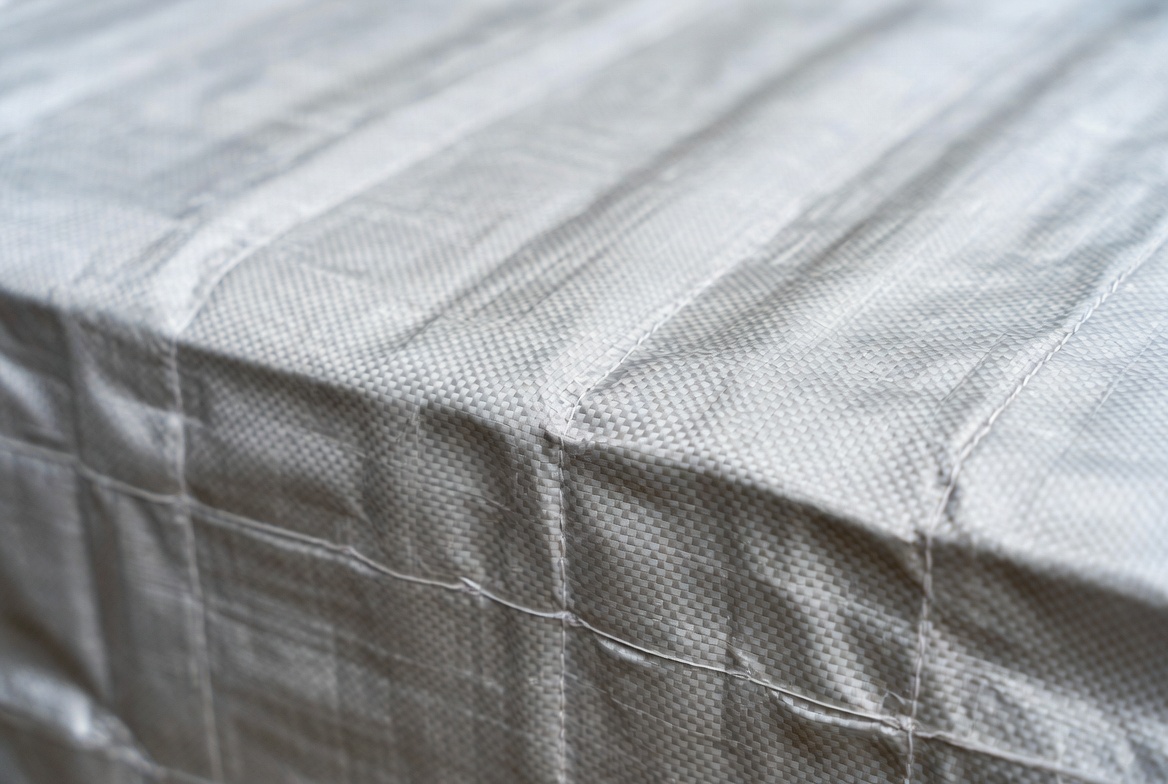
The plastic bag header block is the reinforced portion at the top of a bag that provides strength for sealing, hanging, or handling. Its cost depends on material grade, thickness, size, production volume, and any custom features such as anti‑static additives or UV protection. Generally, prices range from US$0.02 to US$0.12 per bag, with bulk orders pushing the unit price toward the lower end.
What Is a Plastic Bag Header Block?
A header block is the reinforced top edge of various plastic bags, including:
- Hand stretch film bags
- Die‑cut bags
- Recycle plastic bags
- Refuse sack plastic bags
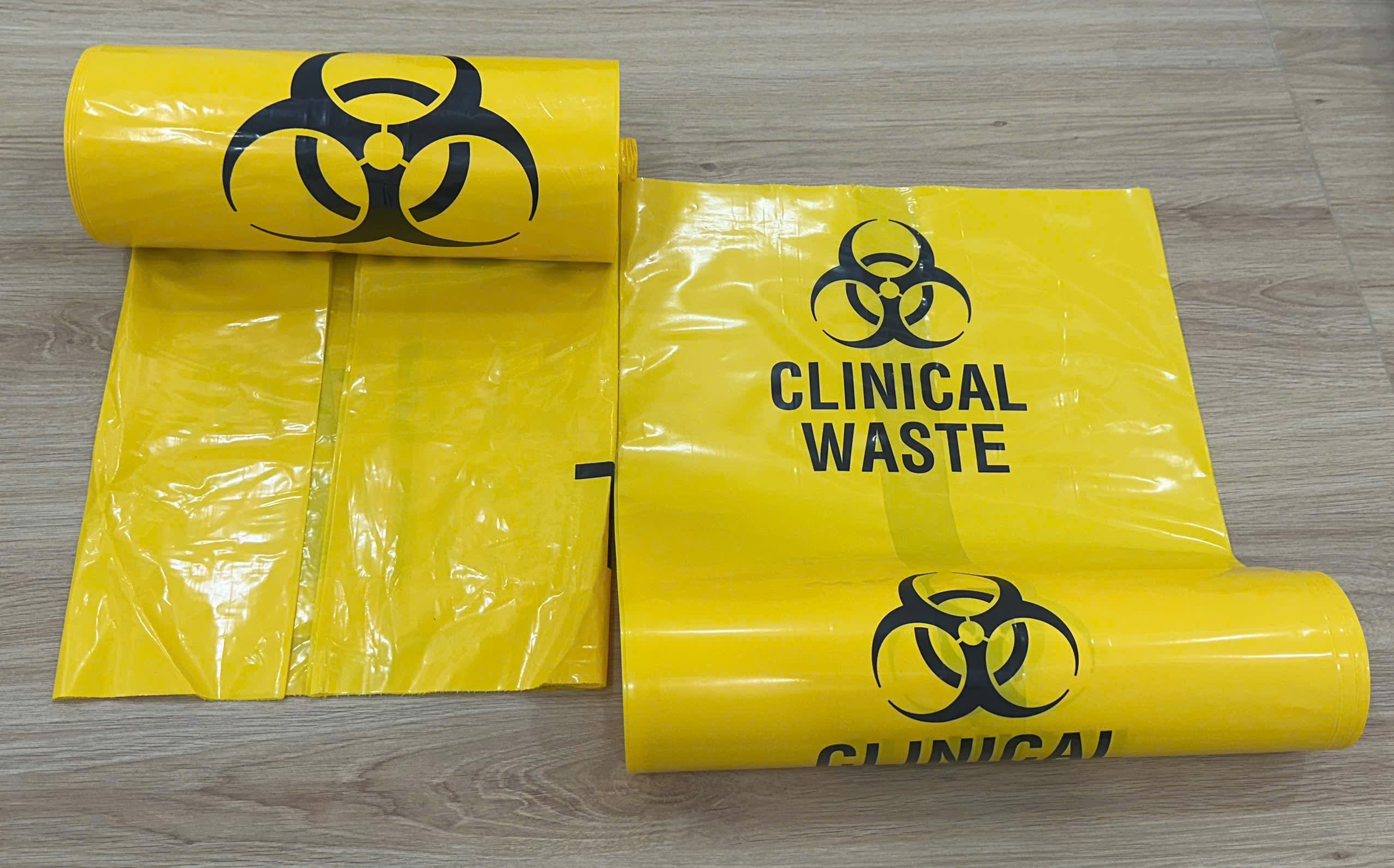
- Hazardous plastic garbage bags
- Food plastic bags
Its primary purpose is to prevent tearing during filling, transport, or disposal. The block can be formed by heat sealing, ultrasonic welding, or a combination of both, depending on the bag type and required strength.
Key Materials Used in Header Blocks
- LDPE (Low‑Density Polyethylene) – flexible, low cost, suitable for lightweight bags.
- HDPE (High‑Density Polyethylene) – higher tensile strength, ideal for heavy‑duty refuse sacks.
- PP (Polypropylene) – excellent heat resistance, used for hazardous waste bags.
- Recycled polyethylene – eco‑friendly option with comparable performance for many applications.
Factors That Influence Plastic Bag Header Block Cost
Understanding the cost drivers helps you negotiate better prices and select the most cost‑effective solution.
1. Material Grade and Thickness
Higher‑grade polymers and thicker blocks increase material consumption, raising the unit cost. For example, a 0.8 mm HDPE header block will cost roughly 30‑40% more than a 0.5 mm LDPE block.
2. Bag Size and Shape
Larger bags require longer header blocks, and custom shapes (e.g., tapered or gusseted tops) may need additional tooling, adding to the expense.
3. Production Volume
Economies of scale are significant. Orders under 10,000 units often carry a setup surcharge, while volumes above 100,000 units can reduce the per‑bag cost by up to 50%.
4. Custom Features
- Anti‑static additives – important for electronic component packaging.
- UV‑stabilizers – extend outdoor life for waste bags.
- Printed logos or safety warnings – require extra printing steps.
5. Manufacturing Process
Heat sealing is the most common and cost‑effective method. Ultrasonic welding offers superior strength but adds equipment cost, typically reflected in a 10‑15% price increase.
Typical Price Ranges by Application
| Application | Typical Header Block Thickness | Cost per Bag (USD) |
| Hand Stretch Film | 0.4 mm | 0.02 – 0.04 |
| Die Cut Bag Plastic | 0.5 mm | 0.03 – 0.06 |
| Recycle Plastic Bag | 0.6 mm | 0.04 – 0.08 |
| Refuse Sack Plastic Bag | 0.8 mm | 0.06 – 0.10 |
| Hazardous Plastic Garbage | 1.0 mm | 0.09 – 0.12 |
Checklist: Evaluating Header Block Options Before Purchase
- Define the bag’s load capacity – heavier loads need thicker blocks.
- Choose the right polymer – match material to environment (e.g., UV exposure, temperature).
- Confirm compliance – ensure the block meets local waste‑handling regulations.
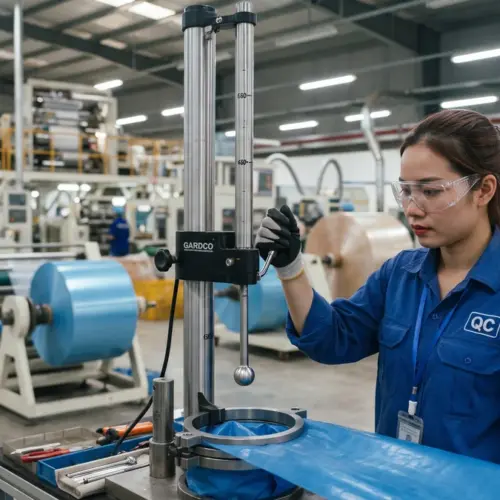
- Request sample testing – tensile strength, seal integrity, and tear resistance.
- Calculate total cost of ownership – include setup fees, tooling, and potential waste reduction.
- Verify supplier capabilities – can VNPLAST produce the required volume and custom features?
Pros and Cons of Common Header Block Materials
- LDPE
- Pros: Low cost, high flexibility.
- Cons: Lower tensile strength, not ideal for heavy loads.
- HDPE
- Pros: Strong, resistant to punctures.
- Cons: Slightly higher cost, less flexible.
- PP
- Pros: Excellent heat resistance, good for hazardous waste.
- Cons: Higher material cost, may require specialized sealing equipment.
- Recycled Polyethylene
- Pros: Eco‑friendly, comparable performance.
- Cons: May have variability in thickness; requires quality control.
Real‑World Use Cases
Below are three typical scenarios where the plastic bag header block cost plays a decisive role.
1. Municipal Waste Collection
City councils often purchase large volumes of 120‑liter refuse sacks. A 0.9 mm HDPE header block provides the necessary strength to hold bulky waste. By ordering 250,000 bags annually, the per‑bag cost drops to US$0.07, saving the municipality over US$18,000
2. Food Processing Plants
Food plastic bags require a sanitary, low‑contamination header. A 0.5 mm LDPE block with food‑grade additives is sufficient. Because the bags are used in high‑speed packaging lines, the cost per bag is kept at US$0.03, balancing safety and expense.
3. Hazardous Waste Management
Handling chemical waste demands a 1.0 mm PP header block with UV stabilizers. Though the cost rises to US$0.11 per bag, the added durability prevents leaks, protecting both workers and the environment.
How to Reduce Plastic Bag Header Block Cost Without Compromising Quality
- Consolidate orders – combine multiple SKUs into a single larger batch.
- Standardize dimensions – avoid custom sizes unless absolutely necessary.
- Negotiate long‑term contracts – lock in material prices and reduce setup fees.
- Opt for recycled material – often cheaper and meets sustainability goals.
- Implement in‑house quality checks – catch defects early and reduce waste.
Frequently Asked Questions
What determines the price difference between LDPE and HDPE header blocks?
LDPE is less dense and cheaper to produce, while HDPE offers higher tensile strength and puncture resistance, resulting in a higher material cost. The price gap typically ranges from 20% to 40% per kilogram.
Can I request a sample of a custom‑size header block?
Yes. VNPLAST provides free samples for orders above 5,000 units. Samples include the exact material, thickness, and any requested additives, allowing you to test performance before full production.
Is there a minimum order quantity (MOQ) for header block bags?
The standard MOQ is 10,000 bags. However, VNPLAST can accommodate smaller runs for prototypes or specialty projects with a setup surcharge.
How does the header block affect bag recyclability?
When made from the same polymer as the bag body (e.g., LDPE with LDPE), the header block does not hinder recycling. Mixed‑material blocks (e.g., PP header on LDPE bag) may require separate processing streams.
What certifications should I look for?
For food applications, seek FDA‑compliant or EU Regulation 1935/2004 certification. For hazardous waste, look for ISO 9001 and local environmental compliance certificates.
Conclusion
The plastic bag header block cost is shaped by material choice, thickness, bag size, production volume, and any custom features. By evaluating these factors against your specific use case—whether municipal waste, food packaging, or hazardous material handling—you can select a header block that balances durability and expense. VNPLAST offers a full range of header block options, from low‑cost LDPE for lightweight bags to high‑performance PP for hazardous waste, backed by sample testing and flexible ordering.
Investing time in the checklist and cost‑comparison matrix above will empower you to negotiate better pricing, ensure regulatory compliance, and ultimately achieve a more sustainable and cost‑effective packaging solution.
Table of Contents
plastic bag header block cost: practical overview
Ask for a representative plastic bag header block cost sample when testing a new application.
Document the approved plastic bag header block cost requirements for repeat orders.
Compare plastic bag header block cost options using total application cost, not unit price alone.
plastic bag header block cost specifications should always be confirmed before mass production.

Sourcing and support
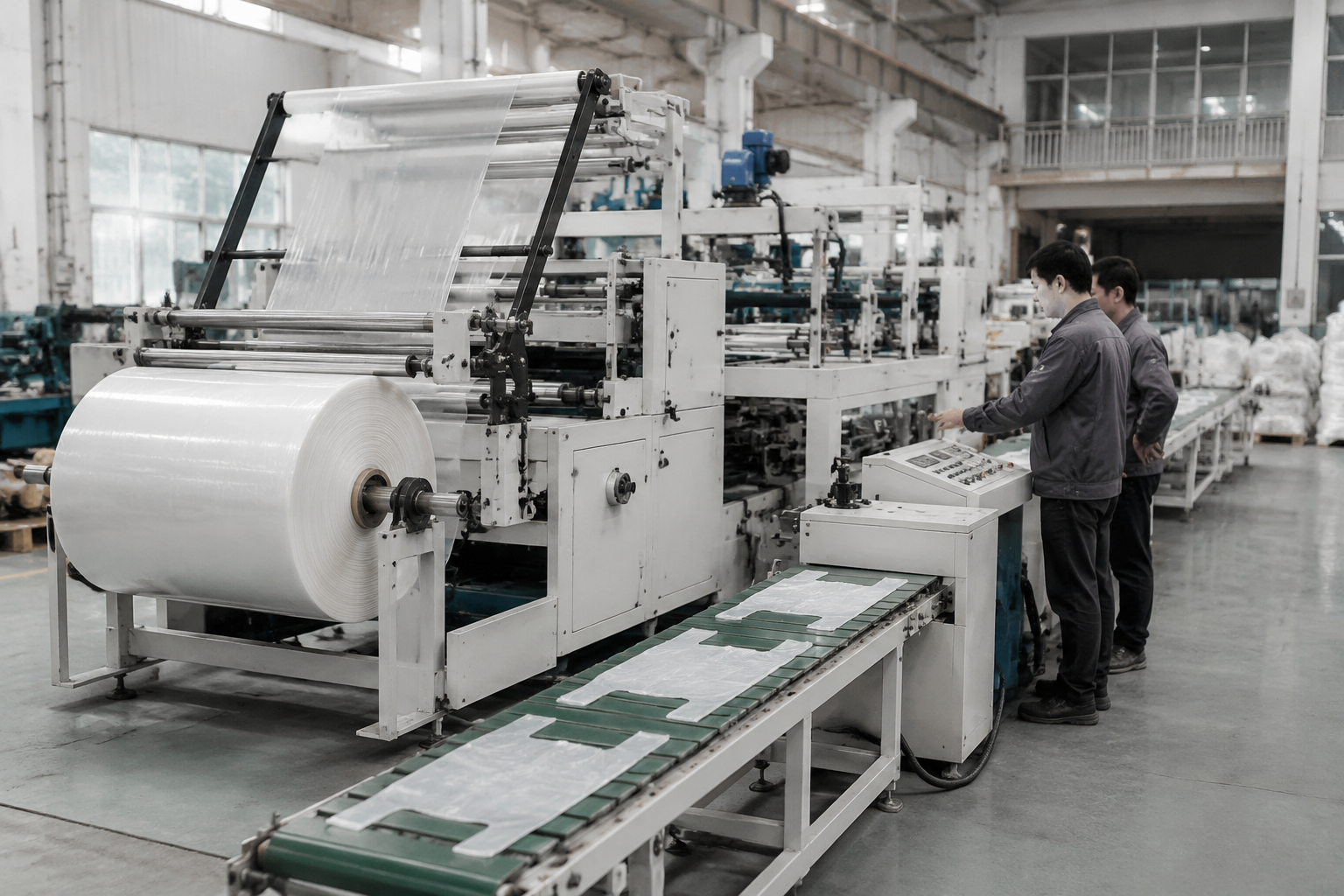
Explore VN Plastic packaging products, review independent information from an authoritative environmental resource, or contact VN Plastic for a tailored specification and quotation.