When you search for a reliable solution to secure and transport items, the Handle Wrap Tool Plastic Bag often tops the list. This article explains exactly what a Handle Wrap Tool Plastic Bag is, how it differs from other plastic bags, and why it’s the preferred choice for industries ranging from waste management to food packaging. By the end of this read, you’ll know the key features, best‑practice handling methods, and decision factors to choose the right bag for your operation.
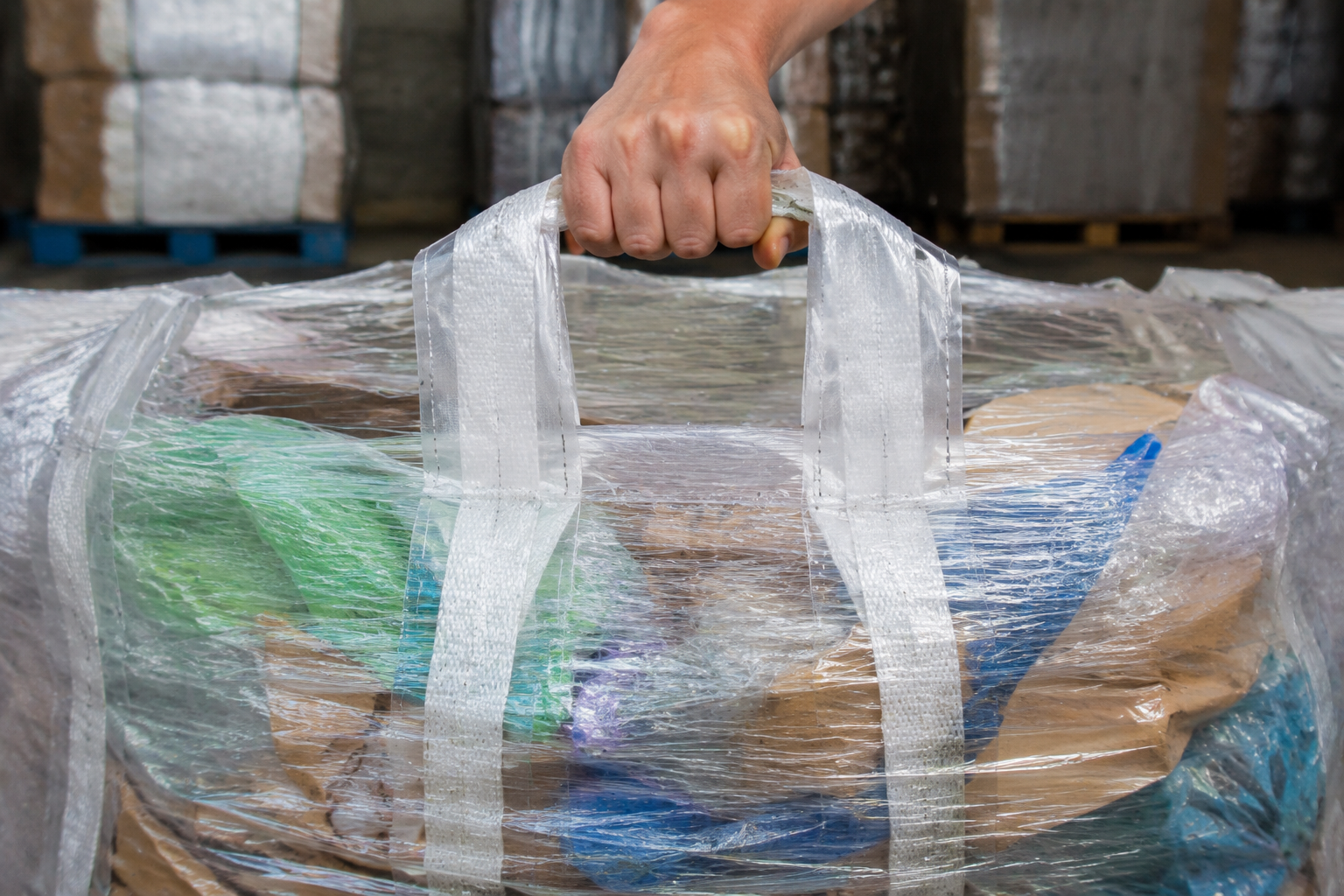
Close‑up of a transparent Handle Wrap Tool Plastic Bag with reinforced handles, showing the woven grip and stretch film sealing around a pa…
What Is a Handle Wrap Tool Plastic Bag?
A Handle Wrap Tool Plastic Bag combines three essential functions in one product:
- Handles: Integrated, reinforced handles that allow manual lifting without tearing.
- Wrap Tool Compatibility: Designed to work with automatic wrapping machines that apply stretch film around the bag for added stability.
- Durable Plastic Construction: Typically made from high‑density polyethylene (HDPE) or low‑density polyethylene (LDPE) for puncture resistance and flexibility.
These bags are widely used for:
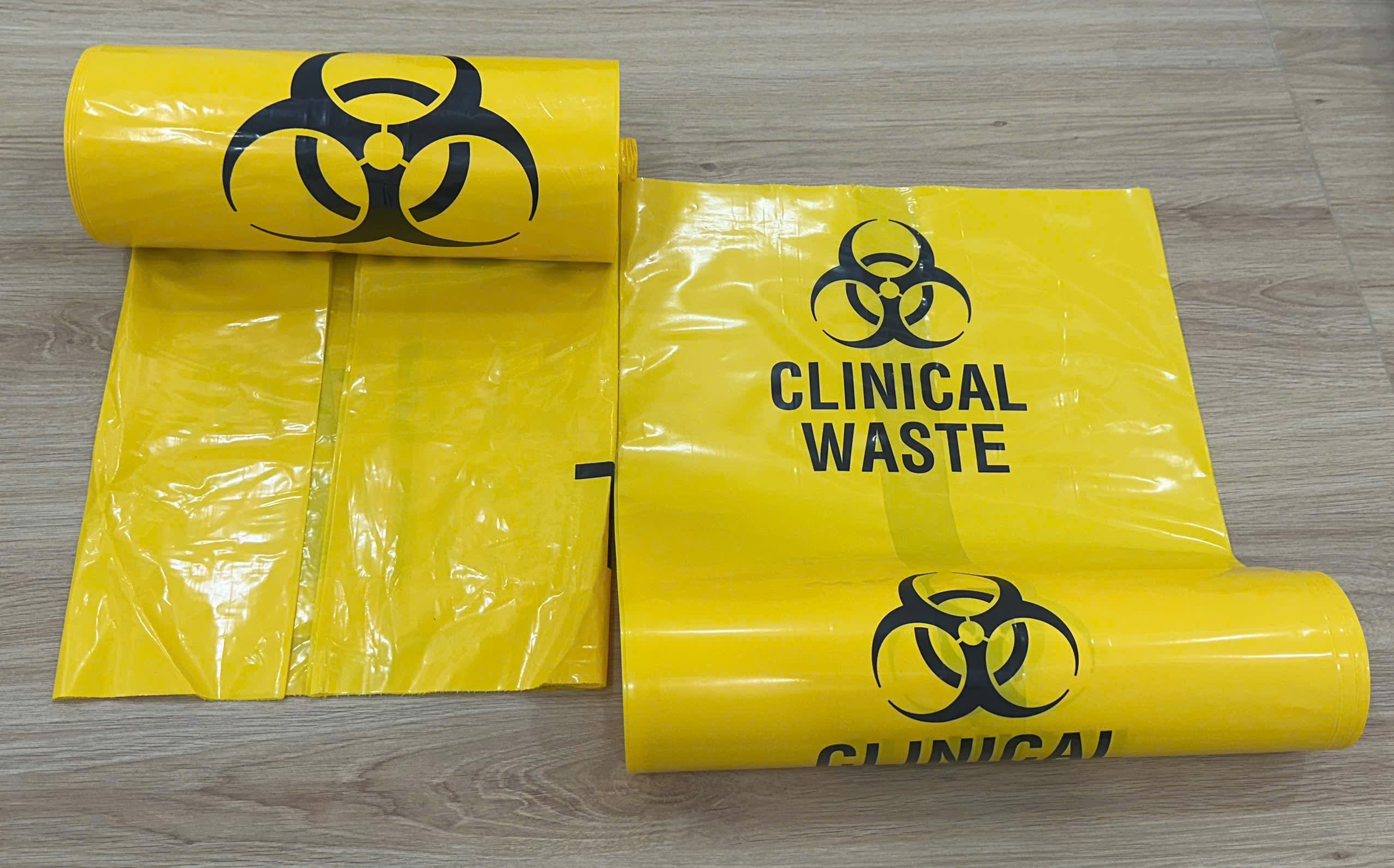
- Collecting refuse and hazardous waste.
- Transporting bulk food products.
- Packaging industrial components that require a secure grip.
Key Design Features to Look For
1. Material Thickness (Gauge)
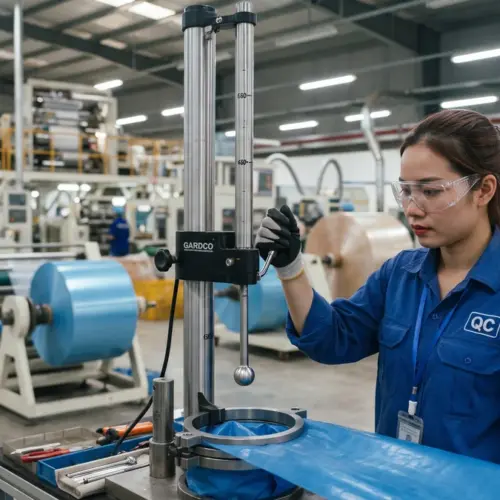
Thickness is measured in mils (thousandths of an inch). Common gauges are 2 mil, 4 mil, and 6 mil. Thicker bags provide higher puncture resistance, crucial for sharp or heavy loads.
2. Handle Construction
- Woven Handles: Offer the strongest grip, ideal for heavy loads.
- Die‑Cut Handles: Simpler to produce, suitable for lighter applications.
- Reinforced Edge Handles: Provide a balance between strength and cost.
3. Closure System
Most Handle Wrap Tool Plastic Bags feature a heat‑seal or twist‑tie closure. For high‑speed operations, a built‑in stretch‑film slot allows seamless integration with wrap tools.
Benefits Over Standard Plastic Bags
- Enhanced Safety: Handles reduce the need to lift bags by the top edge, lowering the risk of spills.
- Improved Load Stability: When wrapped with stretch film, the bag’s shape remains intact during transport.
- Reusable Options: Some models are designed for multiple cycles, supporting sustainability goals.
Choosing the Right Handle Wrap Tool Plastic Bag
Use the following checklist to match bag specifications with your operational needs:
Decision Checklist
- What is the maximum weight per bag? (e.g., 25 kg, 50 kg, 100 kg)
- Is the content hazardous, sharp, or wet?
- Do you need compatibility with automatic stretch‑film wrap tools?
- What is the required durability (mil gauge) based on load type?
- Is a reusable or single‑use bag more cost‑effective for your volume?
Comparison: Handle Wrap Tool Plastic Bag vs. Other Common Bags
| Feature | Handle Wrap Tool Plastic Bag | Standard Hand Stretch Film | Die Cut Bag Plastic |
|---|---|---|---|
| Integrated Handles | Yes (reinforced) | No | Optional |
| Wrap Tool Compatibility | Built‑in slot for stretch film | External film only | Limited |
| Typical Gauge | 2‑6 mil | Film thickness 1‑2 mil | 1‑4 mil |
| Load Capacity | Up to 100 kg | Depends on film tension | Up to 30 kg |
| Reusable | Yes (if HDPE) | No | Rare |
Real‑World Use Cases
1. Municipal Waste Collection
City sanitation departments use 4 mil Handle Wrap Tool Plastic Bags with woven handles for collecting mixed refuse. The bags are placed in garbage trucks, then wrapped with stretch film to prevent spillage during transport to the landfill.
2. Food Processing Plants
Food manufacturers package bulk vegetables in 2 mil bags featuring food‑grade LDPE and heat‑seal closures. The handles allow workers to lift bags without contaminating the product, while the stretch‑film wrap maintains freshness.
3. Hazardous Material Handling
Industrial facilities dealing with hazardous chemicals select 6 mil reinforced‑edge bags. The high gauge resists puncture, and the handles enable safe manual removal before the bag is sealed with a specialized wrap tool that applies anti‑static stretch film.
Installation and Handling Best Practices
Step‑by‑Step Loading Procedure
- Inspect the bag for tears or weak seams before use.
- Place the bag on a flat surface and open the handles fully.
- Load the material evenly to avoid over‑concentration of weight on one side.
- Close the top using the heat‑seal or twist‑tie, ensuring a tight seal.
- Feed the bag into the stretch‑film wrap tool, aligning the built‑in slot.
- Activate the wrap tool to apply uniform tension, securing the bag for transport.
Maintenance Tips for Reusable Bags
- Rinse reusable bags with mild detergent after each use to remove residue.
- Allow bags to dry completely before storage to prevent mold growth.
- Store bags in a cool, dry area away from direct sunlight to avoid material degradation.
Cost Considerations and ROI
While the upfront cost of a Handle Wrap Tool Plastic Bag is higher than a basic polyethylene sack, the total cost of ownership can be lower due to reduced spillage, fewer bag failures, and the potential for reuse. Calculate ROI by comparing:
- Bag price per unit.
- Average number of uses (for reusable options).
- Cost of waste caused by bag failure (e.g., product loss, cleanup).
- Labor savings from easier handling.
Environmental Impact and Recycling
Most Handle Wrap Tool Plastic Bags are made from recyclable HDPE or LDPE. VNPLAST offers a Recycle Plastic Bag program where used bags are collected, cleaned, and re‑processed into new packaging material, supporting a circular economy.
Frequently Asked Questions
What weight can a typical Handle Wrap Tool Plastic Bag hold?
Standard models range from 25 kg to 100 kg, depending on gauge and handle reinforcement. For heavy‑duty applications, choose a 6 mil bag with woven handles.
Are these bags suitable for food contact?
Yes, when manufactured from food‑grade LDPE and sealed with a heat‑seal closure, they meet FDA regulations for food packaging.
Can the bags be used with manual stretch‑film tools?
Absolutely. The built‑in slot works with both automated and manual wrap tools, allowing flexibility in smaller facilities.
How many times can a reusable Handle Wrap Tool Plastic Bag be used?
With proper cleaning and storage, HDPE bags can be reused 50‑100 cycles before material fatigue becomes a concern.
Is there a difference between woven and die‑cut handles?
Woven handles provide higher tensile strength and are ideal for heavy loads, while die‑cut handles are cost‑effective for lighter applications.
Conclusion
The Handle Wrap Tool Plastic Bag is a versatile, durable, and safety‑enhancing solution for a wide range of industries. By evaluating material gauge, handle type, and compatibility with stretch‑film tools, you can select a bag that minimizes waste, maximizes efficiency, and aligns with sustainability goals. Implement the handling best practices outlined above, and you’ll experience fewer bag failures, lower labor costs, and a smoother workflow.
Table of Contents
Handle Wrap Tool Plastic Bag: practical overview

Sourcing and support
Explore VN Plastic packaging products, review independent information from an authoritative environmental resource, or contact VN Plastic for a tailored specification and quotation.