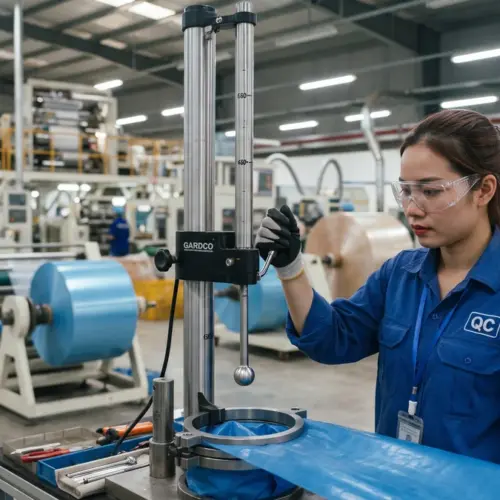
When you search for a die cut bag supplier, you need more than a quick quote—you need a partner who understands material performance, custom tooling, and fast turnaround. VNPLAST, a leading provider of plastic packaging solutions, offers die‑cut bag plastic that meets strict industry standards while keeping costs competitive. This guide explains how to evaluate suppliers, what specifications matter most, and how to integrate die‑cut bags into your product line efficiently.
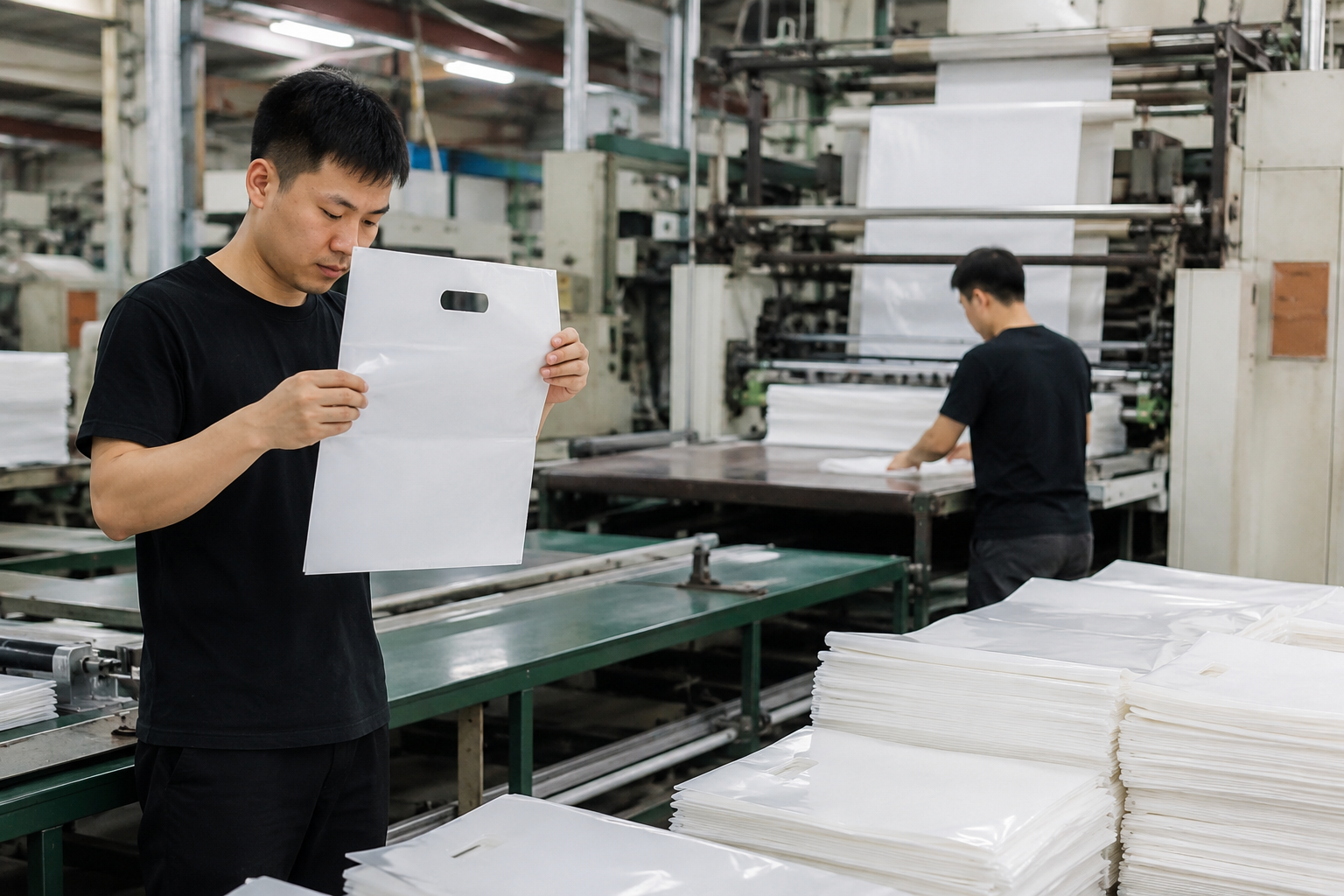
Close‑up of a high‑quality die‑cut plastic bag with precise cutouts for handles and openings, showing the material texture and printed logo…
What Sets a Top Die Cut Bag Supplier Apart?
A reputable supplier delivers on three core pillars: material expertise, manufacturing precision, and responsive service. Below are the decisive factors you should verify before signing a contract.
- Material Options: Ability to source virgin, recycled, or specialty plastics such as low‑density polyethylene (LDPE) for flexible bags, or high‑density polyethylene (HDPE) for stronger, puncture‑resistant designs.
- Tooling Capability: In‑house CNC die‑cut machines that can handle intricate patterns, custom handles, and reinforced edges without outsourcing.
- Quality Certifications: ISO 9001, ISO 14001, and compliance with REACH or FDA regulations for food‑grade bags.
- Lead Times & Volume Flexibility: Ability to produce small batches (as low as 1,000 pcs) and scale up to millions without sacrificing quality.
- Environmental Commitment: Options for 100 % recyclable or biodegradable plastics, and take‑back programs for used bags.
Why Material Choice Matters
Different applications demand specific material properties:
- Food Plastic Bag: Must be FDA‑approved, moisture‑resistant, and often feature a food‑safe printing ink.
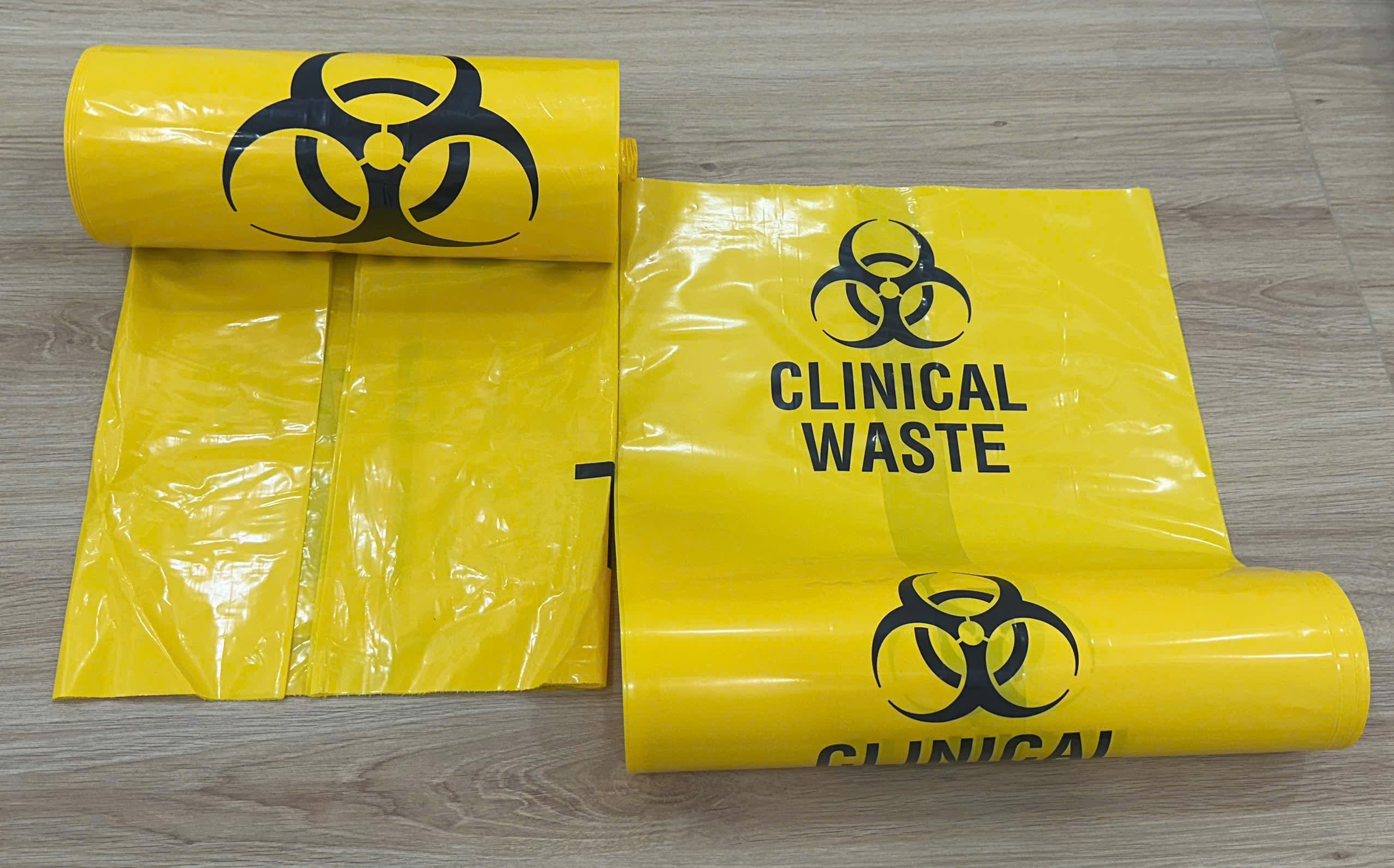
- Hazardous Plastic Garbage Bag: Requires high tensile strength, puncture resistance, and sometimes UV stabilization.
- Recycle Plastic Bag: Uses post‑consumer resin, reducing carbon footprint while maintaining durability.
Common Use Cases for Die Cut Bags
Die‑cut bags are versatile across industries. Below are three real‑world scenarios where custom cutouts add value.
- Retail Packaging: Pre‑cut handles for easy carry, with a block header for branding.
- Industrial Waste Management: Refuse sack plastic bags with reinforced seams for heavy loads.
- Food Service: Hand stretch film combined with a die‑cut bag to secure fresh produce.
Checklist: Selecting the Ideal Die Cut Bag Supplier
Use this quick checklist during your evaluation process:
- ✅ Does the supplier offer the exact plastic grade you need (LDPE, HDPE, recycled, biodegradable)?
- ✅ Can they produce the required die‑cut geometry in a single pass?
- ✅ Are they certified (ISO 9001, FDA, REACH) for your industry?
- ✅ What are their minimum order quantities and price breaks?
- ✅ Do they provide sample prototypes before full production?
- ✅ How do they handle sustainability—recyclable material, carbon‑offset shipping?
- ✅ What is their average lead time for 10k‑piece orders?
Cost Factors: What Influences Pricing?
Understanding the cost drivers helps you negotiate better terms.
- Material Thickness: Thicker films increase raw material cost but improve strength.
- Die Complexity: More intricate cuts require longer setup and higher tooling costs.
- Print Volume: Full‑color printing adds ink and curing expenses.
- Order Size: Larger runs dilute fixed costs; however, small‑batch pricing may include a premium.
Implementation Tips for Seamless Integration
After you select a supplier, follow these steps to ensure a smooth rollout.
- Prototype Review: Request a physical sample and verify cut accuracy, handle strength, and print fidelity.
- Technical Specification Sheet: Document material grade, thickness, tensile strength, and melt flow index for future reference.
- Quality Assurance Process: Set up incoming inspection criteria (e.g., visual defect rate < 0.5 %).
- Supply Chain Alignment: Coordinate delivery schedules with your production line to avoid bottlenecks.
- Feedback Loop: Provide performance data back to the supplier for continuous improvement.
Frequently Asked Questions
What is the typical lead time for custom die‑cut bags?
Most suppliers, including VNPLAST, can deliver prototypes within 5‑7 business days and full production runs of 10 k pieces in 2‑3 weeks, depending on material availability.
Can I order a small batch of die‑cut bags for a pilot launch?
Yes. Leading suppliers offer low minimum order quantities (as low as 1 000 pcs) with tiered pricing, allowing you to test market response before scaling.
Are recycled die‑cut bags as strong as virgin‑plastic bags?
When engineered correctly, recycled LDPE or HDPE can meet or exceed the tensile strength of virgin material, especially when reinforced with a thicker gauge or additional bonding layers.
Do die‑cut bags require special handling during shipping?
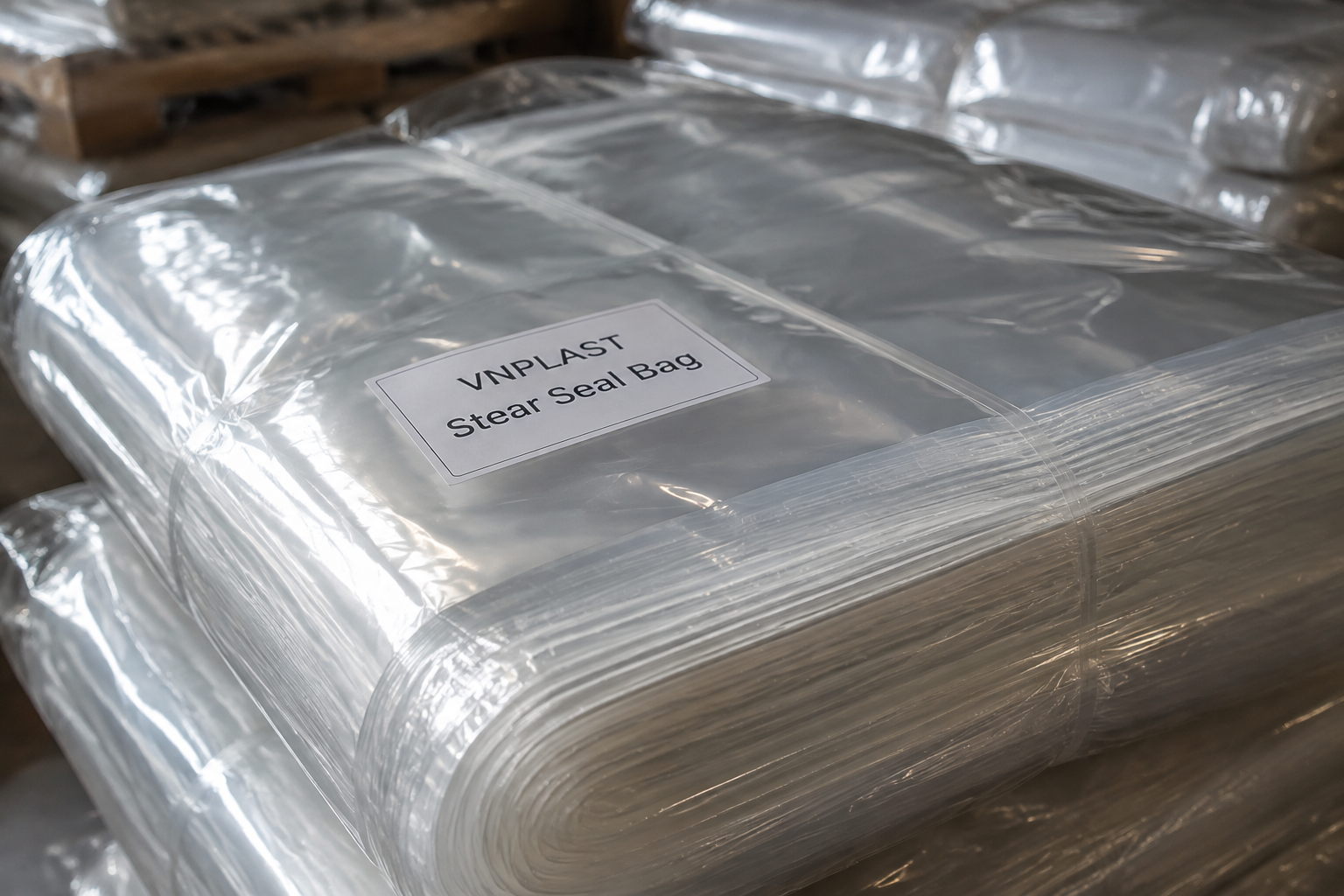
Generally, they are shipped flat in cartons to protect the cut edges. For heavier loads, use reinforced pallets and avoid stacking beyond the bag’s load rating.
How do I ensure my die‑cut bag complies with food‑contact regulations?
Verify that the supplier’s material is FDA‑approved, and that any inks or adhesives are also food‑grade. Request a compliance certificate as part of the technical data sheet.
Conclusion
Choosing the right die cut bag supplier hinges on material expertise, precise tooling, and a commitment to sustainability. By applying the checklist above, scrutinizing cost drivers, and testing prototypes early, you can partner with a supplier like VNPLAST that delivers reliable, high‑performance bags tailored to your industry’s demands. A strategic partnership not only reduces time‑to‑market but also enhances brand perception through quality packaging that meets regulatory and environmental standards.
Table of Contents
die cut bag supplier: practical overview
die cut bag supplier specifications should always be confirmed before mass production.
Ask for a representative die cut bag supplier sample when testing a new application.
Document the approved die cut bag supplier requirements for repeat orders.
Sourcing and support
Explore VN Plastic packaging products, review independent information from an authoritative environmental resource, or contact VN Plastic for a tailored specification and quotation.