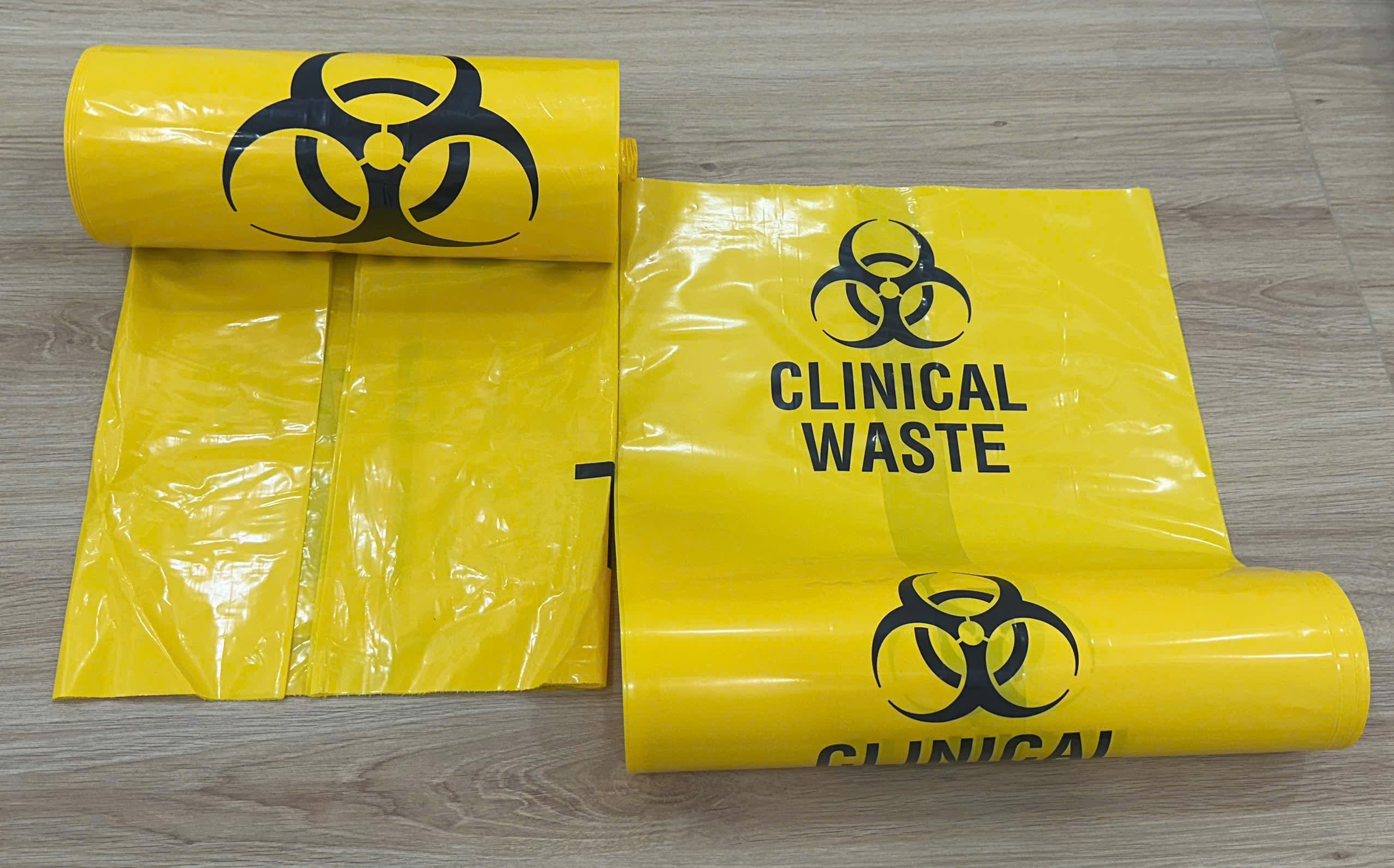
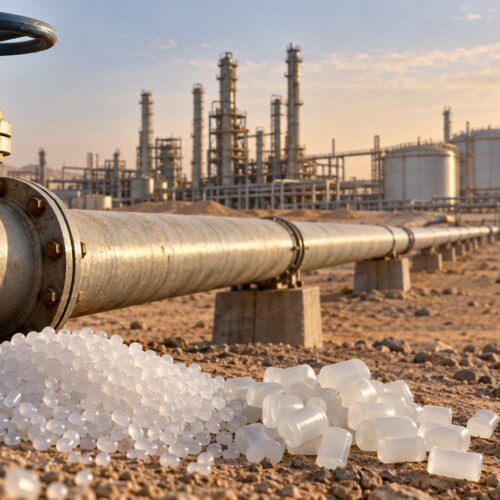
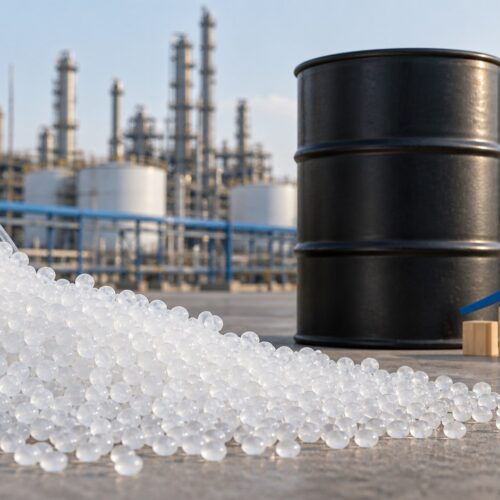
Recycling plastic bags is essential for reducing landfill waste and conserving resources. To recycle plastic bags properly, start by separating clean, dry bags from food residue, then locate a local collection point or use a dedicated recycling program. Many retailers and municipal facilities accept grocery bags, refuse sacks, and even specialty items like Hand Stretch Film or Die Cut Bag Plastic. Once collected, the bags are shredded, washed, and melted into new plastic products, such as food‑grade containers or construction materials. This article explains the process, outlines best practices for businesses like VNPLAST, and provides actionable checklists to ensure you get the most out of your recycling efforts.
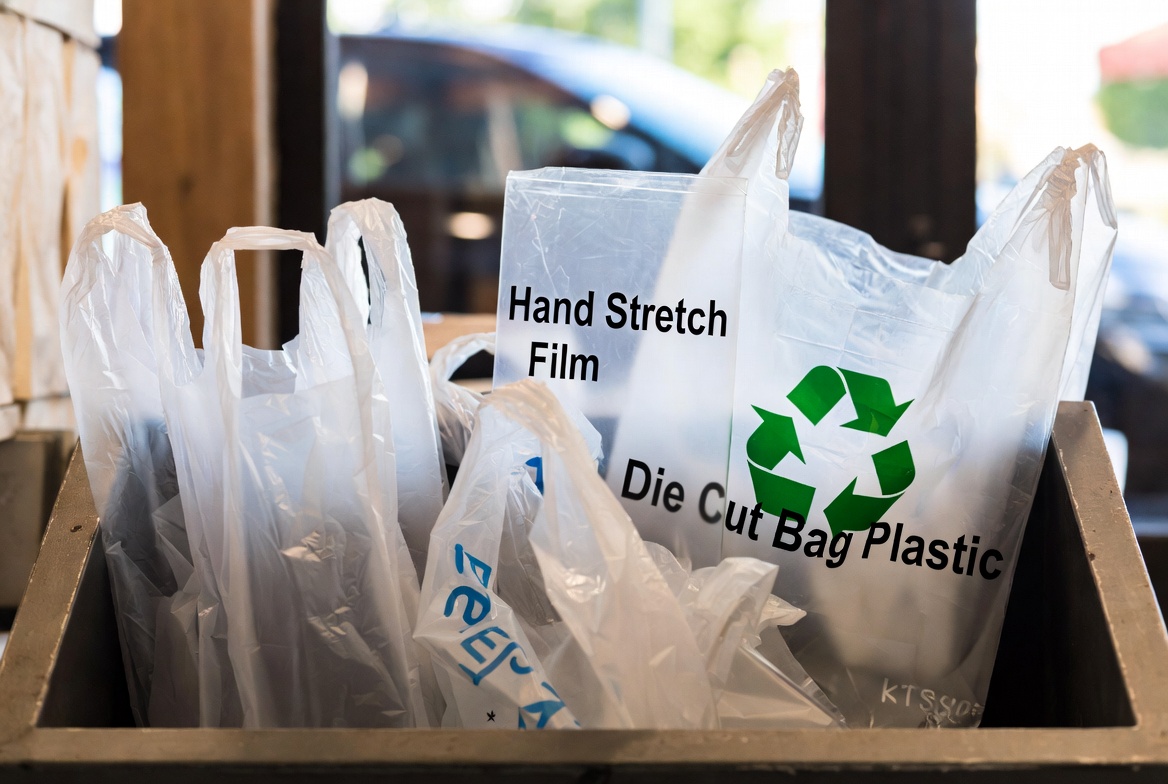
Why Recycling Plastic Bags Matters
Plastic bags make up a significant portion of single‑use plastic waste. When they end up in the environment they:
- Take up to 500 years to decompose.
- Release micro‑plastics that contaminate soil and waterways.
- Consume valuable petroleum resources during production.
By choosing to recycle plastic bags, you help close the loop, lower carbon emissions, and support a circular economy that benefits manufacturers like VNPLAST, who transform recycled material into new products such as Block Header Plastic Bags and Hazardous Plastic Garbage containers.
Step‑by‑Step Process to Recycle Plastic Bags
1. Collect and Sort
Gather all types of bags you intend to recycle:
- Standard grocery bags
- Refuse sack plastic bags
- Food plastic bags
- Specialty bags (Hand Stretch Film, Die Cut Bag Plastic)
Important: Remove any non‑plastic components (paper receipts, twine, metal clips) before sorting.
2. Clean the Bags
Rinse bags with water to eliminate food residue. For heavily soiled bags, a mild detergent solution works best. Allow them to dry completely to avoid contaminating the recycling stream.
3. Deliver to a Collection Point
Identify local drop‑off locations:
- Supermarket recycling bins (often labeled “Plastic Bags Only”)
- Municipal recycling centers that accept flexible plastics (type #4)
- Dedicated VNPLAST partner facilities that process Hand Stretch Film and Block Header Plastic Bags
4. Mechanical Recycling
Once at the facility, the bags undergo:
- Shredding: Bags are cut into small flakes.
- Washing: Flakes are washed to remove contaminants.
- Extrusion: Clean flakes are melted and formed into pellets.
- Re‑manufacturing: Pellets become new products, such as food‑grade containers or new plastic bags.
Best Practices for Businesses Using Plastic Bags
Companies like VNPLAST can integrate recycling into their operations to improve sustainability and reduce material costs.
Internal Recycling Loop
- Set up collection stations for employee‑generated bags.
- Partner with local recyclers that accept Hand Stretch Film and Die Cut Bag Plastic.
- Track volume recycled monthly to measure impact.
Product Design for Recyclability
When specifying a new bag, ask suppliers about:
- Material composition (prefer 100% HDPE or LDPE, type #4).
- Additives that hinder recycling (avoid excessive pigments).
- Design features that aid sorting (clear labeling, uniform size).
Checklist: Are Your Plastic Bags Ready for Recycling?
- ✅ Clean and dry (no food residue).
- ✅ Made of recyclable polymer (HDPE, LDPE, or type #4).
- ✅ Free of metal staples, twist ties, or attached labels.
- ✅ Sorted by type (grocery bags separate from specialty films).
- ✅ Delivered to an approved collection point.
Common Questions About Recycling Plastic Bags
Can I recycle a bag that has a printed logo?
Yes, most printed logos are acceptable as long as the ink is water‑based and the bag is otherwise clean.
What happens to contaminated bags?
Heavily soiled bags are often sent to waste‑to‑energy facilities. To avoid this, rinse thoroughly before recycling.
Do all recycling programs accept thin films like Hand Stretch Film?
Not all programs do. Check with your local recycler or VNPLAST’s partner network for specific acceptance criteria.
Real‑World Use Cases of Recycled Plastic Bags
VNPLAST has successfully transformed post‑consumer plastic bags into high‑strength Block Header Plastic Bags used in construction, and into Hazardous Plastic Garbage containers for industrial waste management. These products demonstrate the tangible benefits of a closed‑loop system.
Conclusion
Recycling plastic bags is a straightforward yet powerful way to cut waste, save resources, and support sustainable product cycles. By following the collection, cleaning, and delivery steps outlined above, both consumers and businesses can ensure that their bags are turned into valuable new materials. Implement internal recycling programs, choose recyclable designs, and partner with knowledgeable recyclers to maximize impact. Start today—every bag you recycle brings us one step closer to a circular economy.
FAQ
- What types of plastic bags can I recycle? Most single‑use bags made from HDPE or LDPE (type #4) are recyclable, including grocery bags, refuse sacks, and specialty films like Hand Stretch Film.
- How often should I empty my bag collection bin? Empty it weekly or when it reaches the half‑full mark to prevent odors and contamination.
- Can recycled plastic bags be used for food packaging? Yes, when the recycling process meets food‑grade standards, the resulting pellets can be used for food‑safe containers.
- Is there a cost to recycling plastic bags? Most drop‑off points are free for consumers; businesses may incur handling fees, but these are offset by reduced raw material costs.
- Where can I find a local recycling facility? Use your municipality’s waste‑management website or check VNPLAST’s partner directory for approved locations.
Table of Contents
recycle plastic bags: practical overview
Compare recycle plastic bags options using total application cost, not unit price alone.
recycle plastic bags specifications should always be confirmed before mass production.
Ask for a representative recycle plastic bags sample when testing a new application.
Document the approved recycle plastic bags requirements for repeat orders.

Sourcing and support
Explore VN Plastic packaging products, review independent information from an authoritative environmental resource, or contact VN Plastic for a tailored specification and quotation.