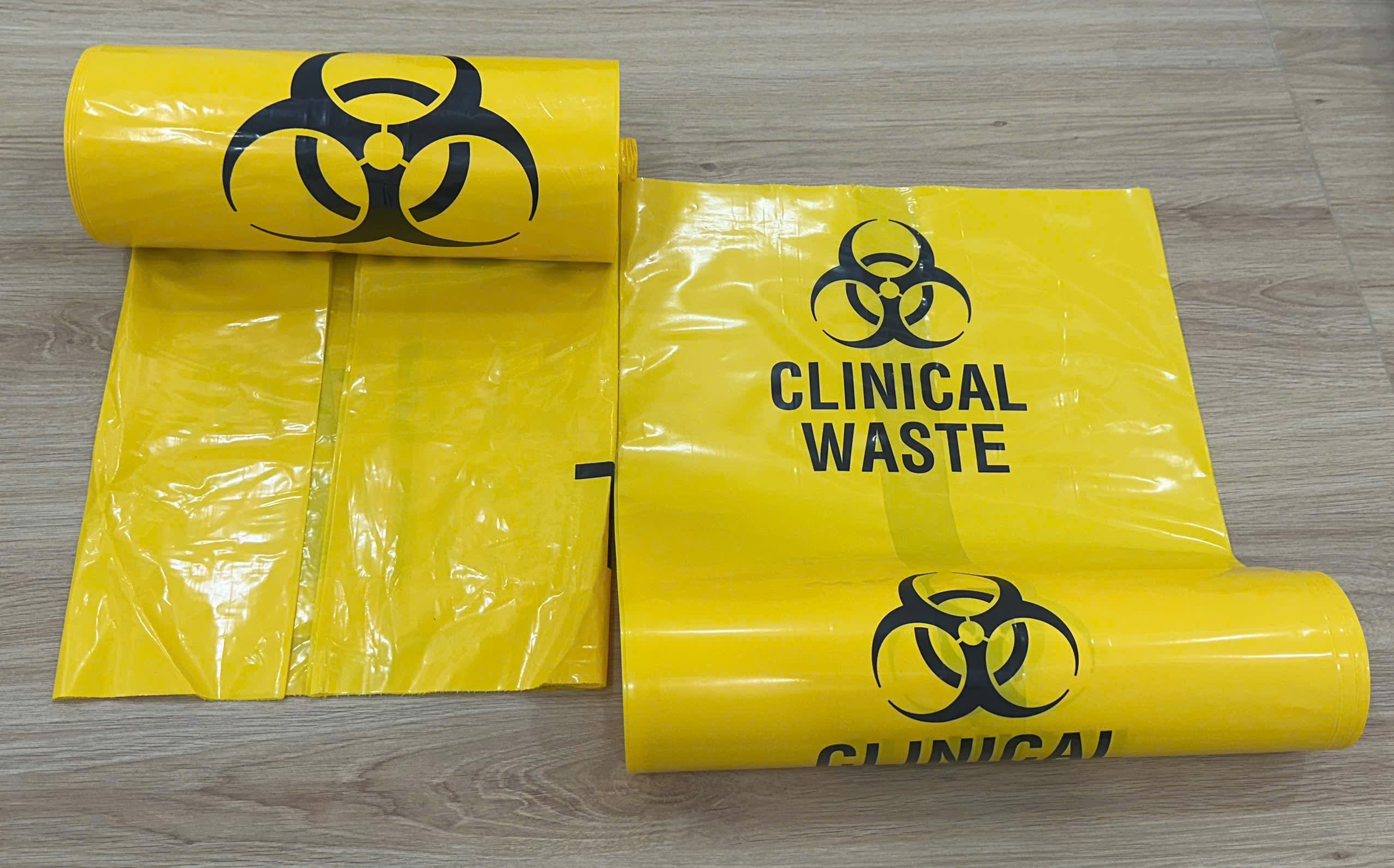
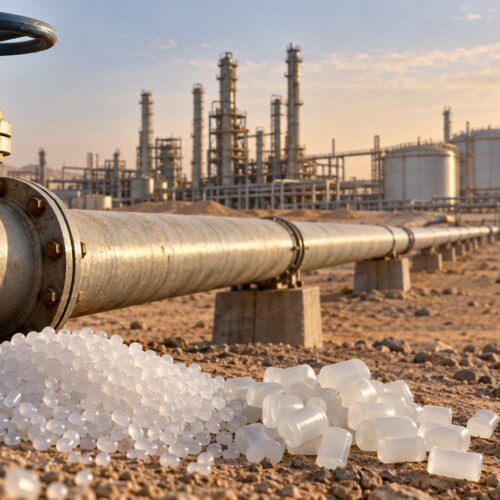
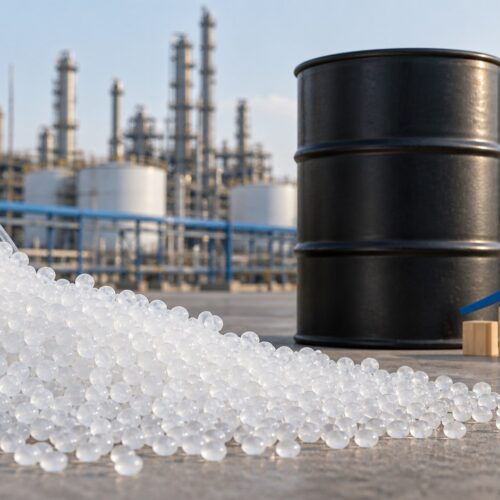
Businesses and municipalities increasingly ask, “How can we turn hazardous plastic waste into a resource?” The answer lies in hazardous plastic recycling, a specialized process that safely extracts value from contaminated plastic bags, chemical‑filled packaging, and other high‑risk materials. This guide explains the why, what, and how of hazardous plastic recycling, offering concrete decision factors, real‑world use cases, and actionable checklists to help you comply with regulations while maximizing returns.
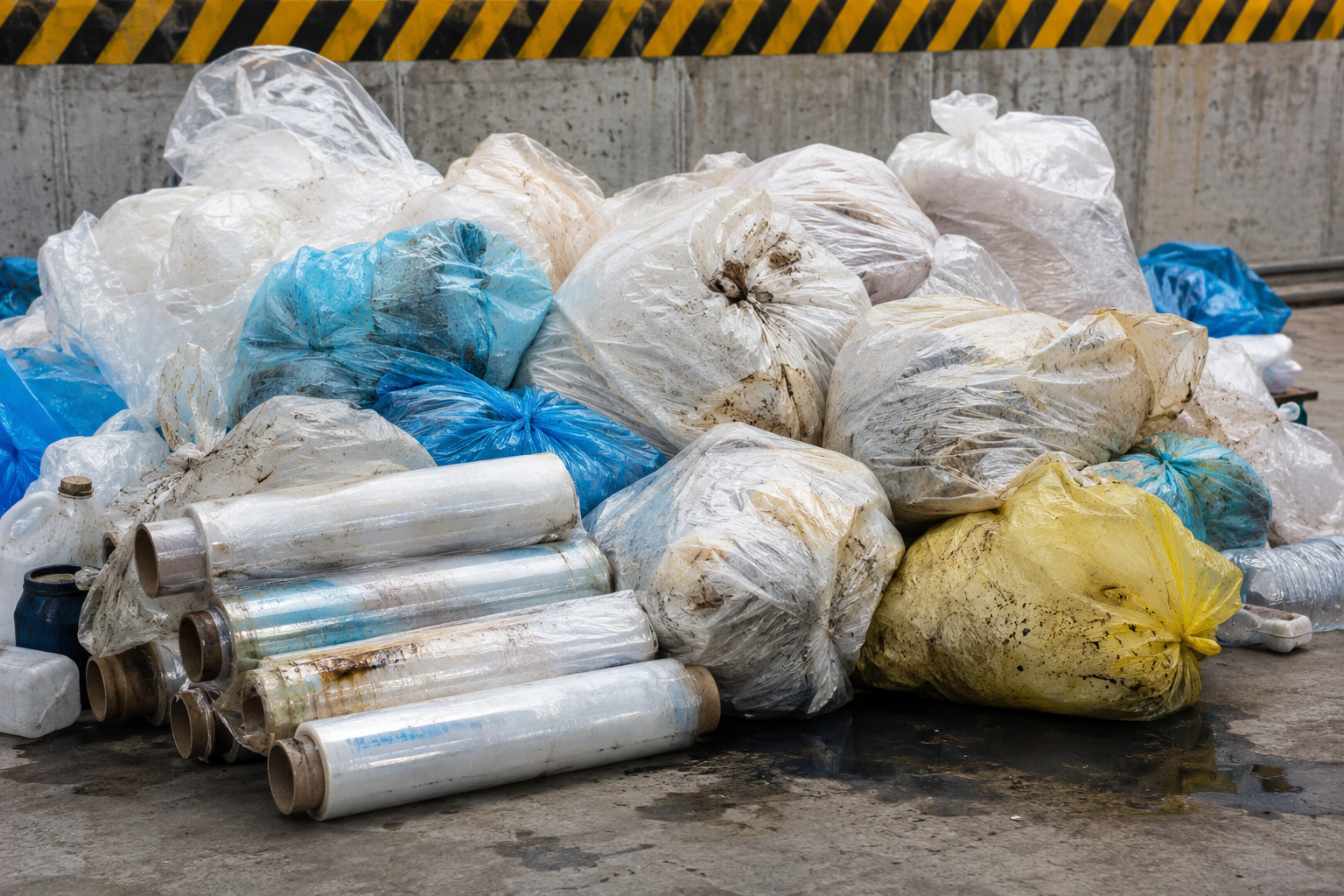
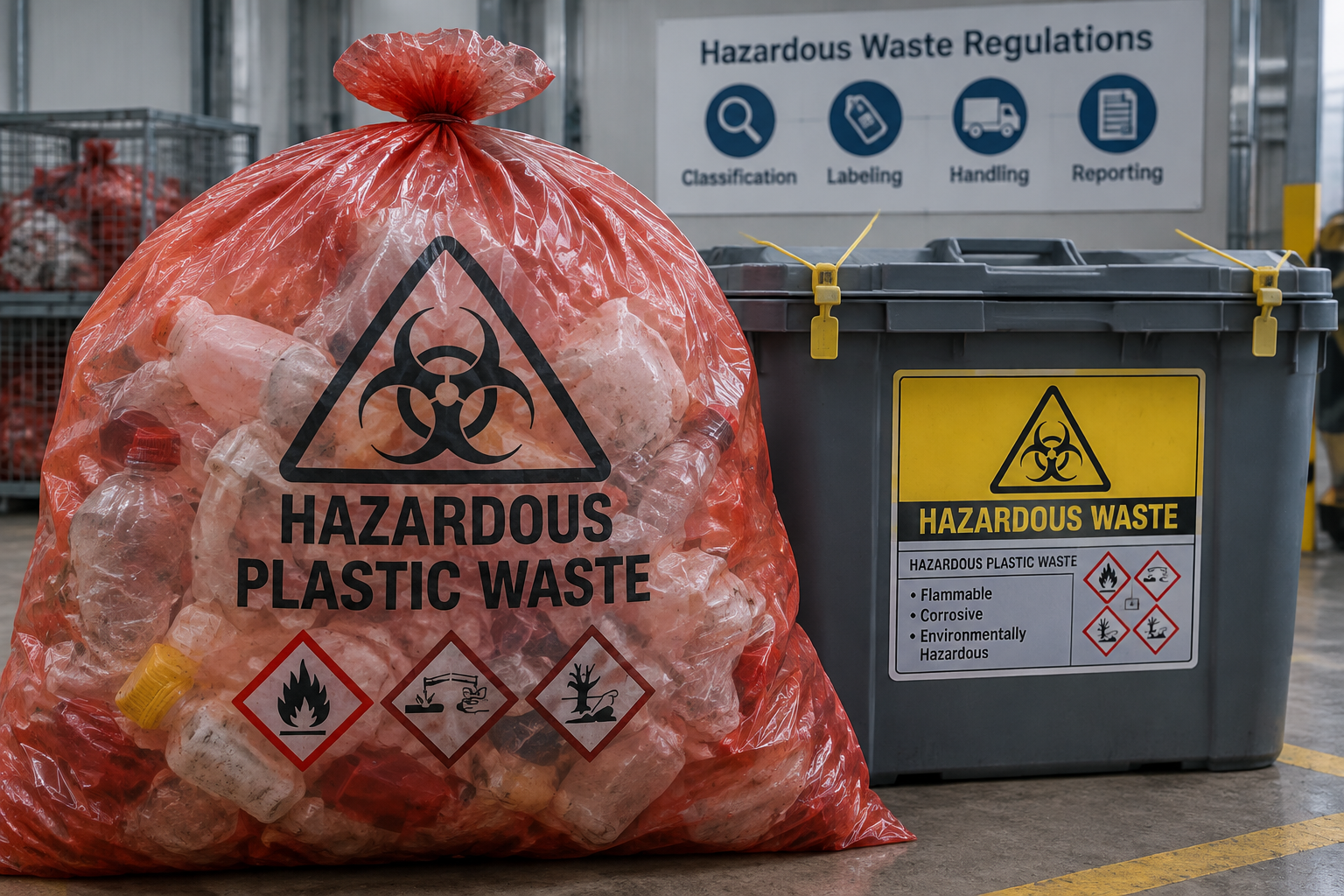
a pile of hazardous plastic waste such as contaminated plastic bags, chemical‑filled Hand Stretch Film, and refuse sack plastic bags ready …
Why Hazardous Plastic Recycling Matters
Traditional plastic recycling streams cannot accept materials that have been exposed to chemicals, medical waste, or other contaminants. Without proper handling, these plastics pose environmental and health risks. Recycling them responsibly:
- Reduces landfill volume and the associated leachate hazards.
- Recovers valuable polymers like polyethylene (PE) and polypropylene (PP) for reuse in products such as Hand Stretch Film or Die Cut Bag Plastic.
- Ensures regulatory compliance with Vietnamese and EU hazardous waste directives.
- Improves corporate sustainability scores, appealing to eco‑conscious customers.
Identifying Hazardous Plastics in Your Waste Stream
Common Hazardous Plastic Products
- Plastic bags used for chemical transport (e.g., Hazardous Plastic Garbage bags).
- Food‑grade bags that have been contaminated with oils or cleaning agents (Food Plastic Bag).
- Refuse sacks that contain industrial waste (refuse sack plastic bag).
- Handle wrap tool plastic bags used in manufacturing with residual lubricants.
- Block header plastic bags that have been exposed to solvents.
Key Indicators of Hazardous Content
- Visible staining or residues of chemicals, oil, or biological material.
- Odor indicating volatile organic compounds (VOCs) or solvents.
- Packaging labels that specify “hazardous waste” or “dangerous goods”.
- Documentation from suppliers indicating prior exposure to hazardous substances.
Regulatory Framework in Vietnam and International Standards
VNPLAST adheres to the following regulations when processing hazardous plastics:
- Vietnam Ministry of Natural Resources and Environment (MONRE) Decree 38/2015/ND‑CP – classification of hazardous waste.
- EU Directive 2008/98/EC – waste hierarchy and recycling targets.
- ISO 14001 – environmental management system requirements for recycling facilities.
Compliance requires proper documentation, waste tracking, and employee protective equipment (PPE). Failure to meet these standards can result in fines, shutdowns, or environmental contamination.
Step‑by‑Step Hazardous Plastic Recycling Process
1. Collection & Segregation
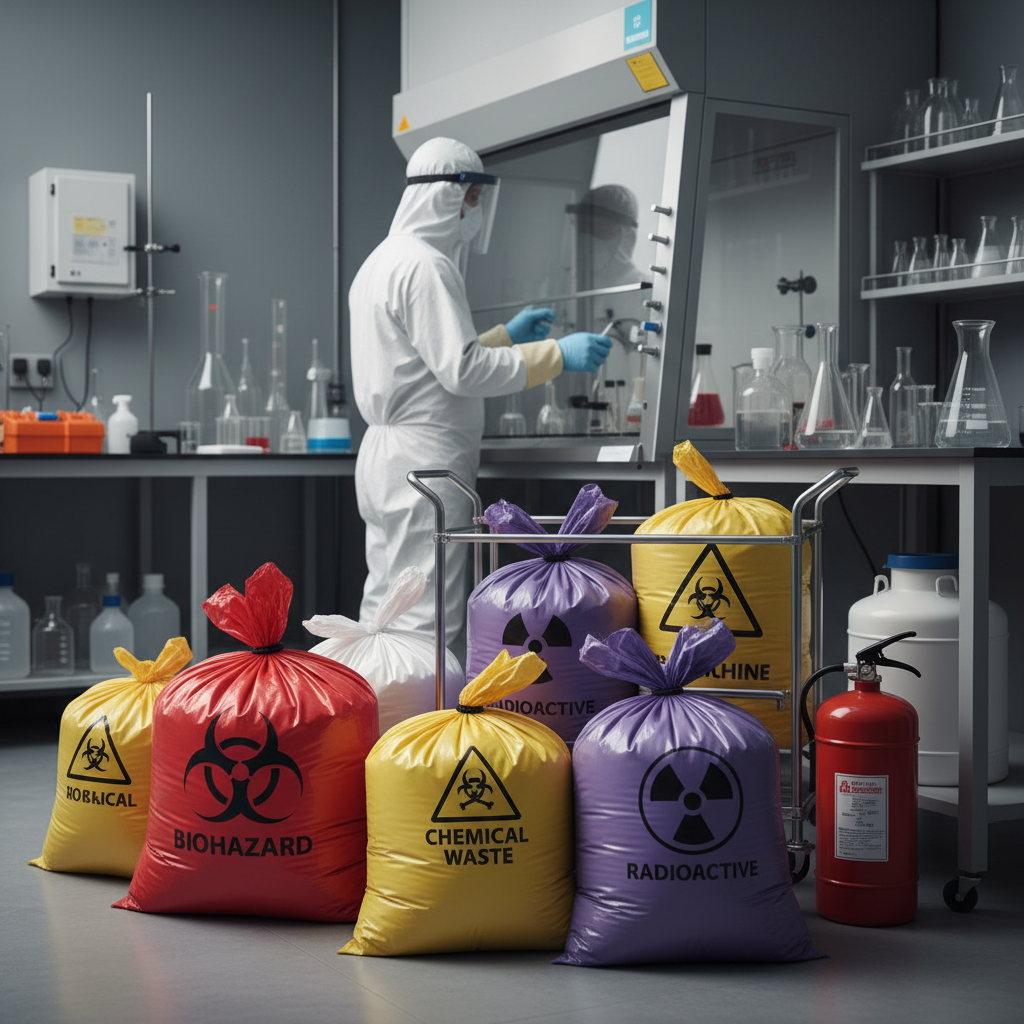
Separate hazardous plastics at the source. Use color‑coded bins (e.g., red for chemical‑contaminated bags) and label them clearly. This reduces cross‑contamination and simplifies downstream handling.
2. Pre‑Treatment (Cleaning & De‑contamination)
- Mechanical washing with high‑pressure water and biodegradable detergents.
- Solvent extraction for stubborn residues, followed by vapor recovery.
- Temperature control to avoid melting or releasing toxic fumes.
3. Shredding & Size Reduction
Shredders equipped with sealed chambers convert bags into uniform flakes, facilitating melt‑flow analysis and improving downstream sorting accuracy.
4. Sorting & Identification
Advanced optical sorters and near‑infrared (NIR) sensors differentiate polymer types (PE, PP, PET) even after contamination.
5. Re‑Processing (Extrusion & Pelletizing)
- Extruders equipped with inert gas (nitrogen) to prevent oxidation.
- Pelletizers produce standardized granules for resale to manufacturers of Hand Stretch Film or Die Cut Bag Plastic.
6. Quality Assurance & Certification
Each batch undergoes melt flow index (MFI) testing, contaminant screening, and compliance verification before it can be marketed as recycled material.
Safety & Operational Best Practices
- Personal Protective Equipment (PPE): chemical‑resistant gloves, goggles, and respirators for all staff handling contaminated plastics.
- Ventilation: Ensure negative pressure rooms for solvent extraction.
- Spill Containment: Use absorbent pads and secondary containment trays.
- Training: Conduct quarterly hazardous waste handling workshops.
- Documentation: Maintain waste tracking logs (e‑track) for each batch.
Real‑World Use Case: Turning Hazardous Plastic Garbage Bags into Recycled Hand Stretch Film
VNPLAST partnered with a chemical distribution company that generated 5 tonnes of contaminated Hazardous Plastic Garbage bags each month. By integrating a dedicated de‑contamination line, the company achieved:
- 90 % reduction in landfill disposal costs.
- Production of 4 tonnes of high‑clarity PE pellets suitable for Hand Stretch Film.
- Compliance with both Vietnamese and EU hazardous waste regulations.
The success hinged on strict segregation at the source, a solvent‑based cleaning stage, and real‑time NIR sorting to ensure polymer purity.
Decision Checklist: Is Hazardous Plastic Recycling Right for Your Business?
- Volume Assessment: Do you generate >1 tonne of hazardous plastic per month?
- Regulatory Requirement: Are you mandated to recycle or dispose of hazardous waste under local law?
- Cost‑Benefit Analysis: Does the market price for recycled PE/PP outweigh collection and processing expenses?
- Infrastructure Availability: Is there a certified recycling facility within 150 km?
- Brand Impact: Will recycling enhance your sustainability credentials with customers?
Pros and Cons of Hazardous Plastic Recycling
- Pros:
- Environmental protection and reduced landfill use.
- Potential revenue from high‑value recycled polymers.
- Improved compliance and reduced legal risk.
- Cons:
- Higher upfront costs for segregation and de‑contamination.
- Complex regulatory paperwork.
- Need for specialized equipment and trained staff.
Frequently Asked Questions
What types of plastics are considered hazardous?
Plastics that have contacted chemicals, solvents, medical waste, or bio‑hazardous substances. Typical examples include contaminated plastic bags, chemical‑lined refuse sacks, and used food‑grade bags with oil residues.
Can all hazardous plastic be recycled?
Most PE and PP based hazardous plastics can be recycled after thorough cleaning. PVC, PET with strong chemical stains, or heavily cross‑linked polymers often require specialized treatment or may be unsuitable for recycling.
How do I ensure compliance with Vietnamese hazardous waste laws?
Maintain a documented waste flow (e‑track), use approved collection containers, and partner with a certified recycling facility that provides a waste‑transfer certificate for each batch.
What is the typical yield after recycling hazardous plastic bags?
Yield varies by contamination level but generally ranges from 70 % to 85 % usable polymer granules after cleaning and extrusion.
Is hazardous plastic recycling economically viable?
When you factor in reduced disposal fees, potential sales of recycled pellets, and brand value gains, many mid‑size generators find a positive ROI within 12‑18 months.
Conclusion
Hazardous plastic recycling transforms a liability into a resource, delivering environmental, regulatory, and financial benefits. By following strict segregation, employing proven de‑contamination technologies, and partnering with experienced recyclers like VNPLAST, businesses can safely process hazardous plastic bags, Hand Stretch Film, and related products while staying compliant and boosting their sustainability profile.
Table of Contents
hazardous plastic recycling: practical overview
hazardous plastic recycling specifications should always be confirmed before mass production.
Sourcing and support
Explore VN Plastic packaging products, review independent information from an authoritative environmental resource, or contact VN Plastic for a tailored specification and quotation.