When manufacturers and logistics providers search for a reliable plastic bag wrap machine, they need a solution that balances speed, durability, and cost. This article explains how these machines operate, outlines the most important decision factors, and offers a practical checklist to help you select the model that fits your production line. Whether you pack Hand Stretch Film, Die Cut Bag Plastic, or hazardous garbage bags, the right wrap machine can reduce labor, improve seal integrity, and increase overall throughput.
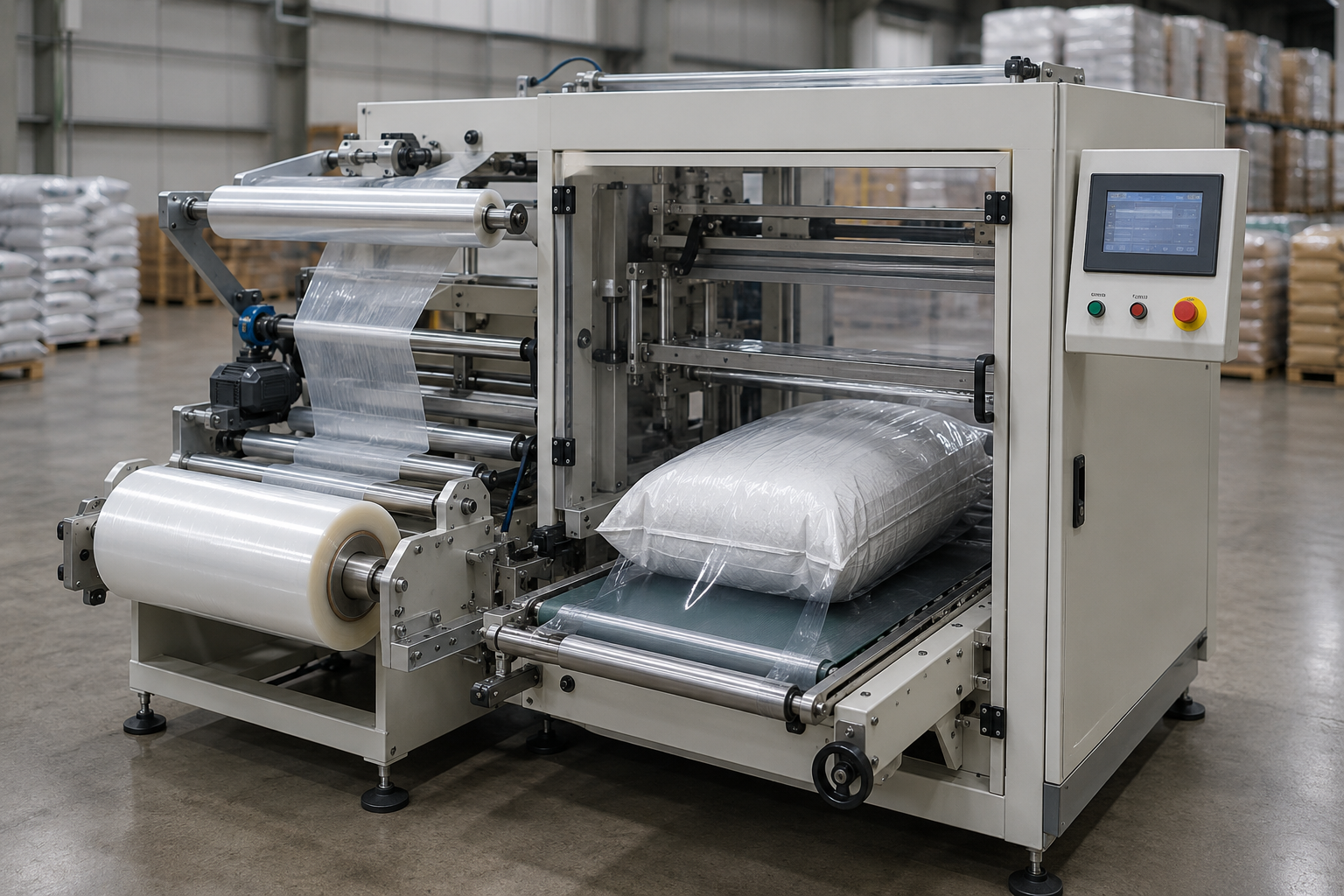
A high‑resolution photo of an industrial plastic bag wrap machine with its feed rollers, tensioning system, and digital control panel posit…
How a Plastic Bag Wrap Machine Works
A plastic bag wrap machine automates the process of applying a protective film around a bag, then sealing it to create a tamper‑proof package. The core cycle includes:
- Bag Feeding: Gravity or conveyor‑driven rollers pull the bag into the machine.
- Film Dispensing: A roll of stretch film unwinds and is wrapped around the bag in a controlled spiral.
- Tension Control: Sensors maintain consistent film tension to avoid wrinkles or loose wraps.
- Heat‑Seal or Ultrasonic Seal: The machine seals the film edge, securing the package.
- Cut & Release: The finished bundle is cut from the film and ejected onto a conveyor.
Key Components to Inspect
When evaluating a machine, focus on these components:
- Drive System: Gear‑driven vs. servo‑motor drives affect speed precision.
- Film Roll Capacity: Larger cores reduce change‑over time for high‑volume lines.
- Control Interface: Touchscreen panels with programmable cycles improve flexibility.
- Safety Features: Light curtains, emergency stops, and overload sensors protect operators.
- Footprint: Compact designs fit tighter floor plans, while larger frames accommodate higher throughput.
Decision Factors for Selecting a Plastic Bag Wrap Machine
Not all machines are created equal. Below are the most influential criteria, presented in order of impact on total cost of ownership.
1. Production Volume & Speed
Calculate the average number of bags per hour (BPH) you need to process. Entry‑level models handle 500–1,000 BPH, while high‑speed units exceed 5,000 BPH. Choose a machine that meets peak demand with a 20% margin to accommodate future growth.
2. Bag Types & Sizes
Identify the range of bags you will wrap:
- Hand Stretch Film bags – thin, flexible, require gentle tension.
- Die Cut Bag Plastic – precise dimensions, need accurate feed alignment.
- Refuse sack plastic bag & Garbage PLASTIC BAG – heavier, demand stronger drive motors.
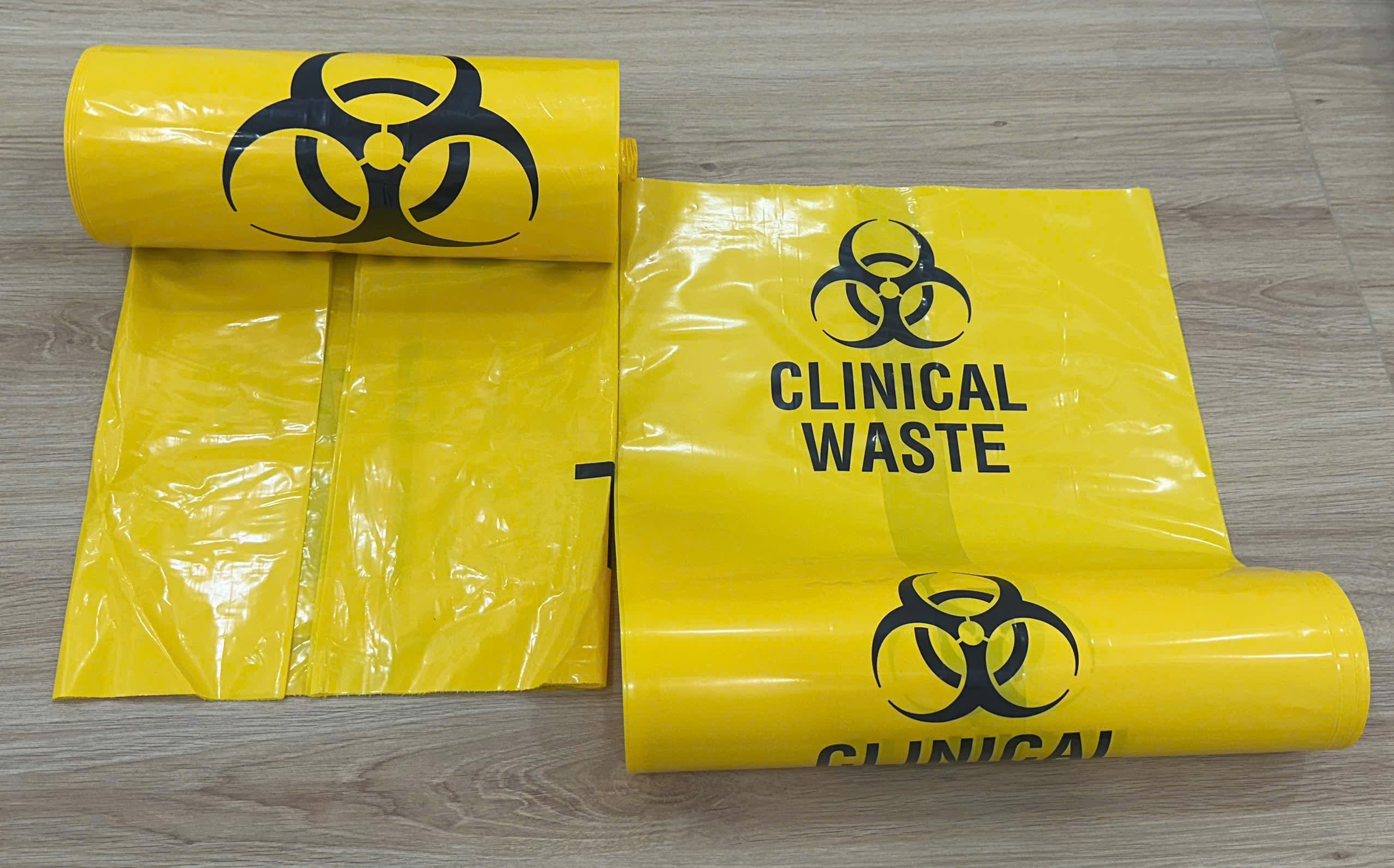
- Hazardous Plastic Garbage – require sealed edges and possibly anti‑static film.
A machine with adjustable width guides and interchangeable rollers can handle multiple bag families without costly re‑tooling.
3. Film Compatibility
Some lines use standard stretch film, while others need specialized films such as anti‑static, UV‑resistant, or biodegradable variants. Verify that the tensioning system can accommodate the film’s thickness (typically 12–30 µm) without slippage.
4. Energy Consumption
Modern servo‑driven machines consume 30–40% less power than older gear‑driven units. Lower electricity bills and reduced heat generation translate into longer component life.
5. Maintenance & Serviceability
Look for machines with modular roller assemblies, quick‑release film clamps, and diagnostic LEDs. A supplier that offers on‑site training and a stocked parts inventory reduces downtime.
Buying Checklist for a Plastic Bag Wrap Machine
- ✅ Confirm required BPH and select a machine with at least 20% excess capacity.
- ✅ Verify adjustable width guides for the smallest and largest bag dimensions you’ll use.
- ✅ Ensure the tension control system supports the full range of film thicknesses in your product line.
- ✅ Check for a touchscreen interface with programmable cycles for Hand Stretch Film, Food Plastic Bag, and Hazardous Plastic Garbage applications.
- ✅ Review safety certifications (e.g., CE, ISO 13849) and built‑in emergency stop locations.
- ✅ Compare energy ratings; prefer servo‑motor drives for lower consumption.
- ✅ Ask for a maintenance schedule and confirm warranty length (minimum 12 months recommended).
- ✅ Request a demo or video of the machine handling a bag type similar to yours.
Pros and Cons of Common Machine Types
- Gear‑Driven Machines
- Pros: Lower upfront cost, robust for heavy bags.
- Cons: Higher noise, less precise speed control, greater energy use.
- Servo‑Motor Machines
- Pros: Precise speed regulation, quieter operation, energy efficient.
- Cons: Higher purchase price, may require specialized technician for repairs.
- Hybrid (Gear + Servo) Machines
- Pros: Balanced cost and performance, adaptable to mixed bag loads.
- Cons: Complexity can increase troubleshooting time.
Real‑World Use Cases
Manufacturers across Southeast Asia have integrated plastic bag wrap machines to streamline packaging of diverse products. Below are three illustrative scenarios.
Food Industry – Sealing Food Plastic Bags
A snack producer uses a servo‑driven wrap machine to bundle 1‑kg food plastic bags with a biodegradable stretch film. The machine’s quick‑change film roll system reduces change‑over time from 15 minutes to under 3 minutes, boosting line efficiency by 12%.
Waste Management – Hazardous Plastic Garbage Bags
A municipal waste service deploys a heavy‑duty gear‑driven model to wrap large refuse sack plastic bags. The machine’s reinforced rollers handle the extra weight, while the heat‑seal function ensures a tamper‑proof seal for hazardous material transport.
Recycling Plants – Recycle Plastic Bag Bundling
A recycling facility wraps bundles of thin recycle plastic bags before baling. The machine’s adjustable tension prevents film breakage, and its low‑energy servo drive aligns with the plant’s sustainability goals.
Implementation Tips for a Smooth Integration
- Floor Layout Planning: Allocate at least 1.5 m clearance around the machine for maintenance access.
- Electrical Requirements: Verify a dedicated 3‑phase supply (380‑415 V) with a circuit breaker sized for the machine’s peak draw.
- Training: Conduct a 2‑day operator training session covering start‑up, emergency stops, and routine lubrication.
- Quality Control: Install a vision sensor after sealing to detect film gaps or mis‑alignments.
- Spare Parts Stock: Keep at minimum one set of rollers, a tension sensor, and a control panel fuse on hand.
Conclusion
Investing in the right plastic bag wrap machine can transform your packaging operation, delivering faster cycle times, consistent seal quality, and lower labor costs. By evaluating production volume, bag variety, film compatibility, and energy efficiency, you can select a model that aligns with both current needs and future growth. Use the checklist and pros/cons guide above to compare options from VNPLAST and ensure a seamless integration that maximizes return on investment.
FAQ
- What is the typical lifespan of a plastic bag wrap machine? With regular maintenance, most machines operate reliably for 8–10 years. Critical wear parts such as rollers and tension sensors usually require replacement every 12–18 months.
- Can the machine handle both thin stretch film and thicker protective film? Yes, models with adjustable tension controllers can accommodate film thicknesses from 12 µm up to 30 µm, covering most Hand Stretch Film and anti‑static applications.
- Is it possible to switch between different bag sizes without extensive downtime? Machines equipped with quick‑change width guides allow size adjustments in under 5 minutes, minimizing production loss.
- Do I need a separate film roll changer for continuous operation? Many high‑speed units feature an automatic roll changer that detects low film levels and swaps rolls automatically, ensuring uninterrupted runs.
- How does a servo‑motor drive improve energy efficiency? Servo drives adjust motor speed in real time based on load, reducing power consumption by up to 40% compared to constant‑speed gear drives.
Table of Contents
plastic bag wrap machine: practical overview
Ask for a representative plastic bag wrap machine sample when testing a new application.
Sourcing and support
Explore VN Plastic packaging products, review independent information from an authoritative environmental resource, or contact VN Plastic for a tailored specification and quotation.