When you need plastic garbage bags bulk for commercial, industrial, or municipal applications, the decision goes beyond price alone. This guide explains the key factors—material grade, size, load capacity, and environmental compliance—that determine the best bulk purchase for your operation. By the end of the first few paragraphs you’ll know exactly what to look for, how to compare suppliers, and which VNPLAST product lines match common use cases.
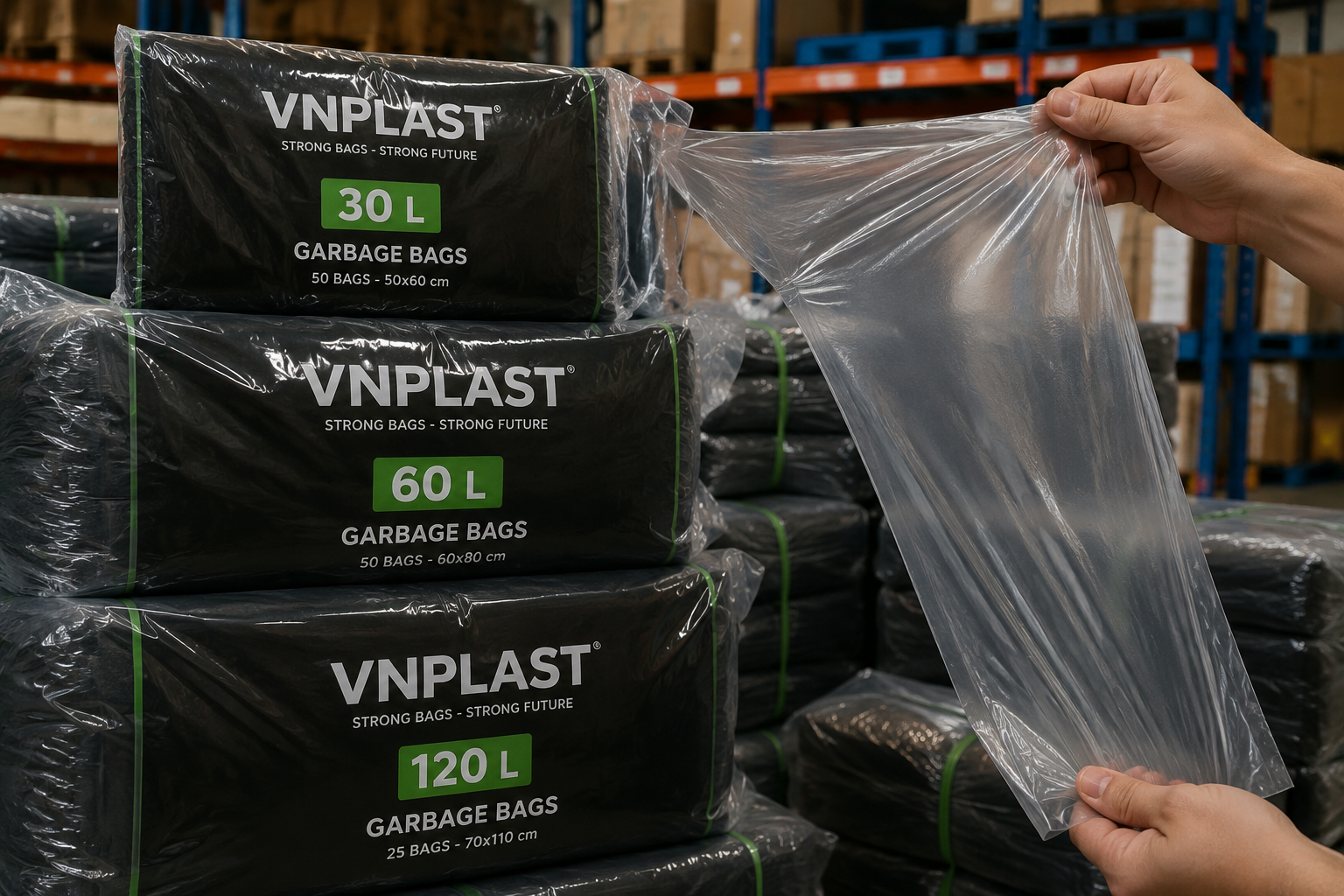
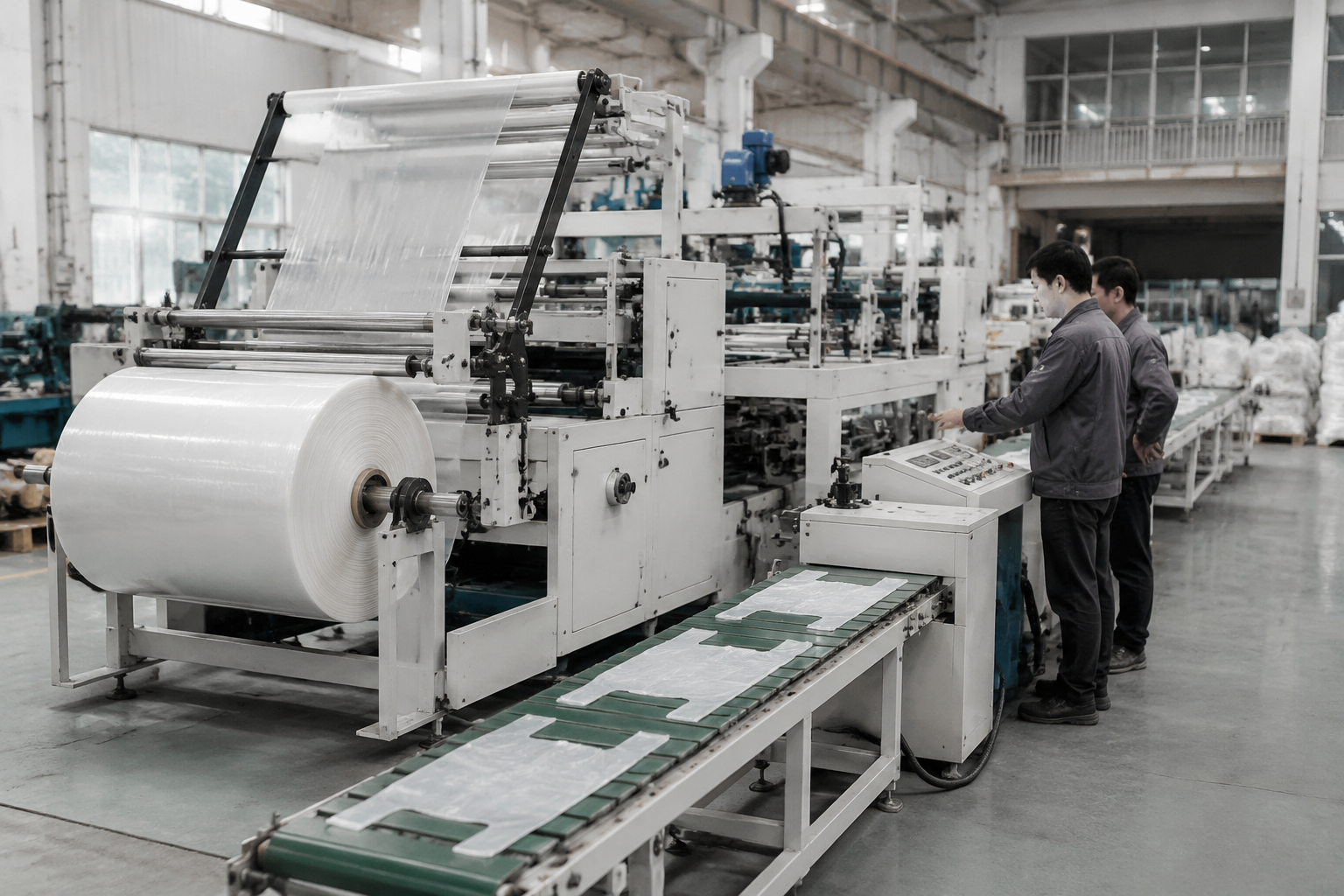
A stack of large industrial‑strength plastic garbage bags in a warehouse, showing the printed VNPLAST brand logo, various bag sizes (30 L, …
What Makes Bulk Plastic Garbage Bags Different from Retail Packs?
Buying in bulk changes the economics and performance expectations. Below are the primary distinctions:
- Unit Cost Savings: Larger orders reduce per‑bag price by 15‑30% compared to retail packs.
- Consistent Quality: Bulk contracts often guarantee the same polymer grade, thickness, and seam strength across the entire shipment.
- Custom Sizing: Suppliers like VNPLAST can cut bags to exact dimensions (e.g., 80 × 120 cm) to fit specialized containers.
- Regulatory Compliance: Bulk shipments can include certifications for food‑grade, hazardous waste, or recyclable content.
Key Material Attributes to Evaluate
Polyethylene Types
Most bulk garbage bags are made from either low‑density polyethylene (LDPE) or high‑density polyethylene (HDPE). The choice influences flexibility, puncture resistance, and cost.
- LDPE: Soft, stretchable, ideal for light‑to‑medium loads and residential use.
- HDPE: Rigid, higher tensile strength, suited for heavy waste, construction debris, or hazardous material containment.
Thickness and Load Capacity
Thickness is measured in mils (1 mil = 0.001 in). Typical bulk ranges:
- 0.8 mm (30 mil) – Light waste, short‑term storage.
- 1.2 mm (45 mil) – Standard commercial use, kitchen or office waste.
- 1.6 mm (60 mil) – Heavy‑duty, industrial refuse, construction sites.
Load capacity is often expressed as “kilograms per bag.” A 1.6 mm HDPE bag can hold 30 kg without tearing, whereas a 0.8 mm LDPE bag is limited to 10 kg.
Size Selection Guide
Choosing the right dimensions prevents over‑filling and reduces bag failure. Below is a quick reference matrix:
- 30 L (30 × 45 cm): Small office bins, restroom trash cans.
- 60 L (45 × 60 cm): Standard kitchen or hallway waste containers.
- 120 L (60 × 90 cm): Large commercial dumpsters, industrial waste stations.
- Custom (e.g., 80 × 120 cm): Tailored for specialty containers or outdoor refuse sacks.
Environmental and Regulatory Considerations
Many jurisdictions require recyclable or biodegradable bags for municipal waste. VNPLAST offers:
- Recycle Plastic Bag: Made from post‑consumer polyethylene, meets EU recycling directives.
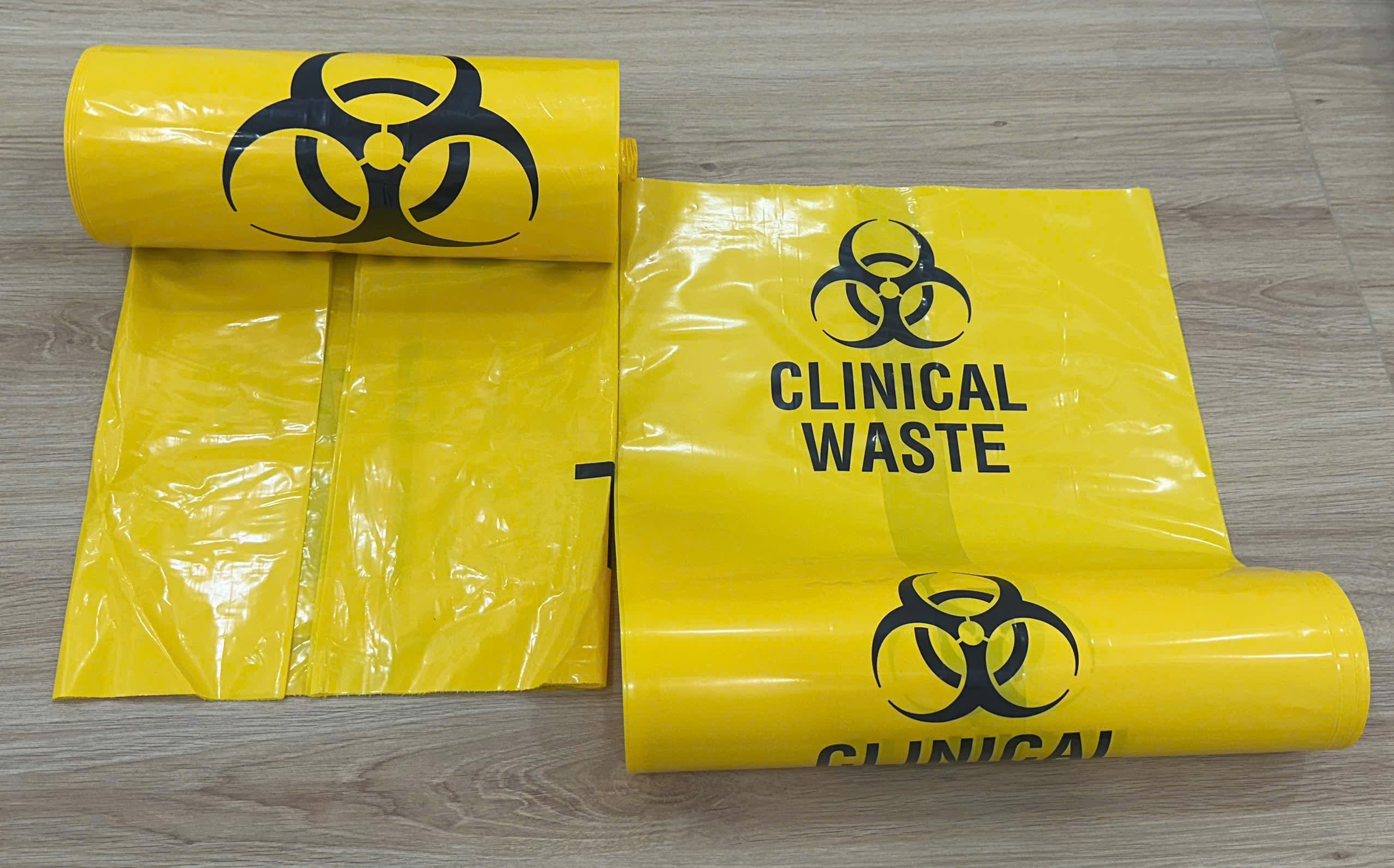
- Hazardous Plastic Garbage: Certified for chemical resistance and labeled for hazardous waste transport.
- Food Plastic Bag: Food‑grade HDPE with FDA compliance for kitchen waste.
Real‑World Use Cases
Manufacturing Facility
A mid‑size metal‑fabrication plant switched from 0.8 mm LDPE bags to 1.6 mm HDPE bulk bags (120 L). The change cut bag tears by 85% and saved $0.12 per bag after a 20% volume discount.
Municipal Waste Collection
City councils often purchase “refuse sack plastic bag” in 60 L sizes, color‑coded for recycling streams. Bulk orders of 10,000 sacks ensure uniformity across neighborhoods and simplify sorting.
Food Service Operations
Restaurants use “Food Plastic Bag” for kitchen waste and “Hand Stretch Film” to seal large waste containers. Buying both products in bulk from the same supplier reduces handling time and logistics costs.
Bulk Purchase Checklist
- Determine the average waste volume per container (liters or kilograms).
- Match bag thickness to load capacity (use the thickness‑capacity table above).
- Verify material compliance (LDPE vs. HDPE, food‑grade, hazardous‑grade).
- Confirm size dimensions align with existing bins or sacks.
- Ask for certifications: ISO 9001, FDA, REACH, or local recycling standards.
- Negotiate volume discounts and delivery schedules.
- Request sample bags before finalizing a bulk contract.
Pros and Cons of Bulk Purchasing
- Pros:
- Lower unit cost.
- Reduced packaging waste.
- Consistent quality and supply.
- Potential for custom branding.
- Cons:
- Higher upfront inventory cost.
- Storage space requirements.
- Risk of over‑stock if waste volume fluctuates.
Decision Matrix: Choosing the Right Bulk Bag for Your Needs
| Criteria | Low‑Volume/Residential | Medium‑Volume/Commercial | High‑Volume/Industrial |
|---|---|---|---|
| Material | LDPE 0.8 mm | LDPE 1.2 mm or HDPE 0.8 mm | HDPE 1.2‑1.6 mm |
| Size | 30‑60 L | 60‑120 L | 120 L+ (custom) |
| Compliance | Standard | Food‑grade optional | Hazardous & recyclable |
| Price per bag (USD) | $0.12 | $0.10 | $0.09 |
How to Integrate Bulk Bags with Existing Waste Management Systems
Successful integration hinges on three steps:
- Audit Current Bins: Measure internal dimensions and load patterns.
- Match Bag Specs: Use the size and thickness guidelines to select the optimal bulk bag.
- Train Staff: Provide quick‑reference cards showing maximum fill lines and proper sealing techniques (e.g., using the Handle Wrap Tool Plastic Bag for secure closure).
Frequently Asked Questions
What is the minimum order quantity for bulk plastic garbage bags?
VNPLAST typically requires a minimum of 5,000 bags per SKU, but custom orders can be negotiated for larger projects.
Are bulk bags recyclable?
Yes, if they are made from recyclable HDPE or LDPE. Look for the recycling code “2” (HDPE) or “4” (LDPE) on the bag label.
Can I get bags with my company logo?
Custom printing is available for orders over 10,000 units. This adds branding value and helps with waste segregation.
How do I store bulk bags to maintain their integrity?
Keep bags in a dry, shaded area away from direct sunlight and sharp objects. Stack pallets no higher than 2 meters to avoid crushing.
Do bulk bags meet hazardous waste regulations?
For hazardous waste, choose bags labeled “Hazardous Plastic Garbage” that meet local and international transport regulations (e.g., UN 3373 for infectious substances).
Conclusion
Purchasing plastic garbage bags bulk is a strategic decision that impacts cost, safety, and environmental compliance. By evaluating material type, thickness, size, and certification, you can select a solution that aligns with your operational needs and sustainability goals. VNPLAST’s extensive product range—from standard refuse sack plastic bag to specialized hazardous plastic garbage bag—provides the flexibility to meet any volume or regulatory requirement. Use the checklist and decision matrix above to streamline your procurement process and achieve reliable, cost‑effective waste containment.
Table of Contents
bulk plastic garbage bags: practical overview
Document the approved bulk plastic garbage bags requirements for repeat orders.
Compare bulk plastic garbage bags options using total application cost, not unit price alone.
bulk plastic garbage bags specifications should always be confirmed before mass production.
Ask for a representative bulk plastic garbage bags sample when testing a new application.
Document the approved bulk plastic garbage bags requirements for repeat orders.
Compare bulk plastic garbage bags options using total application cost, not unit price alone.

Sourcing and support
Explore VN Plastic packaging products, review independent information from an authoritative environmental resource, or contact VN Plastic for a tailored specification and quotation.