When you search for a trash bag for recycling, you need more than a generic plastic sack. The ideal bag must match the material you’re collecting, fit your bin size, comply with local recycling rules, and support sustainability goals. This guide explains how to select, use, and evaluate recycling bags so you can reduce contamination, lower costs, and keep your waste stream efficient.
Why a Dedicated Recycling Bag Matters
Standard garbage bags are designed for landfill waste and often lack the durability, transparency, and labeling required for recycling streams. Using a dedicated trash bag for recycling provides:
- Visibility: Clear or lightly tinted bags let workers quickly identify contents, reducing contamination.
- Strength: Reinforced seams handle heavier items like glass jars or aluminum cans without tearing.
- Compliance: Many municipalities require specific bag colors or markings for recyclable materials.
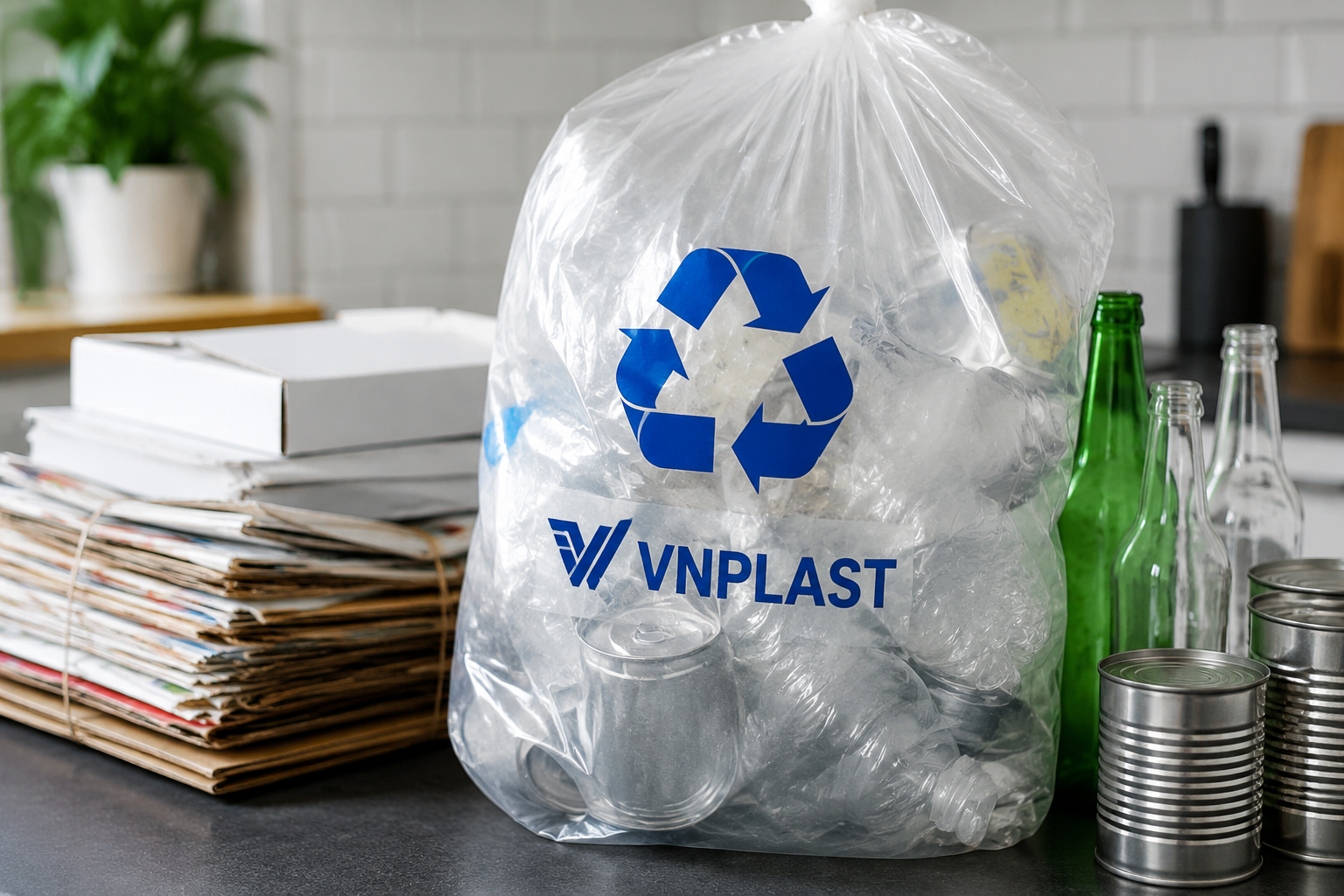
- Environmental Impact: Recycled‑content bags (e.g., VNPLAST Recycle Plastic bag) lower the carbon footprint compared to virgin‑plastic sacks.
Material Options for Recycling Bags
Choosing the right polymer influences durability, cost, and recyclability. Below are the most common options:
High‑Density Polyethylene (HDPE)
- Strong, puncture‑resistant – ideal for heavy glass or metal.
- Typically blue or clear, meeting many local program specs.
- Recyclable in most curbside programs.
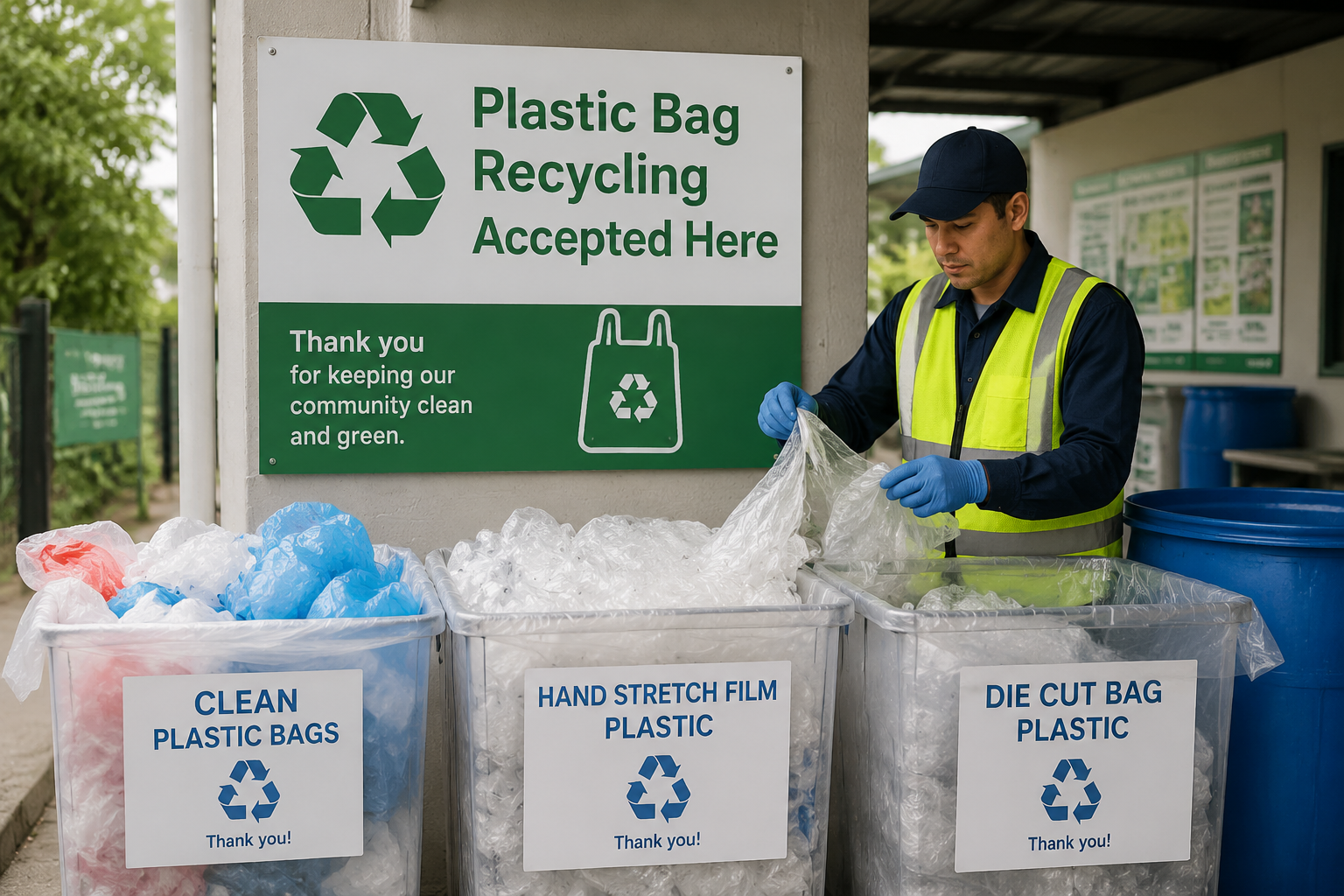
Low‑Density Polyethylene (LDPE) – Hand Stretch Film
- Flexible and stretchable, perfect for irregularly shaped recyclables.
- Often used in industrial settings for bulk waste.
- Can be blended with recycled content for added sustainability.
Polypropylene (PP) – Die Cut Bag Plastic
- Rigid, with a higher melt point – useful for hot waste like used cooking oil containers.
- Resists tearing under sharp edges.
- Less common for residential recycling but popular in commercial kitchens.
Size and Capacity: Matching the Bin
Improperly sized bags cause spillage, increase labor, and raise contamination risk. Follow this decision matrix to pick the right capacity:
| Bin Volume (gal) | Recommended Bag Size (mil) | Typical Use |
|---|---|---|
| 13‑15 | 1.5‑2 mil, 30‑35 L | Home office, small kitchen |
| 30‑35 | 2‑3 mil, 70‑80 L | Apartment building, medium office |
| 55‑70 | 3‑4 mil, 120‑150 L | Industrial floor, school cafeteria |
For high‑volume locations, consider VNPLAST’s Block Header Plastic Bag with reinforced handles to prevent tearing during transport.
Compliance with Local Recycling Programs
Every municipality sets its own bag‑type rules. Before buying, verify:
- Required color (often blue for paper, green for glass, clear for mixed).
- Labeling standards – some areas demand “Recyclable” printed on the side.
- Maximum thickness – too thick can impede collection equipment.
VNPLAST offers a range of pre‑labeled bags that meet the most common city guidelines, reducing the need for custom printing.
Cost vs. Sustainability: A Practical Comparison
Below is a concise pros/cons list that helps budget‑conscious buyers evaluate total cost of ownership (TCO):
- Standard Garbage Bag
- Pros: Cheapest per unit.
- Cons: High contamination, may incur fines, not recyclable.
- Recycled‑Content Recycling Bag (e.g., VNPLAST Recycle Plastic bag)
- Pros: Lower carbon footprint, often eligible for government rebates.
- Cons: Slightly higher price per bag.
- Heavy‑Duty HDPE Bag with Handles
- Pros: Fewer bag changes, reduces labor.
- Cons: Higher upfront cost.
How to Use and Store Recycling Bags Effectively
Proper handling extends bag life and minimizes spills:
- Pre‑fit the bag: Open the bag fully and align the top with the bin rim to avoid gaps.
- Secure the handles: If using a Handle Wrap Tool Plastic Bag, loop the handles around the bin’s lip.
- Don’t overload: Follow the manufacturer’s weight limit—usually printed on the bag.
- Store in a cool, dry place: UV exposure degrades plastic; keep rolls on a shelf away from direct sunlight.
Checklist: Selecting the Perfect Trash Bag for Recycling
Use this quick reference before placing an order:
- ✅ Identify the primary material you’ll collect (paper, glass, metal, mixed).
- ✅ Confirm local program color and labeling requirements.
- ✅ Match bag thickness to expected weight.
- ✅ Choose a size that fits your bin without excess slack.
- ✅ Verify that the bag is made from recycled content if sustainability is a priority.
- ✅ Check for reinforced handles if frequent lifting is needed.
Real‑World Use Cases
Businesses that switched to VNPLAST’s dedicated recycling bags reported a 20 % reduction in contamination rates and a 15 % decrease in bag‑related labor costs within three months.
Frequently Asked Questions
- Can I use the same bag for both recycling and trash? It’s not recommended. Mixing streams leads to contamination and may violate local regulations.
- Are recycling bags themselves recyclable? Yes, if they are made from HDPE or LDPE and are free of food residue. Look for the recycling number on the bag.
- What thickness is best for glass bottles? A 3‑4 mil HDPE bag with reinforced seams provides the strength needed to prevent tearing.
- Do recycled‑content bags cost more? They are typically 5‑10 % higher per unit, but the environmental benefit and potential rebates often offset the difference.
- How often should I replace the bags? Replace when they show signs of wear, after a full load, or if they become contaminated with non‑recyclable material.
Conclusion
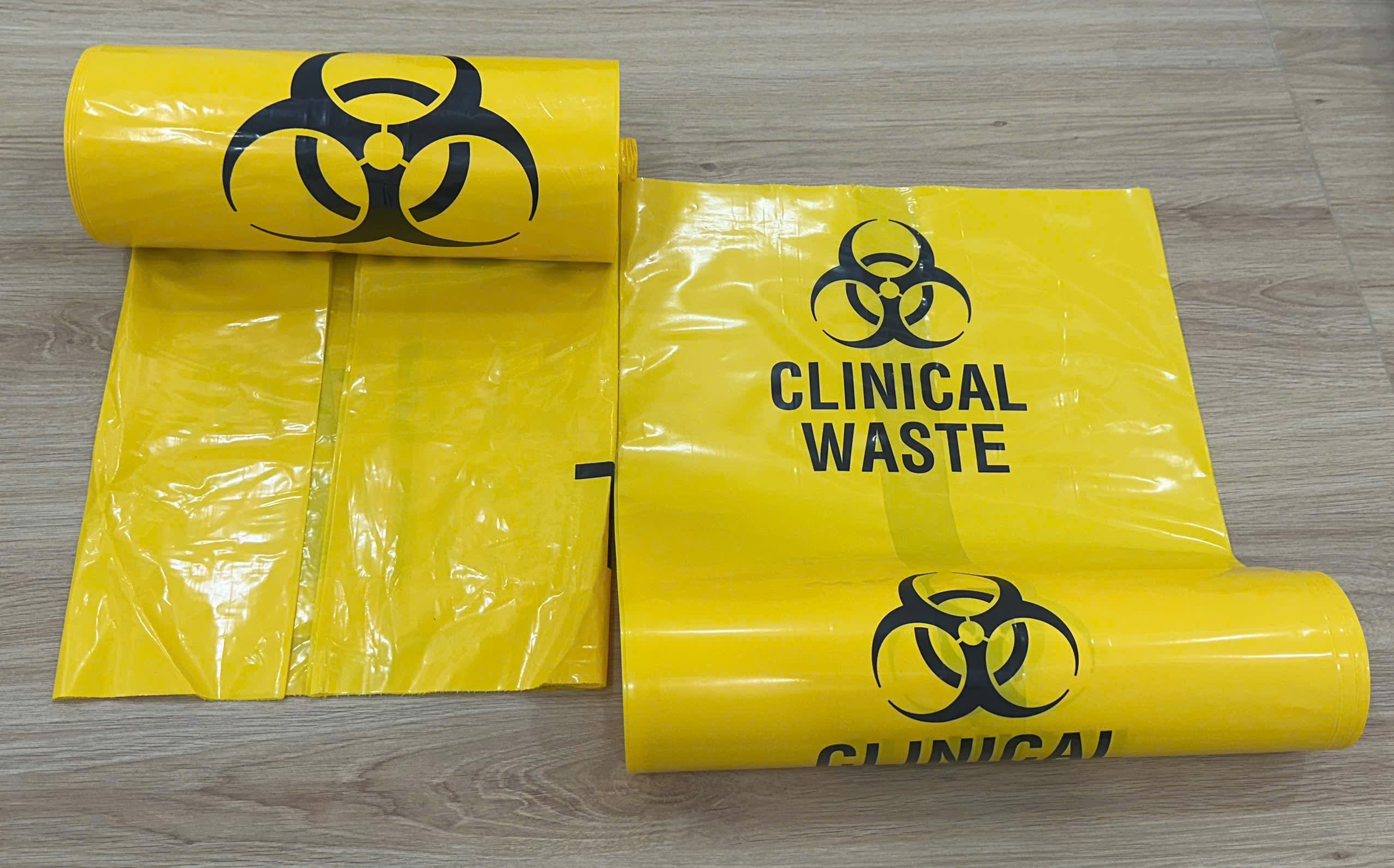
Selecting the right trash bag for recycling is a strategic decision that affects compliance, cost, and sustainability. By evaluating material, size, local requirements, and handling practices, you can minimize contamination, streamline collection, and support a greener waste‑management system. VNPLAST’s portfolio—including plastic bag, Hand Stretch Film, Die Cut Bag Plastic, and Hazardous Plastic Garbage options—provides a comprehensive solution for any recycling need.
Table of Contents
trash bag for recycling: practical overview
trash bag for recycling specifications should always be confirmed before mass production.
Ask for a representative trash bag for recycling sample when testing a new application.
Document the approved trash bag for recycling requirements for repeat orders.
Sourcing and support
Explore VN Plastic packaging products, review independent information from an authoritative environmental resource, or contact VN Plastic for a tailored specification and quotation.