When you need to close, secure, or reinforce a plastic bag quickly and reliably, a plastic bag sealing tool is the essential piece of equipment. Whether you are handling Hand Stretch Film, Die Cut Bag Plastic, or hazardous garbage bags, the right sealing tool reduces labor, prevents leaks, and improves safety. This guide explains how different sealing tools work, what features matter most, and which models suit common applications such as food packaging, recycling, and industrial waste containment.
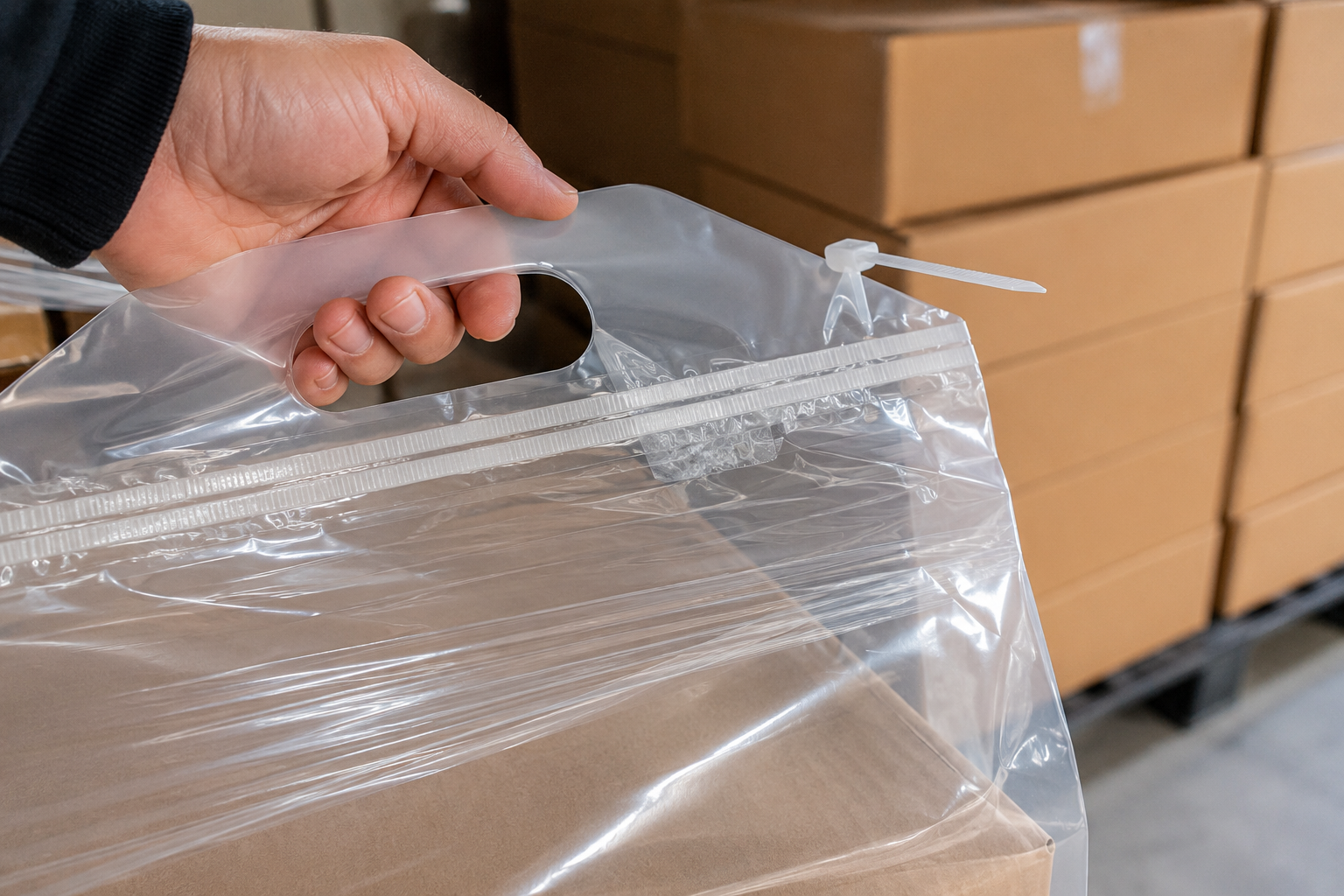
How a Plastic Bag Sealing Tool Works
Most sealing tools use heat, pressure, or a combination of both to fuse the polymer layers of a bag. The basic steps are:
- Insertion: Position the bag’s open edge between the sealing jaws.
- Heat activation: An electric element raises the temperature to the melting point of the bag material (typically 120‑180 °C for polyethylene).
- Pressure application: The jaws press the melted edges together for 1‑3 seconds.
- Cooling: The seal solidifies, creating a tamper‑evident closure.
Types of Sealing Mechanisms
- Impulse sealers: Deliver a short, high‑energy pulse that heats only the sealing area, conserving energy and minimizing bag deformation.
- Continuous heat sealers: Use a constant heat source, ideal for high‑volume operations where bags are fed continuously.
- Cold sealers: Employ pressure‑only mechanisms for heat‑sensitive materials such as certain food‑grade films.
Key Decision Factors for Selecting a Tool
Choosing the right tool depends on the bag type, volume, and workplace safety requirements. Use the checklist below to compare options.
Checklist: Selecting the Ideal Plastic Bag Sealing Tool
- Bag material compatibility: Verify the tool can seal polyethylene, polypropylene, or multi‑layer films used in your product line.
- Sealing width: Match the jaw width to the bag opening (common widths: 25 mm, 50 mm, 100 mm).
- Power source: Decide between mains electricity, battery‑operated, or pneumatic models.
- Cycle time: Faster cycles (≤1 s) increase throughput for high‑speed packing lines.
- Ergonomics: Look for anti‑fatigue grips and lightweight designs for hand‑held tools.
- Safety features: Integrated temperature controls, auto‑shutdown, and insulated housings reduce burn risk.
- Portability: Portable units are essential for field use, such as sealing refuse sack plastic bags on-site.
- Maintenance requirements: Easy‑clean jaws and replaceable heating elements extend tool life.
Comparing Popular Tool Categories
| Category | Best For | Pros | Cons |
|---|---|---|---|
| Handheld Impulse Sealer | Small‑batch food packaging, on‑site waste bag sealing | Portable, low energy, precise seals | Limited to narrow bags, slower for large volumes |
| Bench‑Top Continuous Sealer | Medium‑scale production of die‑cut bags, recycle plastic bag rolls | High throughput, consistent seal quality | Requires bench space, higher power consumption |
| Pneumatic Heavy‑Duty Sealer | Industrial hazardous plastic garbage, large block header bags | Robust, handles thick films, fast cycle | Needs compressed air supply, higher upfront cost |
Real‑World Use Cases
Below are three scenarios where a plastic bag sealing tool adds measurable value.
1. Food Service – Sealing Food Plastic Bags
Restaurants using pre‑cut food plastic bags need a quick, sanitary seal to keep ingredients fresh. A handheld impulse sealer with a 50 mm jaw can seal dozens of bags per minute, reducing waste and complying with food‑safety regulations.
2. Recycling Centers – Handling Recycle Plastic Bags
Workers collect loose plastic waste in large recycle plastic bags. A pneumatic heavy‑duty sealer quickly closes these bags, preventing spillage during transport to processing plants.
3. Hazardous Waste Management – Hazardous Plastic Garbage
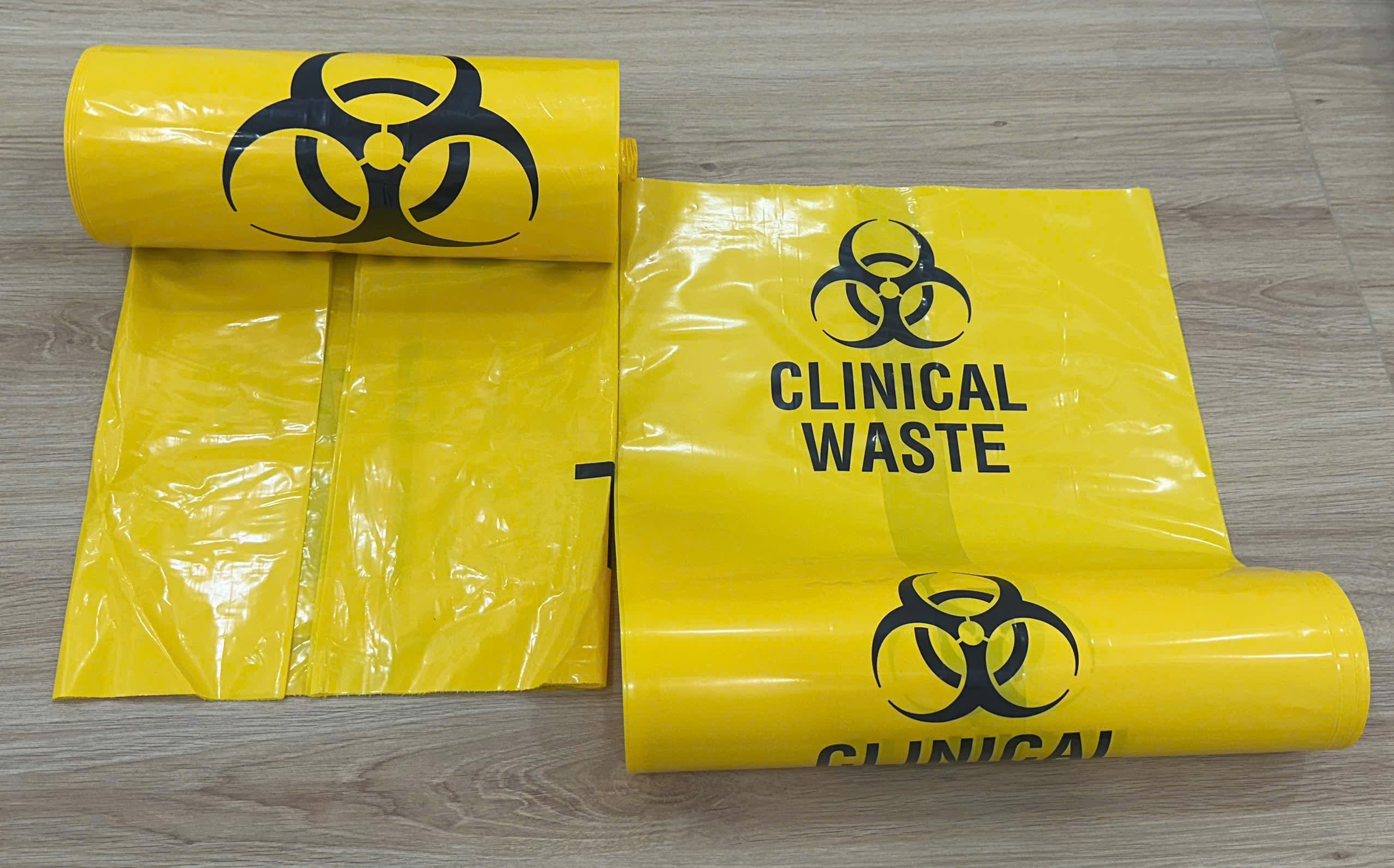
Facilities that store hazardous chemicals in specialized refuse sack plastic bags require a seal that can withstand puncture and chemical exposure. A continuous heat sealer with adjustable temperature settings ensures a leak‑proof closure while meeting OSHA guidelines.
Installation, Operation, and Maintenance Tips
Setup Checklist
- Read the manufacturer’s wiring diagram and ensure the power source matches local voltage.
- Calibrate the temperature using a built‑in digital readout; start at 150 °C for standard polyethylene.
- Adjust the jaw pressure knob until the seal is uniform without crushing the bag.
- Perform a test seal on a scrap piece of the same material before production.
Daily Operational Best Practices
- Keep the sealing surface clean of dust and plastic fragments.
- Replace worn sealing bars after 10,000 cycles to avoid uneven seals.
- Use heat‑resistant gloves when handling hot bags.
- Log any seal failures and adjust temperature or pressure accordingly.
Maintenance Schedule
- Weekly: Wipe jaws with a damp cloth; inspect heating element for discoloration.
- Monthly: Check electrical connections for looseness; lubricate moving parts if recommended.
- Quarterly: Perform a full performance test against ISO 11607 sealing standards.
Pros and Cons of Common Sealing Tools
- Handheld Impulse Sealer
- Pros: Portable, low power, precise control.
- Cons: Limited to narrow bags, slower for high volume.
- Bench‑Top Continuous Sealer
- Pros: High throughput, consistent seal quality.
- Cons: Requires dedicated space, higher electricity use.
- Pneumatic Heavy‑Duty Sealer
- Pros: Handles thick, heavy bags; fast cycle.
- Cons: Needs compressed air, higher initial cost.
Buying Guide: What to Look for on VNPLAST’s Product Pages
When browsing VNPLAST’s catalog, focus on the following specifications to ensure the tool matches your needs:
- Model number and seal width – Confirm the jaw width aligns with your bag dimensions.
- Power rating (W) – Higher wattage usually means faster heating.
- Temperature range – Adjustable settings are crucial for multi‑material use.
- Safety certifications – Look for CE, UL, or ISO compliance.
- Warranty period – A minimum 12‑month warranty indicates confidence in durability.
Frequently Asked Questions
What types of plastic bags can a sealing tool handle?
Most tools are compatible with polyethylene (LDPE, HDPE), polypropylene, and multi‑layer films. Always verify the temperature range matches the melting point of the specific bag material.
Can I use a sealing tool on heat‑sensitive food bags?
Yes, but choose a cold‑seal or low‑temperature impulse model. Set the temperature below 120 °C and test on a sample to avoid melting the film.
How often should the sealing jaws be replaced?
Jaws typically last 10,000–15,000 sealing cycles. Replace them when you notice uneven seals, discoloration, or reduced heat output.
Is a portable battery‑operated sealer safe for outdoor waste collection?
Battery‑operated sealers are safe if they have insulated housings and automatic shut‑off. Ensure the battery capacity supports the expected daily sealing volume.
Do I need a special tool for hazardous plastic garbage bags?
Hazardous waste bags often require higher temperature and pressure settings. A pneumatic heavy‑duty sealer with adjustable controls is recommended to meet regulatory containment standards.
Conclusion
A well‑chosen plastic bag sealing tool streamlines packaging, improves safety, and reduces material waste across food service, recycling, and hazardous waste sectors. By evaluating bag material, sealing width, power source, and safety features, you can select a tool that delivers consistent, leak‑proof seals while fitting your operational workflow. VNPLAST offers a range of models—from handheld impulse sealers for quick on‑site jobs to heavy‑duty pneumatic units for industrial applications—so you can find the exact solution that matches your performance and budget requirements.
Table of Contents
plastic bag sealing tool: practical overview
Ask for a representative plastic bag sealing tool sample when testing a new application.
Document the approved plastic bag sealing tool requirements for repeat orders.
Compare plastic bag sealing tool options using total application cost, not unit price alone.
plastic bag sealing tool specifications should always be confirmed before mass production.

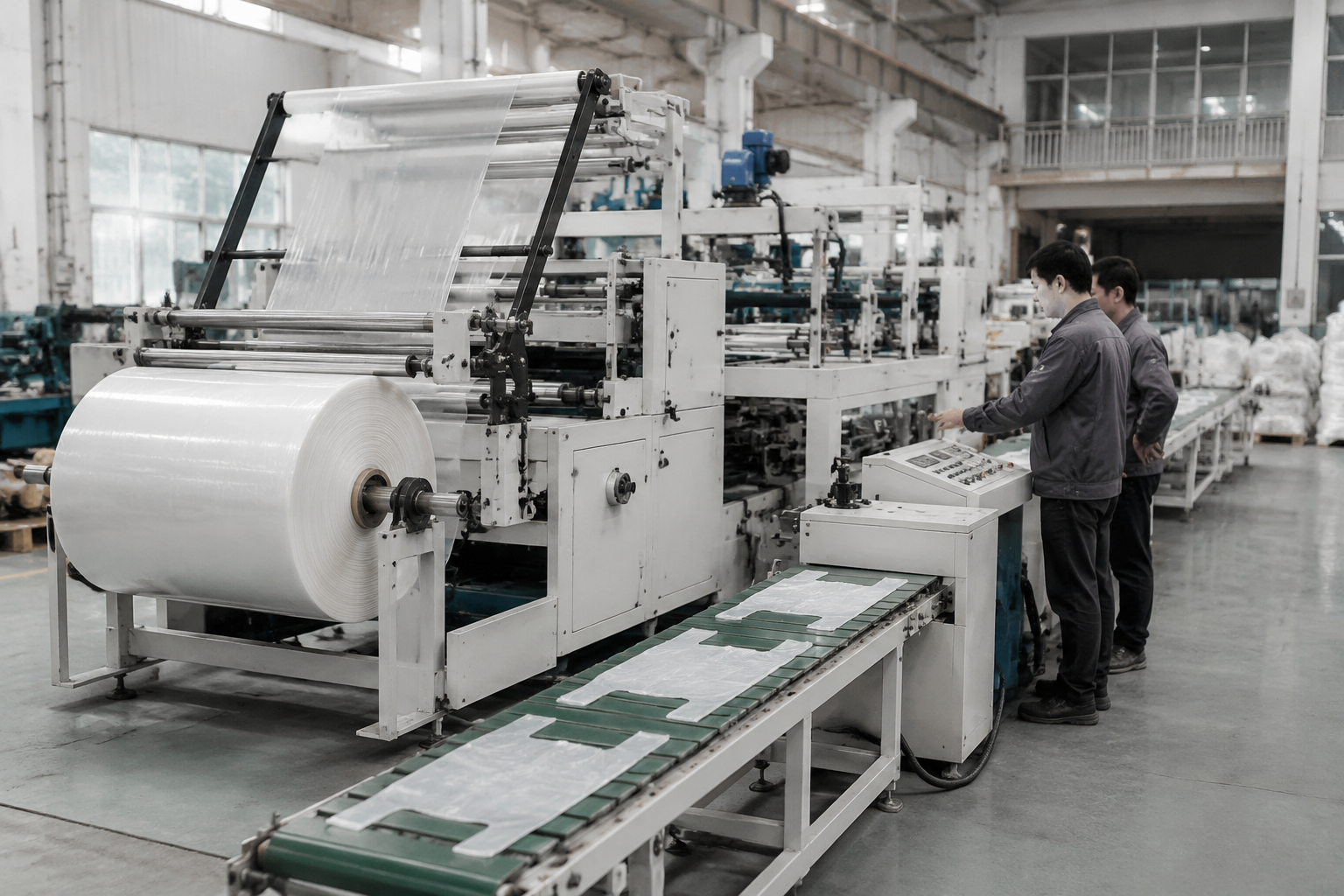
Sourcing and support
Explore VN Plastic packaging products, review independent information from an authoritative environmental resource, or contact VN Plastic for a tailored specification and quotation.