When you search for “plastic garbage bag,” you expect a quick answer about the best bag for your needs. A plastic garbage bag is a flexible, durable container designed to collect and transport waste safely. Whether you need a heavy‑duty refuse sack for construction debris, a food‑grade bag for kitchen scraps, or a hazardous waste bag for chemicals, the right choice hinges on material thickness, seal type, size, and regulatory compliance. This guide explains the key factors, compares common variants, and provides actionable checklists so you can select the perfect plastic garbage bag for any environment.
Understanding Plastic Garbage Bag Materials
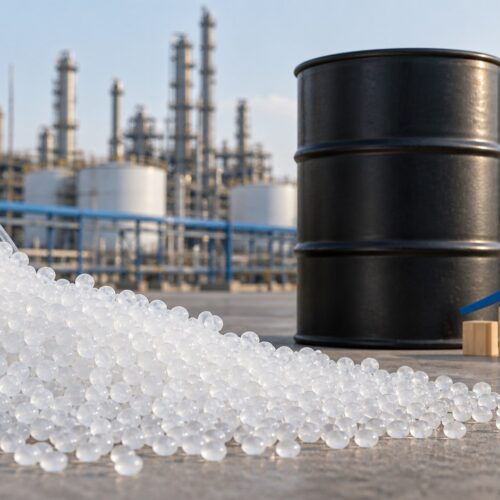
The performance of a plastic garbage bag depends largely on its polymer composition. Below are the most common materials used by manufacturers such as VNPLAST:
- Low‑Density Polyethylene (LDPE) – Flexible, lightweight, ideal for residential kitchen waste and light commercial use.
- High‑Density Polyethylene (HDPE) – Stiffer and stronger, suited for industrial refuse sacks and outdoor waste collection.
- Linear Low‑Density Polyethylene (LLDPE) – Offers superior puncture resistance, perfect for heavy‑duty and hazardous waste bags.
- Polypropylene (PP) – Used in block header bags and specialized food bags due to its high melt point and clarity.
Key Decision Factors When Selecting a Plastic Garbage Bag
Use the checklist below to match bag specifications with your operational requirements.
Checklist: Selecting the Ideal Plastic Garbage Bag
- Load Type – Is the waste dry, wet, sharp, or chemical‑laden?
- Bag Thickness (Gauge) – 0.5 mm for light use, 1.0 mm+ for heavy or hazardous loads.
- Size & Capacity – Volume (gallons or liters) and dimensions must fit your bin or container.
- Seal Method – Drawstring, twist tie, or block header; choose based on ease of closure and strength.
- Regulatory Compliance – Look for certifications for food safety (FDA) or hazardous waste (UN 2801).
- Environmental Considerations – Recycled content, biodegradability, or compatibility with local recycling programs.
Common Types of Plastic Garbage Bags and Their Best Uses
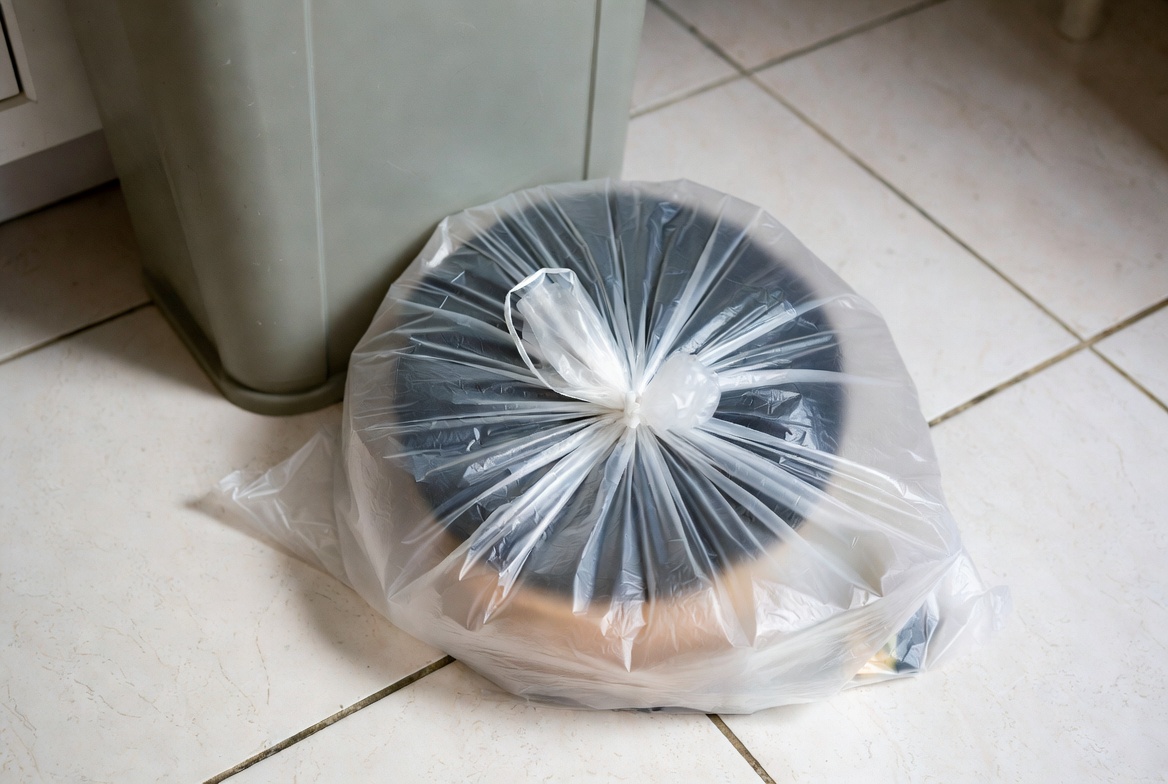
1. Standard Household Refuse Sack
Typically 30–50 gauge LDPE, 13‑gal capacity, drawstring closure. Perfect for kitchen scraps, office waste, and light indoor cleaning.
2. Heavy‑Duty Industrial Bag
Made from 1.0 mm+ LLDPE or HDPE, often with a block header and reinforced handles. Ideal for construction debris, metal shavings, and bulk trash.
3. Food‑Grade Plastic Bag
Clear PP or LDPE, FDA‑approved, with a smooth interior to prevent contamination. Used for food waste, produce packaging, and catering services.
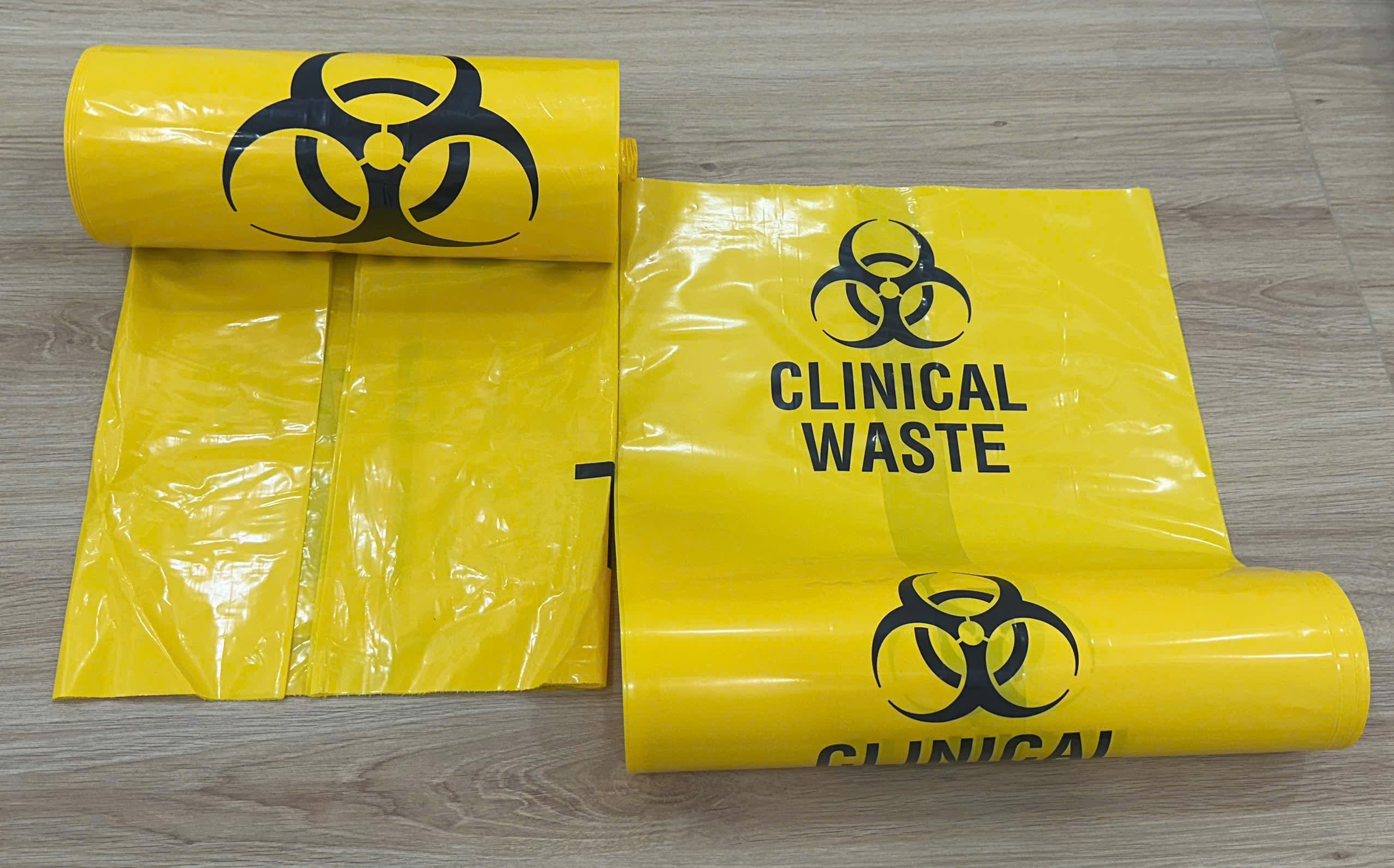
4. Hazardous Plastic Garbage Bag
Specialized LLDPE with chemical‑resistant coating, UN 2801 labeling, and a secure seal. Required for solvents, paints, and medical waste.
5. Recycle Plastic Bag (Reusable)
High‑strength HDPE with a reusable design, often featuring a zip‑lock or snap closure. Suitable for sorting recyclables or repeated collection cycles.
Comparing Block Header vs. Drawstring vs. Twist‑Tie Seals
| Seal Type | Strength | Ease of Use | Best For |
|---|---|---|---|
| Block Header | Very high – sealed with heat or ultrasonic welding | Requires equipment or manual folding | Heavy‑duty industrial, hazardous waste |
| Drawstring | Medium – friction hold | Simple pull‑tight | Household, office, light commercial |
| Twist‑Tie | Low‑medium – manual twist | Quick but less secure | Temporary storage, outdoor clean‑ups |
Real‑World Use Cases: How Different Industries Deploy Plastic Garbage Bags
Understanding how specific sectors apply plastic garbage bags helps you align product choice with performance expectations.
- Construction Sites – Use 1.2 mm LLDPE heavy‑duty bags with block header seals to contain concrete waste, nails, and broken tiles. Reinforced handles prevent tearing during transport.
- Food Service – Deploy FDA‑approved clear PP food bags for kitchen waste and pre‑packaged leftovers. The smooth interior prevents odor absorption and meets health‑code standards.
- Healthcare Facilities – Hazardous plastic garbage bags with chemical‑resistant liners are mandated for disposing of disinfectants and sharps, complying with OSHA regulations.
- Municipal Recycling Programs – Recycle plastic bags with high recycled content are used for collecting paper, cardboard, and mixed recyclables, reducing landfill impact.
Cost vs. Performance: Making a Budget‑Smart Decision
While premium bags offer superior durability, many businesses can balance cost and performance by selecting the appropriate gauge and seal type. Below is a quick cost matrix:
- Low‑Cost (LDPE, 0.5 mm, drawstring) – $0.03 per bag; suitable for light residential use.
- Mid‑Range (LLDPE, 0.8 mm, drawstring or twist‑tie) – $0.07 per bag; ideal for small‑scale commercial settings.
- High‑End (LLDPE 1.2 mm+, block header, reinforced handles) – $0.15–$0.25 per bag; necessary for heavy industrial or hazardous applications.
Environmental Impact and Recycling Options
Plastic garbage bags contribute to landfill volume, but selecting recycled‑content bags and participating in local recycling schemes can mitigate impact. VNPLAST offers:
- Recycled HDPE bags – Up to 30 % post‑consumer content, compatible with standard recycling streams.
- Biodegradable additives – Optional formulations that accelerate breakdown under industrial composting conditions.
- Take‑back programs – Bulk collection of used bags for re‑processing into new polymer granules.
Installation and Handling Tips for Maximum Safety
- Inspect the bag before use; look for tears, holes, or weak seams.
- Do not overfill beyond the rated capacity; excess weight can cause splits, especially on thin‑wall bags.
- Secure the seal – For block header bags, use a heat sealer; for drawstring, pull tightly and tie a knot.
- Use protective gloves when handling hazardous waste bags to avoid skin contact with chemicals.
- Store in a dry, shaded area to prevent UV degradation, which can embrittle polyethylene over time.
Frequently Asked Questions
What thickness should I choose for a household kitchen waste bag?
For typical kitchen scraps, a 0.5 mm LDPE bag with a drawstring seal provides sufficient strength while remaining cost‑effective.
Can a plastic garbage bag be used for hazardous chemical disposal?
Only bags specifically labeled as hazardous (usually LLDPE with a chemical‑resistant coating and UN 2801 certification) should be used for chemicals. Regular refuse sacks are not approved.
Are there any reusable alternatives to single‑use plastic garbage bags?
Yes, high‑strength HDPE bags with zip‑lock closures can be cleaned and reused multiple times, reducing waste and long‑term cost.
How do I know if a bag is food‑grade?
Look for FDA approval statements on the packaging and verify that the material is PP or LDPE with no additives that could leach into food.
What is the best way to recycle used plastic garbage bags?
Collect used bags in a designated bin, ensure they are clean and dry, and deliver them to a local recycling facility that accepts polyethylene films. Some municipalities also offer curbside collection for clean plastic films.
Conclusion
Selecting the right plastic garbage bag requires evaluating material, thickness, size, seal type, and compliance with safety standards. By applying the checklist, comparing seal options, and understanding industry‑specific use cases, you can reduce waste handling costs, improve safety, and align with sustainability goals. VNPLAST’s extensive portfolio—from standard refuse sacks to hazardous‑grade containers—ensures you have a reliable solution for every scenario.
Table of Contents
plastic garbage bag: practical overview

Sourcing and support
Explore VN Plastic packaging products, review independent information from an authoritative environmental resource, or contact VN Plastic for a tailored specification and quotation.