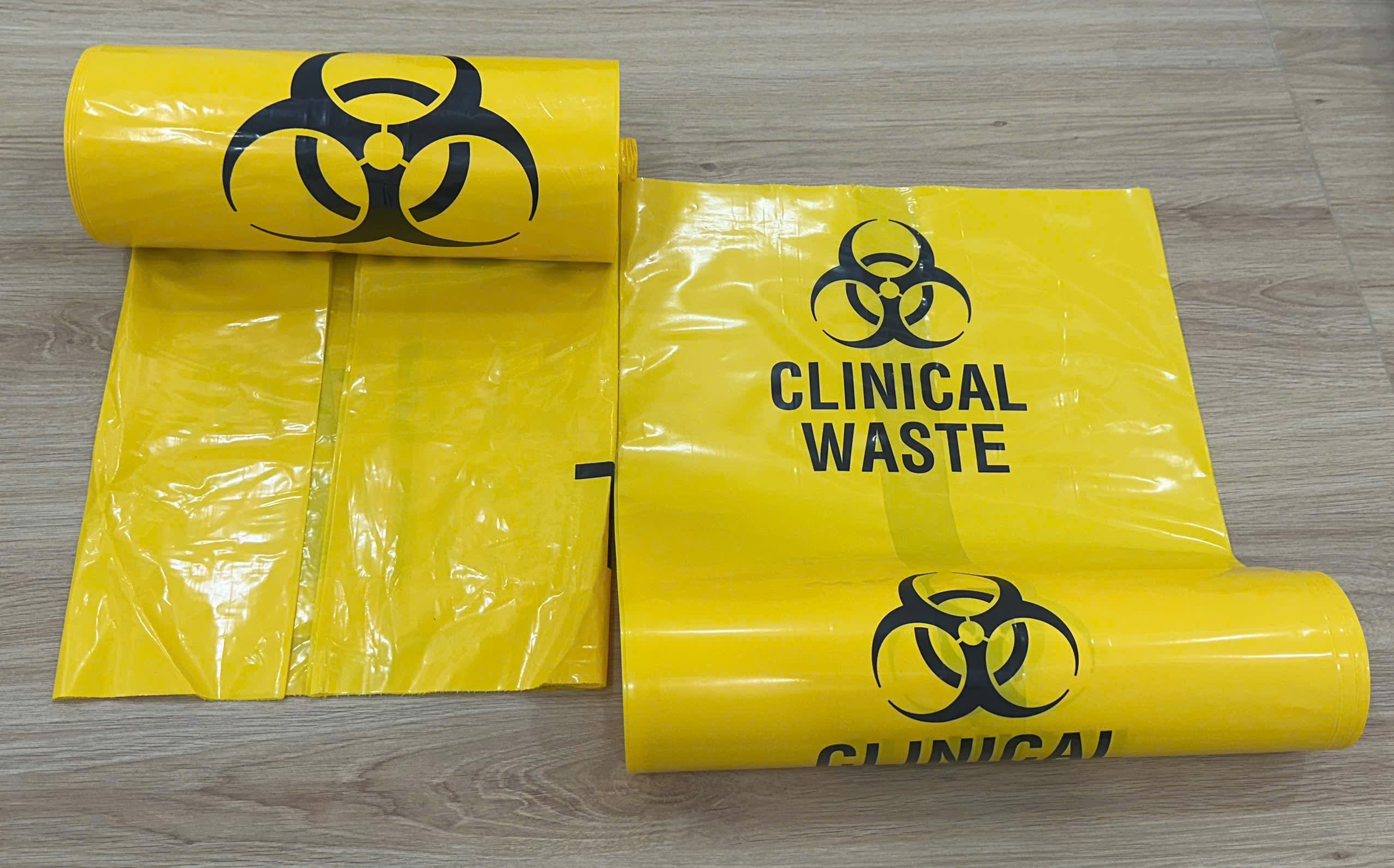
When you search for die cut bag design, you expect clear guidance on creating functional, eye‑catching plastic bags that meet both branding and regulatory needs. This article explains the essential steps, material choices, and design considerations so you can produce die‑cut bags that protect products, reduce waste, and reinforce your brand identity—all within the first 120 words.
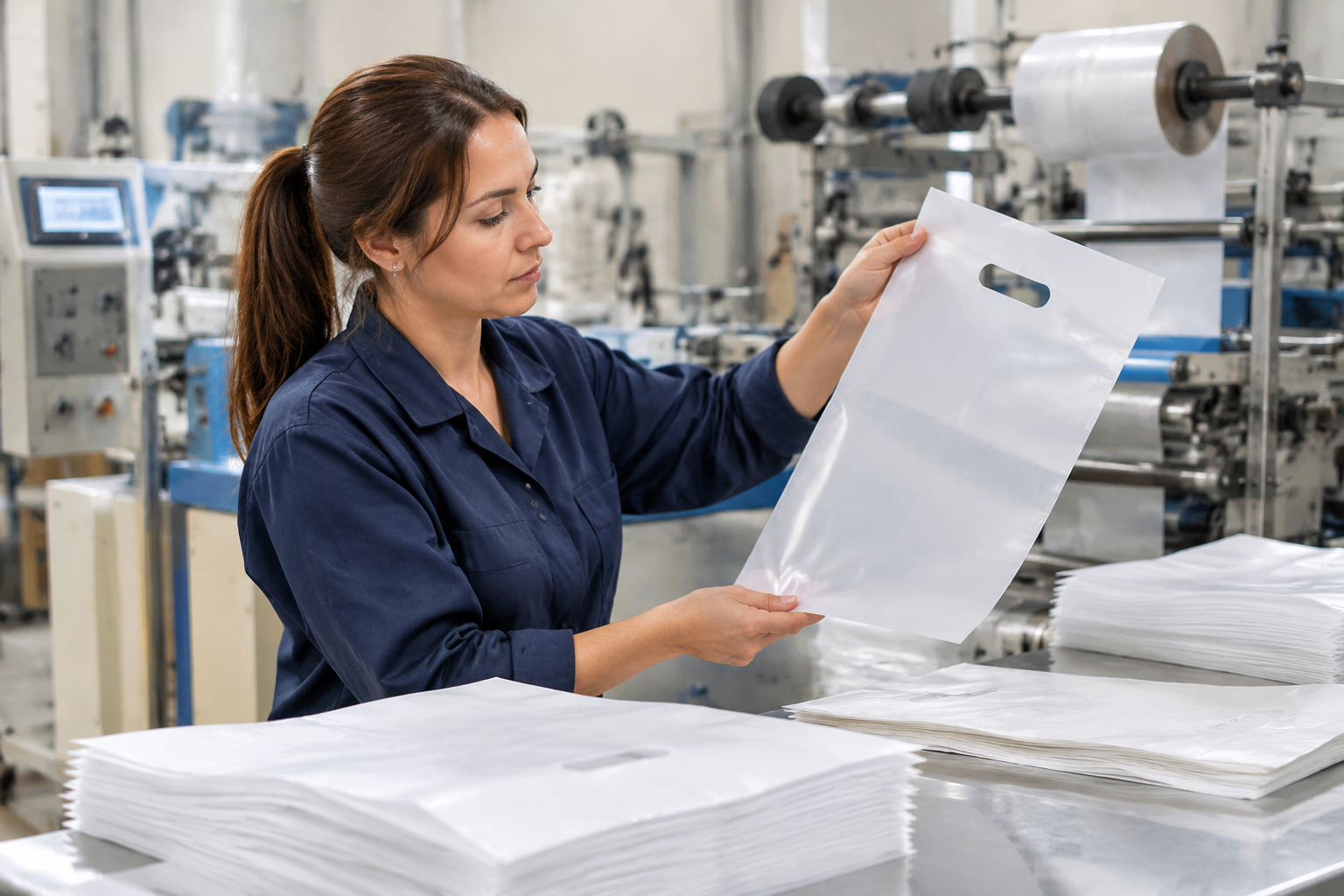
Why Die Cut Bag Design Matters in Modern Packaging
Die‑cut bags are more than just containers; they are a communication tool. A well‑executed design can:
- Improve usability by adding handles, resealable closures, or ergonomic grips.
- Enhance brand visibility through custom shapes, windows, and printed graphics.
- Reduce material waste by eliminating excess bulk and using recycled plastic efficiently.
- Meet regulatory standards for hazardous waste, food safety, and recycling requirements.
Core Elements of Effective Die Cut Bag Design
1. Material Selection
Choosing the right plastic influences durability, cost, and sustainability. Common options include:
- Low‑density polyethylene (LDPE) – flexible, ideal for grocery and food bags.
- High‑density polyethylene (HDPE) – stronger, perfect for refuse sacks and hazardous garbage bags.
- Recycled polyethylene – meets eco‑friendly goals while maintaining performance.
2. Cut‑Out Geometry
The die cut pattern defines how the bag functions. Key considerations:
- Handle placement – ensure ergonomic grip and even weight distribution.
- Window shapes – transparent sections for product visibility without compromising strength.
- Seal zones – reinforced areas for heat sealing or zip locks.
3. Printing and Finishing
Brand messaging is integrated through printing methods such as flexography or digital printing. For high‑impact designs, combine:
- Full‑color graphics on the bag’s surface.
- Spot UV coating on cut‑out edges to prevent tearing.
- Embossed logos for tactile brand cues.
Step‑by‑Step Workflow for Die Cut Bag Design
Step 1 – Define Bag Purpose and Load Requirements
Identify the product’s weight, shape, and handling needs. For example, a hand stretch film wrapper requires a robust seal, while a food plastic bag needs a clear window for inspection.
Step 2 – Choose the Right Plastic
Match material to use case:
- Heavy waste → HDPE refuse sack plastic bag
- Light retail items → LDPE block header plastic bag
- Eco‑focused brand → recycle plastic bag
Step 3 – Sketch the Layout
Use CAD software to draft the bag’s flat pattern, including:
- Overall dimensions (width, depth, gusset).
- Location of die‑cut features (handles, windows, perforations).
- Print zones and color separations.
Step 4 – Create the Die Cutting Tool
Manufacturers fabricate a steel die based on the CAD file. Important tolerances:
- ±0.2 mm for handle cut‑outs.
- ±0.1 mm for intricate window shapes.
Step 5 – Prototype and Test
Produce a short run to evaluate:
- Structural integrity under load.
- Ease of opening and closing.
- Print clarity and color fidelity.
Step 6 – Full‑Scale Production
Once the prototype passes, move to high‑volume extrusion, printing, and die‑cutting. Quality control checkpoints include:
- Dimensional inspection with laser gauges.
- Tensile strength testing (minimum 150 N for HDPE).
- Print registration checks.
Checklist: Die Cut Bag Design Decision Matrix
Use this checklist to compare options and avoid costly revisions.
- Application – Waste collection, food packaging, retail display?
- Load Capacity – Light (<5 kg), Medium (5‑15 kg), Heavy (>15 kg)
- Material – LDPE, HDPE, Recycled PE, Specialty (e.g., anti‑static)
- Cut‑Out Complexity – Simple handles, multi‑window, perforated sections
- Printing Needs – Single‑color, full‑color, embossing, UV coating
- Sustainability Goal – % recycled content, recyclability after use
- Regulatory Compliance – Food contact, hazardous waste, local packaging laws
Real‑World Use Cases
Understanding how different industries apply die‑cut designs helps you tailor your approach.
1. Hazardous Plastic Garbage Bags
These bags require reinforced seams, a thick HDPE base, and a secure zip‑lock die cut. A reinforced handle cut‑out prevents tearing during heavy lifts.
2. Food Plastic Bags with Viewing Window
A clear PET window cut into the front panel lets customers see fresh produce while the surrounding LDPE provides moisture barrier.
3. Hand Stretch Film Packaging
Die‑cut perforations enable easy tearing, while a built‑in handle reduces manual strain for warehouse staff.
Cost Considerations and ROI
Investing in custom die‑cut bags can appear expensive upfront, but the return manifests through:
- Reduced material waste – precise cuts eliminate excess plastic.
- Brand differentiation – unique shapes attract premium pricing.
- Operational efficiency – ergonomic handles speed up packing lines.
Typical cost drivers include die tool fabrication (USD 200‑500), material grade, and print complexity. Bulk orders (10 k+ units) often reduce per‑unit cost by 15‑30%.
Common Pitfalls and How to Avoid Them
- Over‑complicating the cut pattern – Increases die cost and risk of tearing. Keep cut‑outs functional.
- Ignoring recycling symbols – Failing to meet local recycling standards can lead to penalties.
- Under‑estimating load – Test with 1.5× expected weight to ensure safety margin.
- Poor print registration – Align die cuts with print lines to avoid misaligned graphics.
Implementation Guide for VNPLAST Clients
VNPLAST offers end‑to‑end services from material sourcing to final die‑cut production. Follow these steps to collaborate efficiently:
- Submit product specifications via the VNPLAST online portal.
- Consult with VNPLAST’s design engineers to select material (e.g., HDPE for hazardous bags).
- Review CAD mock‑ups and approve the die‑cut layout.
- Approve a prototype batch for functional testing.
- Authorize full‑scale production and arrange logistics.
Frequently Asked Questions
What is the difference between a die‑cut bag and a regular plastic bag?
A die‑cut bag is created using a precision‑cut steel die that removes specific sections of the film, allowing for custom handles, windows, or shapes. Regular bags are typically cut from a flat sheet without these tailored features.
Can I use recycled plastic for die‑cut bags without losing strength?
Yes. Recycled polyethylene can match the tensile strength of virgin material when blended correctly. VNPLAST’s recycled plastic bags meet the same performance standards as standard HDPE or LDPE options.
How long does it take to create a custom die for a new bag design?
Typical lead time is 2‑3 weeks, including design validation, tool fabrication, and test runs. Complex designs may require additional time for tolerance checks.
Are die‑cut bags suitable for food contact applications?
Absolutely, provided the material complies with food‑grade regulations (e.g., FDA‑approved LDPE or PET). Ensure the die‑cut process uses clean tooling and that any inks are food‑safe.
What sustainability certifications should I look for?
Look for certifications such as Recycled Content Certification, ISO 14001 for environmental management, and local recycling symbols indicating post‑consumer recycled (PCR) content.
Conclusion
Mastering die cut bag design empowers brands like VNPLAST to deliver packaging that is functional, sustainable, and visually striking. By selecting the right material, defining precise cut‑out geometry, and integrating high‑quality printing, you can create bags that meet regulatory demands, reduce waste, and elevate your market presence. Follow the workflow, use the decision matrix, and partner with experienced manufacturers to turn your concept into a profitable, eco‑friendly reality.
Table of Contents
die cut bag design: practical overview
Document the approved die cut bag design requirements for repeat orders.
Compare die cut bag design options using total application cost, not unit price alone.
die cut bag design specifications should always be confirmed before mass production.
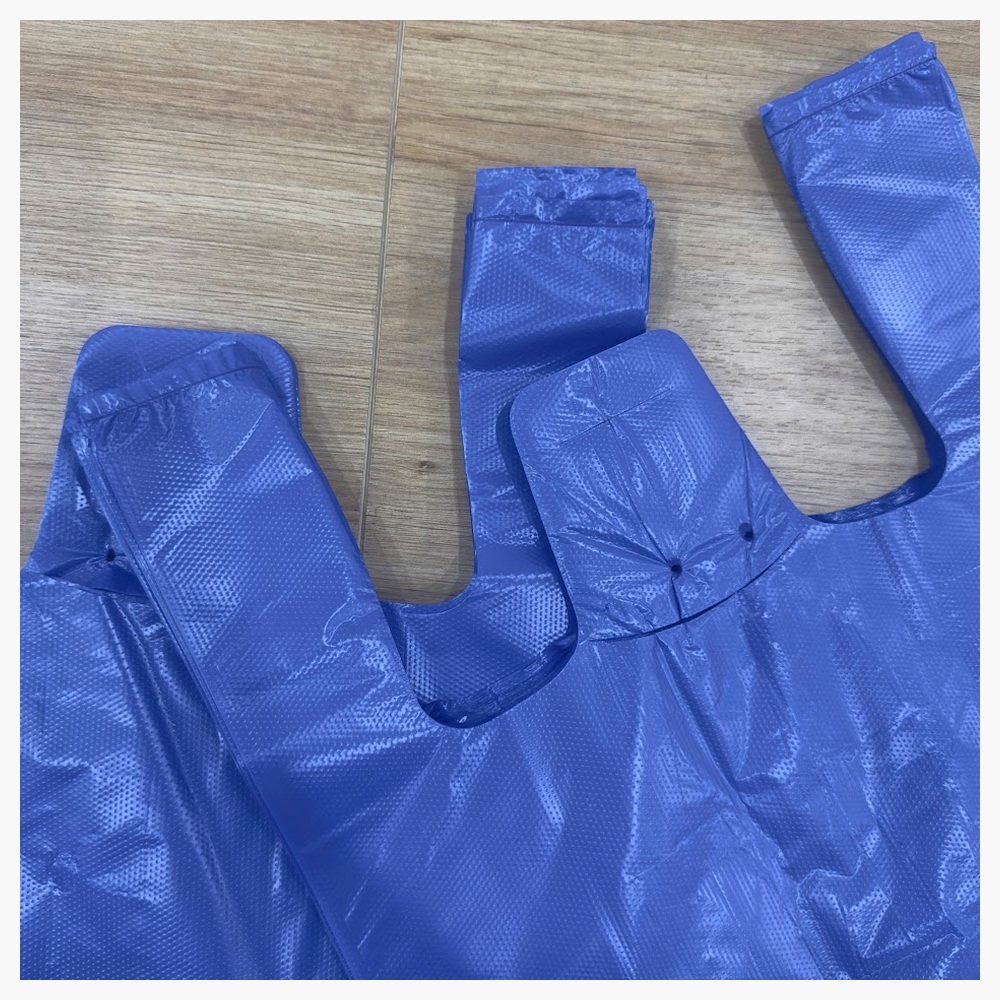
Sourcing and support
Explore VN Plastic packaging products, review independent information from an authoritative environmental resource, or contact VN Plastic for a tailored specification and quotation.