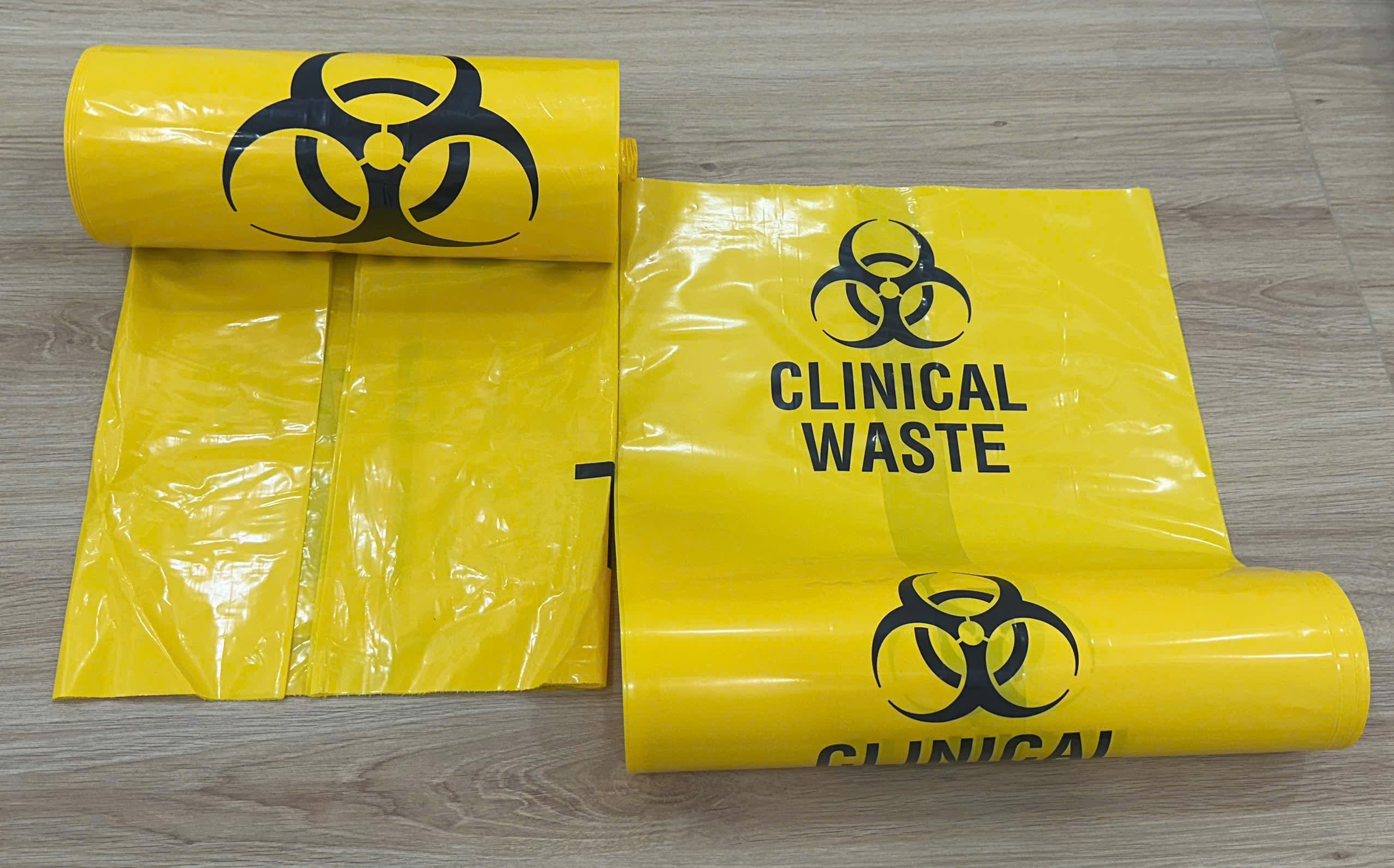
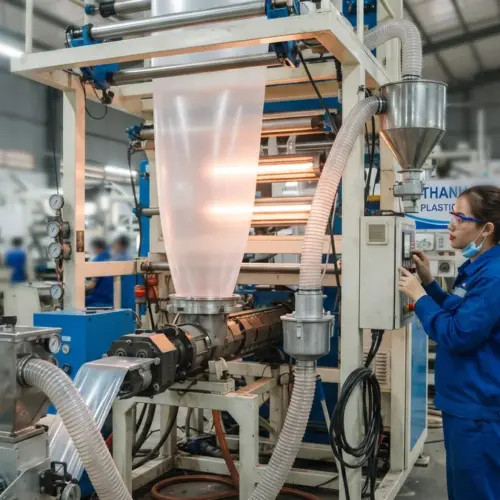
When you need a reliable way to secure heavy‑duty plastic bags, the plastic bag handle wrap tool is the industry‑standard solution. This device tightly winds the bag’s handle, creating a compact, leak‑proof seal that prevents spillage and makes handling easier. In the first 120 words, we’ll explain what the tool does, why it matters for businesses handling plastic bags, and how to choose the right model for your operation.
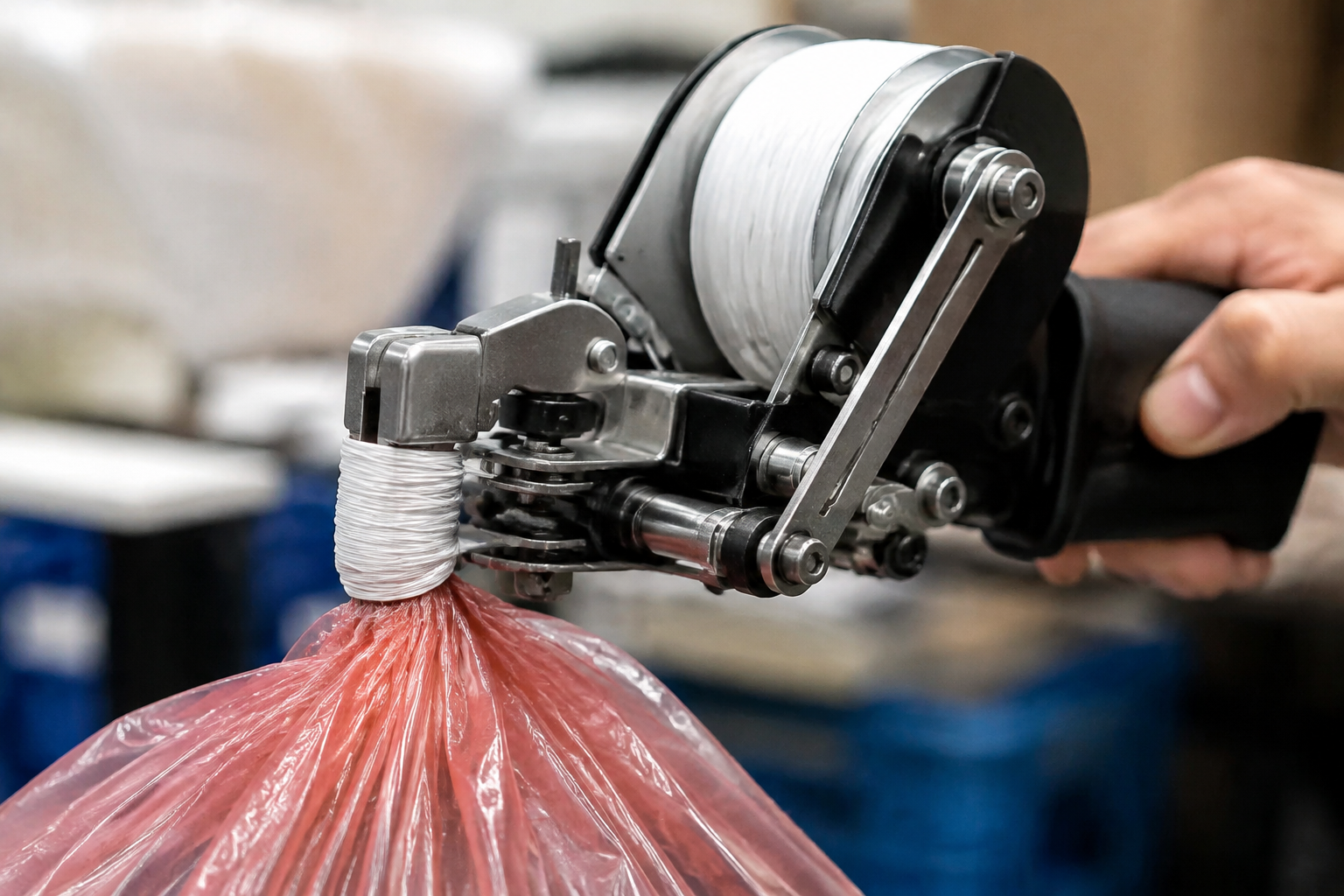
a close‑up of a plastic bag handle wrap tool in use, showing the metal jaws gripping the bag handle and the winding mechanism
What Is a Plastic Bag Handle Wrap Tool?
A plastic bag handle wrap tool is a handheld or semi‑automatic device designed to wrap the handle of a plastic bag—such as a refuse sack, hazardous plastic garbage bag, or food plastic bag—with a thin strip of stretch film or specialized wrapping material. The tool grips the handle, rotates to apply multiple layers of film, and cuts the excess, leaving a neat, reinforced bundle.
Key Components
- Gripping jaws: Hardened steel or polymer teeth that lock onto the bag handle.
- Wrap mechanism: Rotating drum or rollers that feed the wrap material.
- Cutting blade: Sharp edge that trims the film after the wrap is complete.
- Adjustable tension knob: Controls the tightness of the wrap for different bag sizes.
Why Use a Handle Wrap Tool?
Businesses that handle large volumes of plastic bags—whether for waste collection, food service, or industrial packaging—benefit from:
- Improved safety: Prevents accidental spills of hazardous waste.
- Space efficiency: Wrapped handles reduce bag bulk, allowing tighter stacking.
- Professional appearance: Neat wraps convey quality to customers.
- Reduced material waste: Precise film usage saves on stretch film costs.
Choosing the Right Tool for Your Operation
Not all handle wrap tools are created equal. Below is a decision checklist to help you match a tool to your specific needs.
Decision Checklist
- ✅ Bag type compatibility: Verify the tool works with your primary bag—die‑cut bag plastic, block header plastic bag, or recycle plastic bag.
- ✅ Handle size range: Choose a model that covers the smallest to the largest handles you use.
- ✅ Wrap material: Hand stretch film vs. pre‑cut polymer strips—consider cost and environmental impact.
- ✅ Power source: Manual, pneumatic, or electric—match to your workflow speed.
- ✅ Durability: Look for hardened steel jaws for high‑volume settings.
- ✅ Maintenance requirements: Easy‑access parts and replaceable blades reduce downtime.
Top Features to Compare
Below is a quick comparison of three popular models available from VNPLAST and comparable brands.
- Model A – VNPLAST Hand‑Operated Wrap Tool
- Manual operation, ideal for low‑volume facilities.
- Adjustable tension knob for fine control.
- Compatible with standard hand stretch film.
- Model B – Pneumatic Wrap Pro
- Air‑powered for rapid cycles.
- Integrated film dispenser reduces manual feeding.
- Supports heavy‑duty hazardous plastic garbage bags.
- Model C – Electric Auto‑Wrap 3000
- Fully automated, programmable wrap count.
- Digital tension sensor ensures consistent wraps.
- Best for high‑throughput food plastic bag packaging lines.
How to Use a Plastic Bag Handle Wrap Tool – Step‑by‑Step
- Prepare the bag: Fill the bag to the recommended capacity and position the handle under the gripping jaws.
- Set tension: Turn the tension knob to match the handle thickness.
- Load wrap material: Feed hand stretch film or pre‑cut strip into the feed slot.
- Engage the tool: Press the activation lever; the jaws lock, and the wrap mechanism begins rotating.
- Complete the wrap: The tool applies 3‑5 layers (adjustable) and automatically cuts the excess.
- Release and inspect: Unlock the jaws, lift the wrapped handle, and verify a tight, even seal.
Maintenance and Safety Tips
- Regular cleaning: Remove film residue after each shift to avoid jamming.
- Blade inspection: Replace the cutting blade when it shows signs of dullness.
- Lubrication: Apply a light oil to moving parts monthly.
- Personal protective equipment (PPE): Wear cut‑resistant gloves when handling sharp blades.
- Training: Ensure operators understand tension settings to prevent over‑tightening, which can damage bag handles.
Real‑World Use Cases
Companies across Southeast Asia rely on the handle wrap tool for various applications:
- Municipal waste services: Securing refuse sack plastic bags for curbside collection reduces bag rupture during transport.
- Food processing plants: Wrapping handles of bulk food plastic bags keeps product hygiene intact and simplifies pallet loading.
- Industrial chemical storage: Hazardous plastic garbage bags are wrapped to prevent accidental spills of corrosive liquids.
Cost Considerations and ROI
Investing in a quality handle wrap tool can deliver measurable savings:
- Reduced film waste: Precise tension control cuts film usage by up to 15%.
- Lower labor costs: Automated models increase bag sealing speed from 20 to 80 bags per minute.
- Decreased bag failures: A tighter wrap reduces bag tears, saving replacement costs.
For a mid‑size operation, the payback period for a pneumatic or electric model typically ranges from 3 to 6 months, based on labor and material savings.
FAQs
What size handles can a plastic bag handle wrap tool accommodate?
Most tools cover handles from 10 mm to 50 mm in diameter. Check the manufacturer’s specifications for exact ranges.
Can I use recycled stretch film with the tool?
Yes, provided the film meets the required tensile strength. Recycled film can lower material costs while maintaining performance.
Is the tool suitable for hazardous waste bags?
Absolutely. Choose a model with reinforced jaws and a sealed film dispenser to prevent leaks of dangerous substances.
How often should I replace the cutting blade?
Replace the blade after every 10,000 wraps or when you notice uneven cuts. Keeping a spare blade on hand minimizes downtime.
Does the tool work with block header plastic bags?
Yes, as long as the handle is accessible. Adjust the tension knob to accommodate the thicker header.
Conclusion
The plastic bag handle wrap tool is a versatile, cost‑effective device that enhances safety, efficiency, and presentation across a wide range of industries. By selecting the right model, maintaining it properly, and training staff on optimal use, businesses can achieve a fast return on investment while ensuring that their plastic bags—whether for waste, food, or hazardous materials—remain securely sealed from start to finish.