Finding safe and compliant hazardous plastic waste disposal methods is essential for any business that handles contaminated or toxic polymer products. Within the first 120 words, this guide explains the most reliable techniques—incineration with energy recovery, sealed‑landfill, chemical recycling, and emerging plasma gasification—while highlighting regulatory requirements, cost factors, and real‑world examples from VNPLAST. By the end, you’ll have a decision‑making checklist, a pros‑cons matrix, and actionable steps to implement the right disposal strategy for your operation.
Understanding Hazardous Plastic Waste
Not all plastic waste is created equal. Hazardous plastic waste includes items that are:
- Contaminated with chemicals, solvents, or heavy metals (e.g., hazardous plastic garbage from industrial cleaning).
- Mixed with biological agents or radioactive substances.
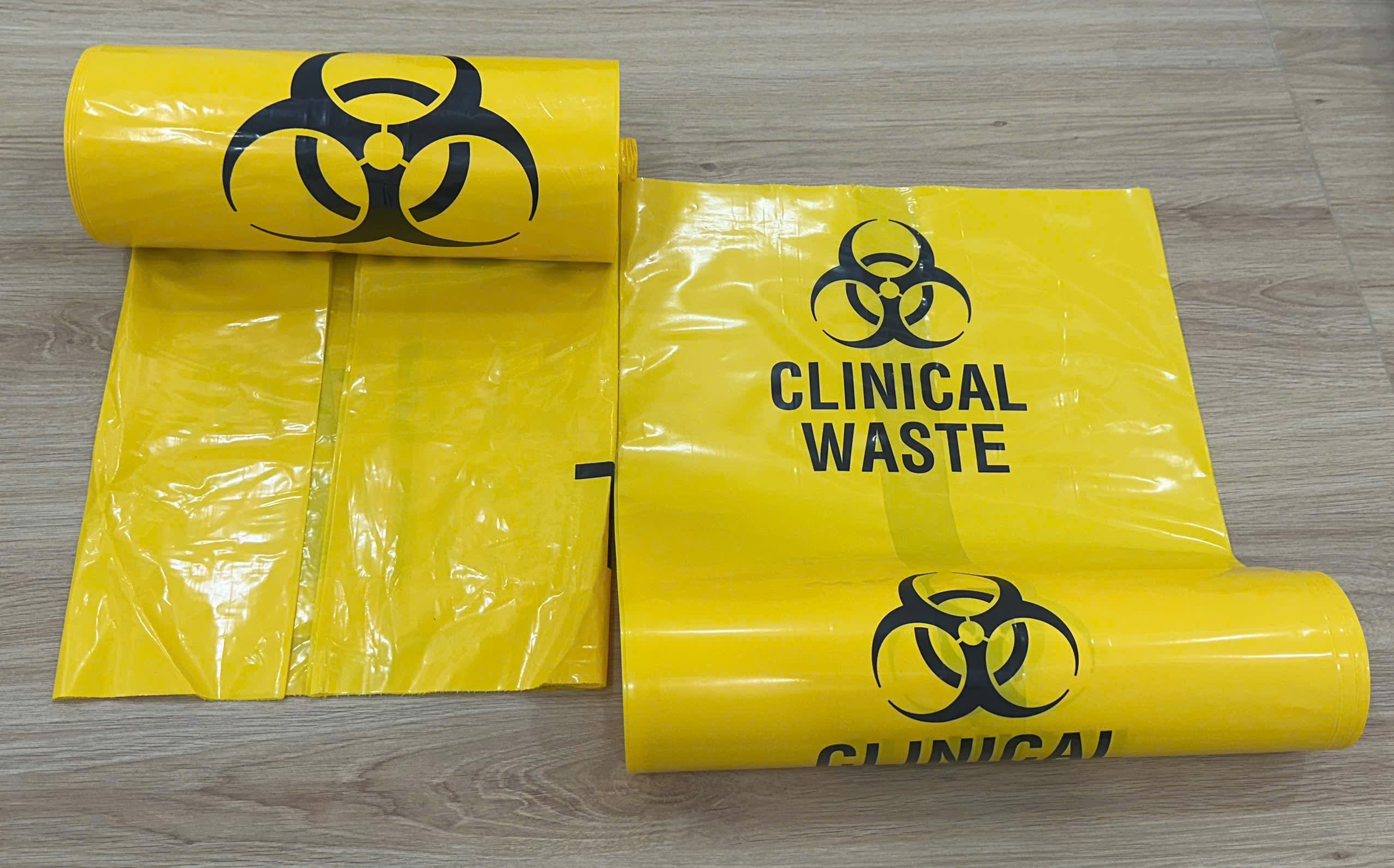
- Designed for single‑use in high‑risk environments, such as refuse sack plastic bags used for medical waste.
These materials pose health, fire, and environmental risks if mishandled, making proper disposal a legal and ethical imperative.
Regulatory Framework Governing Disposal
Compliance starts with understanding the laws that apply to your region. Key regulations include:
- EU Directive 2008/98/EC on waste hierarchy and hazardous waste classification.
- US EPA Resource Conservation and Recovery Act (RCRA) – defines hazardous waste characteristics and disposal permits.
- Vietnam Ministry of Natural Resources and Environment guidelines for plastic waste, especially for hazardous categories.
Failure to follow these rules can result in fines, shutdowns, and reputational damage.
Primary Hazardous Plastic Waste Disposal Methods
1. High‑Temperature Incineration with Energy Recovery
Incineration destroys polymer chains at temperatures above 850 °C, converting waste into steam and electricity. It is the most widely accepted method for highly contaminated plastics because:
- It achieves >99.9% mass reduction.
- Energy recovered can offset facility operating costs.
- Modern scrubbers remove dioxins and acid gases.
Key consideration: Requires a licensed hazardous waste incinerator and continuous emissions monitoring.
2. Secure Landfilling with Composite Liners
When incineration is not feasible, sealed landfills equipped with geomembrane liners, leachate collection, and gas extraction systems provide a long‑term containment solution.
- Suitable for non‑combustible hazardous plastics (e.g., hand stretch film contaminated with adhesives).
- Requires a hazardous waste landfill permit and regular monitoring.
3. Chemical Recycling (Depolymerization)
Advanced chemical processes break down polymers into monomers or useful chemicals. For hazardous plastics, this method offers:
- Recovery of raw materials (e.g., styrene from polystyrene).
- Reduced volume compared to landfilling.
- Potential to neutralize embedded contaminants through controlled reactions.
Limitations include high capital costs and the need for specialized reactors.
4. Emerging Plasma Gasification
Plasma torches generate temperatures >5,000 °C, converting waste into syngas and a vitrified slag. Benefits include:
- Near‑complete destruction of hazardous compounds.
- Syngas can be used for electricity or chemical synthesis.
- Minimal ash generation.
Currently, only a few pilot plants operate at commercial scale, making it a long‑term option.
Choosing the Right Method: Decision Checklist
- Waste Characterization: Identify polymer type, contamination level, and hazardous constituents.
- Regulatory Requirements: Verify permits needed for incineration, landfill, or recycling.
- Volume & Frequency: Large, continuous streams favor incineration; sporadic small batches may suit secure landfill.
- Energy Recovery Goals: If you aim to offset energy costs, incineration with cogeneration is optimal.
- Capital & Operating Budget: Chemical recycling and plasma gasification require higher upfront investment.
- Environmental Impact Targets: Assess CO₂ emissions, leachate risk, and circular economy objectives.
- Location & Logistics: Proximity to licensed facilities reduces transport risk and cost.
Pros and Cons Comparison of Major Methods
- Incineration
- Pros: High destruction efficiency, energy recovery, fast processing.
- Cons: Air emissions control required, high operational monitoring.
- Secure Landfilling
- Pros: Simple implementation, suitable for non‑combustible waste.
- Cons: Long‑term land use, potential leachate, no material recovery.
- Chemical Recycling
- Pros: Material recovery, reduces virgin plastic demand.
- Cons: High capital cost, limited to certain polymer families.
- Plasma Gasification
- Pros: Near‑zero residual waste, syngas production.
- Cons: Emerging technology, limited commercial availability.
Real‑World Use Cases from VNPLAST
VNPLAST, a leading supplier of plastic bags, hand stretch film, and die cut bag plastic, has implemented a hybrid disposal strategy:
- Highly contaminated food plastic bags from food‑service clients are sent to a licensed incineration plant with energy recovery, cutting disposal costs by 15%.
- Low‑risk garbage plastic bags used for general waste collection are compacted and placed in a secure landfill equipped with leachate treatment.
- Experimental trials with chemical recycling of refuse sack plastic bags have yielded a 30% reduction in virgin polymer purchase.
Implementation Steps for Companies
- Conduct a Waste Audit: Catalog all plastic waste streams, classify hazards, and quantify volumes.
- Select a Disposal Partner: Verify that the contractor holds the appropriate hazardous waste permits and offers transparent emissions reporting.
- Develop a Transport Plan: Use UN‑classified containers for hazardous plastics, label each load, and train drivers on emergency procedures.
- Integrate Monitoring: Install real‑time gas detectors at storage sites and require monthly compliance certificates from the disposal facility.
- Report & Review: Document disposal costs, environmental metrics, and regulatory compliance in an annual sustainability report.
Cost Considerations and Environmental Impact
Typical cost ranges (USD per tonne) for hazardous plastic waste are:
- Incineration with energy recovery: $250‑$400.
- Secure landfill: $150‑$250.
- Chemical recycling: $350‑$600 (depends on polymer type).
- Plasma gasification (pilot): $500‑$800.
When evaluating these figures, factor in potential revenue from energy credits, carbon offsets, or recovered monomers. A life‑cycle assessment (LCA) can quantify greenhouse‑gas reductions and guide corporate sustainability targets.
Frequently Asked Questions
What makes plastic waste “hazardous”?
Plastic becomes hazardous when it contains toxic chemicals (e.g., solvents, heavy metals), is contaminated with biological agents, or exhibits ignitability, corrosivity, or reactivity that exceeds regulatory thresholds.
Can regular recycling facilities handle hazardous plastic bags?
No. Standard recycling streams are not equipped to treat contaminated or chemically‑laden plastics. Attempting to recycle hazardous bags can spread contaminants and violate waste‑handling regulations.
Is incineration the most environmentally friendly option?
Incineration with modern emission controls can be environmentally responsible if it includes energy recovery and strict monitoring. However, the best choice depends on waste composition, local regulations, and the availability of lower‑impact technologies like chemical recycling.
How do I verify a disposal contractor’s credentials?
Ask for the contractor’s hazardous waste permit number, recent EPA or local authority inspection reports, and proof of compliance with the Basel Convention if international transport is involved.
What emerging technologies should I watch for?
Plasma gasification and enzymatic depolymerization are gaining traction. Both promise near‑complete destruction of hazardous polymers with minimal residual waste, though commercial scalability is still developing.
Conclusion
Choosing the right hazardous plastic waste disposal methods requires a clear understanding of waste characteristics, regulatory obligations, and the trade‑offs between cost, energy recovery, and environmental impact. By conducting a thorough waste audit, applying the decision checklist, and learning from VNPLAST’s hybrid approach, businesses can protect workers, stay compliant, and move toward a more circular plastic economy.