When you search for die cut bag cost, you want a clear answer on what influences pricing and how to get the best value for your budget. In the first 120 words, we’ll explain that die cut bag cost depends on material type, size, thickness, quantity, printing options, and any special features such as handles or reinforced edges. At VNPLAST, we produce a range of plastic bag solutions—including Hand Stretch Film, Recycle Plastic bag, and Hazardous Plastic Garbage bags—so you can compare costs directly against your specific application.
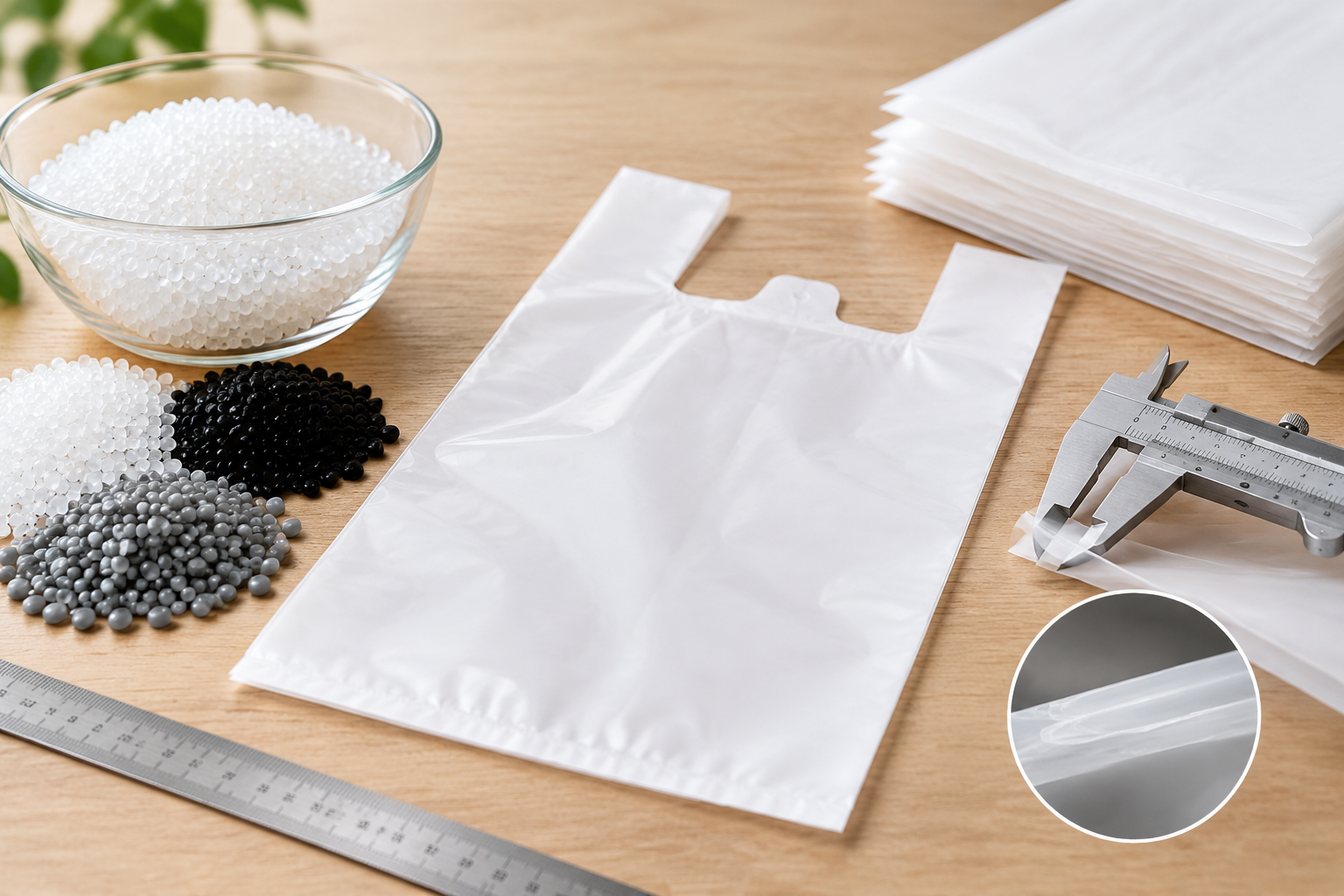
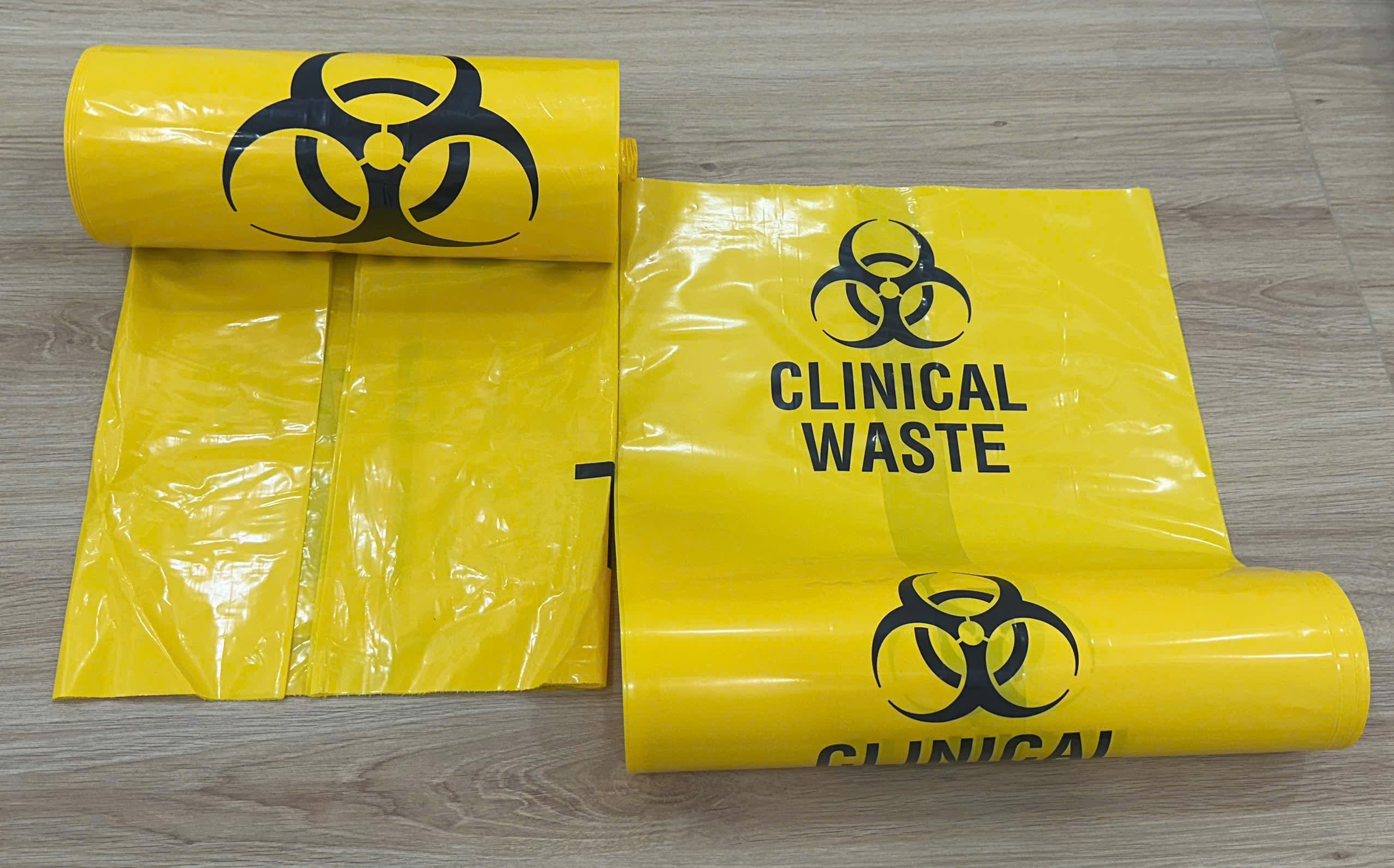
close‑up of a die‑cut plastic bag on a production line, showing the precise cut shape, reinforced handles, and printed logo, with a ruler f…
Key Factors That Determine Die Cut Bag Cost
Material Selection
The base polymer has the biggest impact on price. Common choices include:
- Low‑density polyethylene (LDPE) – flexible, low cost, ideal for lightweight packaging.
- High‑density polyethylene (HDPE) – stronger, more rigid, slightly higher cost.
- Recycled polyethylene – eco‑friendly, price varies with market supply.
- Polypropylene (PP) – high clarity, higher cost, used for premium food bags.
Bag Dimensions and Thickness
Length, width, and wall thickness (measured in mils) scale the material consumption linearly. For example, a 30 cm × 40 cm bag at 2 mil thickness costs roughly 30 % less than the same size at 4 mil.
Quantity (Run Size)
Die‑cutting is a fixed‑cost process; the more bags you order, the lower the per‑unit cost. Typical price breaks:
- 1,000–5,000 bags – baseline pricing.
- 5,001–20,000 bags – 5‑10 % discount.
- 20,001+ bags – 15‑20 % discount.
Printing and Customization
Adding graphics, barcodes, or brand colors introduces setup fees and ink costs. Options include:
- Single‑color flexographic print – low additional cost.
- Full‑color CMYK print – higher cost, especially on recycled material.
- Embossed or debossed logos – premium pricing for tactile branding.
Special Features
Features such as reinforced handles, gussets, or tamper‑evident seals add material and labor, raising the cost by 10‑25 % depending on complexity.
Die Cut Bag Cost Breakdown: Sample Pricing Table
Below is a realistic cost example for a standard 35 cm × 45 cm LDPE die‑cut bag with a single‑color logo, 3 mil thickness, ordered in three volume tiers.
- 1,000–5,000 units: US$0.12 per bag (setup fee $150)
- 5,001–20,000 units: US$0.10 per bag (setup fee $120)
- 20,001+ units: US$0.08 per bag (setup fee $100)
These figures exclude shipping and taxes but illustrate how volume drives down the die cut bag cost.
Decision Checklist: Choosing the Right Die Cut Bag for Your Business
Use this checklist to evaluate options before requesting a quote from VNPLAST.
- Application type: waste collection, food packaging, hazardous material?
- Required strength: standard, reinforced, heavy‑duty?
- Environmental goals: recycled content, single‑use vs. reusable?
- Print needs: brand logo, regulatory markings, barcode?
- Order volume: short run vs. bulk production?
- Budget ceiling: target cost per bag?
- Regulatory compliance: food‑grade, hazardous‑waste standards?
Real‑World Use Cases and Cost Implications
1. Municipal Waste Collection – Refuse Sack Plastic Bag
City councils often need large, durable bags for household waste. A 60 cm × 80 cm HDPE die‑cut bag with reinforced handles costs around US$0.18 per unit at 10,000‑unit volume. Adding a printed municipal logo adds $0.02 per bag.
2. Food Service – Food Plastic Bag with Tamper‑Evident Seal
Restaurants require clear, food‑grade PP bags with a heat‑seal. A 25 cm × 30 cm bag at 2 mil thickness runs about US$0.09 per unit for 15,000 units. The seal mechanism adds $0.01 per bag.
3. Hazardous Waste – Hazardous Plastic Garbage Bag
Industrial sites need chemically resistant bags. Using a 50 cm × 70 cm HDPE bag with a double‑layer construction pushes cost to US$0.25 per unit at 5,000 units, but safety compliance outweighs price concerns.
How to Reduce Die Cut Bag Cost Without Sacrificing Quality
- Standardize sizes: Limit the number of unique dimensions to reduce die‑cutting setups.
- Opt for recycled material: Recycled LDPE often costs 5‑10 % less than virgin polymer.
- Consolidate printing: Use a single‑color design across multiple product lines.
- Increase order volume: Combine orders for different departments to hit higher discount tiers.
- Negotiate setup fees: Long‑term contracts can lower or waive die‑cut setup charges.
FAQ – Die Cut Bag Cost
What is the average die cut bag cost for a 30 cm × 40 cm LDPE bag?
For a 3 mil LDPE bag printed with a single‑color logo, the average cost ranges from US$0.10 to US$0.14 per bag, depending on order volume.
Does using recycled plastic increase or decrease the cost?
Recycled polyethylene typically reduces material cost by 5‑10 %, but price fluctuations can occur based on supply chain availability.
How much does a custom die‑cut shape add to the price?
Custom die shapes incur a one‑time tooling fee (usually $100‑$250). Once the die is created, the per‑bag cost increase is minimal, often under $0.01.
Are there cost benefits to ordering larger quantities?
Yes. Bulk orders lower both material and labor per unit. Discounts of 15‑20 % are common for orders exceeding 20,000 bags.
Can I get a sample before committing to a large order?
VNPLAST offers low‑cost prototypes (typically $0.30‑$0.50 each) so you can evaluate material feel, cut precision, and print quality before scaling up.
Conclusion
Understanding the variables that affect die cut bag cost empowers you to make informed purchasing decisions. By evaluating material type, bag dimensions, print requirements, and order volume, you can balance cost with performance. VNPLAST’s expertise in plastic bag manufacturing—including Hand Stretch Film, Recycle Plastic bag, and Hazardous Plastic Garbage solutions—means you have a reliable partner for both small‑run prototypes and large‑scale production. Use the checklist above to align your needs with the most cost‑effective option, and request a tailored quote to see exact pricing for your specific use case.