Businesses across Vietnam are searching for a reliable plastic waste recycling program that reduces landfill costs, meets regulatory standards, and supports sustainability goals. In the first 120 words, this guide explains what a plastic waste recycling program entails, why it matters, and how VNPLAST’s proven framework can help you turn discarded plastic bags, Hand Stretch Film, and other polymer waste into valuable resources.
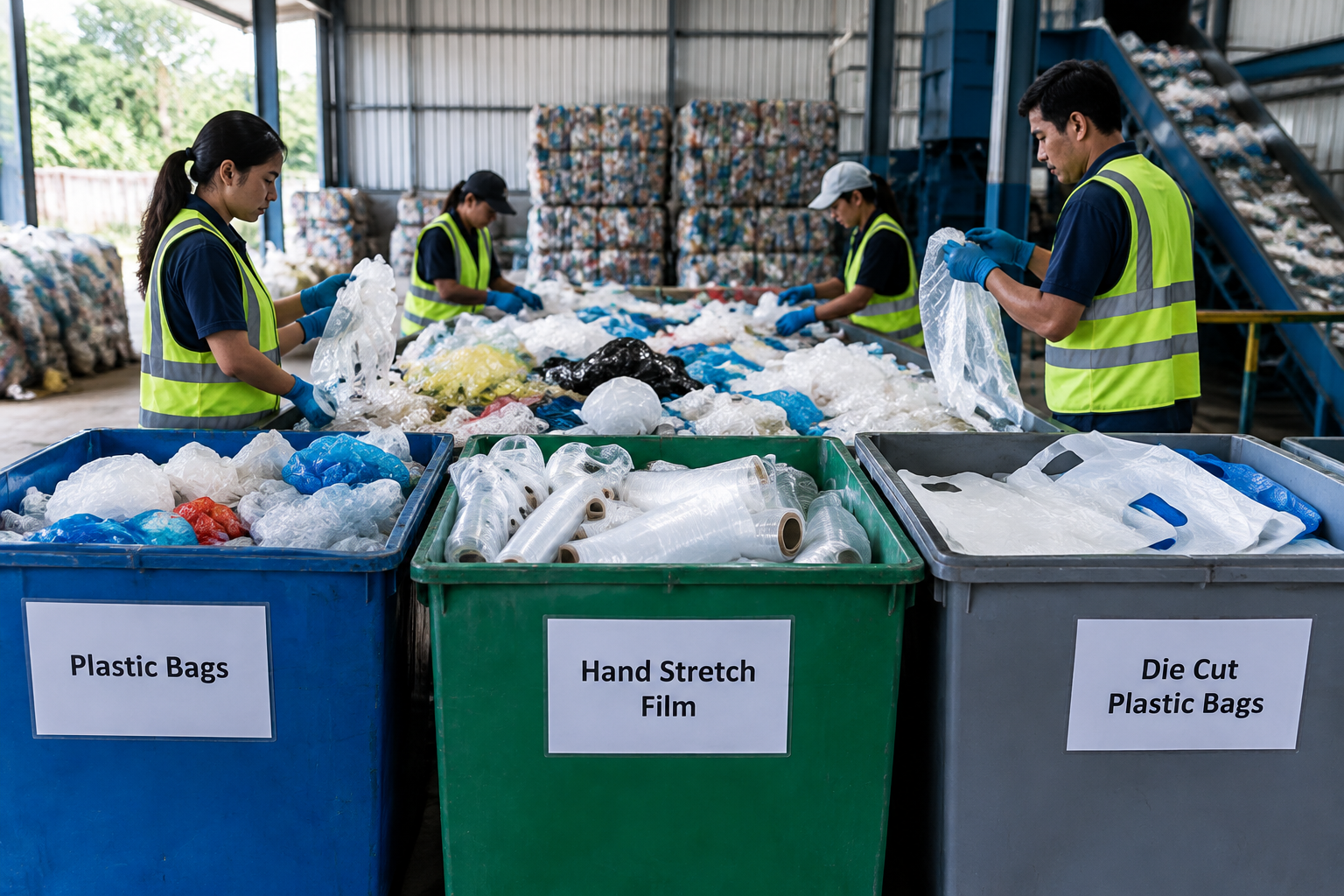
a community recycling center with bins labeled for plastic bags, Hand Stretch Film, and die cut plastic bags, workers sorting plastic waste
What Is a Plastic Waste Recycling Program?
A plastic waste recycling program is a structured process that collects, sorts, cleans, and reprocesses plastic materials into new products. It typically includes:
- Collection points for specific plastic types such as plastic bags, hazardous plastic garbage, and refuse sack plastic bags.
- Sorting and segregation to separate clean plastics from contaminated loads.
- Processing using shredders, washers, and extrusion equipment to create recycled feedstock.
- Manufacturing of secondary products like Hand Stretch Film, Block Header Plastic Bag, or Food Plastic Bag.
Why Implement a Plastic Waste Recycling Program?
Companies gain measurable advantages:
- Cost Savings: Lower waste disposal fees and reduced raw‑material purchases.
- Regulatory Compliance: Meet Vietnam’s waste management laws and EU‑type circular‑economy targets.
- Brand Reputation: Demonstrate environmental responsibility to customers and investors.
- Resource Security: Secure a steady supply of recycled plastic for in‑house packaging.
Real‑World Impact: A Case Study
One VNPLAST client, a large food‑processing firm, integrated a recycling loop for its Food Plastic Bag waste. Within 12 months, they reduced landfill volume by 68% and saved US$150,000 on virgin polymer purchases.
Key Components of an Effective Program
1. Clear Material Definition
Identify which plastics you will recycle. Typical categories include:
- Plastic bag (single‑use and reusable)
- Hand Stretch Film
- Die Cut Bag Plastic
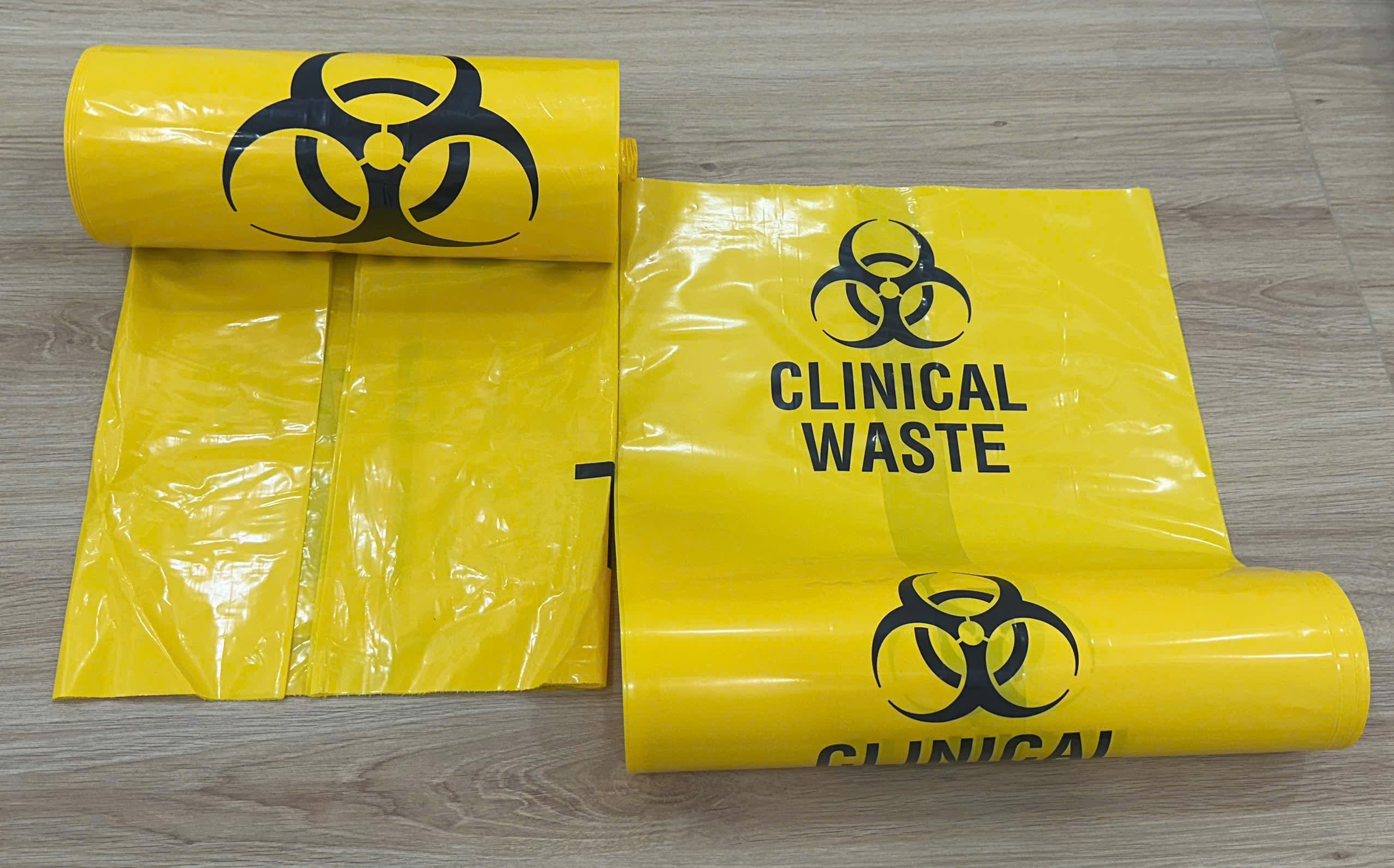
- Hazardous Plastic Garbage
- Garbage Plastic Bag (general waste)
2. Collection Infrastructure
Deploy labeled bins at strategic points—production lines, warehouses, and office areas. Use color‑coded lids (e.g., blue for clean bags, red for hazardous waste) to minimize cross‑contamination.
3. Sorting & Cleaning Protocols
Implement a two‑stage sorting system:
- Manual pre‑sort by trained staff.
- Automated optical sorters for high‑volume facilities.
After sorting, wash the plastics with a biodegradable detergent and dry them to 5% moisture content before processing.
4. Processing Technology
Choose equipment that matches your waste stream:
- Shredders for plastic bags and film.
- Granulators for die‑cut bag fragments.
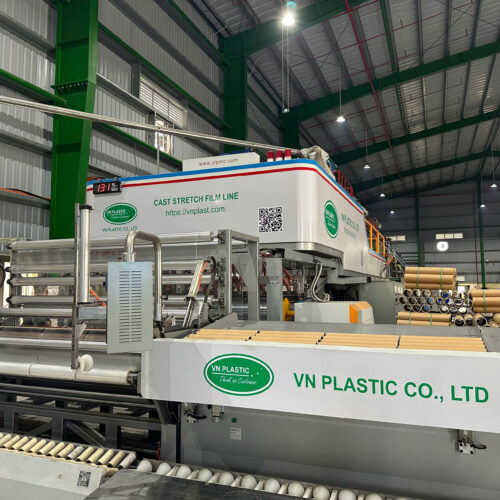
- Extrusion lines for converting granules into new Hand Stretch Film rolls.
5. Quality Assurance
Test the recycled material for tensile strength, melt flow index, and contamination levels. VNPLAST follows ISO 14001 standards to certify recycled feedstock.
How VNPLAST Implements the Program
VNPLAST leverages its existing product lines to close the loop:
- Recycle Plastic Bag collection points at client sites.
- On‑site Handle Wrap Tool Plastic Bag shredders for rapid size reduction.
- Centralized Block Header Plastic Bag extrusion plant that produces new packaging films.
- Dedicated logistics for transporting hazardous plastic garbage to certified treatment facilities.
By integrating these steps, VNPLAST ensures a seamless transition from waste to new product, reducing both carbon footprint and operational costs.
Decision Checklist: Is a Plastic Waste Recycling Program Right for You?
- Do you generate >5 tons of plastic bag waste per month?
- Is your organization subject to local waste‑diversion regulations?
- Do you have space for collection bins and a sorting area?
- Can you allocate budget for shredding and extrusion equipment, or will you partner with a recycler?
- Is there internal expertise or willingness to train staff on segregation protocols?
If you answered “yes” to most of these, a customized recycling program can deliver ROI within 18‑24 months.
Common Challenges & Practical Solutions
Contamination
Solution: Use clear signage and conduct quarterly training. Implement a “no‑food‑residue” rule for bags destined for recycling.
Insufficient Volume
Solution: Aggregate waste with neighboring businesses through a shared collection service. VNPLAST offers a regional pooling network for small to medium enterprises.
Cost of Equipment
Solution: Consider leasing shredders or using a contract‑recycling model where VNPLAST processes your waste for a per‑ton fee.
Frequently Asked Questions
What types of plastic can be recycled in a typical program?
Most low‑density polyethylene (LDPE) items such as plastic bags, Hand Stretch Film, and die‑cut bag plastic are recyclable. Hazardous plastic garbage requires special handling and may be processed separately.
How long does it take to see financial benefits?
With proper volume and efficient sorting, cost savings usually appear within 12‑18 months, driven by reduced disposal fees and lower purchase price for virgin polymer.
Is it necessary to have an on‑site shredder?
On‑site shredding speeds up the process and reduces transport weight, but many companies successfully outsource shredding to a local recycler.
Can recycled plastic meet food‑grade standards?
Yes, if the recycling process includes thorough cleaning and meets FDA or EU food‑contact regulations. VNPLAST’s Food Plastic Bag line is certified for such use.
What regulatory permits are required?
In Vietnam, you need a Waste Management Permit from the Ministry of Natural Resources and Environment, plus any local municipality approvals for collection points.
Conclusion
Implementing a well‑designed plastic waste recycling program transforms a cost center into a strategic asset. By defining clear material streams, investing in appropriate collection and processing infrastructure, and partnering with experts like VNPLAST, businesses can achieve regulatory compliance, lower expenses, and strengthen their sustainability brand. Start with the checklist above, address common challenges early, and watch your recycled plastic feedstock turn waste into profit.