When it comes to managing refuse efficiently, a plastic waste sack is the most practical solution for industrial, commercial, and residential settings. These sacks are designed to contain, transport, and protect waste while minimizing spillage and contamination. Selecting the proper type—whether a heavy‑duty garbage plastic bag for construction debris or a recyclable plastic bag for office waste—directly impacts cost, safety, and environmental compliance. Below we break down the key factors, real‑world applications, and buying tips so you can make an informed decision within minutes.
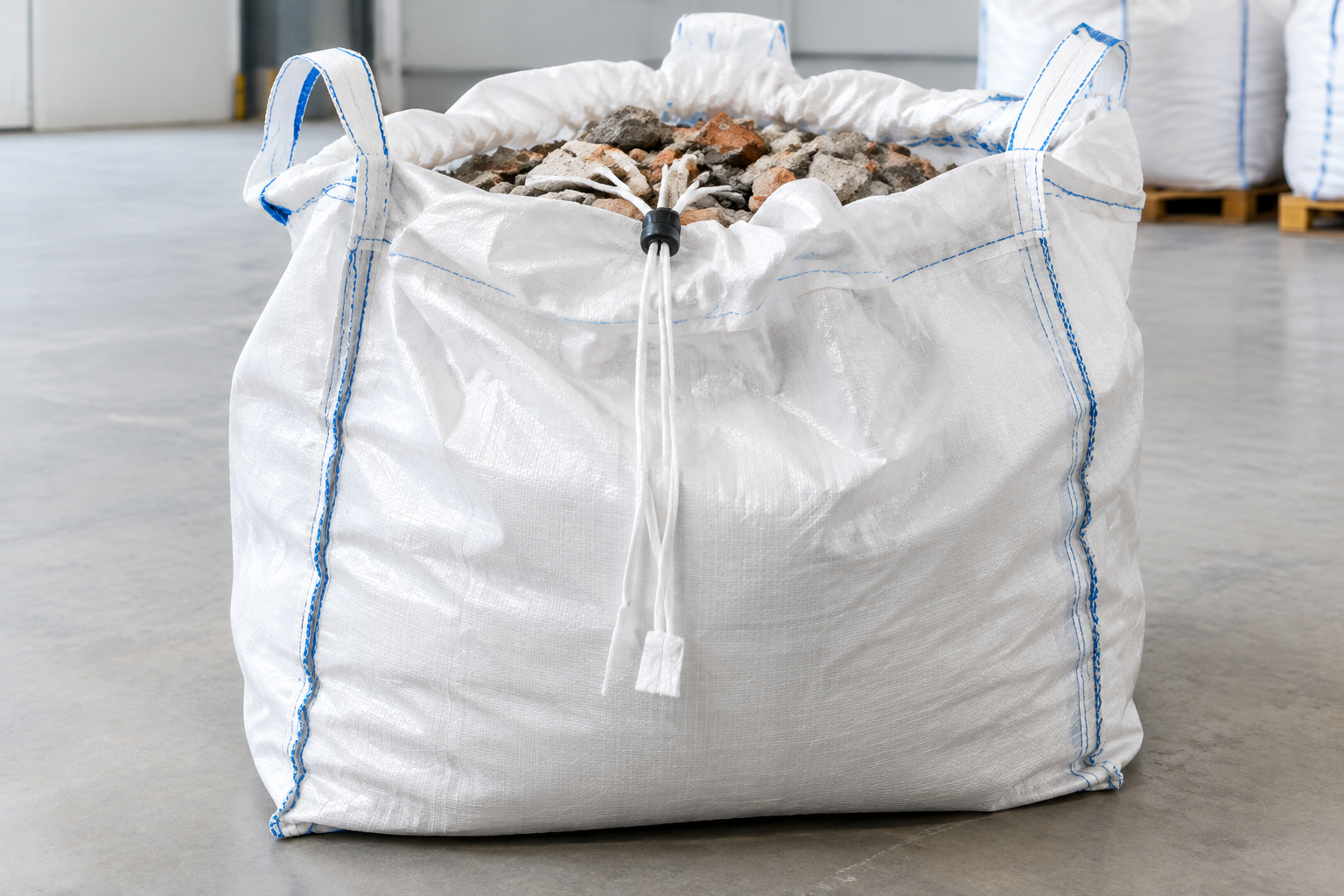
Close‑up of a high‑strength plastic waste sack filled with mixed construction debris, showing the reinforced seams, thick gauge material, a…
What Is a Plastic Waste Sack and How Does It Differ From Other Bags?
A plastic waste sack is a purpose‑built container made from polyethylene (PE) or polypropylene (PP) specifically engineered to hold solid or liquid waste. Unlike standard plastic bag liners used for groceries, waste sacks feature:
- Thicker gauge (usually 30 µm to 120 µm) for puncture resistance.
- Reinforced seams such as heat‑seal or ultrasonic welds.
- Specialized closures like drawstrings, twist ties, or zip locks.
- Color coding for hazardous vs. non‑hazardous waste segregation.
Key Decision Factors When Selecting a Plastic Waste Sack
1. Load Type and Weight Capacity
Identify the typical waste you’ll be handling:
- Heavy construction debris – choose a sack with a minimum 120 µm thickness and reinforced sidewalls.
- Organic or food waste – a lighter 30‑50 µm bag with moisture‑resistant coating works well.
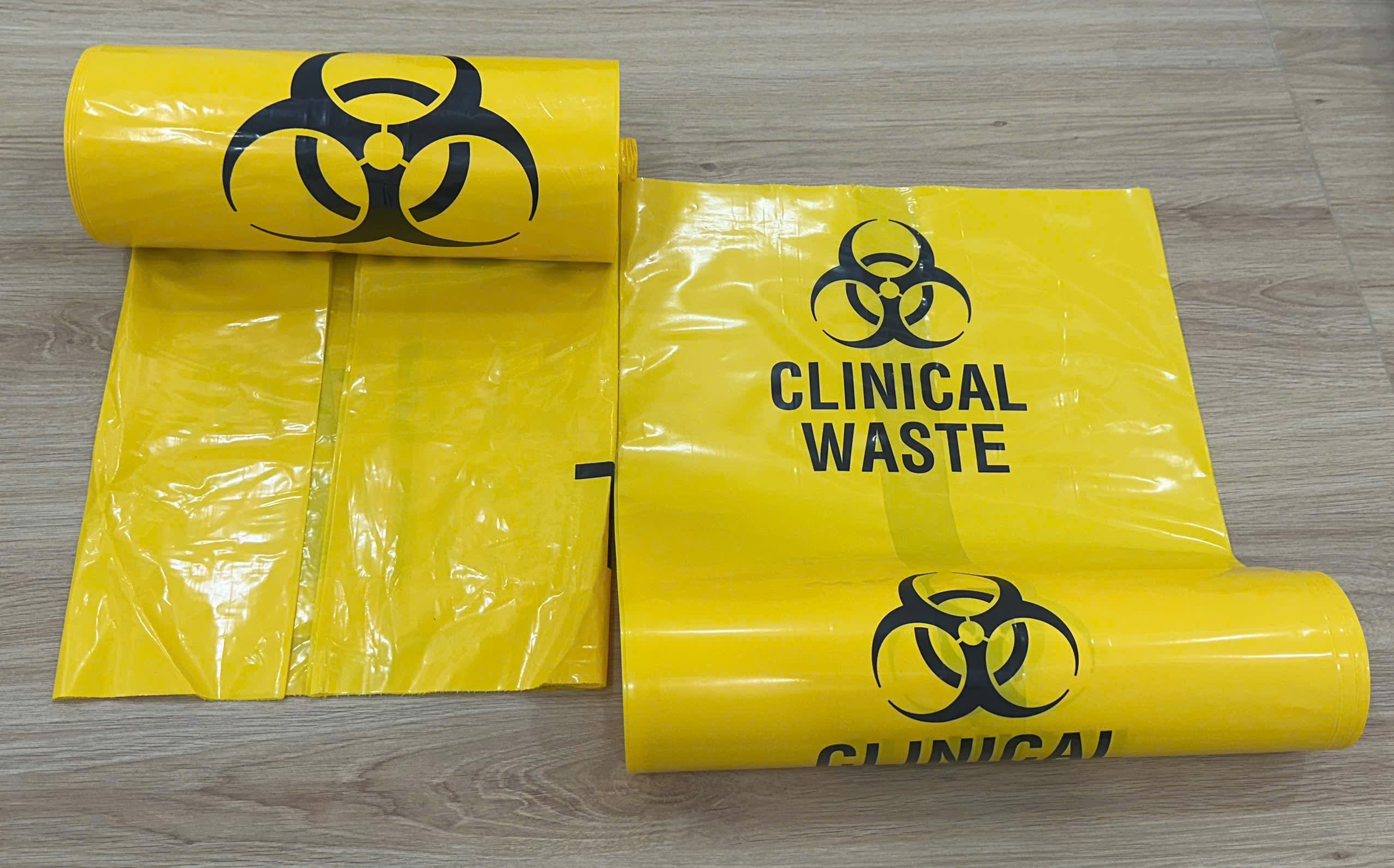
- Hazardous chemicals – opt for a certified hazardous plastic garbage sack with leak‑proof liners.
2. Size and Volume
Standard dimensions range from 30 L to 200 L. Match the sack size to your container (e.g., 120 L for a typical 120‑liter wheelie bin) to avoid over‑filling and tearing.
3. Material Compatibility
Consider the interaction between waste and bag material:
- PE (Low‑Density Polyethylene) – flexible, ideal for general waste.
- PP (Polypropylene) – higher temperature resistance, suitable for hot waste streams.
- Recycled plastic bag – eco‑friendly option for non‑hazardous waste.
4. Regulatory Compliance
For hazardous waste, ensure the sack meets local environmental regulations (e.g., ISO 9001, OSHA). Look for certifications printed on the bag or provided by the supplier.
Real‑World Use Cases
Industrial Manufacturing
Manufacturers often use hand stretch film in conjunction with a sturdy plastic waste sack to bundle scrap metal before disposal. The sack’s strength prevents tears during handling, while the stretch film adds an extra layer of containment.
Food Processing Plants
Food plastic bags are employed as inner liners inside larger refuse sacks to keep food residues separate, facilitating easier recycling and reducing odor.
Construction Sites
Construction crews rely on die cut bag plastic waste sacks with pre‑punched holes for quick hanging on scaffold frames. These bags can hold heavy concrete fragments without ripping.
Pros and Cons of Common Plastic Waste Sack Types
| Type | Pros | Cons |
|---|---|---|
| Standard PE Waste Sack | Cost‑effective, flexible, widely available | Limited heat resistance, not suitable for hazardous waste |
| PP Heavy‑Duty Sack | High temperature tolerance, strong puncture resistance | Higher price, less stretch |
| Recycled Plastic Bag | Eco‑friendly, reduces landfill impact | May have lower tensile strength, variable quality |
| Hazardous Plastic Garbage Sack | Leak‑proof, meets safety standards | Expensive, requires proper disposal tracking |
Checklist: Selecting the Ideal Plastic Waste Sack for Your Operation
- Determine waste type (general, organic, hazardous).
- Measure the container volume and select matching sack size.
- Verify material gauge (≥30 µm for light waste, ≥80 µm for heavy waste).
- Check for reinforced seams or double‑layer construction.
- Confirm compliance certifications if handling hazardous waste.
- Consider eco‑options like recycled plastic bags where appropriate.
- Review supplier reliability—look for brands like VNPLAST with proven track records.
How to Properly Use and Dispose of Plastic Waste Sacks
- Load correctly: Fill the sack no more than 80% of its capacity to avoid over‑stress.
- Seal securely: Use the built‑in drawstring or zip lock to prevent spillage.
- Label hazardous bags: Apply clear markings indicating the waste type.
- Transport safely: Use trolleys or carts designed for the sack’s weight.
- Dispose according to local regulations: Separate recyclable bags from landfill‑bound waste.
Comparing Plastic Waste Sacks to Alternative Solutions
While metal bins and biodegradable bags are alternatives, plastic waste sacks remain the most versatile and cost‑effective for most businesses. Metal bins offer durability but lack the flexibility to fit irregular waste shapes, and biodegradable bags often lack the strength needed for heavy loads.
Frequently Asked Questions
What thickness is recommended for a 120 L industrial waste sack?
A minimum of 80 µm is recommended for general industrial waste, while 120 µm is advisable for heavy construction debris.
Can I reuse a plastic waste sack?
Reusing is possible if the sack remains intact, free of tears, and not contaminated with hazardous material. Always inspect before each use.
Are recycled plastic waste sacks as strong as virgin‑material sacks?
Modern recycled bags can match the strength of virgin PE when they meet the same gauge specifications, but quality can vary between manufacturers.
How do I dispose of hazardous plastic garbage bags?
Follow local hazardous waste regulations: seal the bag, label it clearly, and arrange for collection by a licensed hazardous waste handler.
What is the environmental impact of using plastic waste sacks?
When sourced responsibly (e.g., from recycled content) and disposed of correctly, the environmental impact is lower than single‑use alternatives. Choosing reusable, high‑durability sacks further reduces waste.
Conclusion
Choosing the right plastic waste sack hinges on understanding your waste profile, load requirements, and regulatory landscape. By evaluating material thickness, seam reinforcement, size, and compliance, you can select a sack that maximizes safety, reduces costs, and aligns with sustainability goals. VNPLAST offers a full range of options—from standard garbage plastic bags to specialized hazardous plastic garbage sacks—ensuring you find the perfect fit for any application.