Businesses and municipalities alike are asking, “How does the plastic bag recycling process work?” In the first 120 words, we’ll answer that question: it begins with systematic collection, moves through sorting, cleaning, shredding, and extrusion, and ends with high‑quality recycled pellets that can be turned into new products such as hand stretch film, die‑cut bags, or hazardous waste containers. Understanding each step helps you choose the right recycling partner, meet regulatory standards, and close the loop on waste plastic bags.
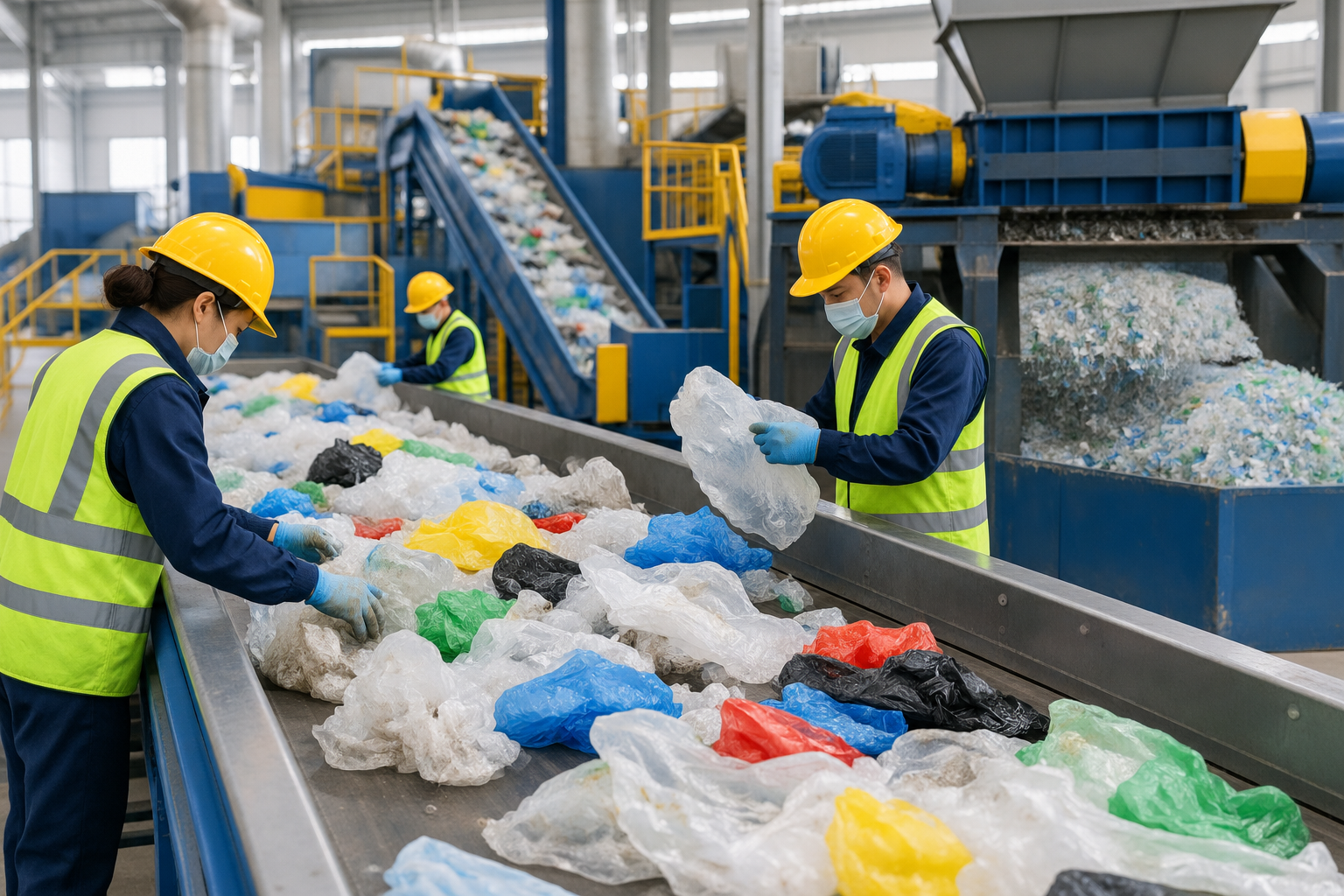
A bustling recycling facility with conveyor belts sorting transparent and colored plastic bags, workers in safety gear inspecting bags, and…
Why Understanding the Plastic Bag Recycling Process Matters
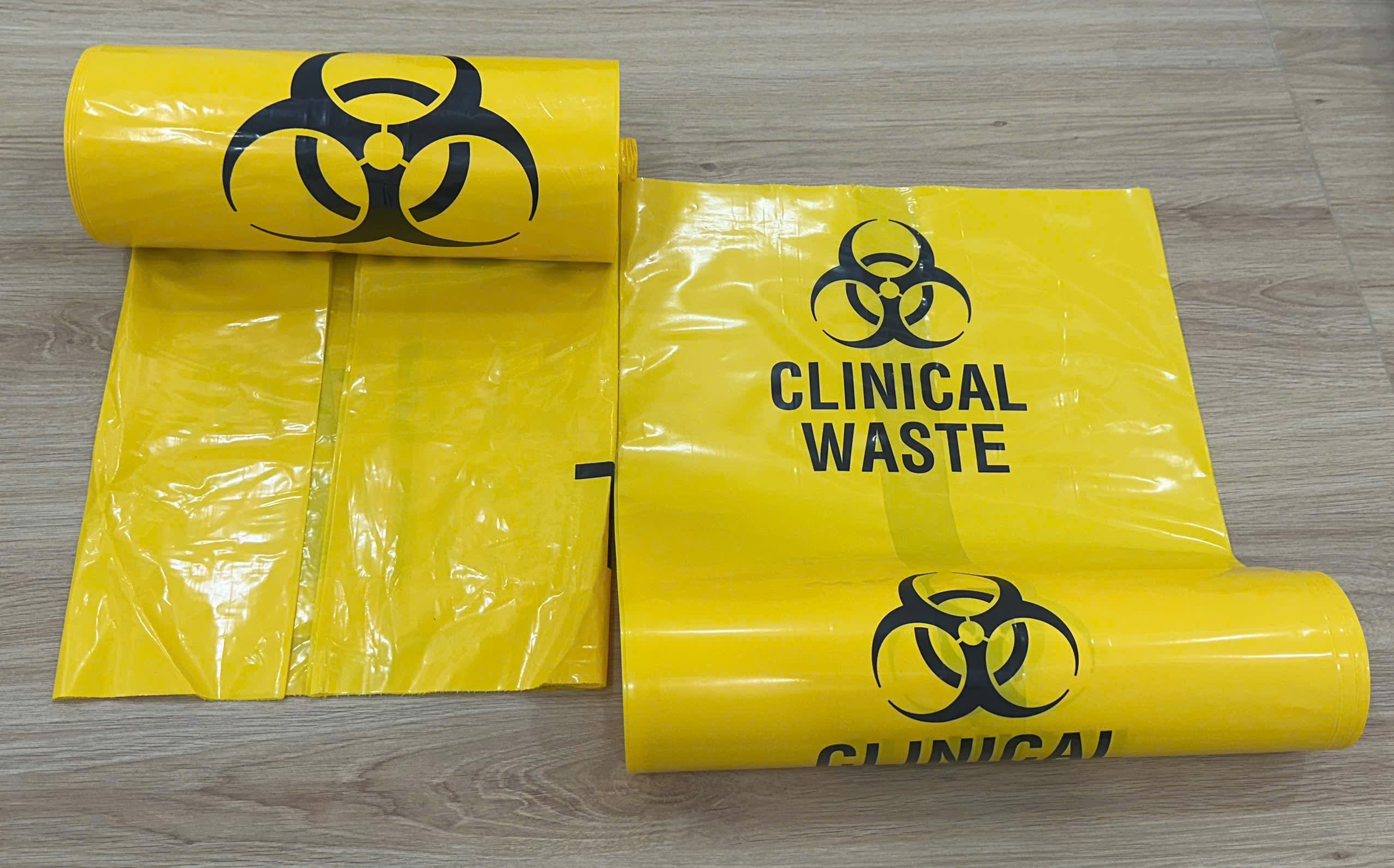
Plastic bags—whether they are refuse sack plastic bags, food plastic bags, or hazardous plastic garbage bags—pose unique challenges due to their thin walls, varied polymers, and contamination risk. A transparent, step‑by‑step process ensures maximum material recovery, reduces landfill pressure, and creates valuable feedstock for products like hand stretch film and block header plastic bags. Below we break down each phase with the detail needed for operational decision‑making.
Step‑by‑Step Overview of the Plastic Bag Recycling Process
1. Collection and Pre‑Sorting
Effective collection starts at the source:
- Source segregation: Separate clean, dry bags from contaminated waste (food residue, oil, or chemicals).
- Drop‑off points: Designated bins for “plastic bag only” improve purity.
- Transport logistics: Use sealed containers to prevent bag blow‑outs during transit.
Pre‑sorting at the facility uses optical sorters and manual inspection to separate polyethylene (PE) from other polymers like polypropylene (PP) that may be mixed in specialty bags.
2. Washing and Drying
Cleaning removes organic matter and adhesives:
- Hot water wash: 60‑70 °C water with mild detergents breaks down food residues.
- Air‑assisted drying: High‑velocity air streams reduce moisture to <5 % before shredding.
For hazardous plastic garbage, an additional chemical wash step neutralizes contaminants, ensuring worker safety and downstream equipment longevity.
3. Shredding and Granulation
Shredders cut the bags into uniform flakes (5‑10 mm). Key considerations:
- Blade configuration: Adjustable knives handle varying thicknesses from thin grocery bags to robust refuse sacks.
- Static control: Anti‑static measures prevent cling‑up of low‑density polyethylene (LDPE) flakes.
The resulting granules are screened to remove oversized pieces and foreign objects.
4. Extrusion and Pelletizing
Clean flakes are melted in an extruder, filtered, and re‑extruded into uniform pellets:
- Temperature control: 180‑210 °C for LDPE, 190‑230 °C for high‑density polyethylene (HDPE).
- De‑gassing: Vacuum chambers eliminate trapped gases and odors.
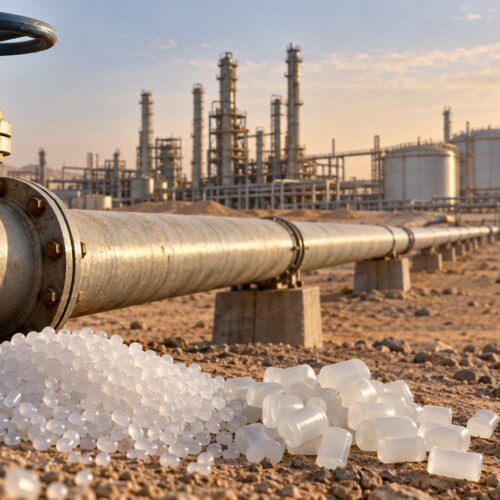
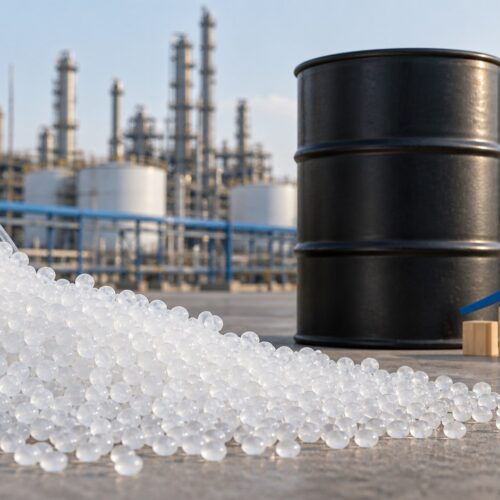
- Pellet size: Typical 2‑5 mm diameter, ready for downstream molding or film blowing.
These recycled pellets retain up to 95 % of the original polymer strength, making them suitable for high‑performance applications.
5. End‑Use Manufacturing
Recycled pellets feed directly into production lines for:
- Hand stretch film: Durable, low‑cost wrapping material for pallets.
- Die cut bag plastic: Custom‑shaped bags for retail or industrial use.
- Handle wrap tool plastic bags: Reinforced bags with integrated handles for heavy loads.
- Block header plastic bags: Rigid containers for construction materials.
Companies like VNPLAST integrate these recycled inputs into their product portfolio, reducing raw‑material costs and carbon footprint.
Decision Checklist for Choosing a Recycling Partner
Use this checklist to evaluate potential recyclers and ensure they meet your quality, compliance, and sustainability goals:
- Certification: ISO 14001 environmental management and R2 (Responsible Recycling) certification.
- Material acceptance: Ability to process the specific types of plastic bags you generate (e.g., food, hazardous, refuse sacks).
- Contamination tolerance: Maximum allowable impurity level (typically <2 % for food‑grade recycled resin).
- Processing capacity: Minimum throughput that matches your volume (e.g., 10‑50 tons per month).
- Traceability: Batch tracking from collection to pellet output.
- Reporting: Regular sustainability reports with metrics such as CO₂e saved and diversion rate.
- Location: Proximity to your facilities to reduce transportation emissions.
Pros and Cons of Recycling Different Plastic Bag Types
| Bag Type | Pros of Recycling | Cons / Challenges |
|---|---|---|
| Food Plastic Bag | High demand for food‑grade recycled resin; reduces landfill odor. | Requires strict hygiene washing; potential for cross‑contamination. |
| Hand Stretch Film | Closed‑loop use; same polymer family simplifies extrusion. | Thin gauge can tear during handling; needs careful shredding. |
| Hazardous Plastic Garbage | Turns dangerous waste into safe, usable material. | Additional chemical treatment; higher processing cost. |
| Die Cut Bag Plastic | Custom shapes increase market value of recycled output. | Mixed polymers (PE/PP blends) may need separate streams. |
Real‑World Use Cases Demonstrating the Plastic Bag Recycling Process
Manufacturers across Southeast Asia are leveraging recycled plastic bags to cut costs and meet ESG targets. For example, a regional food distributor partnered with VNPLAST to convert 500 tons of used grocery bags into hand stretch film, achieving a 30 % reduction in virgin resin purchase. Another case involved a construction firm that supplied its waste refuse sacks to a recycling plant, which then produced block header plastic bags for the same firm’s site‑cleanup operations.
Frequently Asked Questions
- What types of plastic bags can be recycled? Most single‑layer polyethylene bags (LDPE, HDPE) are recyclable. Multi‑layer or laminated bags need specialized facilities.
- How long does the recycling process take? From collection to pellet output, the cycle typically takes 2‑4 days, depending on volume and cleaning requirements.
- Is recycled plastic bag material safe for food contact? Yes, if the recycler follows food‑grade standards (e.g., FDA 21 CFR 177.1520) and provides a compliance certificate.
- What is the typical yield from raw bags to usable pellets? Yield ranges from 70 % to 85 % after accounting for contaminants and material loss during shredding.
- Can hazardous plastic garbage be mixed with regular bags? No. Hazardous waste must be segregated and processed with additional safety protocols to avoid cross‑contamination.
Conclusion
The plastic bag recycling process is a proven, multi‑stage system that transforms discarded bags—whether they are refuse sacks, food bags, or hazardous containers—into high‑value recycled resin. By mastering each step, from meticulous collection to precise extrusion, businesses can secure a reliable supply of sustainable material, lower operating costs, and demonstrate genuine environmental stewardship. Partner with a certified recycler like VNPLAST, use the decision checklist above, and turn your plastic bag waste into a competitive advantage.