Businesses and consumers are increasingly searching for biodegradable plastic bag solutions that reduce environmental impact without sacrificing performance. A biodegradable plastic bag breaks down naturally under specific conditions, turning into water, carbon dioxide, and biomass within months rather than centuries. This article explains how these bags work, compares them to traditional polyethylene bags, outlines key decision factors, and provides a practical checklist for selecting the right product for your operation.
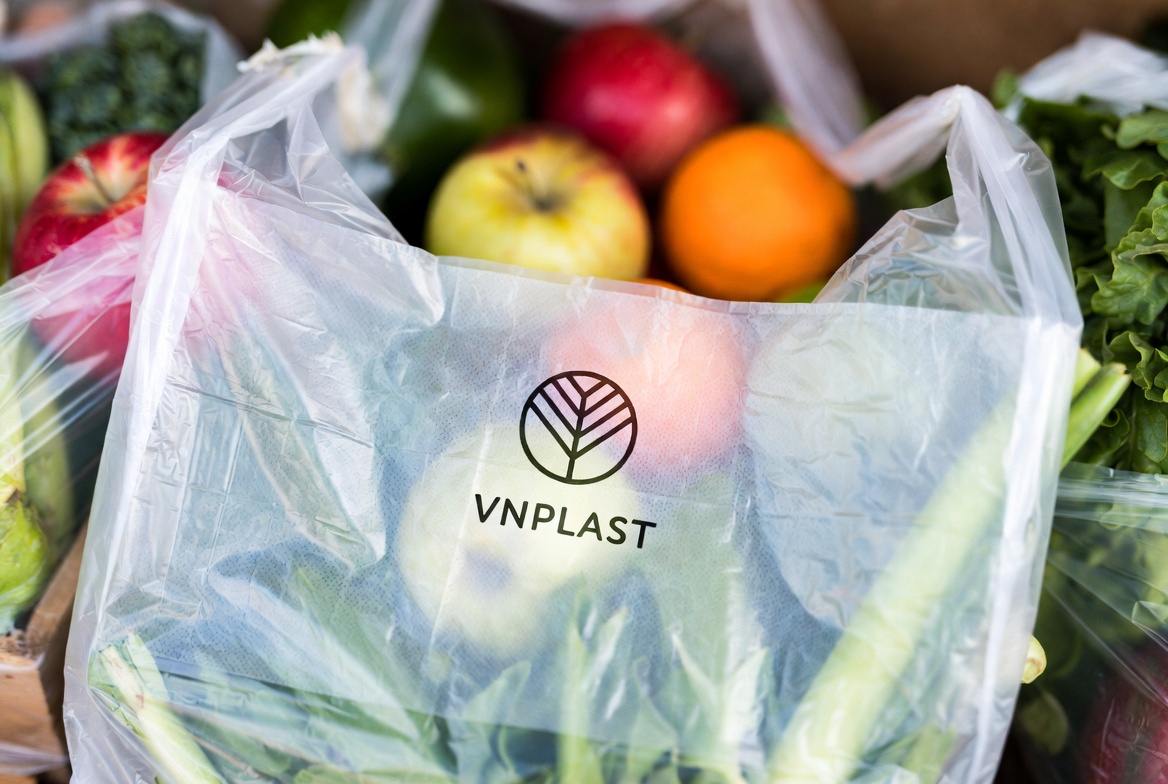
a close‑up of a clear biodegradable plastic grocery bag filled with fresh produce, showing the bag’s texture and the brand logo of VNPLAST
How Biodegradable Plastic Bags Work
Biodegradable bags are typically made from a blend of fossil‑based polymers (like low‑density polyethylene) and bio‑based additives such as starch, polyhydroxyalkanoates (PHA), or polylactic acid (PLA). The bio‑components act as triggers that enable microbial activity, allowing the bag to decompose when exposed to heat, moisture, and oxygen.
Key Material Types
- Starch‑Blended Polyethylene: Combines conventional PE with plant‑derived starch, offering familiar strength and flexibility.
- Polyhydroxyalkanoates (PHA): Fully bio‑based polymer that degrades in soil, compost, and marine environments.
- Polylactic Acid (PLA): Derived from fermented corn sugar; degrades best in industrial composting facilities.
Why Choose a Biodegradable Plastic Bag Over Conventional Plastic?
Traditional plastic bags can persist for 400–1,000 years, contributing to landfill overflow and marine pollution. Biodegradable alternatives provide a clear environmental advantage when managed correctly.
Benefits
- Reduced Carbon Footprint: Bio‑based content captures CO₂ during plant growth.
- Compostability: Certified bags meet ASTM D6400 or EN 13432 standards for industrial composting.
- Regulatory Compliance: Many regions now mandate a percentage of biodegradable packaging.
Limitations
- Decomposition Conditions: Most bags require industrial composting; they may not break down in a home backyard.
- Cost: Typically 10‑30 % higher than standard PE bags.
- Performance Trade‑offs: Some blends have lower tear resistance compared to pure polyethylene.
Decision‑Making Checklist for Purchasing Biodegradable Plastic Bags
Use this checklist to evaluate suppliers and select the bag that aligns with your operational needs.
- Intended Use: Grocery, food service, hazardous waste, or industrial packaging?
- Regulatory Requirements: Does your market require compostable certification (ASTM D6400, EN 13432) or specific labeling?
- Decomposition Environment: Will the bags enter industrial compost, landfill, or marine settings?
- Load & Strength Needs: Assess tear strength, puncture resistance, and load capacity—especially for heavy items like refuse sack plastic bag applications.
- Cost per Unit: Compare price points against traditional plastic and alternative materials such as paper.
- Supplier Transparency: Look for detailed material data sheets, third‑party test results, and traceability of bio‑content.
- End‑of‑Life Options: Confirm whether the supplier offers take‑back or recycling programs for their biodegradable bags.
Real‑World Use Cases
Understanding how biodegradable bags perform in specific scenarios helps you gauge suitability.
Retail Grocery Stores
VNPLAST’s biodegradable food plastic bag is designed for fresh produce. The bag’s starch‑blend maintains the elasticity needed for high‑volume checkout while meeting compostable standards, allowing stores to divert waste from landfill.
Industrial Waste Management
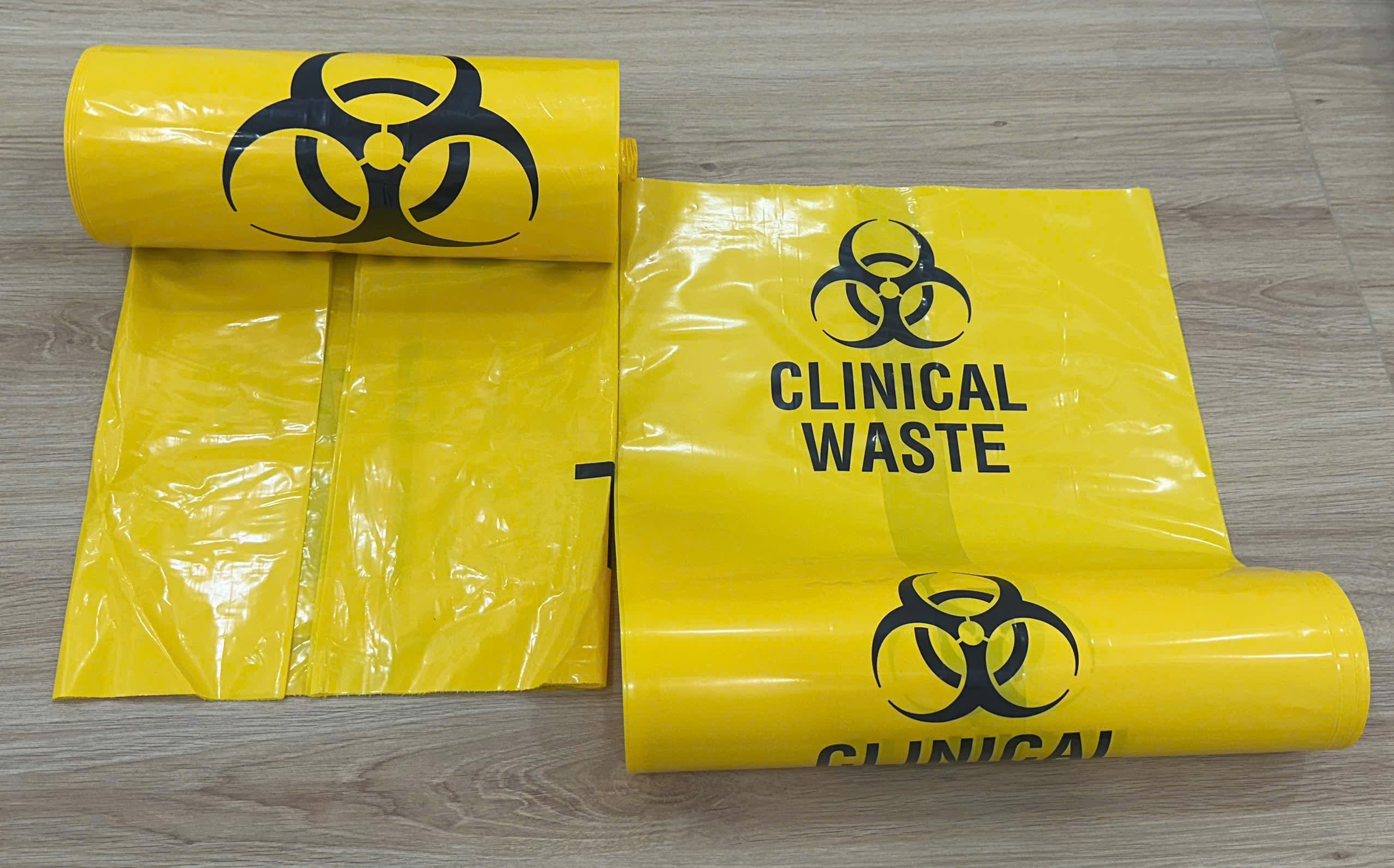
For hazardous plastic garbage, a biodegradable refuse sack plastic bag can contain spills while ensuring that, after use, the bag breaks down in a controlled composting environment, reducing long‑term contamination risk.
E‑Commerce Shipping
Hand Stretch Film and Die Cut Bag Plastic alternatives made from biodegradable polymers protect items during transit and can be recycled with other plastic streams after use, lowering overall waste.
Event Catering
Food service providers use biodegradable food plastic bags for take‑away meals. The bags meet food‑grade regulations and decompose quickly when placed in commercial compost bins, supporting zero‑waste event goals.
Comparison: Biodegradable vs. Recycled Plastic Bags
Both options aim to improve sustainability, but they differ in composition and end‑of‑life pathways.
| Feature | Biodegradable Plastic Bag | Recycled Plastic Bag |
|---|---|---|
| Primary Material | PE + bio‑additives (starch, PHA, PLA) | Post‑consumer PE or PP reprocessed |
| Decomposition | Breaks down under composting conditions | Remains stable; can be re‑recycled |
| Carbon Impact | Partially renewable, captures CO₂ | Reduces virgin plastic demand |
| Certification | ASTM D6400, EN 13432 (if compostable) | ISO 14021 recycled content |
| Typical Cost | +$0.02–$0.05 per bag | ±$0.01 per bag |
How to Properly Dispose of Biodegradable Plastic Bags
Improper disposal can negate the environmental benefits. Follow these steps:
- Identify the bag’s certification: Look for compostable symbols and batch numbers.
- Separate from recyclable plastics: Biodegradable bags should not be mixed with traditional recycling streams.
- Use designated compost bins: Industrial facilities provide the temperature (≥55 °C) and moisture needed for rapid degradation.
- Confirm local regulations: Some municipalities accept biodegradable bags in curbside organic collection.
Frequently Asked Questions
What is the difference between “biodegradable” and “compostable”?
All compostable bags are biodegradable, but not all biodegradable bags meet compostable standards. Compostable bags must break down within a specific timeframe (usually 90 days) under industrial composting conditions, whereas biodegradable bags may take longer and can degrade in various environments.
Can biodegradable bags be recycled with regular plastic?
No. Mixing biodegradable bags with conventional PE or PP recycling streams can contaminate the batch, leading to lower‑quality recycled material. Always dispose of them according to the manufacturer’s end‑of‑life guidance.
How long does it take for a biodegradable plastic bag to decompose?
In an industrial composting facility, most certified bags decompose within 60‑90 days. In a landfill, the process can be significantly slower due to limited oxygen and moisture.
Are biodegradable bags safe for food contact?
Yes, when they meet food‑grade certifications (e.g., FDA compliance). VNPLAST’s food plastic bag is formulated to pass migration tests and retain freshness.
Do biodegradable bags work for hazardous waste?
Specialized biodegradable refuse sack plastic bags are engineered with barrier layers to contain hazardous materials while still offering compostable end‑of‑life options, provided the waste is non‑reactive with the bag material.
Conclusion
Choosing a biodegradable plastic bag requires balancing performance, cost, and disposal infrastructure. By evaluating material composition, certification, and real‑world use cases—such as VNPLAST’s food plastic bag, hazardous plastic garbage solutions, and industrial Hand Stretch Film—you can select a product that aligns with sustainability goals and regulatory demands. Implement the disposal guidelines and checklist above to ensure the environmental benefits are fully realized.
FAQ
- What certifications should I look for? ASTM D6400, EN 13432, and ISO 14021 for compostability and recycled content.
- Can I use biodegradable bags for freezer storage? Most starch‑blended bags retain flexibility at low temperatures, but verify the supplier’s freeze‑thaw performance data.
- Do biodegradable bags reduce landfill volume? Yes, when sent to industrial composting, they divert waste from landfills and reduce long‑term plastic accumulation.