Businesses and consumers alike are searching for a reliable plastic bag alternative that reduces waste without compromising functionality. The most effective alternatives combine durability, cost‑efficiency, and environmental compliance, making them suitable replacements for traditional plastic bags, Hand Stretch Film, Die Cut Bag Plastic, and other VNPLAST products. Below you’ll discover the top options, key decision factors, real‑world use cases, and a step‑by‑step checklist to help you transition confidently.
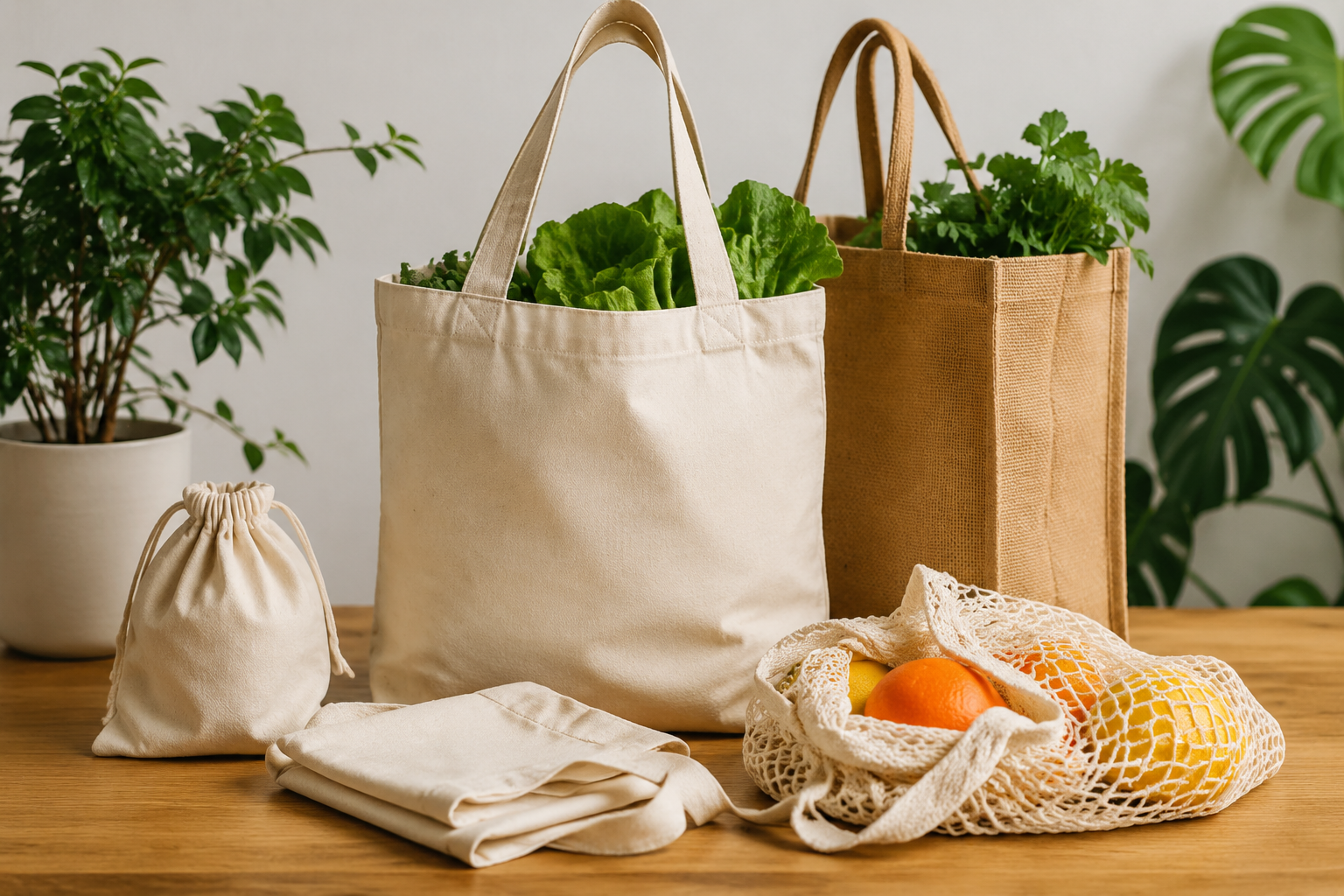
close‑up of a reusable woven polypropylene tote bag filled with groceries, showing the sturdy handles and logo of VNPLAST, positioned on a …
Why Switch to a Plastic Bag Alternative?
Replacing single‑use plastic bags delivers measurable benefits:
- Environmental impact: Cuts landfill volume and marine pollution.
- Regulatory compliance: Meets increasing bans and fees on single‑use plastics.
- Brand reputation: Demonstrates corporate responsibility to customers.
- Cost savings: Reusable options often lower long‑term procurement expenses.
Top Categories of Plastic Bag Alternatives
1. Reusable Woven Polypropylene (PP) Bags
Woven PP bags are strong, washable, and can replace Hand Stretch Film or Die Cut Bag Plastic in many logistics scenarios.
- Load capacity: 20–50 kg per bag.
- Lifespan: 300+ reuse cycles with proper care.
- Recyclability: 100 % recyclable at end‑of‑life.
2. Biodegradable Compostable Bags
Made from plant‑based polymers (PLA, starch blends), these bags decompose in industrial composting facilities within 90 days.
- Ideal for: Food Plastic Bag applications, refuse sack plastic bag.
- Limitations: Not suitable for high‑temperature or heavy‑load uses.
- Certification: ASTM D6400, EN 13432.
3. Recycled PET (rPET) Bags
rPET bags repurpose post‑consumer PET bottles, offering a circular solution for Recycle Plastic bag programs.
- Strength: Comparable to virgin PET.
- Transparency: Clear view of contents, useful for retail.
- Environmental score: 60 % lower carbon footprint than virgin plastic.
4. Paper and Kraft Bags with Reinforced Handles
When a single‑use solution is unavoidable, high‑grade kraft paper with water‑based coating provides a more sustainable choice.
- Compostable: Breaks down in home compost within 6–12 months.
- Strength: Up to 10 kg load, suitable for grocery or small‑item packaging.
- Customization: Printable surface for branding.
Decision Matrix: Selecting the Right Alternative
| Criteria | Woven PP Bag | Compostable PLA Bag | rPET Bag | Kraft Paper Bag |
|---|---|---|---|---|
| Load Capacity | 20‑50 kg | ≤5 kg | 10‑15 kg | ≤10 kg |
| Reuse Cycles | 300+ | 1 (single‑use) | 5‑10 | 1 (single‑use) |
| Cost per Unit (USD) | 0.30‑0.50 | 0.08‑0.12 | 0.15‑0.20 | 0.05‑0.07 |
| Environmental Impact | Low (reusable) | Medium (compostable) | Low‑Medium (recycled) | Medium (single‑use) |
| Regulatory Fit | High | High (where composting exists) | High | Moderate |
Implementation Checklist for Switching to a Plastic Bag Alternative
- Assess load requirements: Match bag strength to product weight.
- Evaluate disposal infrastructure: Ensure composting or recycling facilities are accessible.
- Calculate total cost of ownership (TCO): Include purchase price, cleaning, and end‑of‑life handling.
- Run pilot test: Use a small batch of the chosen alternative for 30‑day trial.
- Gather stakeholder feedback: Employees, logistics partners, and customers.
- Update SOPs and labeling: Reflect new bag handling procedures.
- Train staff: Proper reuse, cleaning, and storage practices.
- Monitor performance metrics: Waste reduction %, cost savings, and compliance.
Real‑World Use Cases
Retail Grocery Chains
Several Asian grocery chains replaced single‑use Food Plastic Bag with reusable woven PP tote bags. The switch reduced bag consumption by 85 % and saved $0.12 per bag in procurement costs.
Industrial Waste Management
Manufacturers of hazardous waste adopted durable Hazardous Plastic Garbage alternatives made from reinforced HDPE that can be reused up to 50 cycles, meeting OSHA regulations while cutting waste disposal fees.
E‑commerce Fulfillment Centers
VNPLAST’s Handle Wrap Tool Plastic Bag was substituted with reusable stretch‑wrap bands made from recycled polypropylene, decreasing packaging material volume by 30 % and improving pallet stability.
Pros and Cons Summary
- Woven PP Bags – Pros: high durability, low long‑term cost, recyclable. Cons: higher upfront price, requires cleaning.
- Compostable PLA Bags – Pros: single‑use convenience, compostable. Cons: limited strength, needs industrial composting.
- rPET Bags – Pros: circular material, clear visibility. Cons: moderate reuse cycles, may yellow over time.
- Kraft Paper Bags – Pros: biodegradable, printable. Cons: lower load capacity, single‑use.
Frequently Asked Questions
What is the most cost‑effective plastic bag alternative for heavy‑duty applications?
Woven polypropylene bags provide the best balance of load capacity, reuse cycles, and per‑unit cost for heavy‑duty needs such as Block Header Plastic Bag replacements.
Can compostable bags be used for food packaging?
Yes, provided the bags meet food‑grade certification (e.g., FDA, EU). They are ideal for fresh produce and bakery items where a short‑life, single‑use solution is required.
How do I ensure my recycled‑PET bags are truly sustainable?
Verify the supplier’s chain‑of‑custody documentation and look for certifications like “Recycled Content Verified” or “ISO 14021”.
Do reusable bags require special cleaning procedures?
Most woven PP bags can be cleaned with mild detergent and air‑dried. For food‑grade applications, follow HACCP‑approved washing protocols.
What regulatory standards should I check before switching?
Review local bans on single‑use plastics, EU Packaging Waste Directive, and any industry‑specific standards such as ASTM D6400 for compostables or ISO 9001 for quality management.
Conclusion
Choosing the right plastic bag alternative hinges on understanding load requirements, disposal infrastructure, and total cost of ownership. By leveraging reusable woven PP bags, compostable PLA options, recycled PET solutions, or reinforced kraft paper, businesses can achieve significant waste reduction while maintaining operational efficiency. Follow the implementation checklist, run a pilot, and monitor key metrics to ensure a smooth transition that aligns with VNPLAST’s sustainability goals.