When you search for a reliable die cut bag manufacturer, you need more than a simple list of suppliers—you need clear criteria, real‑world examples, and practical advice that helps you select a partner who can deliver consistent quality, fast turnaround, and compliance with environmental standards. This guide explains exactly what to look for, why VNPLAST stands out, and how to match the right die‑cut bag type to your business needs.
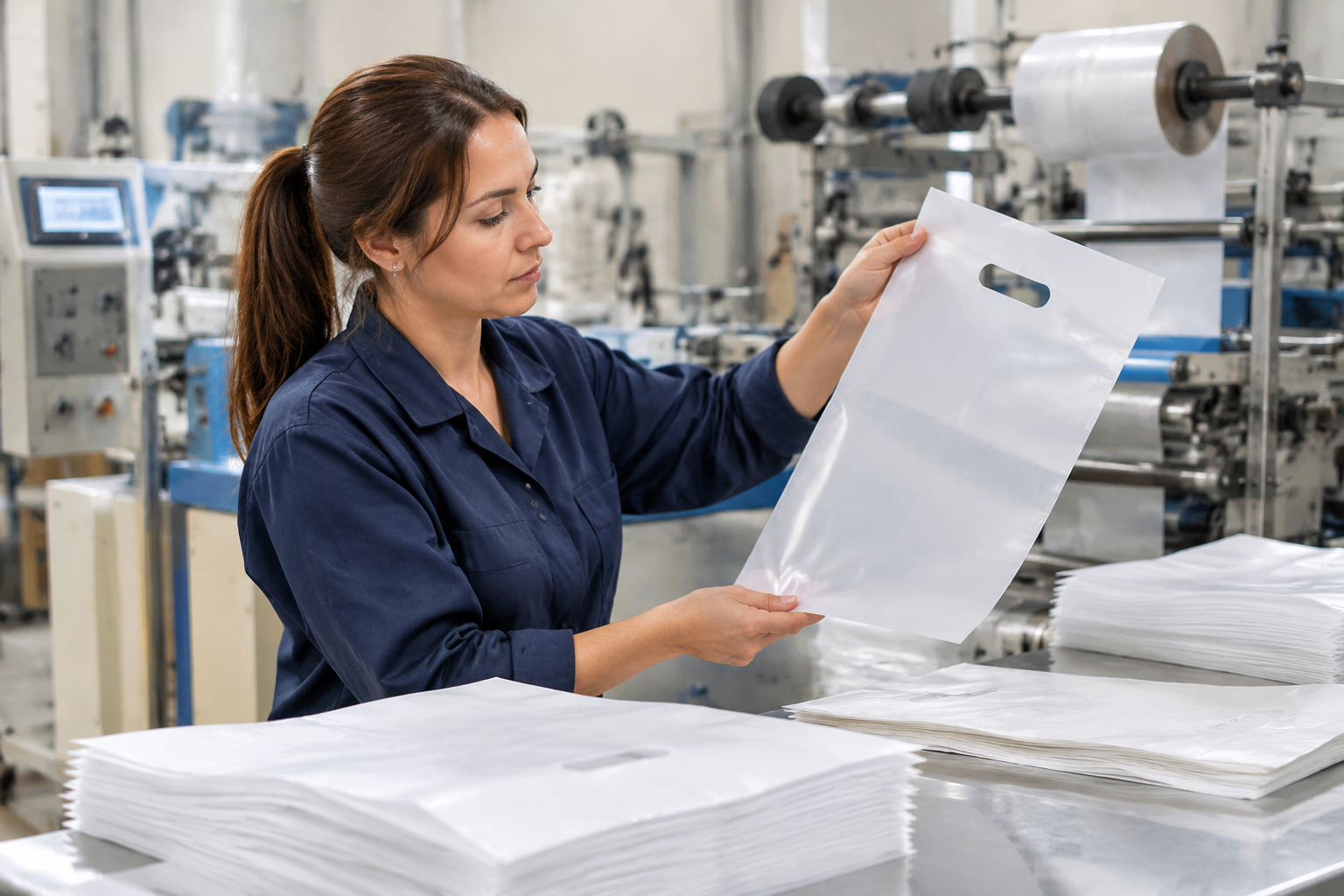
Close‑up of a high‑precision die‑cut plastic bag being produced on a CNC cutting machine, showing the clean cut edges, the transparent film…
What Sets a Top Die Cut Bag Manufacturer Apart?
Not all manufacturers are created equal. Below are the core capabilities you should verify before signing a contract.
- Material expertise: Ability to work with virgin and recycled plastics, including HDPE, LDPE, and biodegradable blends.
- Cutting technology: Use of CNC die‑cutting, laser cutting, or rotary die systems for precise shapes.
- Customization options: Size, thickness, handles, gussets, and printed graphics.
- Quality certifications: ISO 9001, ISO 14001, and compliance with local waste‑management regulations.
- Production scalability: Minimum order quantities (MOQs) that fit startups to large enterprises.
- Environmental stewardship: Availability of recycle‑friendly materials and take‑back programs.
Key Product Types Offered by Die Cut Bag Manufacturers
Standard Plastic Die Cut Bags
These are the workhorses for retail, food service, and industrial packaging. They typically range from 30 µm to 120 µm in thickness and can include features such as:
- Flat or gusseted bottoms for added capacity.
- Printed branding or safety warnings.
- Reinforced handles for heavy loads.
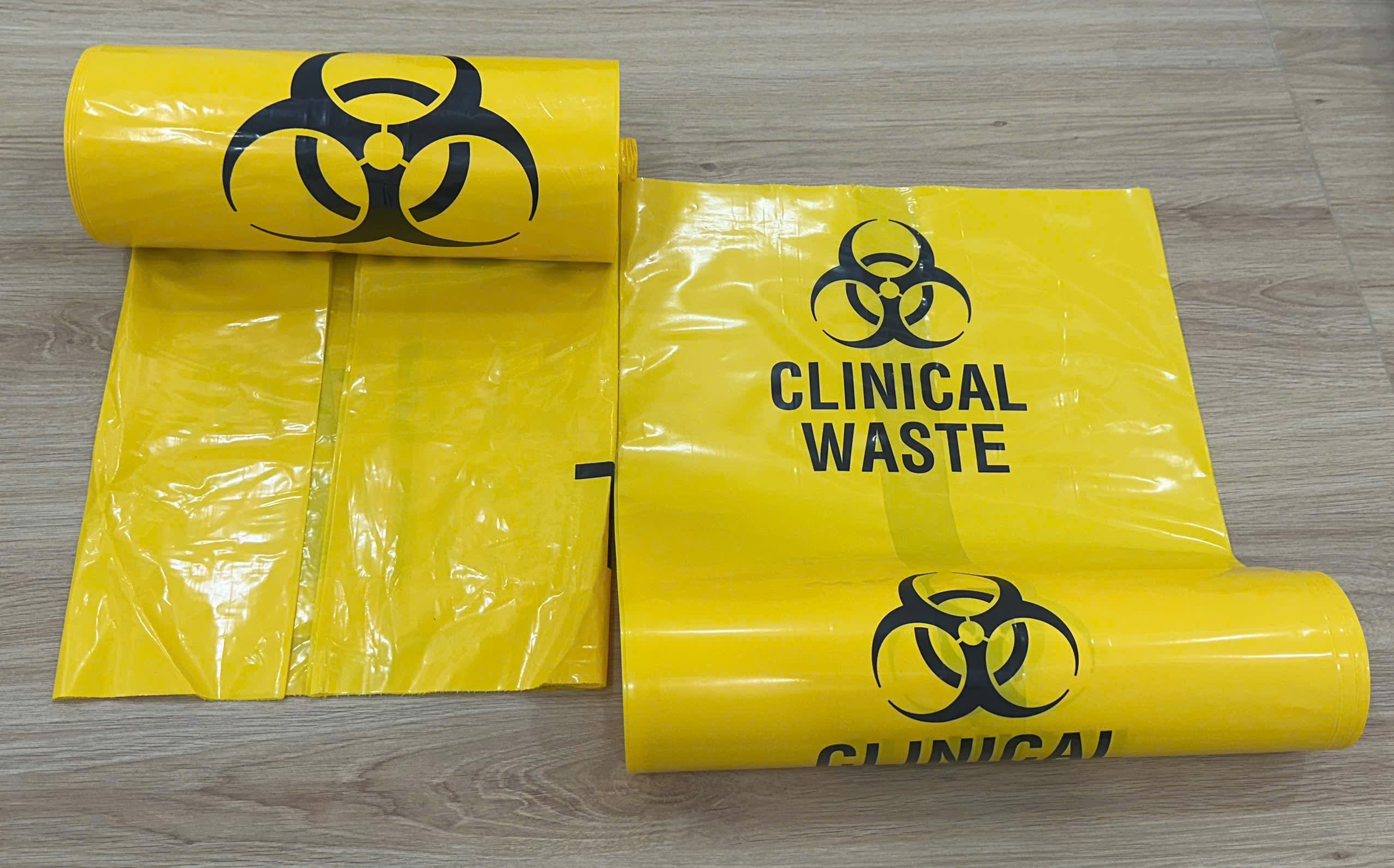
Specialty Bags for Hazardous and Garbage Applications
When dealing with refuse, hazardous waste, or medical waste, you need bags that meet specific regulatory standards. Look for manufacturers that provide:
- High‑density polyethylene (HDPE) with puncture resistance.
- Color‑coded options (e.g., red for hazardous, black for general waste).
- Leak‑proof sealing methods such as heat‑seal or zip‑lock.
Eco‑Friendly Recycled Plastic Bags
Consumers and corporations increasingly demand sustainable packaging. A reputable die cut bag manufacturer should be able to source post‑consumer recycled (PCR) resin and offer certifications such as Recycled Content Verification.
Decision Checklist: How to Vet a Die Cut Bag Manufacturer
Use this quick checklist during your supplier evaluation process:
- Sample quality: Request a physical sample of the exact bag style you need.
- Lead time: Confirm standard production cycles and rush‑order capabilities.
- Pricing transparency: Ensure quotes include tooling, material, printing, and shipping.
- Compliance documentation: Verify ISO, REACH, and local waste‑handling certificates.
- Customer support: Dedicated account manager, technical assistance, and after‑sales service.
- Environmental policy: Look for a clear recycling program and carbon‑footprint reporting.
Real‑World Use Cases: Matching Bag Types to Industries
Understanding how different sectors use die‑cut bags helps you articulate precise requirements to your manufacturer.
- Food Service: Transparent food‑grade bags with a block header for easy stacking and a heat‑seal closure to maintain freshness.
- Construction: Heavy‑duty refuse sacks with reinforced handles, designed for debris and scrap disposal.
- Healthcare: Hazardous plastic garbage bags featuring puncture‑resistant layers and bio‑hazard symbols.
- E‑commerce: Custom‑printed hand stretch film bags that protect products during shipment while showcasing branding.
- Retail: Die cut bag plastic with a handle wrap tool for quick, ergonomic packing at checkout.
Comparing Die Cut Bag Manufacturing Methods
| Method | Precision | Typical MOQ | Cost per Unit | Best For |
|---|---|---|---|---|
| CNC Die Cutting | ±0.1 mm | 5,000 pcs | Low‑medium | Custom shapes, short runs |
| Rotary Die Cutting | ±0.2 mm | 20,000 pcs | Medium | High‑volume standard sizes |
| Laser Cutting | ±0.05 mm | 2,000 pcs | Higher | Intricate designs, prototypes |
Why VNPLAST Is a Trusted Partner for Die Cut Bags
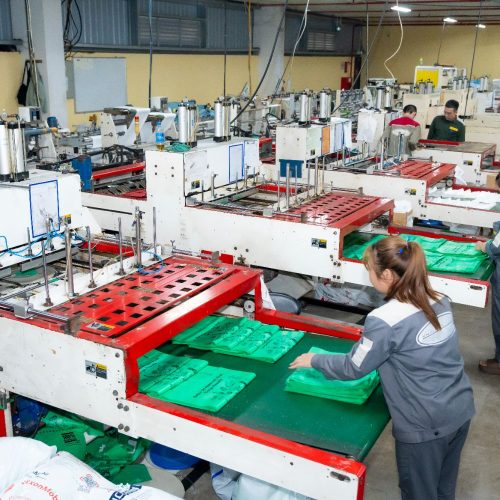
VNPLAST combines over two decades of plastic processing experience with a modern, ISO‑certified production line. Their capabilities include:
- In‑house material testing lab for tensile strength, puncture resistance, and melt flow index.
- Full‑color, high‑resolution printing on both sides of the bag.
- Dedicated sustainability team that manages recycled‑content sourcing and end‑of‑life take‑back.
- Online order portal that provides real‑time quotes, order tracking, and sample requests.
Cost Factors: What Influences Die Cut Bag Pricing?
Understanding cost drivers helps you negotiate better terms.
- Material grade: Recycled resin is usually 10‑15 % cheaper than virgin HDPE.
- Bag thickness: Thicker bags increase material usage exponentially.
- Print complexity: Full‑color CMYK printing adds setup and ink costs.
- Tooling: One‑time die creation can range from $500 to $3,000 depending on complexity.
- Volume: Larger orders benefit from economies of scale, reducing unit cost by up to 30 %.
Common Pitfalls and How to Avoid Them
- Skipping material verification: Always request a material safety data sheet (MSDS) to confirm suitability for your product.
- Underestimating lead time: Factor in tooling, test runs, and shipping when planning product launches.
- Ignoring regulatory requirements: Certain industries (food, medical) require specific certifications; verify with the manufacturer.
- Choosing the cheapest option: Low‑cost suppliers may cut corners on thickness or seal integrity, leading to product loss.
Conclusion
Selecting the right die cut bag manufacturer is a strategic decision that impacts product safety, brand perception, and environmental compliance. By evaluating material expertise, cutting technology, customization options, and sustainability practices—while using the checklist and comparison tools provided—you can partner with a supplier like VNPLAST that delivers quality, speed, and responsible packaging solutions.
Frequently Asked Questions
- What is the typical MOQ for custom die‑cut bags? Most manufacturers start at 5,000 pieces for CNC‑cut bags, but laser‑cut prototypes can be ordered as low as 2,000 units.
- Can I get recycled plastic die‑cut bags with my logo? Yes. Recycled HDPE can be printed with full‑color graphics, and many manufacturers offer a 10 % discount for PCR material.
- How long does it take to receive a sample? Standard lead time for a physical sample is 7‑10 business days after design approval.
- Are die‑cut bags suitable for hazardous waste? When specified with puncture‑resistant HDPE, reinforced seams, and appropriate color coding, they meet most regulatory standards for hazardous waste disposal.
- Do manufacturers provide a take‑back program for used bags? Leading suppliers like VNPLAST operate a closed‑loop recycling program that collects post‑consumer bags for reprocessing.