When you search for garbage bags plastic, you expect clear guidance on selecting the best bag for home, commercial, or industrial use. This article answers that core query within the first few sentences: the ideal garbage bag depends on material thickness, size, closure type, and the type of waste you plan to contain. By understanding these decision factors, you can avoid leaks, reduce costs, and stay compliant with local waste‑management regulations.
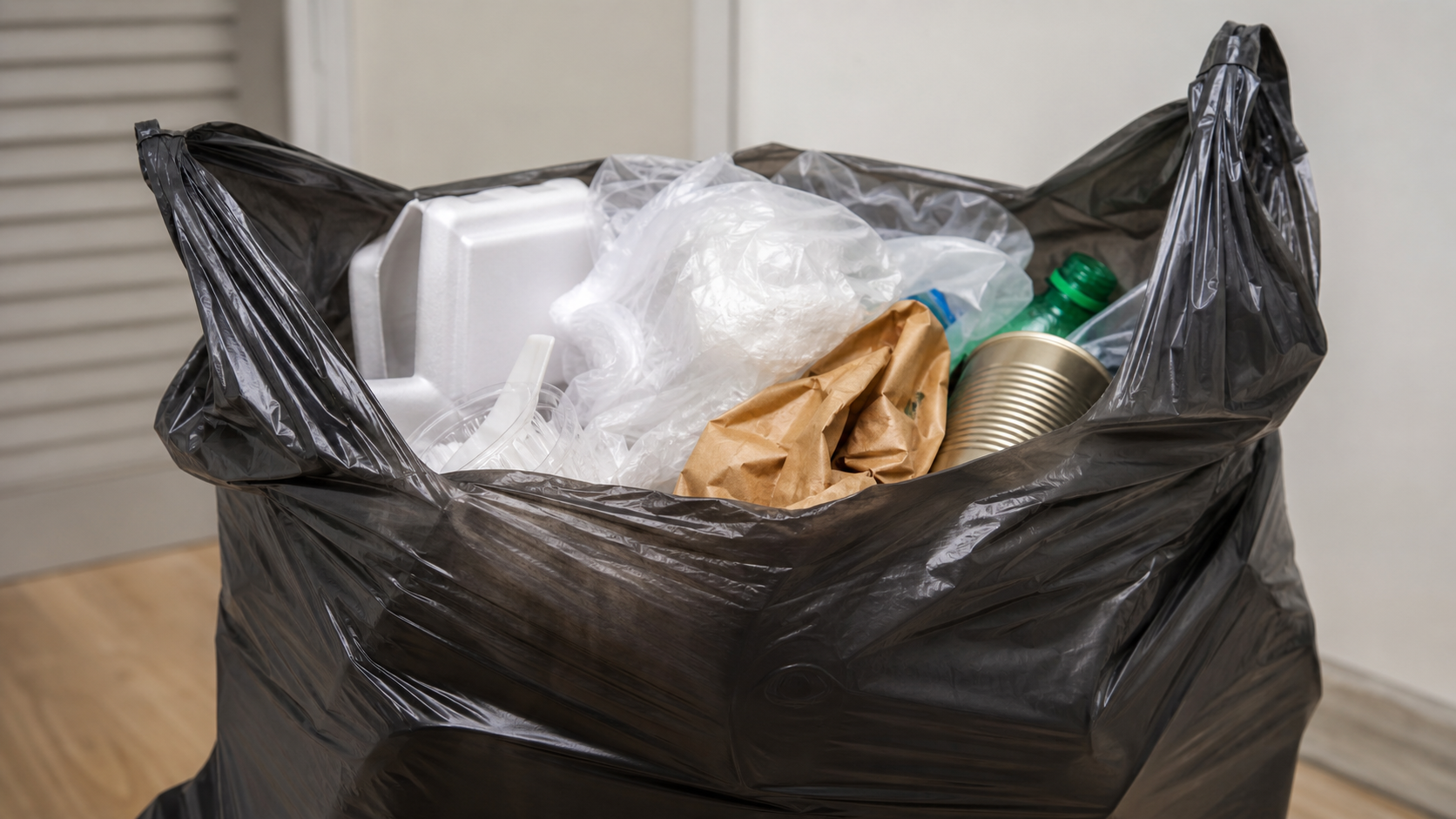
a close‑up of a high‑density polyethylene garbage bag being filled with household waste, showing the bag’s thickness, seal, and sturdy hand…
Why Plastic Remains the Top Choice for Garbage Bags
Plastic offers unmatched durability, flexibility, and resistance to moisture. For most applications—whether it’s a kitchen refuse sack or a hazardous plastic garbage container—plastic bags provide a reliable barrier that keeps odors contained and prevents spills.
Key Material Types
- Low‑Density Polyethylene (LDPE): Soft, stretchable, ideal for light household waste.
- High‑Density Polyethylene (HDPE): Rigid, puncture‑resistant, perfect for industrial refuse.
- Linear Low‑Density Polyethylene (LLDPE): Combines strength and stretch, commonly used in large commercial bins.
Decision Checklist: Selecting the Perfect Garbage Bags Plastic
Use this checklist before placing an order to ensure you match the bag to the task.
- Identify the waste type: general refuse, food waste, hazardous material, recyclables.
- Determine required capacity: 5 L, 20 L, 50 L, 120 L, or larger.
- Choose thickness (mil): 1.2 mil for light use, 2.5 mil for heavy duty, 4 mil+ for hazardous waste.
- Decide on closure: drawstring, twist tie, or self‑sealing.
- Check for additional features: reinforced handles, anti‑static coating, biodegradable additives.
Comparing Popular Plastic Bag Options from VNPLAST
VNPLAST offers a broad portfolio that covers every segment of the waste‑management market. Below is a concise comparison of the most frequently requested products.
- Hand Stretch Film: Thin, stretchable film for bundling refuse bags together; not a primary waste container.
- Die Cut Bag Plastic: Pre‑shaped bags for specific bin dimensions; reduces waste from excess material.
- Recycle Plastic Bag: Made from post‑consumer PET, suitable for recycling programs.
- Refuse Sack Plastic Bag: Standard 30‑mil bags for municipal waste collection.
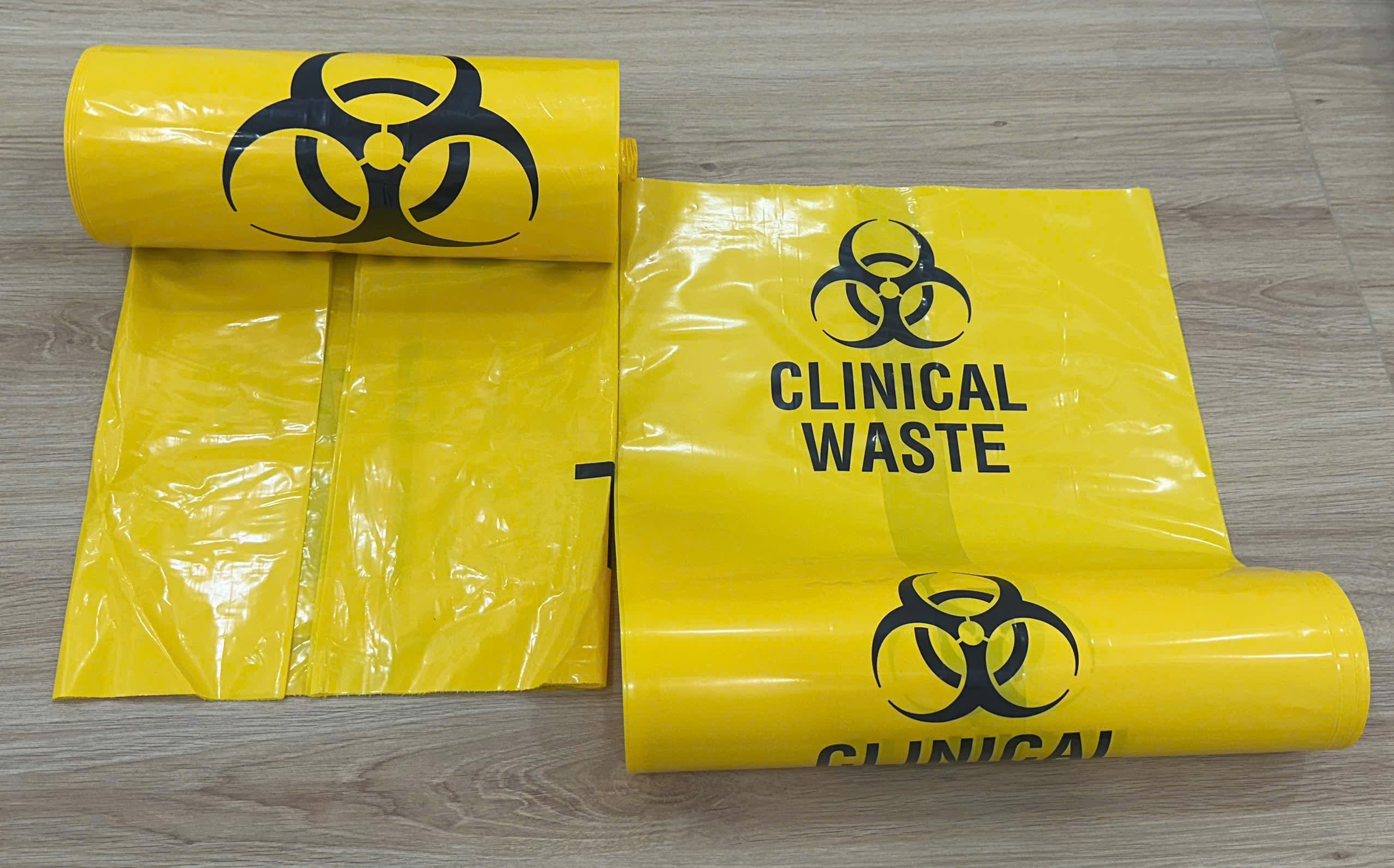
- GARBAGE PLASTIC BAG (VNPLAST brand): 2.5‑mil HDPE, 40 L capacity, reinforced handles.
- Hazardous Plastic Garbage: 4‑mil LLDPE with chemical‑resistant coating; meets OSHA standards.
- Handle Wrap Tool Plastic Bag: Integrated handle design for easy lifting of heavy loads.
- Block Header Plastic Bag: Built‑in block header for secure sealing of large‑volume bags.
- Food Plastic Bag: Food‑grade LDPE, FDA‑approved, ideal for kitchen waste.
Pros and Cons Overview
- Pros
- High tensile strength reduces tearing.
- Variety of thicknesses for every waste category.
- Custom sizes minimize material waste.
- Recyclable options support sustainability goals.
- Cons
- Standard plastic bags are not biodegradable unless specially formulated.
- Higher‑grade bags (hazardous) carry a premium price.
- Improper disposal can contribute to environmental litter.
Real‑World Use Cases
Understanding how different sectors employ garbage bags plastic helps you choose the right product.
Residential Kitchens
Home cooks benefit from 30‑liter food‑grade LDPE bags with drawstring closures. They seal odors and are easy to tie, keeping the kitchen tidy.
Commercial Restaurants
Restaurants generate high volumes of greasy waste. VNPLAST’s 50‑liter HDPE bags with reinforced handles prevent leaks and withstand heavy loads.
Industrial Manufacturing
Factories dealing with metal shavings or chemical residues require 4‑mil hazardous plastic garbage bags. The chemical‑resistant coating meets safety regulations and protects workers.
Municipal Waste Collection
City services use 120‑liter block header bags that can be sealed quickly by a single hand motion, speeding up collection routes.
How to Store and Dispose of Plastic Garbage Bags Properly
Proper storage extends bag life and reduces waste. Keep bags in a cool, dry area away from direct sunlight to prevent UV degradation. When disposing, follow local recycling guidelines: many municipalities accept clean, empty plastic bags for recycling, while contaminated bags should go to landfill or specialized waste streams.
FAQ – Frequently Asked Questions About Garbage Bags Plastic
- What thickness is best for kitchen waste? For typical kitchen refuse, a 1.2‑ to 2.0‑mil LDPE bag offers enough strength while remaining cost‑effective.
- Can I use the same bag for hazardous chemicals? No. Hazardous waste requires at least 4‑mil LLDPE with a chemical‑resistant coating to meet safety standards.
- Are VNPLAST’s recycle plastic bags truly recyclable? Yes, they are made from post‑consumer PET and can be recycled again in most municipal programs.
- How do I choose between drawstring and twist‑tie closures? Drawstrings provide a tighter seal for wet or odorous waste, while twist‑ties are quicker for dry, lightweight trash.
- Is there a biodegradable option? VNPLAST offers a compostable line with plant‑based polymers, but it is marketed separately from the standard “garbage bags plastic” range.
Conclusion
Choosing the right garbage bags plastic hinges on understanding waste type, required capacity, material thickness, and closure method. VNPLAST’s diversified portfolio—from everyday refuse sacks to specialized hazardous containers—covers every scenario. By applying the checklist, reviewing the comparison matrix, and following proper storage practices, you can reduce leaks, lower costs, and stay compliant with environmental regulations.