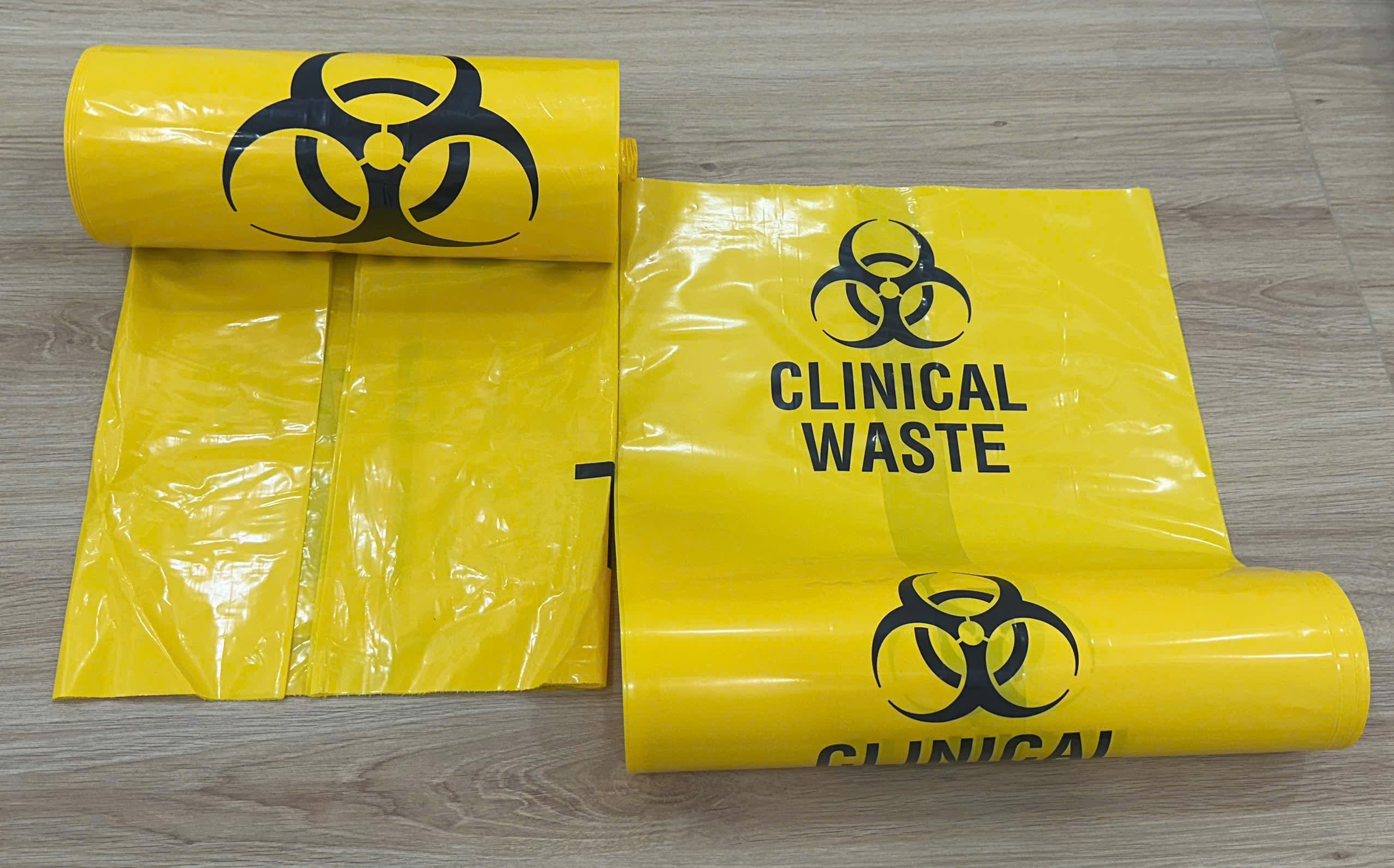
Businesses that handle large volumes of plastic bags, whether for packaging, recycling, or waste collection, need a reliable plastic bag wrap device to speed up operations and reduce labor costs. This article explains how these devices work, the key factors to consider when buying one, and practical use‑case examples that help you decide which model fits your workflow.
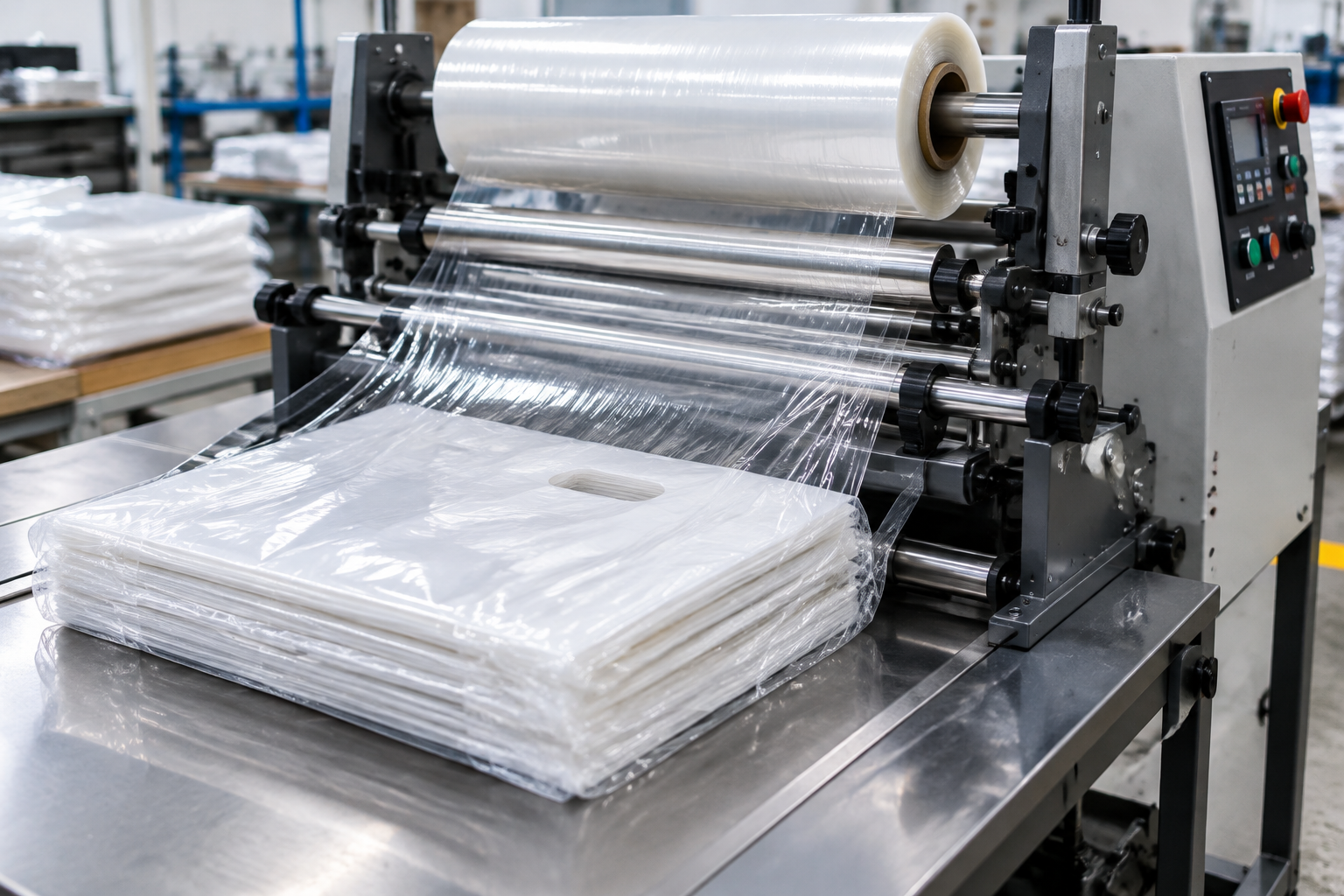
A modern plastic bag wrap device in action, feeding a roll of hand stretch film over a stack of die‑cut plastic bags on an industrial workb…
How a Plastic Bag Wrap Device Works
A plastic bag wrap device automates the process of applying stretch film or sealing material around bags. The core components include:
- Feed mechanism – pulls film or sealant from a roll.
- Tension rollers – maintain consistent stretch to avoid tearing.
- Wrap chamber – where the bag is positioned and wrapped.
- Control unit – sets wrap speed, tension, and cut length.
When activated, the device pulls the film, wraps it around the bag, and cuts the excess, leaving a tight, secure seal ready for transport or storage.
Key Decision Factors
1. Bag Type Compatibility
Identify the primary bag categories you handle:
- Hand Stretch Film bags – require gentle, uniform tension.
- Die Cut Bag Plastic – need precise alignment to avoid film overlap.
- Recycle Plastic bag – often thicker; may need higher torque.
- Hazardous Plastic Garbage – demand robust sealing for safety compliance.
2. Throughput Requirements
Measure daily bag volume:
- Low (under 1,000 bags/day) – manual or semi‑automatic devices.
- Medium (1,000‑5,000 bags/day) – fully automatic models with adjustable speed.
- High (over 5,000 bags/day) – industrial‑grade machines with conveyor integration.
3. Power Source & Footprint
Consider factory floor layout:
- Electric vs. pneumatic drive.
- Compact tabletop units for limited space.
- Floor‑standing models for high‑capacity lines.
4. Material Compatibility
Ensure the device can handle the specific film or seal material you use, such as:
- Standard polyethylene stretch film.
- Biodegradable film for eco‑friendly operations.
- Heavy‑duty PVC for hazardous waste bags.
Real‑World Use Cases
Packaging Plant – Hand Stretch Film
A midsize food‑packaging plant uses a Hand Stretch Film wrap device to seal 3,000 Food Plastic Bags per shift. The device’s adjustable tension prevents film breakage on delicate bags, reducing waste by 12%.
Recycling Facility – Recycle Plastic Bag
At a municipal recycling center, a high‑torque wrap machine processes bulky Recycle Plastic Bags loaded with mixed plastics. The machine’s reinforced rollers handle the extra thickness, ensuring a consistent seal that meets local landfill regulations.
Industrial Waste Management – Hazardous Plastic Garbage
For hazardous waste, a sealed Hazardous Plastic Garbage bag must meet OSHA standards. The wrap device integrates a UV‑cured sealant applicator, providing an extra layer of protection against leaks.
Checklist: Selecting the Ideal Plastic Bag Wrap Device
- ✅ Confirm compatibility with your primary bag types (hand stretch, die‑cut, recycle, hazardous).
- ✅ Calculate daily bag volume to match the device’s throughput capacity.
- ✅ Verify power requirements and available floor space.
- ✅ Test film tension settings with your specific stretch film.
- ✅ Ensure safety features (emergency stop, guard shields) meet local regulations.
- ✅ Review warranty and service options from the manufacturer.
Pros and Cons of Common Device Types
| Device Type | Pros | Cons |
|---|---|---|
| Tabletop Semi‑Automatic | Low cost, easy to move, suitable for low volume. | Limited speed, requires manual bag loading. |
| Floor‑Standing Automatic | High throughput, hands‑free operation, integrates with conveyors. | Higher initial investment, larger footprint. |
| Pneumatic Drive | Fast response, ideal for heavy‑duty bags. | Requires compressed air system. |
| Electric Drive with Digital Controls | Precise tension control, programmable cycles. | More complex maintenance. |
Installation and Maintenance Tips
- Positioning: Place the device near the bag loading station to minimize handling distance.
- Calibration: Run a test wrap with a sample bag after each film roll change to adjust tension.
- Cleaning: Wipe rollers and the wrap chamber weekly to prevent film residue buildup.
- Spare Parts: Keep a stock of tension rollers and cutting blades to avoid downtime.
Frequently Asked Questions
What is the difference between a hand stretch film wrap device and a standard bag sealer?
A hand stretch film device applies a continuous stretch film that conforms tightly to the bag’s shape, offering superior protection and tamper evidence. A standard bag sealer typically uses heat or adhesive, which may not accommodate irregular bag sizes.
Can a plastic bag wrap device handle biodegradable films?
Yes, provided the device’s tension settings are adjusted to the lower tensile strength of biodegradable films. Many modern units include a “low‑tension” mode specifically for this purpose.
How often should the cutting blade be replaced?
For average daily use (≈3,000 bags), replace the blade every 6‑8 months or when you notice ragged film edges. High‑volume facilities may need monthly replacements.
Is training required for operators?
Basic training (≈2‑3 hours) covering loading, tension adjustment, safety stops, and routine cleaning is sufficient for most semi‑automatic models. Fully automatic systems may require a short certification program.
Do these devices comply with environmental regulations?
When paired with recyclable or biodegradable stretch films, the wrap device itself does not emit pollutants. Ensure the film you choose meets local waste‑management standards.
Conclusion
Selecting the right plastic bag wrap device hinges on matching the machine’s capabilities to your specific bag types, volume, and space constraints. By evaluating compatibility, throughput, power source, and safety features, you can invest in a solution that reduces labor, improves seal integrity, and supports sustainable practices. VNPLAST offers a range of devices—from compact tabletop models for small operations to high‑capacity floor‑standing units for industrial plants—ensuring you find the perfect fit for your packaging or waste‑management needs.