When you search for a reliable plastic refuse bag, you need more than just size and price—you need a solution that matches the waste type, handling requirements, and environmental policies of your operation. This guide explains the key factors that differentiate standard garbage bags from specialized hazardous or food‑grade options, shows how to evaluate durability, leak resistance, and recyclability, and provides actionable checklists so you can select the perfect bag for residential, commercial, or industrial use.
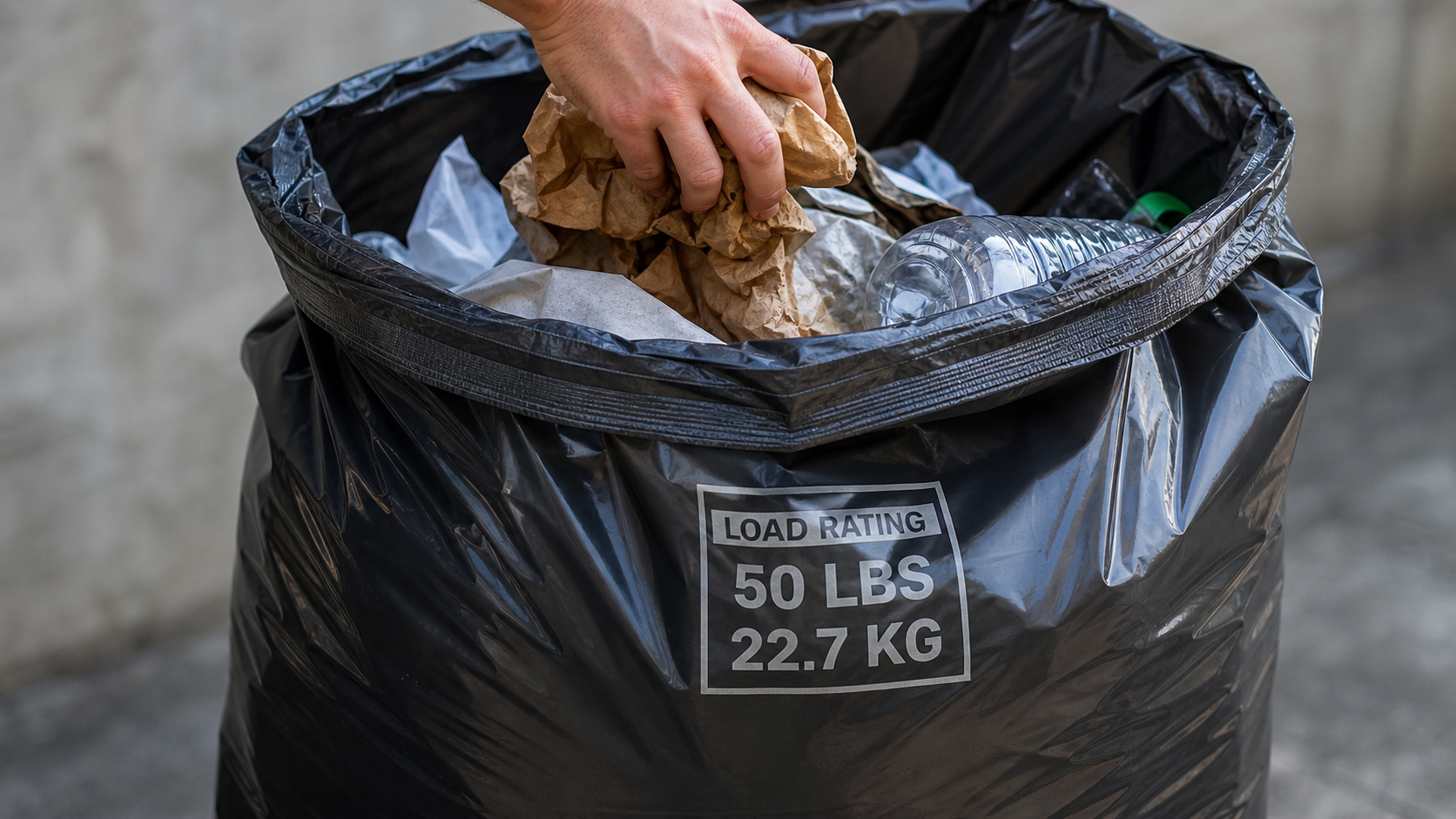
A close‑up of a high‑capacity plastic refuse bag being filled with mixed waste, showing the thick polyethylene material, reinforced seams, …
Understanding Plastic Refuse Bag Types and Their Core Features
Standard Garbage Plastic Bag vs. Specialized Variants
Not all plastic bags are created equal. Below is a quick comparison that highlights the most common categories you’ll encounter on the VNPLAST catalog.
- Standard Garbage Plastic Bag: Low‑density polyethylene (LDPE), 15‑30 µm thickness, suitable for household waste and light commercial trash.
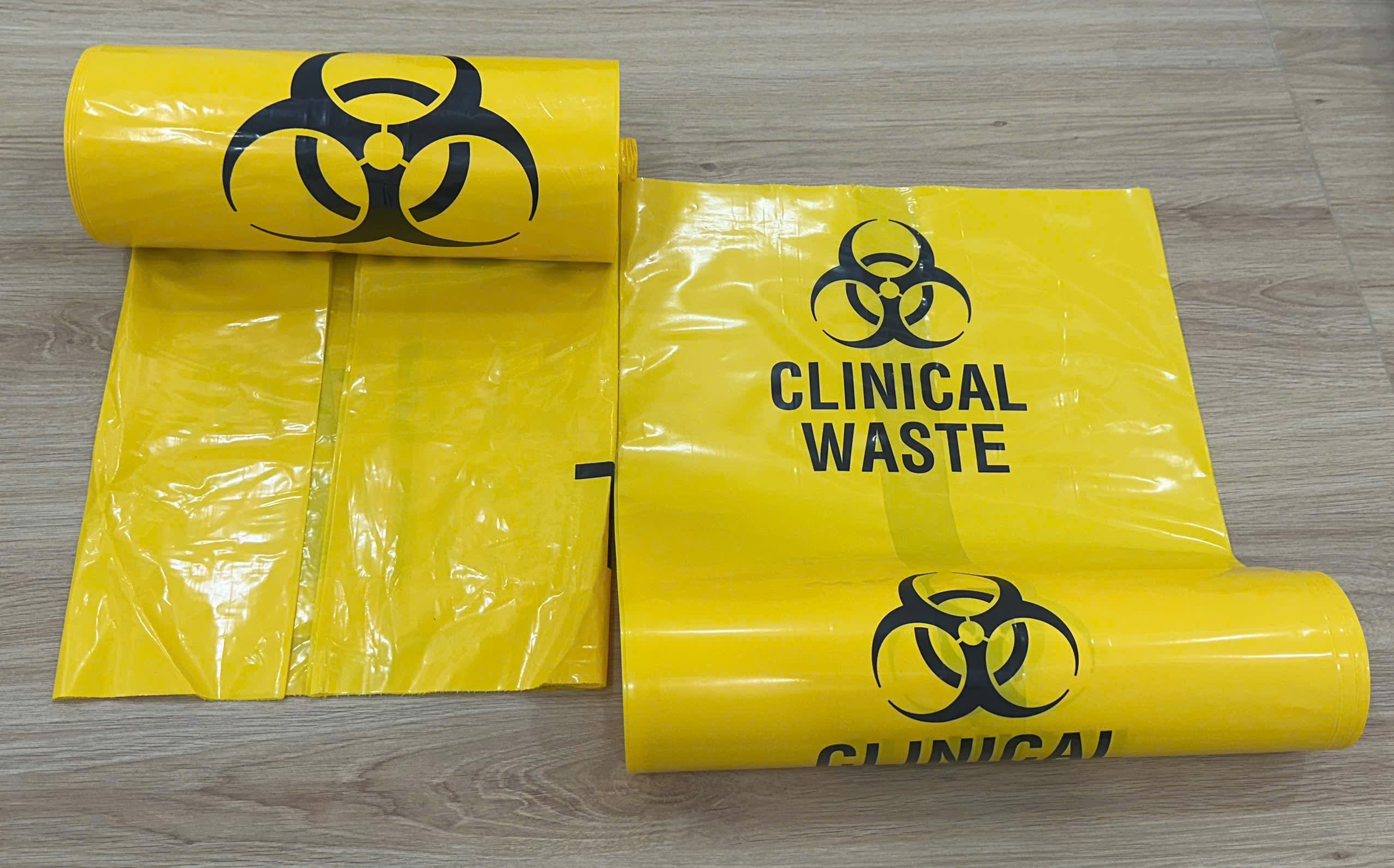
- Hazardous Plastic Garbage Bag: High‑density polyethylene (HDPE) or linear low‑density polyethylene (LLDPE) with a minimum 40 µm thickness, designed for chemicals, medical waste, or sharp objects.
- Food Plastic Bag: Food‑grade polyethylene with FDA‑approved additives, anti‑odor coating, and often a transparent or matte finish for visibility.
- Recycle Plastic Bag: Made from post‑consumer recycled resin, marked with recycling symbols, and typically 20‑25 µm thick.
- Hand Stretch Film & Block Header Plastic Bag: Integrated stretch film for extra tensile strength; block header provides a reinforced top for easy lifting.
Key Material Attributes to Evaluate
When reviewing product specs, focus on these measurable attributes:
- Thickness (µm) – Determines tear resistance; thicker bags handle heavier loads.
- Tensile Strength (MPa) – Indicates how much pulling force the bag can withstand before rupturing.
- Puncture Resistance – Critical for sharp or glassy waste; often achieved with multi‑layer construction.
- Leak Protection – Look for sealed seams, double‑seal tops, or built‑in liners for liquids.
- Recyclability Rating – Some bags are labeled “#2 HDPE recyclable”; verify local recycling capabilities.
Decision Checklist: Selecting the Ideal Plastic Refuse Bag
Use the following checklist during procurement to ensure you match the bag to the task.
- Waste Type: Is the waste dry, wet, oily, or hazardous?
- Load Weight: Estimate maximum kilograms per bag.
- Bag Size & Capacity: Choose dimensions that fit your containers without over‑filling.
- Regulatory Compliance: Does the bag meet local waste handling or food safety standards?
- Environmental Policy: Prefer recycled or biodegradable options if sustainability is a priority.
- Handling Equipment: Will you use a handle wrap tool, forklift, or manual lifting?
- Cost per Unit: Balance upfront price with longevity and failure rate.
Real‑World Use Cases and Performance Comparisons
Below are three typical scenarios where the choice of plastic refuse bag makes a measurable difference.
1. Municipal Waste Collection
City sanitation departments often require 120‑litre HDPE bags with a block header for easy loading onto trucks. The Hazardous Plastic Garbage variant adds a reinforced seam to prevent spills of liquid waste during transport.
2. Food Service and Catering
Restaurants need Food Plastic Bags that are odor‑resistant and meet FDA food‑contact regulations. A 30‑micron LLDPE bag with a transparent window allows staff to verify contents without opening.
3. Construction Site Debris
Construction sites generate heavy, sharp debris. A Die Cut Bag Plastic with a 45 µm thickness and a reinforced bottom prevents punctures from nails or metal scraps. Pairing it with a Handle Wrap Tool Plastic Bag enables one‑handed sealing and transport.
Pros and Cons of Common Plastic Refuse Bag Materials
- LDPE (Low‑Density Polyethylene)
- Pros: Flexible, low cost, easy to seal.
- Cons: Lower tensile strength, not ideal for heavy or sharp waste.
- HDPE (High‑Density Polyethylene)
- Pros: High tensile strength, excellent puncture resistance.
- Cons: Less stretch, higher material cost.
- LLDPE (Linear Low‑Density Polyethylene)
- Pros: Good balance of strength and flexibility, superior tear resistance.
- Cons: Slightly higher price than LDPE.
- Recycled Polyethylene
- Pros: Reduces environmental footprint, often cost‑competitive.
- Cons: May have variable thickness; check for consistent quality.
How to Properly Store and Dispose of Plastic Refuse Bags
Improper storage can degrade bag performance. Follow these best practices:
- Keep bags in a cool, dry area away from direct sunlight to prevent UV weakening.
- Stack bags on pallets no higher than 1.5 m to avoid crushing the lower layers.
- Label each roll or bulk pack with load capacity and material type for quick identification.
- When disposing of used bags, separate clean recyclable bags from contaminated ones according to local regulations.
Cost‑Effectiveness: Calculating Total Cost of Ownership (TCO)
Choosing the cheapest bag often leads to higher long‑term costs due to tears, leaks, and disposal fees. Use this simple TCO formula:
TCO = (Unit Price × Quantity) + (Failure Cost × Expected Failures) + (Disposal Fee × Used Bags)
For example, a 30 µm LDPE bag costs $0.08 each, but if you experience a 10 % failure rate with a $5 cleanup per incident, the effective cost per usable bag rises to $0.13. Upgrading to a 45 µm HDPE bag at $0.12 with a 2 % failure rate reduces the effective cost to $0.13 as well, while providing better safety.
Frequently Asked Questions
What thickness is recommended for hazardous waste?
For chemical or medical waste, a minimum of 40 µm HDPE or LLDPE with reinforced seams is advised to prevent leaks and punctures.
Can plastic refuse bags be recycled after use?
Yes, if the bag is made from recyclable resin (e.g., #2 HDPE) and is free of contamination. Separate clean bags from oily or hazardous waste before recycling.
Are there biodegradable alternatives to traditional plastic refuse bags?
Biodegradable bags exist, typically made from polylactic acid (PLA) or oxo‑degradable additives. However, they may not meet the strength requirements for heavy or sharp waste, and their composting conditions must be strictly controlled.
How do I prevent bag tearing during loading?
Use a block header or reinforced top, avoid over‑filling beyond the bag’s rated capacity, and employ a handle wrap tool for secure sealing.
What is the difference between a Hand Stretch Film and a regular plastic refuse bag?
Hand stretch film is a thin, elastic film used to tightly bind loads on pallets, while a plastic refuse bag is a container for waste. Some VNPLAST products combine both—providing a bag with an integrated stretch film layer for extra load stability.
Conclusion
Selecting the right plastic refuse bag hinges on understanding waste characteristics, load demands, and regulatory requirements. By evaluating material thickness, tensile strength, and specific features such as block headers or food‑grade certifications, you can minimize failures, lower total cost of ownership, and align with sustainability goals. Use the provided checklist and comparison tables to match VNPLAST’s extensive product range—whether you need a standard garbage bag, a hazardous waste sack, or a recycled option—to the exact needs of your operation.